
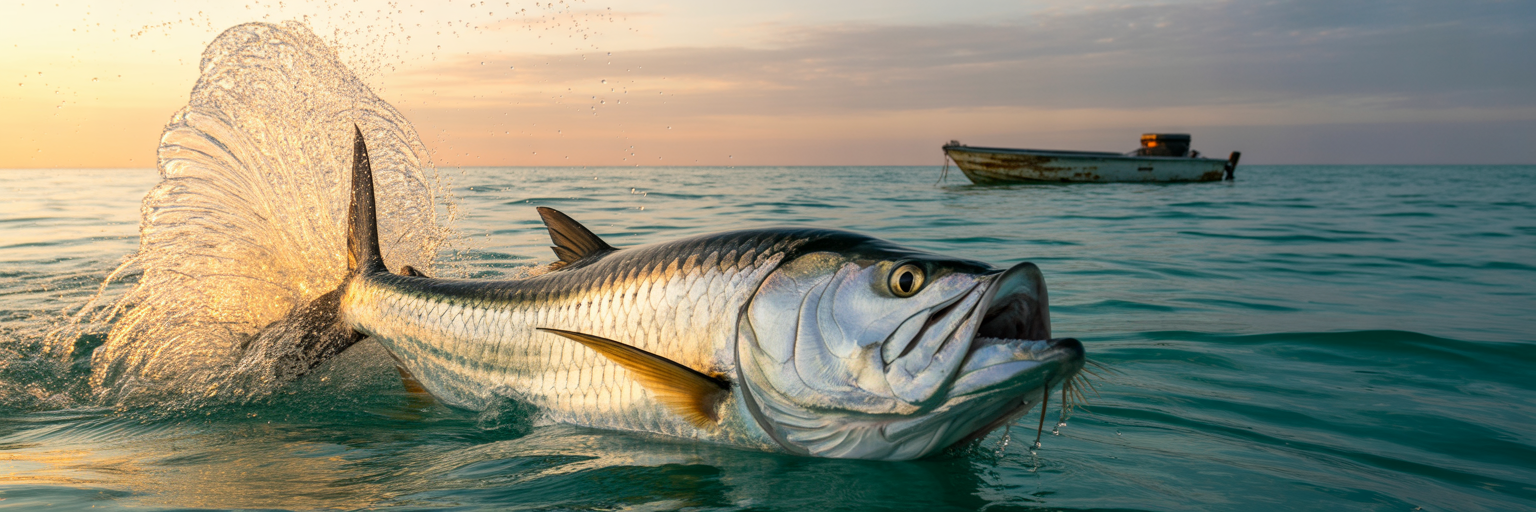
There are fish, and then there is the Silver King. Hooking a tarpon is connecting to a prehistoric force. You see the flash of chrome-plated armor, the bucket-sized mouth, and then feel a power that is simply unmatched inshore. The first time one launches itself skyward, rattling its gills in a violent headshake, is a moment that burns itself into your memory. This is the pinnacle of our sport, a true test of tackle, skill, and will. Successful Tarpon Fishing in Florida is a bucket-list achievement for anglers worldwide.
Before we get into the how, let’s establish the what. This is a catch-and-release fishery. The reward is not a fillet for the cooler but the connection, the intense battle, and the satisfaction of reviving and watching a healthy fish swim away. We hunt them with respect, ensuring this incredible resource remains for generations to come. The goal is the fight, not the finish.
There are two fundamental ways to approach this hunt. The first is intercepting the massive schools during their epic annual migration along the coasts, a spectacle of nature that brings thousands of giant fish within casting range. The second is the year-round pursuit of resident fish that live in our backcountry bays, rivers, and residential canals. Each requires a different strategy, and this guide is your playbook. We will cover every critical detail needed to find, hook, fight, and safely release a Florida tarpon.
The Ultimate Guide to Tarpon Fishing in Florida
There are fish, and then there is the Silver King. Hooking a tarpon is connecting to a prehistoric force. You see the flash of chrome-plated armor, the bucket-sized mouth, and then feel a power that is simply unmatched inshore. The first time one launches itself skyward, rattling its gills in a violent headshake, is a moment that burns itself into your memory. This is the pinnacle of our sport, a true test of tackle, skill, and will. Successful Tarpon Fishing in Florida is a bucket-list achievement for anglers worldwide.
Before we get into the how, let’s establish the what. This is a catch-and-release fishery. The reward is not a fillet for the cooler but the connection, the intense battle, and the satisfaction of reviving and watching a healthy fish swim away. We hunt them with respect, ensuring this incredible resource remains for generations to come. The goal is the fight, not the finish.
There are two fundamental ways to approach this hunt. The first is intercepting the massive schools during their epic annual migration along the coasts, a spectacle of nature that brings thousands of giant fish within casting range. The second is the year-round pursuit of resident fish that live in our backcountry bays, rivers, and residential canals. Each requires a different strategy, and this guide is your playbook. We will cover every critical detail needed to find, hook, fight, and safely release a Florida tarpon.
Timing Your Hunt: Tarpon Seasons and Migrations
Success in tarpon fishing is all about timing. Being in the right place is useless if you are there at the wrong time. The main event is the Florida tarpon migration season, a massive movement of fish that defines the prime time for targeting giants. Understanding this annual cycle is the first step in planning a successful trip. Here is how the season breaks down.
- The First Push (March-April): As water temperatures consistently climb into the mid-70s, the first waves of migratory tarpon appear. These early arrivals show up in the lower Florida Keys and the warm, dark waters of the Everglades and Florida Bay. This is the start of the season, a time when the fishery awakens from its winter slumber and the first big fish of the year are caught.
- The Peak Migration (May-July): This is prime time. The main body of fish, often in the 80 to 150 pound class, pushes north along both the Gulf and Atlantic coasts. This is when the legendary bites occur. Massive congregations of fish stack up in places like Boca Grande Pass to feed on flushing crabs, and huge schools cruise the beaches of the Panhandle. The fishing is consistent, the fish are large, and the action can be nonstop.
- The Shoulder Months (August-September): The chaos of the peak spawn and migration begins to settle, but the fishing is far from over. Large numbers of hungry, post-spawn tarpon are still around, feeding heavily before they disperse. This period offers fantastic opportunities, often with significantly less boat traffic than the peak months, making it a favorite for many seasoned anglers.
- The Resident Fish Strategy (October-February): While the big migratory fish are gone, the hunt continues. Smaller, resident tarpon ranging from 10 to 60 pounds can be targeted all year, especially in South Florida. During the cooler months, these fish seek out thermal refuge. You can find them stacked in the warmer waters of backcountry basins, deep residential canals, and near the outflows of coastal power plants. It is a different game, often requiring more finesse, but it keeps you connected to the king year-round.
Florida’s Top Tarpon Fishing Destinations
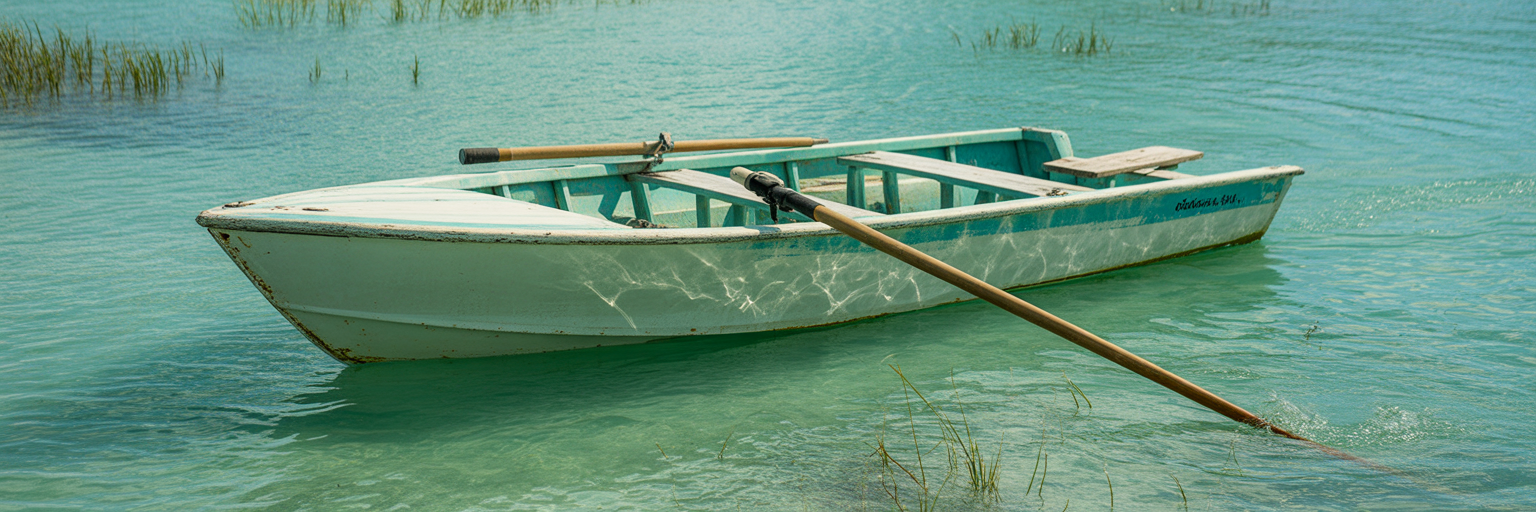
Knowing when to go is half the battle; knowing where to go is the other. Florida is blessed with an incredible diversity of tarpon habitats, from crystal-clear flats to deep, dark passes. Finding the best tarpon fishing spots Florida has to offer means matching the location to the season and your preferred style of fishing. Here are the undisputed epicenters of the tarpon world.
The Florida Keys: The Tarpon Universe
The Keys are the heart of it all. This is where modern tarpon fishing was born, and it offers more variety than anywhere on earth. You can spend your morning polling the ocean-side flats, sight-casting to triple-digit fish in just a few feet of water. By afternoon, you could be battling giants in the deep, ripping currents under the Bahia Honda Bridge. As the sun sets, the harbors from Islamorada to Key West come alive with feeding fish, creating a chaotic and unforgettable scene. The sheer volume of fish and diversity of scenarios make the Keys a mandatory destination for any serious tarpon angler.
The Gulf Coast: Home of the Giants
The Gulf Coast is famous for one thing: giant tarpon. The crown jewel is Boca Grande Pass, arguably the most famous tarpon spot on the planet. During the spring outgoing tides, crabs are flushed out of Charlotte Harbor, and a waiting army of hundreds, sometimes thousands, of massive tarpon gather for a feeding frenzy. It is a spectacle you have to see to believe. But the Gulf is more than just one pass. The deep channels around the Sunshine Skyway Bridge in Tampa Bay hold huge numbers of fish, while the beaches from Fort Myers up to the Panhandle offer incredible opportunities to sight-cast to migrating schools just yards from the sand.
The Atlantic Coast: Beach Patrols and Backcountry Juveniles
The Atlantic fishery offers its own unique set of challenges and rewards. From May through July, one of the most exciting ways to fish is by running the beaches of Palm Beach, Martin, and St. Lucie counties, looking for “strings” of migrating tarpon cruising north in the surf. Spotting a school, racing ahead to set up, and making the perfect cast is an adrenaline rush. The urban and backcountry systems also provide excellent fishing. Inlets like Government Cut in Miami and the network of channels in the Indian River Lagoon are prime areas for finding both resident adults and a healthy population of juvenile tarpon, offering action throughout the year.
Gearing Up for Battle: The Right Tackle
Hooking a tarpon is one thing; landing one is another. These fish will expose any weakness in your gear with brutal efficiency. Your tackle is not a place to cut corners. A proper tarpon fishing tackle setup is a system where every component is chosen for strength and reliability. Here is the blueprint for what you need.
Spinning Tackle: The All-Around Workhorse
For most situations, from casting to rolling fish on the flats to live-baiting in the passes, a high-quality spinning setup is the tool of choice. You need a 7- to 8-foot heavy-action rod with enough backbone to pressure a big fish but a tip that can still cast a live crab or swimbait accurately. Pair this with a 5000 to 10000-series spinning reel. The most important feature here is the drag. It must be smooth, sealed against saltwater, and powerful enough to slow down a 100-pound fish on a blistering run.
Line and Leader: Your Connection to the King
This is the most critical link in the chain. Spool your reel with 50- to 65-pound braided line. Its no-stretch quality provides incredible sensitivity to feel the bite and the power to drive a large hook home. The leader is non-negotiable. A tarpon’s mouth is like coarse sandpaper and will shred light line in seconds. You need a 60- to 80-pound fluorocarbon leader, about 4 to 6 feet long. When fishing around heavy structure like bridges or deep wrecks, do not hesitate to bump that up to 100-pound leader for extra abrasion resistance.
Conventional Gear: For Heavy-Duty Fights
While spinning gear is more versatile, conventional tackle has its place. For the specialized, vertical fishing in deep passes like Boca Grande or for wrestling fish away from bridge pilings at night, a conventional setup offers superior cranking power and line capacity. This gear is built for maximum pressure in a straight up-and-down fight, allowing you to lift a stubborn fish from the depths.
For the fly-fishing purists, a stout 10- to 12-weight rod paired with a large-arbor reel with a sealed drag capable of stopping a truck is the required equipment for this high-stakes game.
| Scenario | Recommended Rod | Recommended Reel | Line & Leader | Primary Advantage |
|---|---|---|---|---|
| Flats & Beach Sight-Fishing | 7’6″-8′ Heavy Fast-Action Spinning | 5000-6000 Series Spinning | 50lb Braid / 60lb Fluoro Leader | Casting distance and presentation |
| Pass & Inlet Live Baiting | 7′-7’6″ Extra-Heavy Spinning or Conventional | 8000-10000 Series Spinning or 20-30 Size Conventional | 65lb Braid / 80lb Fluoro Leader | Power to lift fish in heavy current |
| Bridge & Structure Fishing (Night) | 7′ Heavy Conventional or Extra-Heavy Spinning | 30-40 Size Conventional or 10000 Series Spinning | 65-80lb Braid / 80-100lb Fluoro Leader | Maximum stopping power and abrasion resistance |
| Backcountry & Canals (Juveniles) | 7′ Medium-Heavy Spinning | 4000-5000 Series Spinning | 30-40lb Braid / 40-50lb Fluoro Leader | Lighter setup for accuracy and sport |
Proven Baits and Lures for Florida Tarpon
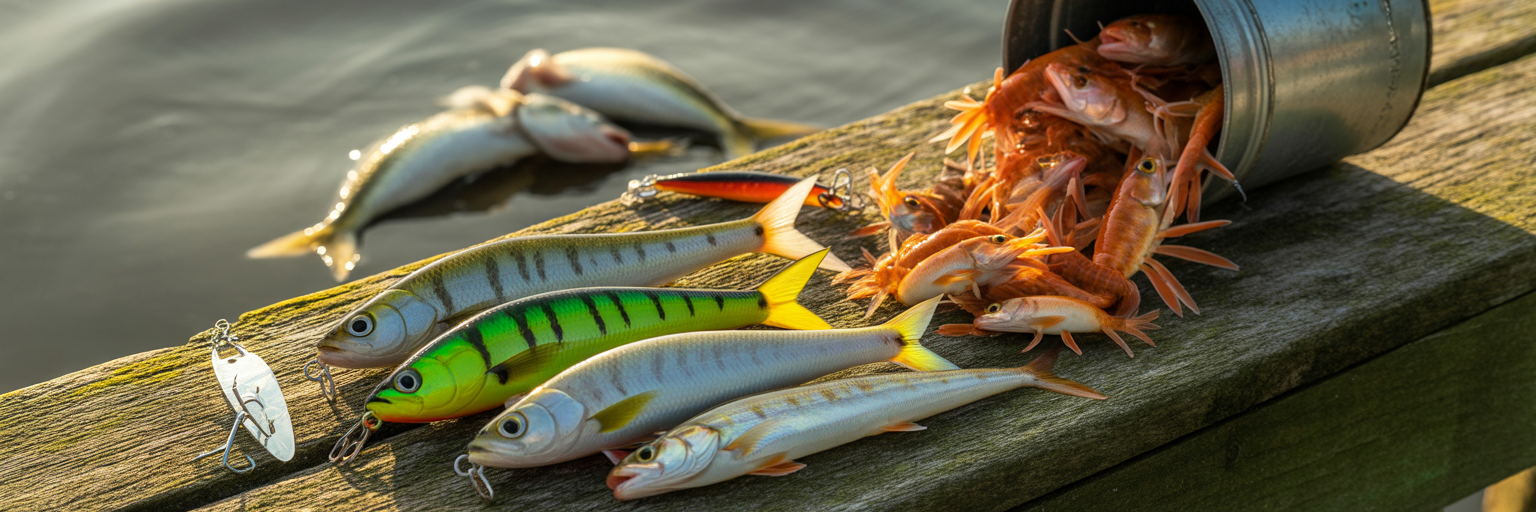
Once you have the right gear, the next question is simple: what do they eat? A tarpon’s diet can vary based on location, season, and conditions. Having the right offering is crucial for getting bites, and sometimes the smallest change can make all the difference. Here is a rundown of the best bait for tarpon, covering both live and artificial options.
Live Bait: The Most Reliable Offering
When tarpon are feeding, it is hard to beat the real thing. The scent and movement of a live bait is often too much for them to resist.
- Pass Crabs: This is the gold standard, especially during the spring migration in Gulf Coast passes. A small crab presented naturally in the current during an outgoing tide is the most effective technique in this scenario.
- Live Mullet: A hearty and readily available choice, mullet are a go-to for almost any situation. You can free-line them in current, fish them under a cork to control their depth, or slow-troll them along beaches and channel edges.
- Threadfin Herring: When tarpon are keyed in on smaller baitfish, a lively threadfin can be deadly. They are more delicate than mullet but their frantic action can trigger aggressive strikes. They are best free-lined or fished on a small jig head.
- Pinfish: These tough, spiny baits are excellent for fishing around structure. Their hardiness keeps them on the hook, and their panicked vibrations attract attention from tarpon holding near bridges and wrecks.
Artificial Lures: Triggering the Strike
For anglers who prefer to cast, a well-presented artificial can be just as effective as live bait, especially for triggering a reaction strike from less-than-hungry fish.
- Large Paddle-Tail Swimbaits (5-8 inches): This is the modern workhorse lure. Rigged on a heavy jig head or a weighted swimbait hook, these are best fished slow and low in the water column, mimicking a cruising baitfish.
- Flair Hawk Jigs: The classic choice for deep channels, inlets, and bridge fishing, especially at night. The technique is to cast uptide and let the jig “swing” in the current, keeping it just off the bottom as it passes through the strike zone.
- Soft Plastics (like the Hogy Pro Tail): These lures are incredibly versatile. Their design allows them to be jigged effectively in deep water or cast and retrieved to rolling fish in shallower areas, providing a realistic profile and action.
- Topwater Lures: There is nothing more thrilling than a tarpon exploding on a topwater plug. This is most effective in calm conditions, like early mornings or late evenings in the backcountry. A slow, steady “walk-the-dog” retrieve is key to drawing a strike.
The Fight: Technique, Handling, and Release
The bite is just the beginning. The moments that follow determine whether you get a clean release or a heartbreaking story of the one that got away. Knowing how to catch tarpon after the hookup involves specific techniques designed to counter the fish’s raw power and acrobatic leaps. Just as important is knowing how to handle the fish properly to ensure its survival.
- ‘Bow to the King’: This is the single most important tarpon-fighting technique. The moment you feel the fish rise and see it break the surface, you must immediately drop your rod tip and point it directly at the fish. This creates a brief moment of slack in the line. It prevents the tarpon’s violent head shakes from using the weight of your lure or hook to gain leverage and throw it. It feels counterintuitive, but it is absolutely essential.
- Proper Fighting Technique: Forget high-sticking. The most effective way to fight a tarpon is the ‘down and dirty’ method. Keep your rod angle low to the water and use hard, sweeping side pressure to turn the fish’s head. Pulling straight up only encourages the fish to stay on the surface and jump more. By using side pressure, you keep it off balance, force it to work harder, and shorten the fight time, which is better for the fish’s health.
- The Shark Problem: This is a tough reality of modern tarpon fishing. Bull sharks, in particular, have learned to associate the sound of a struggling tarpon with an easy meal. If a shark shows up and begins actively hunting your hooked fish, you have one responsible choice: cut the line immediately. It is a painful decision, but it gives the tarpon its only real chance to escape. Prolonging the fight only dooms the tarpon.
- Strict Handling and Release Rules: These practices are about respect for the fish and the law. By Florida regulation, any tarpon over 40 inches in length must remain in the water at all times. Never drag a large tarpon onto the boat or the beach for a photo. These handling practices are not just suggestions; they are rooted in regulations designed to protect the fishery, as outlined by the Florida Fish and Wildlife Conservation Commission (FWC). To revive the fish, hold it boat-side by the lower jaw, facing it into the current. Allow water to flow over its gills until it regains its strength and swims away powerfully on its own.
Advanced Scenarios and Reading Fish Behavior
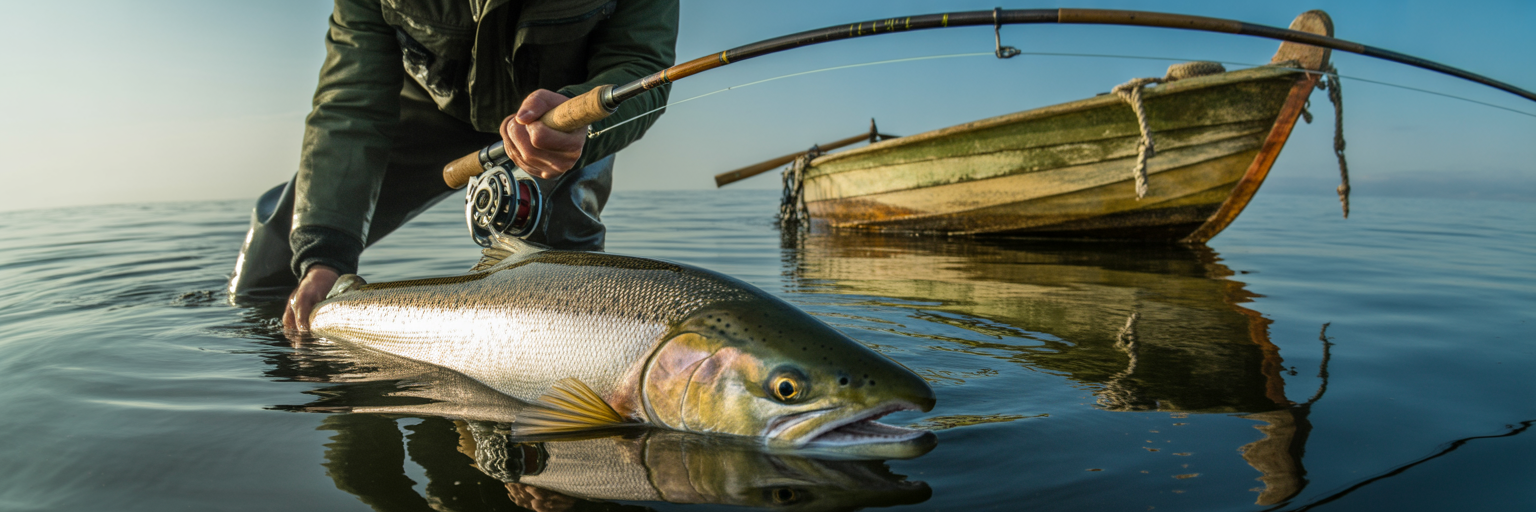
Once you have mastered the fundamentals, you can begin to appreciate the finer points of the hunt. The best tarpon anglers are experts at reading the water and the fish, allowing them to adapt their approach on the fly. Here are some advanced concepts that separate the pros from the crowd.
- Sight-Fishing the Flats: This is the ultimate chess match. It requires a stealthy approach, typically poling a skiff, not using a trolling motor. You are looking for a “laid-up” fish, which can look like a submerged log on the bottom. Success depends on long, accurate casts that land a lure or fly softly, well ahead of the fish, without spooking it. It is an intense, high-stakes game of precision.
- Bridge Fishing at Night: Experienced bridge anglers do not just fish near the pilings; they fish the shadow lines. The lights on a bridge create distinct lines between light and dark on the water. Tarpon use these shadows as ambush points, waiting for bait to be swept by in the current. The most effective technique is to swing a flair hawk jig or a live mullet from the light into the shadow, triggering a predatory strike.
- Reading Tarpon Behavior: Understanding what you see on the water is invaluable. You need to differentiate between different types of behavior. ‘Rolling’ fish are simply coming up for a gulp of air; they are often relaxed and catchable. ‘Daisy-chaining’ fish, which swim in a slow, circular pattern, are engaged in a pre-spawn ritual and are notoriously difficult to tempt. ‘Happy’ fish are the ones you are looking for: actively feeding, crashing bait on the surface, and showing the most aggression.
- Fishing Heavy Current: In deep passes with strong tides, getting your bait to the fish requires calculation. You must determine the right “lead,” meaning how far up-current you need to cast or drop your bait so that it reaches the fish’s depth precisely as it drifts through the strike zone. This involves constantly adjusting your weight and position based on the speed of the current.
Planning Your Trip for Maximum Success
A successful tarpon trip is often won before you even leave the dock. Meticulous planning based on reliable data puts the odds in your favor. It is about stacking the deck with as many positive variables as possible. This is not about luck; it is about preparation.
The single most important factor to consider is tide movement. Tarpon are creatures of current. An outgoing tide is often the key, as it flushes bait out of bays, estuaries, and passes, creating a natural feeding lane. The strongest tides occur around the new and full moon phases, and these periods frequently trigger the most aggressive feeding behavior. Plan your trips around these strong tidal flows.
Next, check the environmental conditions. Tarpon are much more active in warmer water, so monitoring water temperature is critical, especially early and late in the season. Water clarity is also a major factor. For sight-fishing on the flats or along the beaches, you need clear water to spot your target. Using this intel allows you to focus your efforts on areas with the highest probability of success.
Consider the value of hiring a professional guide. This is not a sign of weakness; it is a strategic investment in your success. Especially when fishing a new location or targeting tarpon for the first time, a guide’s years of local knowledge, specialized boat, and perfectly matched tackle can be the difference between a frustrating day of searching and the fish of a lifetime. They are on the water daily and know exactly where the fish were yesterday and where they are likely to be today.
Ultimately, winning the tarpon game comes down to a proven formula. It is about being in the right place at the right time by understanding the migration. It is about using the right tools for the job with heavy, reliable tackle. And most importantly, it is about employing the right techniques to honor the fish through a proper fight and a healthy release. Master these principles, and you will be ready to face the King.