
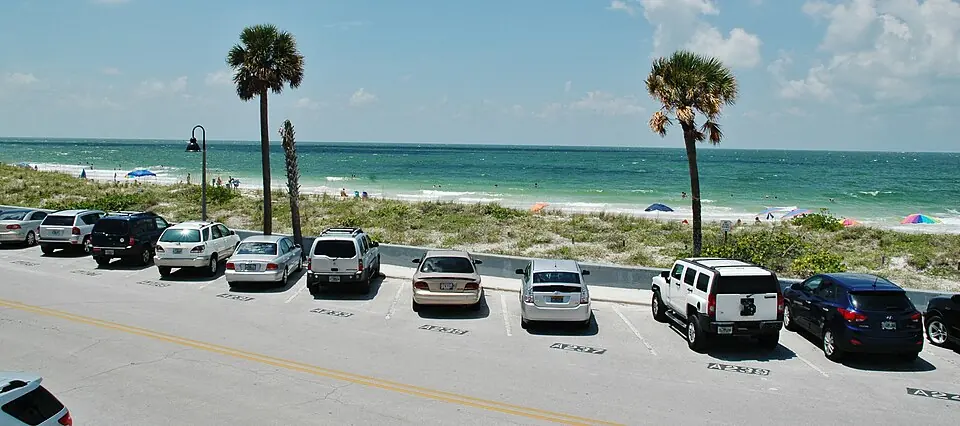
St. Pete Beach fishing is on the Gulf side of the Tampa Bay area. It is different from downtown St. Petersburg's Spa Beach and St. Pete Pier. Start by deciding whether you want a small-bait beach session, a walking lure trip or a designated pier facility.

Featured image: Gulf shoreline at St. Pete Beach. Photograph dated 2012. Current access may differ. Credit: qwesy qwesy. CC BY 3.0. Image source. Resized and converted to WebP.
Choose a public entrance and a clear fishing area
Use signed public beach access and check the current parking terms. The county access and city-managed spaces may have different arrangements. Confirm fishing restrictions and stay outside swimming areas and active bathing space.
Pass-a-Grille at the southern end offers a distinct neighborhood to explore. Its Gulf shore and bay-side facilities are separate choices. Do not assume a residential dock or marina berth is public because it is close to an established beach entrance.
For a beach rod, begin with whiting
Small shrimp pieces in a nearshore trough are a straightforward starting method. Seasonal pompano may take sand fleas or tough bait strips. Read the first bar and the water between it and shore before making a maximum-distance cast.
An 8-9-foot surf rod, 4000 reel, 15 lb mono and 25 lb leader suit moderate conditions. Keep hooks small and match lead to the rod's rating. Clear weed frequently so the bait remains visible and the line does not drag toward other visitors.
For warm-season snook, look before you cast
Snook may cruise close to a clear beach edge. Stay back and watch for movement before stepping into the water. A small paddletail or baitfish imitation worked along a fish's path is a better starting approach than repeatedly casting over it.
Use a 7-foot medium rod, 3000 reel, 10-15 lb braid and a 25-30 lb leader. Check current snook regulations before retaining a fish. Keep releases quick, with wet hands and support beneath the body rather than suspending a large fish by its jaw.
Pick a realistic backup
If the beach is crowded or rough, check an open managed fishing facility rather than moving into a pass without a plan. Gulfport provides a bay-side alternative with designated pier access, while Fort De Soto offers several park choices. Each has its own rules and conditions, so choose the setting that fits the day.
A compact packing list
| Pack | Starting choice |
|---|---|
| Light surf option | 8-9-foot rod, 4000 reel, 15 lb mono, 25 lb leader |
| Inshore option | 7-foot rod, 3000 reel, 15 lb braid, 20-30 lb leader |
| Bait choice | Shrimp for sand or structure; small lures for open edges |
| Choose first | The permitted shoreline and target fish |
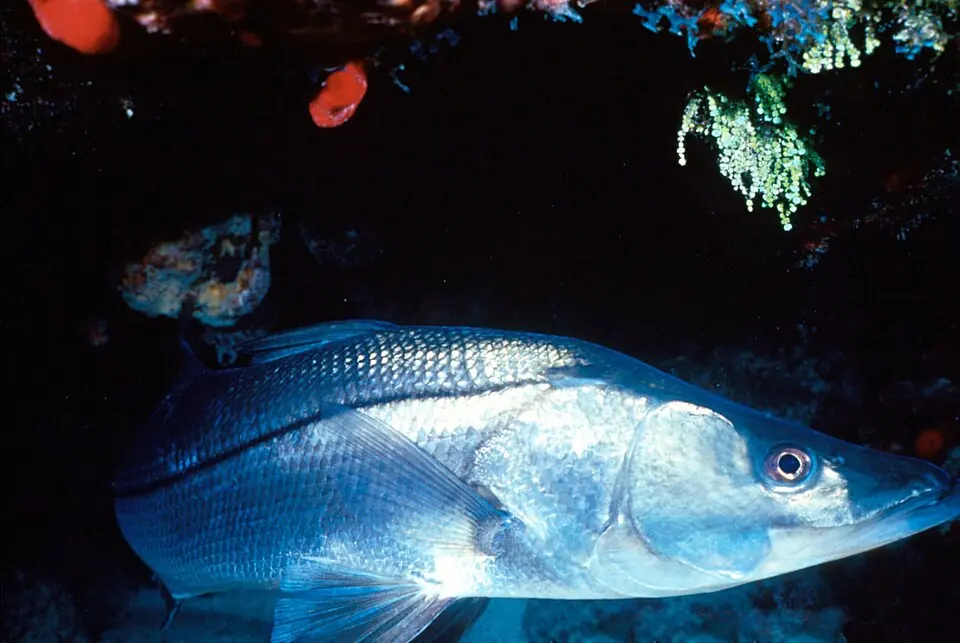
Fish to recognize
These references help identify possible targets in the habitats discussed above. They do not document catches at this beach or guarantee that a fish is present on your visit.

Plan another nearby fishing stop
- Pass-a-Grille Fishing: Gulf Beach and Bay-Side Baits
- Fort De Soto Fishing: Piers, Shorelines and Tackle
- Gulfport Beach Fishing: Start with Williams Pier
- Spa Beach Fishing: Use the St. Pete Pier Fishing Deck
- Treasure Island Municipal Beach Fishing: Surf Guide
- Madeira Beach Fishing: Surf Baits or John's Pass?
Access research checked September 24, 2026, using City of St. Pete Beach. Recheck closures and posted rules before traveling. Confirm your fishing license and current species-specific harvest rules with FWC before keeping fish.