

Fort De Soto fishing offers a real choice between piers and permitted shoreline areas. That variety is useful, but it does not mean every beach is a casting area. Choose one part of the park and match your gear to it before unloading the car.
Featured image: Fort De Soto's Bay Pier in an earlier photograph. Its far end is closed for repairs at the September 2026 check. Photograph dated 2025. Current access may differ. Credit: Myrtledawg7. CC0. Image source. Resized and converted to WebP.
Check the Bay Pier repair boundary
At the September 2026 check, Pinellas County reports the far end of the Bay Pier closed for hurricane repairs. Use only open portions and recheck the county's park updates before traveling. Work around the boat ramps and park roads can also affect a visit.
The county states that a fishing license is required throughout the park, including its piers, subject to applicable exemptions. Do not assume the arrangement is the same as a privately operated fishing pier. North Beach and East Beach include swimming areas; fishing belongs outside prohibited zones.
Decide whether you want structure or sand
For pier structure, small shrimp can interest sheepshead and mangrove snapper. Lower a bait in a controlled way and keep it close enough to cover without wrapping a piling. Watch for abrasion and re-tie after rough contact.
On a permitted sandy shoreline, whiting and seasonal pompano call for smaller hooks and a simple bottom rig. Around appropriate inshore habitat, redfish, trout or snook may justify a small lure. These choices need different presentations, not one heavy rig used everywhere.
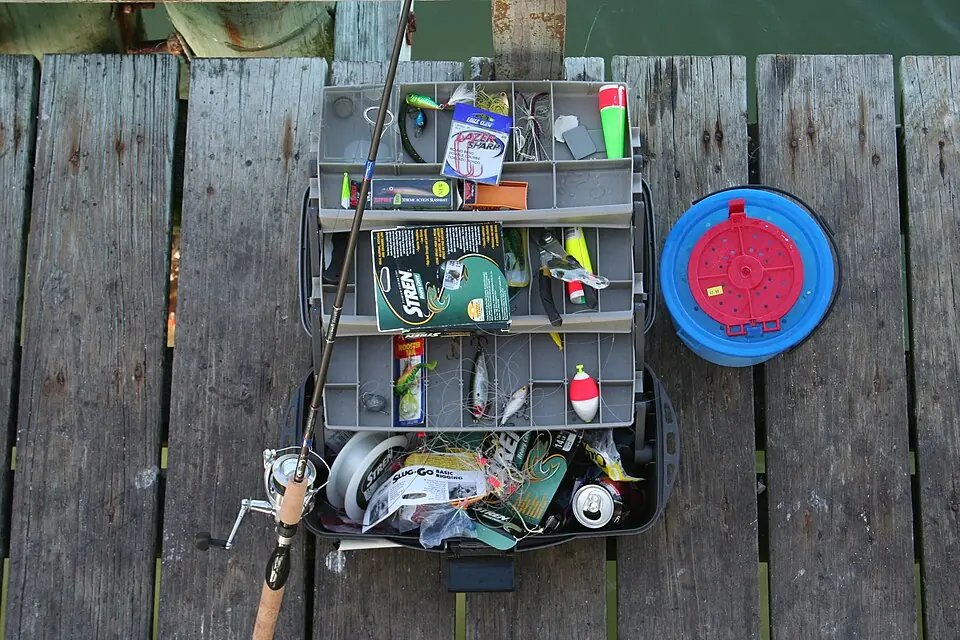
Carry an outfit you can control in company
A 7-foot medium-heavy spinning rod, 4000 reel, 20 lb braid and 30 lb leader are a sensible moderate pier setup. Use only enough lead for the current and stay within the rod's rating. A landing net or pier-landing arrangement matters if the fish cannot be reached from the water's edge.
For sandy beach bait fishing, an 8-9-foot rod with 15 lb mono and a 25 lb leader is easier to use. Pack small shrimp baits and a few compact rigs. Avoid targeting outsized fish with equipment intended for whiting.
Give wildlife and bathers room
Pelicans can be quick to approach bait and hooked fish. Stop casting when one moves into the line's path. Never feed birds scraps. Keep hooks out of swimming areas, even when they look quiet, and leave protected dunes and nesting zones untouched.
A compact packing list
| Pack | Starting choice |
|---|---|
| Rod and reel | 7-foot medium to medium-heavy rod; 3000-4000 reel |
| Main line / leader | 15-20 lb braid; 25-30 lb abrasion-resistant leader |
| First bait | Small shrimp on a hook with an exposed point |
| Landing tool | Suitable net or facility-approved landing assistance |
Fish to recognize
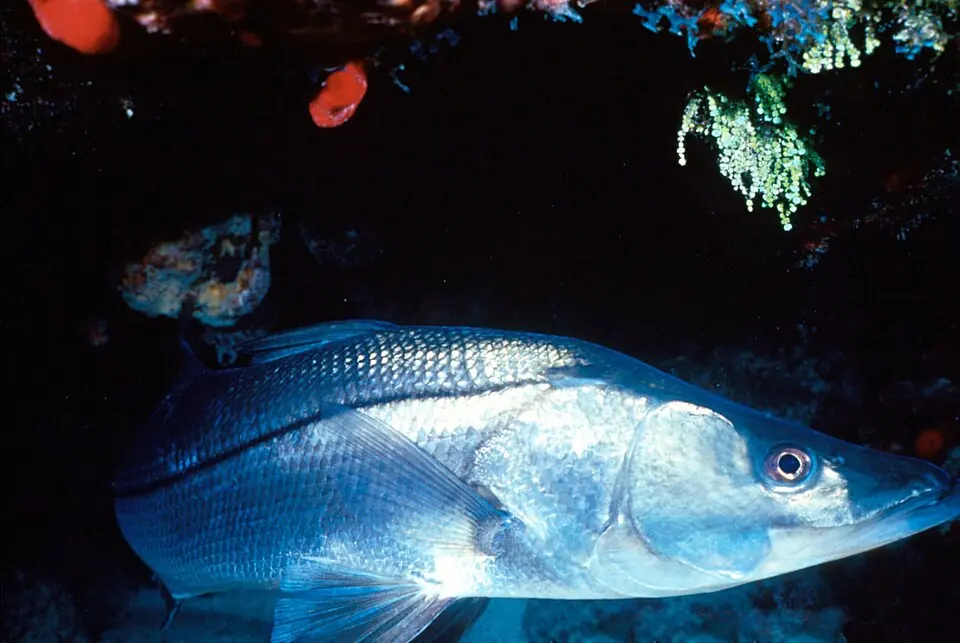
These references help identify possible targets in the habitats discussed above. They do not document catches at this beach or guarantee that a fish is present on your visit.

Plan another nearby fishing stop
- St. Pete Beach Fishing: Surf, Snook and Pier Choices
- Fort De Soto North Beach Fishing: Where to Set Up
- Gulfport Beach Fishing: Start with Williams Pier
Access research checked September 24, 2026, using Pinellas County. Recheck closures and posted rules before traveling. Confirm your fishing license and current species-specific harvest rules with FWC before keeping fish.