

Sand Key Park sits beside Clearwater Pass, but a fishing visit should not begin with a cast into the channel. The park's swimming beach, protected areas and pass-side water need different treatment. Start by confirming the current permitted fishing area.
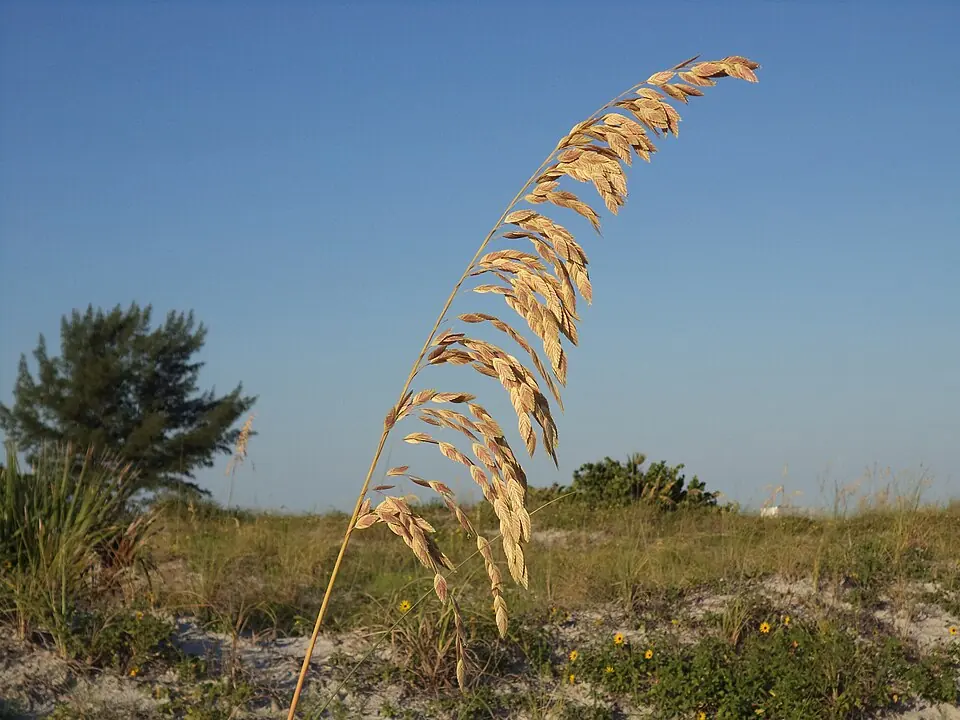
Featured image: Beach at Sand Key Park near Clearwater. Photograph dated 2004. Current access may differ. Credit: No machine-readable author provided. Drdisque assumed (based on copyright claims).. CC BY 2.5. Image source. Resized and converted to WebP.
Keep the swim beach out of the fishing plan
Pinellas County manages Sand Key as a beach park. Fishing is prohibited in county beach areas where bathing and swimming are permitted. Check the signs and ask staff where fishing is currently allowed. A quiet marked swimming zone does not become a casting area at dawn.
Historic directories may list small fishing piers that are no longer usable. Confirm any structure you intend to use. Stay off closed facilities and avoid climbing onto wet or unstable rock to reach a better-looking patch of water.
Read the pass from a safe position
Current near Clearwater Pass can move bait and fish, but it also moves rigs toward boats and obstructions. Choose a manageable edge with a safe retrieve. Do not cast across the navigation route or wade toward the deeper channel.
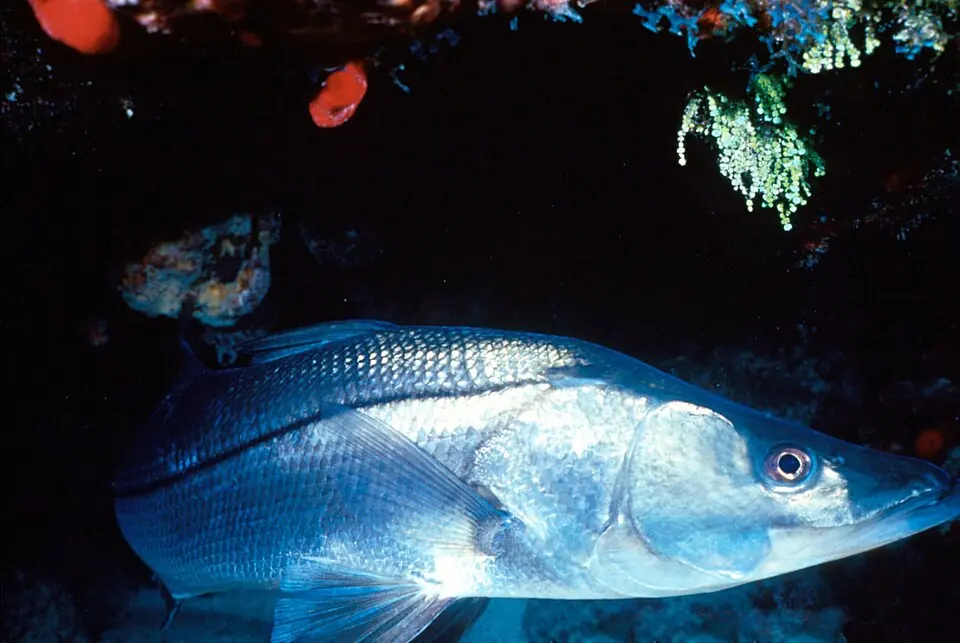
Sheepshead and mangrove snapper may use suitable structure. Shrimp on a small hook is a useful starting bait. Snook can be a possibility along appropriate edges, but they need a current rules check and tackle suited to the cover.
Use enough leader for rough ground
A 7-foot medium-heavy spinning rod, 4000 reel and 20 lb braid give reasonable control for moderate inshore work. Start with a 30 lb leader and inspect it after scraping rock or shell. Use only enough weight to hold a controlled presentation within the rod's rating.
For a separately confirmed sandy fishing area, lighter surf tackle and small shrimp baits may suit whiting or seasonal pompano. Do not apply that advice to the marked swimming beach. A landing net can be more useful than a longer rod when fishing from a permitted raised edge.
Choose the calmer plan when necessary
If current, wind or closures leave no safe fishing spot, Pier 60's managed fishing operation is another option to check. Sand Key can still be a beach visit. Avoid making the trip depend on reaching one old map pin beside the pass regardless of conditions.
A compact packing list
| Pack | Starting choice |
|---|---|
| Rod and reel | 7-foot medium to medium-heavy rod; 3000-4000 reel |
| Main line / leader | 15-20 lb braid; 25-30 lb abrasion-resistant leader |
| First bait | Small shrimp on a hook with an exposed point |
| Landing tool | Suitable net or facility-approved landing assistance |
Fish to recognize
These references help identify possible targets in the habitats discussed above. They do not document catches at this beach or guarantee that a fish is present on your visit.

Plan another nearby fishing stop
- Clearwater Beach Fishing: Pier 60 and Shore Choices
- Belleair Beach Fishing: Access, Surf Baits and Space
- Mandalay Park Fishing: Clearwater Beach Access Guide
Access research checked September 24, 2026, using Pinellas County. Recheck closures and posted rules before traveling. Confirm your fishing license and current species-specific harvest rules with FWC before keeping fish.