
FLORIDA KEYS & EVERGLADES
Tavernier
fishing guide
Plan from Harry Harris Park, keep swimming areas separate and learn small-bait presentations around permitted mangrove cover.
Explore the guide ↓Start with the kind of water you can reach
Tavernier offers access to Upper Keys fishing, but its public shoreline is not an endless row of fishing platforms. Residential canals, marinas, swimming areas and protected water all have different limits. Choose a real launch or permitted shore position before selecting the fish.
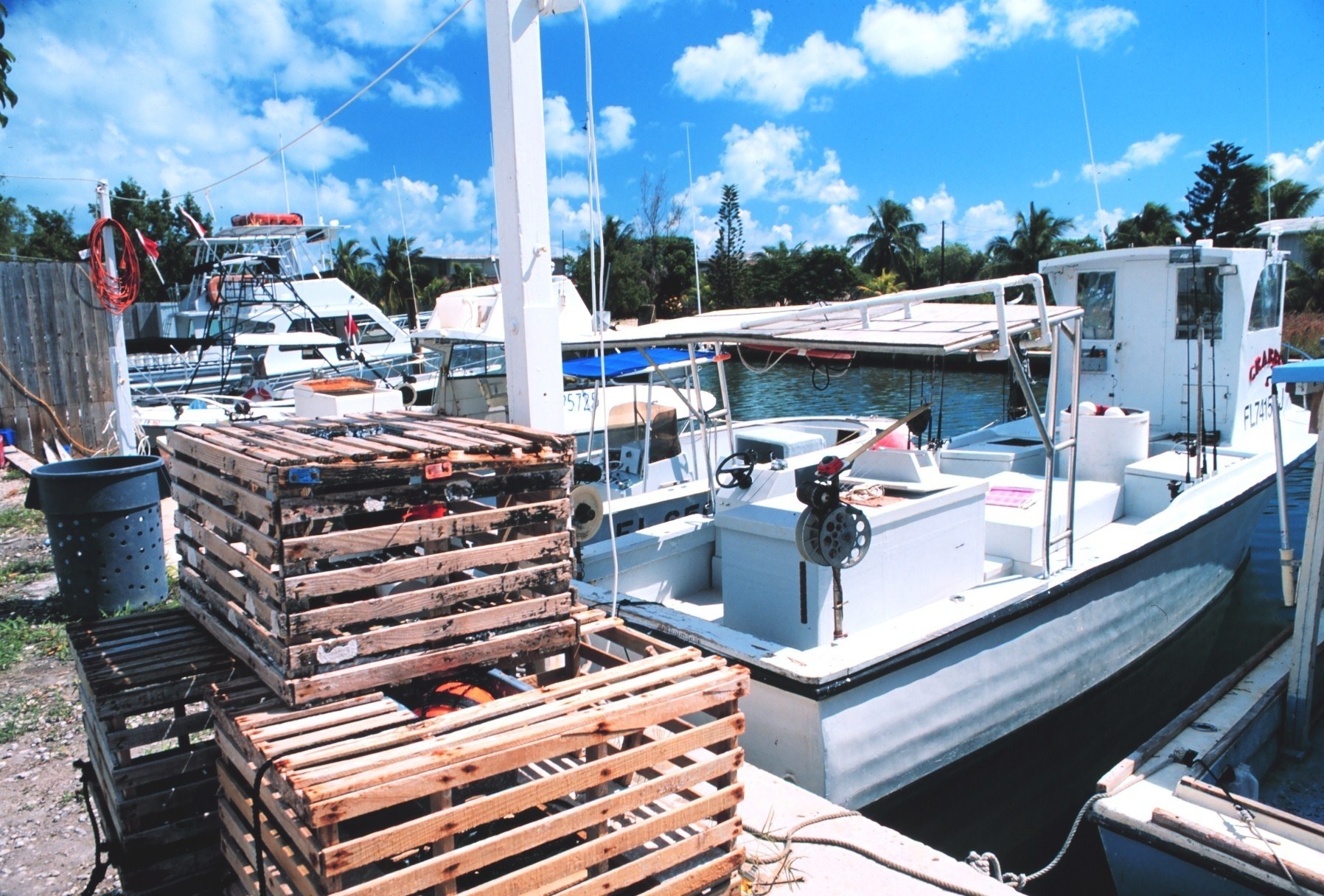
The Atlantic side gives boaters access toward channels and legal reef habitat. Sheltered mangrove settings support another approach, with smaller baits and controlled casts near cover. The image of working crab boats reflects the area’s marine character, not a public invitation to fish from commercial docks.
A productive first visit can be small. Learn the launch, one safe route and one habitat feature. The goal is to spend time presenting a bait well rather than traveling between places whose access is uncertain.
Harry Harris Park: useful access with clear limits
Harry Harris Park is at 50 Beach Road in Tavernier. The county describes a concrete double boat ramp separated by a finger pier, with access to the Atlantic side. Trailer parking is limited and works on a first-come basis.
Fees differ with residency and the day, including weekend and holiday arrangements. Check the current county schedule before towing a boat. Arriving with the right payment and a realistic parking plan avoids a frustrating start.
The park also serves swimming and family recreation. Do not treat its protected swimming lagoon as fishing water. Use only a clearly permitted fishing position and keep hooks away from swimmers and boarding areas.
A ramp opening does not mean offshore conditions are suitable. Check the marine forecast before leaving sheltered water. If a strong wind makes the intended route uncomfortable, change the outing rather than trying to justify it because the boat is already launched.
Mangrove roots create small places to feed
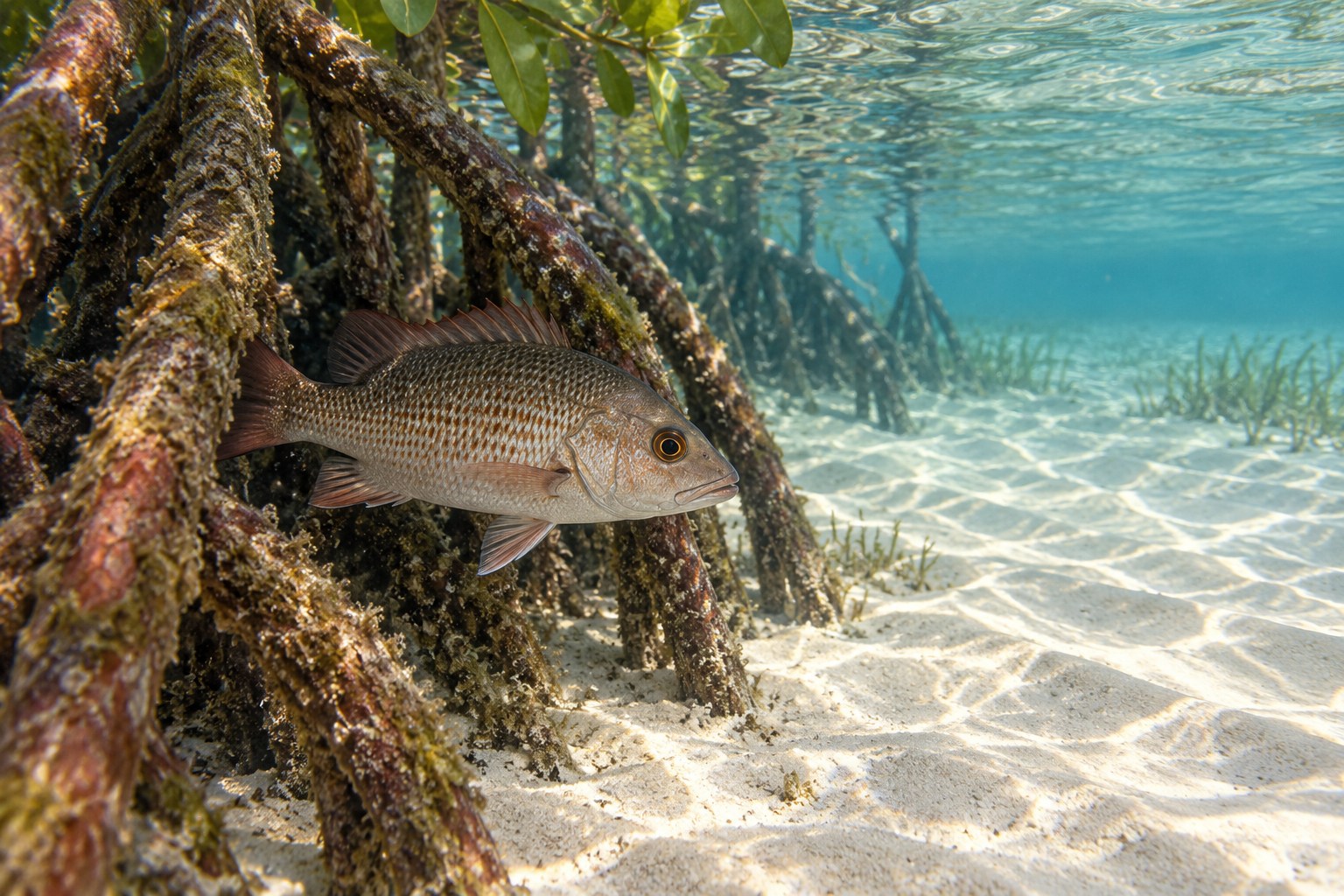
Mangrove snapper can use roots and other cover beside deeper water. Small prey gathers there, and a fish can remain close to shelter. A bait placed just outside the cover may be more useful than one dropped deep into an impossible tangle.
Keep a little distance and make a controlled cast. Let the bait settle toward the edge while maintaining light contact. Quick taps often mean a fish is testing or removing the bait.
Use a smaller piece if repeated bites leave the hook bare. A large loose bait can feed small fish without giving you a clean opportunity. Check the leader whenever it rubs against roots or rough structure.
Targets for different Tavernier outings
| Target | Habitat | Practical first choice | What must be checked |
|---|---|---|---|
| Mangrove snapper | Legal roots or structure near depth | Small shrimp or cut bait | Access and accurate species identification |
| Bonefish | Suitable shallow flats outside closed areas | Quiet shrimp-style presentation | Depth, route and a careful release plan |
| Barracuda | Clear channels and flat edges | Purposeful lure and bite-resistant leader | Enough tackle and space to handle the fish safely |
| Yellowtail snapper | Permitted reef water reached by boat | Current-matched bait presentation | Sanctuary zone, sea state and harvest rules |
| Jack crevalle | Moving bait along a channel | Small spoon or swimming lure | Room to follow the fish without entering traffic |
Seeing a fish does not mean it is the right target for your outfit. Choose a manageable species and leave difficult incidental opportunities alone.
Build a simple snapper presentation
A medium-light or medium spinning outfit can handle modest inshore snapper fishing when matched to the cover. Use a leader that tolerates some abrasion without making the bait awkward. The exact strength depends on structure and fish size.
Add only enough weight to reach the feeding depth. Too much weight can pin the bait into rough bottom. Too little may leave it drifting above fish that are holding close to the roots.
Keep the hook point clear and the bait compact. If you are using a circle hook, use steady pressure as the fish takes the bait rather than a violent sweeping strike. Match the hook to both the bait and applicable rules.
Have pliers ready and keep the landing area clear. Small snapper still have sharp spines and teeth. Wet hands and deliberate handling make release easier for both angler and fish.
Know the sanctuary before choosing a reef
Nearby reef names appear frequently in fishing and snorkeling discussions, but some areas have restrictions that prohibit fishing. Use the current Florida Keys National Marine Sanctuary maps for the exact place you intend to visit.
Do not infer permission from another boat fishing nearby. A position just outside a boundary can look close to one inside it. Keep a reliable position reference and know the allowed activity before deploying gear.
Avoid anchoring on living coral or dragging tackle across it. Where fishing is lawful, choose a position that protects habitat and leaves room for safe boat handling. A reef trip requires more preparation than carrying a shore rig onto a small boat.
Let wind decide whether the Atlantic is reasonable
The water immediately beside a ramp may look calm while exposed water farther out is rough. Read the marine forecast for the route, not just the temperature and chance of rain.
Strong wind against current can create uncomfortable conditions at channels and open crossings. If the crew is inexperienced or the boat is small, keep the route conservative. A closer permitted fishing area may be the better day’s choice.
Use the weather and tide planner before departure and watch conditions while fishing. Leave enough time to return before storms or stronger afternoon wind reach the route.
Seasonal ways to narrow the plan
Cooler months can bring strong fronts that limit open-water days. Sheltered structure fishing may be more practical when conditions allow safe access. Slow the bait presentation if fish seem reluctant to move far.
Spring offers warming flats and increased activity in many connected habitats. Clear water can make sight fishing appealing, but wind and glare still control how well you can see. Choose a position where observation is possible.
In summer, plan an early finish for heat and thunderstorms. Carry enough water for everyone and keep bait shaded. A bait that has become soft and damaged in the heat is less useful than a fresh small piece.
Fall weather can change quickly around tropical systems and passing fronts. Check local notices as well as forecasts. An older trip report does not establish current ramp or water conditions.
If you do not have a boat
Confirm a designated fishing location before packing for a full day. Much of the visible Upper Keys waterfront is private or managed for another activity. A roadside opening or commercial dock should not become an improvised fishing spot.
Ask the managing park staff about current permitted fishing areas and landing conditions. If the available position is high above the water, bring appropriate landing equipment or choose a smaller target.
Do not cast across a launch lane because it is the only clear gap. Boats need that space, and a line across the lane creates a problem for everyone. A shorter lawful session is preferable to an uncertain position.
Use one hour to learn one piece of cover
Start by watching how current passes the structure. Place a small bait on the near edge, then compare a slightly deeper position. Keep the bait fresh and note where bites occur.
If small fish remove the bait repeatedly, reduce its size and shorten the distance between observation and response. If nothing touches it, change depth or move to another permitted feature rather than adding a larger pile of bait.
Record the tide direction and approximate water clarity. Those details help explain the result when you return. A successful visit can include learning that a particular position only works during gentler current.
Identify the catch before making a harvest decision
Check the FWC rules for recreational saltwater fishing. Several snapper species can occur in the Keys, and their rules are not necessarily identical.
Use a fish identification reference and measuring tool. Release uncertain catches carefully. Keep fish away from dry surfaces and remove hooks efficiently, with tools already accessible.
Know when a different target is the right adjustment
If clear-water fish repeatedly inspect and refuse a lure, first check approach and presentation. If the weather prevents seeing the flat at all, changing to a lawful structure-based snapper session may be more productive than buying another lure color. That change still requires suitable access and a safe route. Prepare a small alternative bait rig before departure so the adjustment is simple. Keep the plan within the same comfortable travel area rather than using a slow morning as a reason to run farther offshore. A good fallback gives the day another purpose without adding an unplanned weather or navigation problem.
Tavernier questions
Is Harry Harris a launch toward the Atlantic?
Yes. The county describes Atlantic access from its double ramp. Evaluate the route’s sea conditions before leaving shelter.
Can I fish in the swimming lagoon?
Do not plan on using the swimming area for fishing. Check current signs and ask staff for a permitted position.
Does the crab-boat photograph identify a public dock?
No. It illustrates the local marine setting and does not establish access rights.
Where are the official references?
The Tavernier access and image notes record the county and sanctuary sources.