
SPACE / TREASURE COAST
Melbourne Beach
fishing guide
Melbourne Beach fishing guide with Ryckman Pier, Sixth Avenue ramp repair restrictions, lagoon methods and separate Atlantic surf tactics.
Explore the guide ↓Choose a lagoon pier or an ocean trough
Melbourne Beach has a useful contrast for anglers: the Indian River Lagoon on one side and Atlantic surf on the other. A river pier offers structure and estuary water, while the beach calls for a bait placed in a sandy lane.
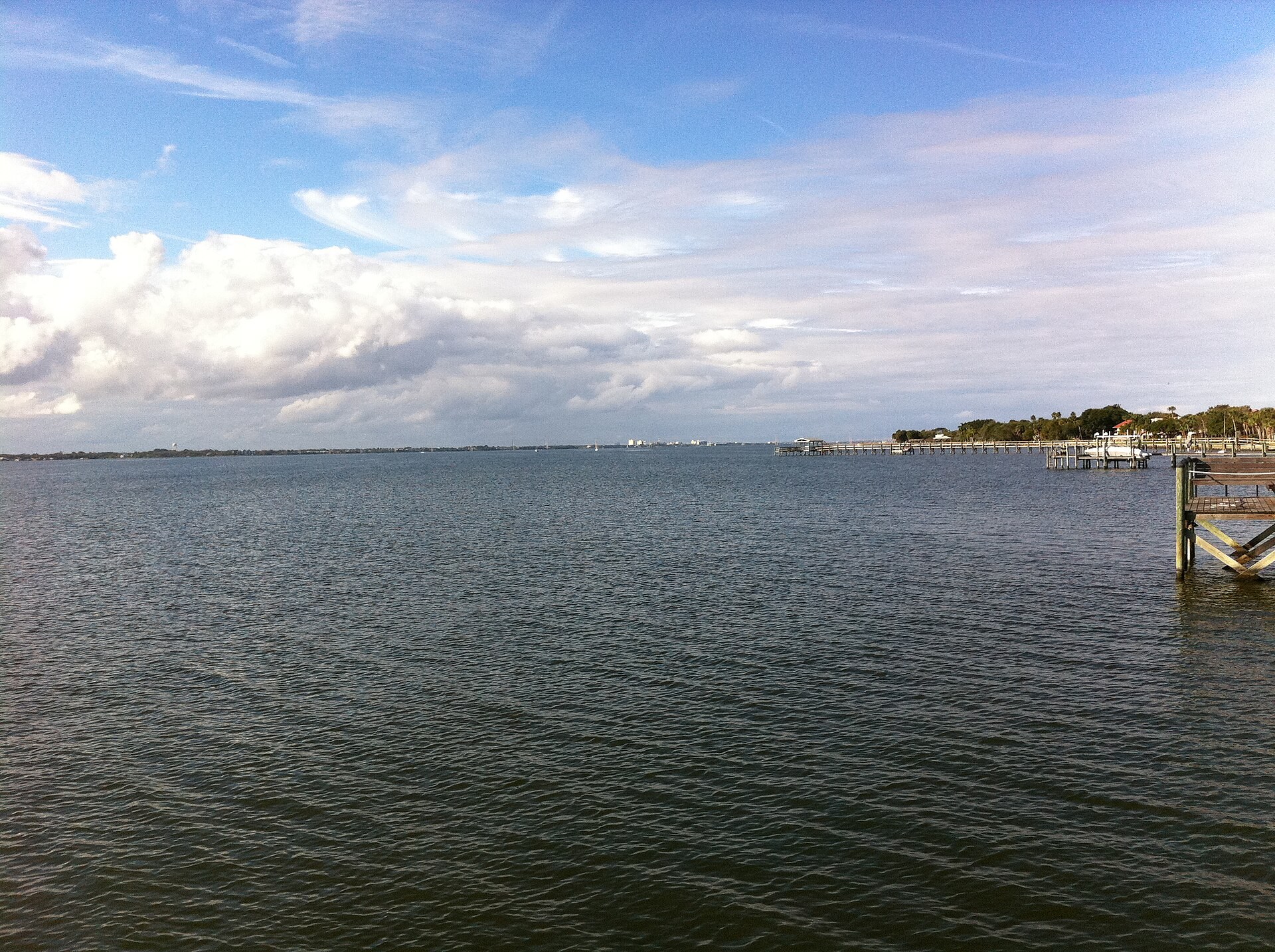
The photograph in this guide shows the river side. It should not be mistaken for an ocean fishing pier. That distinction helps set realistic expectations before arriving with tackle.
Whiting and pompano are practical ocean targets. Snook, trout, redfish and other estuary fish are possibilities where suitable lagoon habitat is legally reachable. Select one setting for the first session rather than carrying every type of equipment across town.
Use Ryckman Park for the river setting
Ryckman Park lies by the town complex on Ocean Avenue and provides access to the Melbourne Beach Pier on the Indian River Lagoon. The official tourism office describes fishing from that pier. Check current town notices and the posted rules before using it.
The town’s facility information lists overnight restrictions for nearby restrooms and parking. Do not assume an evening fishing plan includes all-day facilities or unrestricted overnight parking. Read the current signs for the exact area used.
Walk the pier first and inspect available space, current and the height above water. Keep a path open for visitors enjoying the view. A compact tackle bag and one controlled rod are easier to manage than equipment spread along the rail.
Decide how a fish can be landed safely. A suitable net is preferable to lifting a heavy catch by its line or leaning dangerously over a railing.
The Sixth Avenue ramp has a repair restriction
A town notice published in September 2026 states that the Sixth Avenue boat ramp is closed on weekdays during repairs and open on weekends for public use. That restriction was still displayed at the October review.
Confirm the latest status before towing a boat. A map pin or older launch description may not reflect the repair schedule. Follow barriers and keep away from cordoned work areas.
Even when the ramp is open, launching permission does not make it a place to leave fishing lines across the approach. Clear the ramp promptly and use a lawful fishing position after launch.
Do not assume the river pier and boat ramp share the same hours, parking or rules. They serve different purposes.
Work the shadow and edge of structure
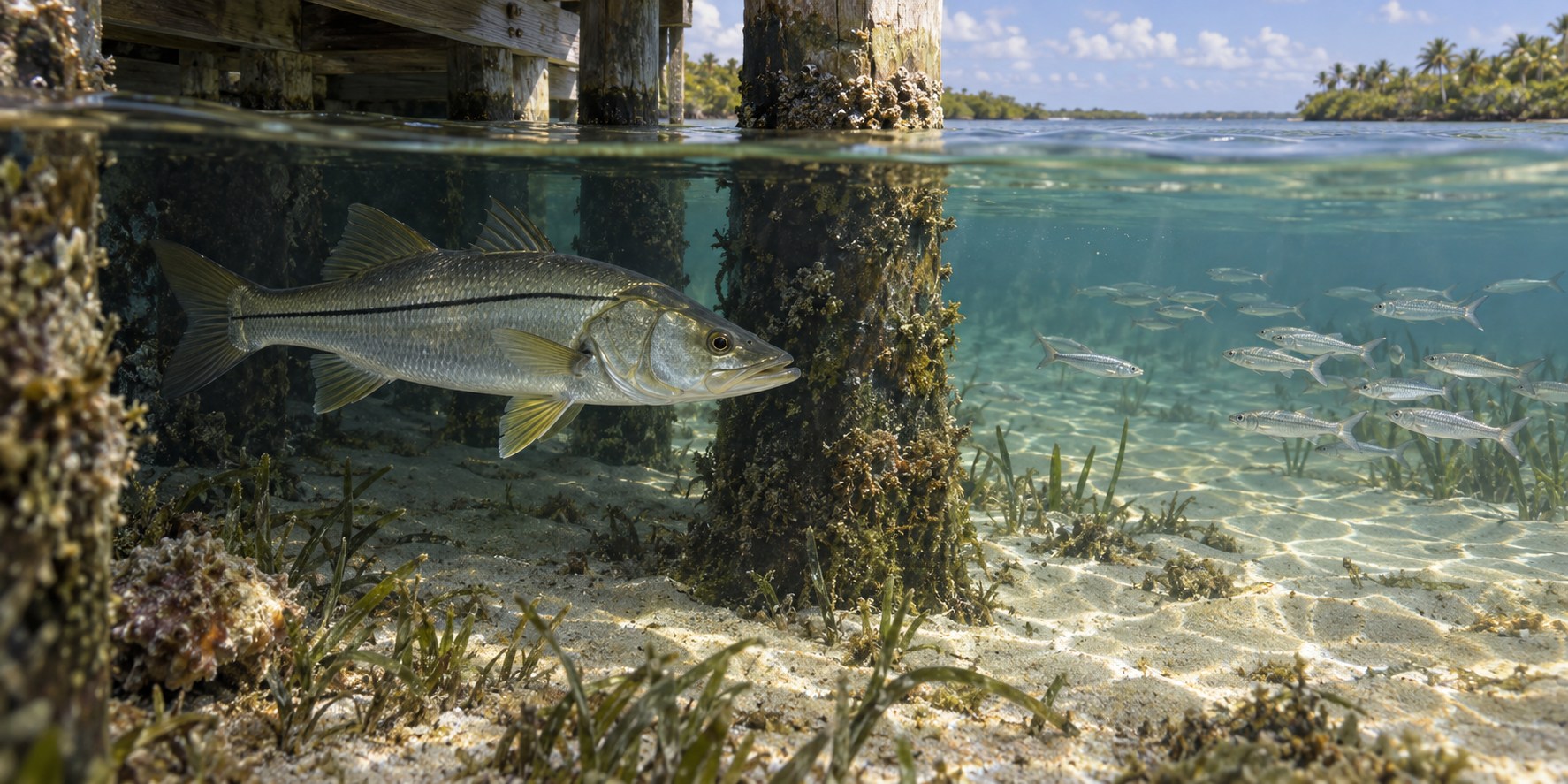
Snook may use structure and nearby depth to feed while remaining close to cover. From a permitted public position, look for a lane beside the pilings rather than casting deep between them. A bait must be recoverable as well as attractive.
A swimming lure or live bait can be presented along the open edge. Keep the line from rubbing against supports and use leader appropriate for abrasion. If the current pulls the rig into cover, shorten the drift.
Apply steady pressure when a fish moves toward structure. Avoid an uncontrolled hard pull that can break tackle or send a lure back toward the platform. Match the outfit to the fish and the available landing route.
This habitat advice does not authorize fishing from private docks. Stay within public access or use a legally operated craft without trespassing on waterfront property.
Search nearby open water for trout
Spotted seatrout can feed outside the tightest cover where small prey gathers. A light soft plastic lets you test a reachable depth edge. Start with a steady retrieve and adjust the speed according to the lure’s depth.
Live shrimp beneath a float can remain above bottom clutter. Set the hanging distance for the water in front of you rather than using a fixed setting from another trip. Retrieve before the drift reaches a snag or another angler.
Watch the baitfish and current. A subtle movement along an edge can be a better clue than a distant splash. If the first lane is quiet, explore another angle before changing every lure in the box.
Handle trout gently with wet hands and body support. Their delicate mouths also benefit from controlled pressure during the fight.
Use an open beach crossing for surf fishing
Choose a public ocean access that is open and suitable for the group. The broader Melbourne Beach area includes county beach parks such as Spessard Holland South, whose listing specifically includes surf fishing. Check the exact park’s current facilities and boundaries.
Study the first bar and the trough inside it. Begin with a small shrimp bait at moderate distance for whiting. Long casts are optional when fish are feeding close to shore.
Pompano may respond to a compact bait held above the sand. Try sand fleas where collection is permitted, or small shrimp pieces and suitable prepared bait. Leave the hook tip exposed rather than buried beneath a lump of bait.
Stay away from swimmers and preserve a clear casting lane. Use designated dune crossings and avoid entering marked wildlife areas.
Match the tackle to the side of town
| Setting | Presentation | Main adjustment |
|---|---|---|
| River structure | Live bait or lure beside a piling edge | Control drift and protect leader from abrasion |
| Open lagoon lane | Swimming plastic or suspended shrimp | Keep it above bottom clutter |
| Atlantic inside trough | Small shrimp bait near sand | Repeat the distance that receives bites |
| Clean surf for pompano | Compact dropper rig | Check bait position and weed buildup |
A simple outfit chosen for one setting is usually more manageable than trying to make a heavy surf rig serve as a light lagoon presentation.
River shelter is only part of the weather picture
A wind that makes the ocean rough may leave some riverfront positions calmer, but open lagoon water can still be demanding. A small-craft route needs a separate forecast assessment and a safe return plan.
Wear a life jacket and carry reachable communication equipment when boating or paddling. Watch for wakes and give other vessels room. Do not continue fishing while a wake requires attention to control.
On shore, summer heat and lightning can shorten either kind of visit. Keep water handy and pack up before a storm reaches the area. A pier or open beach is not suitable shelter.
Review the local weather and water conditions before choosing the side of town. The ocean tide does not describe every current pattern within the lagoon.
A practical way to spend the first few hours
Begin with one confirmed access and inspect it before unloading all the gear. At the river, note the drift and landing height. At the beach, note the trough and the space available around other users.
Make several consistent presentations and check the bait or lure after each. Record where a bite occurs. A measured adjustment to depth or distance teaches more than a rapid move to another location.
Take a break if conditions change or the area becomes crowded. The nearby Indialantic guide offers another ocean-access comparison, but its observation pier should not be assumed to have the same fishing arrangement as Melbourne Beach’s pier.
Allow enough time to leave under the posted parking and facility rules. The final part of a successful outing is an unhurried cleanup.
Check the fish, then the rule
Identify and measure a catch before retaining it. Use FWC’s current saltwater fishing requirements for licensing, seasons and harvest information. Snook and other species can have rules that differ from a visitor’s home area.
Keep dehooking tools ready, support released fish properly and avoid prolonged handling. Store a legal retained catch cold, with bait kept separate.
Remove clipped line and sharp tackle from the pier or sand. Do not leave scraps where they draw birds into the fishing lane. A clean position is safer for both wildlife and the next angler.
Use the first drift to learn the pier lane
Lower or cast a simple presentation into a clear area and watch its path before extending the reach. The line angle reveals whether the bait is staying near the chosen depth or moving toward a support. Retrieve before the route becomes a snag.
Keep that observation separate from tide-table expectations. Wind and the local shape of the lagoon can influence what happens beside the pier. A prediction for nearby ocean water does not describe every movement in the river.
On a return visit, begin with the same short inspection rather than assuming the previous drift will repeat. A few careful minutes can prevent both tackle loss and crossed lines.
Put the plan into practice
Keep a pier bait within a route you can retrieve without scraping a support. A short controlled drop can teach more about that route than a long exploratory cast.
Melbourne Beach fishing questions
Is Melbourne Beach Pier on the ocean?
No. It reaches the Indian River Lagoon from the Ryckman Park area.
Can I use Sixth Avenue boat ramp on a weekday?
The September 2026 notice, still displayed at review, closed it on weekdays during repairs. Confirm a current change before planning a launch.
What should I try beside river structure?
A controlled live bait or swimming lure along the open edge can be useful. Keep it from wrapping around pilings.
What is a simple beach target?
Whiting in the nearshore trough are a practical starting point with a small shrimp bait.