
SPACE / TREASURE COAST
Treasure Shores Beach
fishing guide
Treasure Shores fishing guide with unguarded-beach planning, bluefish lures, small surf baits, park access and wildlife considerations.
Explore the guide ↓Bring a surf plan to a natural beach setting
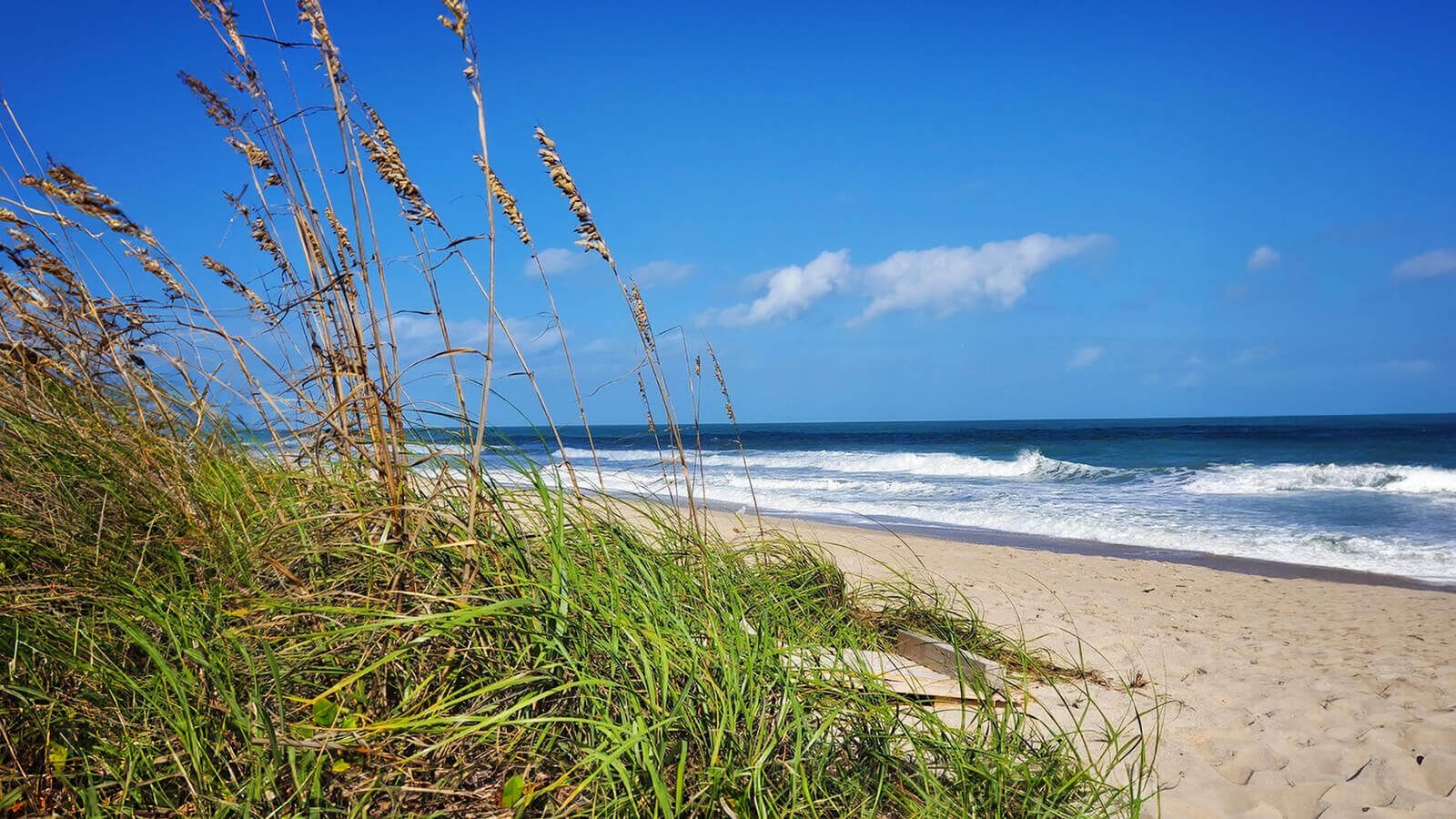
Treasure Shores Park offers Atlantic access north of Wabasso, with a natural coastal setting and space to study the surf. It suits a focused visit built around small bottom baits and careful observation of the sandbars.
Whiting and pompano are practical possibilities in the sandy water. Bluefish may arrive when small bait moves along the shore. Those moving predators can make a brief appearance, so the main plan should work even without a visible feeding chase.
The beach is unguarded. That makes a conservative shore-based approach especially important. Do not enter unfamiliar surf to extend the cast.
Use the county entrance and published schedule
Indian River County lists Treasure Shores Park at 11300 Highway A1A, with hours of 7 a.m. to sunset. The park has parking, restrooms, outdoor showers, picnic tables, a playground and an accessible dune crossing.
Check current signs for temporary changes and use the designated route to the beach. A listed accessible crossing does not guarantee that every section of sand beyond it is easy to travel. Confirm a particular mobility need before the visit.
The county identifies this beach as unguarded and provides a beach-condition hotline at 772-226-3384. Park facilities should not be mistaken for lifeguard coverage.
Pack enough drinking water and a manageable tackle load. A shorter carry is helpful when the group needs to leave quickly because of weather or changing surf.
Recognize a brief bluefish opportunity
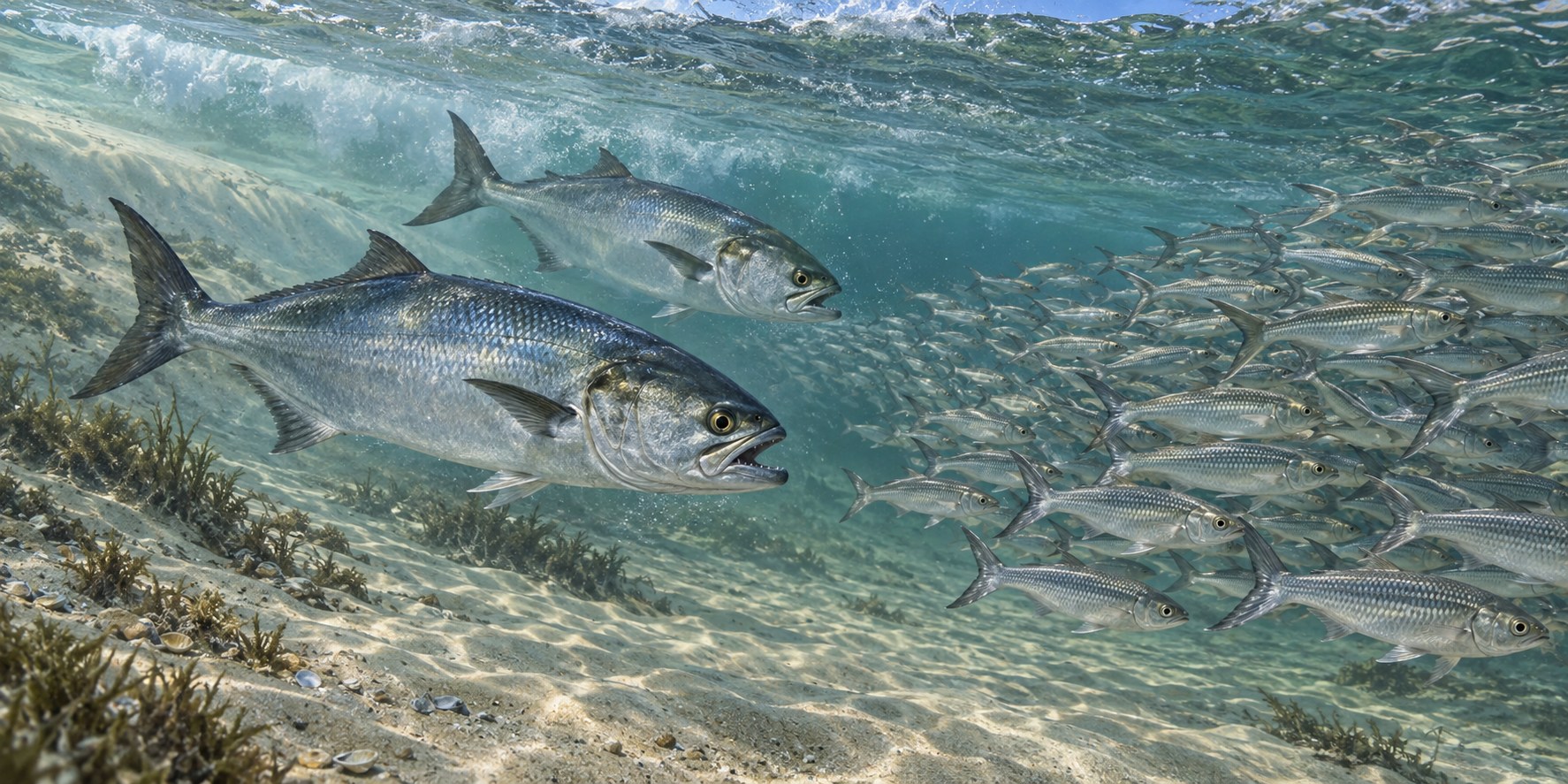
A sudden scatter of small fish can signal predators moving through a lane. Watch for repeated activity rather than reacting to one unexplained splash. A compact lure is useful only when the casting area is clear of people and birds.
Bluefish respond to moving prey, so a spoon or metal lure retrieved with purpose can be a sensible test. Vary the pace slightly if fish follow without striking. Keep the lure in the active layer instead of letting it fall out of the action.
Use a leader suitable for teeth and inspect it after a hit. Keep pliers ready and avoid fingers near the mouth. A fish lost before landing may still have damaged the connection.
When the school moves beyond reach, return to the small-bait plan. Do not wade farther into an unguarded beach simply to follow it.
Find a repeatable bottom-fishing lane
Watch the waves break over a shallow bar. The strip inside that bar may be a trough where fish can travel alongshore. Try a moderate cast into it and observe the rig’s movement.
A useful lane lets the bait remain available without sweeping rapidly sideways. Some movement is acceptable, but control is essential. Retrieve before the line reaches another visitor’s space.
Look for changes over several wave sets rather than a single moment. A calm-looking gap may carry outward flow. Stay on dry sand and avoid using the gap as a place to enter the water.
Sand shifts after storms and through changing tides. A previous successful distance is a starting clue, not a permanent coordinate.
Keep the shrimp bait short
Whiting can feed close to shore on small items uncovered by waves. A short shrimp piece on a small hook is enough to begin. Leave the point exposed and avoid making the bait larger than the target can take cleanly.
Check after light taps. Small fish may remove soft bait without a strong bend in the rod. A slightly firmer piece or shorter interval between checks can help.
Repeat a productive cast before making another change. If the bite came from the inside lane, do not automatically send the next bait beyond it. Consistency reveals whether the lane is still active.
Keep spare bait chilled and protected from blowing sand. Clean bait is easier to attach and less likely to become a messy distraction during the session.
Test pompano bait without complicating the rig
A compact dropper rig can hold bait above the sand. Shrimp, appropriate prepared bait and sand fleas where collection is permitted provide options. Begin with a small comparison rather than a long list of combinations.
Retrieve the first casts to check for tangles. A rig twisted around itself is not giving the bait a fair presentation. Smooth casting and proportionate bait size help reduce that problem.
If the water is clear and the trough defined, try another distance after a quiet period. Pompano can travel through a stretch instead of remaining directly in front of one rod.
Remove weed promptly. It adds drag, hides bites and can pull the rig out of the intended lane.
Choose the response that fits the evidence
| Evidence | Useful response | Why it helps |
|---|---|---|
| Small repeated taps | Inspect bait and hook exposure | Fish may be taking the loose end |
| Predators chasing bait | Use a compact lure in a safe lane | A moving presentation can match the activity |
| Rig sweeping downshore | Retrieve and change weight or position | Control is needed before the bait can work |
| No response at one distance | Test another trough with a similar setup | The feeding route may be elsewhere |
| Heavy waves or approaching thunder | End the fishing attempt | The available window is no longer suitable |
Changing one factor at a time keeps the session educational. Even a slow day can teach where the bait remained clean and controllable.
Stay conservative without lifeguards
Fish from a position with stable footing and a clear route back. Avoid wading into channels, rough shore break or water whose depth you cannot judge. A fishing outfit does not provide protection from current.
Keep children close and separate their play area from hooks and line. Explain the casting zone before baiting up. Secure the hook whenever a rod is carried along the beach.
Tell someone the planned destination if visiting a quiet stretch alone. Carry a charged phone and leave a margin before closing. Do not rely on another visitor being nearby if conditions change.
Use proper shelter when thunder approaches. A picnic covering is not a substitute for a safe enclosed place during lightning.
Respect the protected coastal setting
Treasure Shores is an access point within the broader Archie Carr coastal landscape, known for important sea-turtle habitat. Follow nesting barriers and leave wildlife undisturbed.
Stay on the crossover and keep carts out of dune plants. Remove equipment and fill any small holes created for gear before leaving, consistent with posted beach rules.
Keep bait waste contained so birds do not gather around the line. If birds settle in the casting lane, wait or move. Do not throw a lure through them to reach bait activity.
For another nearby park with listed lifeguard coverage during staffed hours, compare Golden Sands Beach. It has its own access details and swimming areas.
Leave time to finish well
Check the weather and tide outlook before choosing the visit. A moderate window is more useful than forcing a trip during strong onshore wind.
Cooler months can offer comfortable fishing between fronts, while summer may favor an early short session. In either case, watch the actual water and sky throughout the outing.
Use FWC’s current saltwater requirements to verify licensing and harvest rules. Keep a ruler and pliers ready, and handle released fish briefly with wet hands and body support.
Pack before the closing deadline becomes urgent. Check the sand for line, hooks and wrappers, then note which lane and bait produced the most useful response.
Choose a rod for the rig you can control
A longer surf rod can help keep line above the shore break, but length alone does not determine suitable sinker weight. Read the rod’s casting rating and include the bait in the load. Use a smooth cast with a clear area behind and ahead.
For a small-lure backup, an outfit that handles the lure comfortably is preferable to forcing it through a heavy bottom-fishing setup. If carrying a second rod makes the walk cumbersome, leave the lure plan for another visit. A focused whiting or pompano session is enough for learning the beach.
Keep the reel out of sand and saltwater wash. After the trip, follow its maintenance guidance and let equipment dry before storage. Salt, grit and a hurried pack-up can cause problems that last longer than a single slow fishing day.
A simple outfit in good condition is easier to trust than a collection of gear whose limits are unfamiliar.
Put the plan into practice
Carry a small sealed container for damaged leaders and hooks. Loose tackle can disappear into pale sand, and collecting it immediately is easier than finding it during the final cleanup.
Treasure Shores fishing questions
Does Treasure Shores have lifeguards?
The county identifies it as an unguarded beach. Plan a conservative shore-based visit and check current conditions.
What facilities are listed?
The county lists restrooms, showers, parking, picnic tables, a playground and an accessible crossing. Confirm any temporary changes.
Should I bring a lure for bluefish?
A compact lure can be useful if bait is actively chased within safe reach. Keep a small-bait surf plan for periods without that activity.
When should I start packing?
Early enough to walk back, load the vehicle and leave before the park’s sunset closing time or sooner if weather worsens.