
SPACE / TREASURE COAST
Blind Creek Beach
fishing guide
Blind Creek Beach fishing guide explaining its clothing-optional setting, public access, surf targets, bait and respectful spacing.
Explore the guide ↓Understand the beach before choosing it
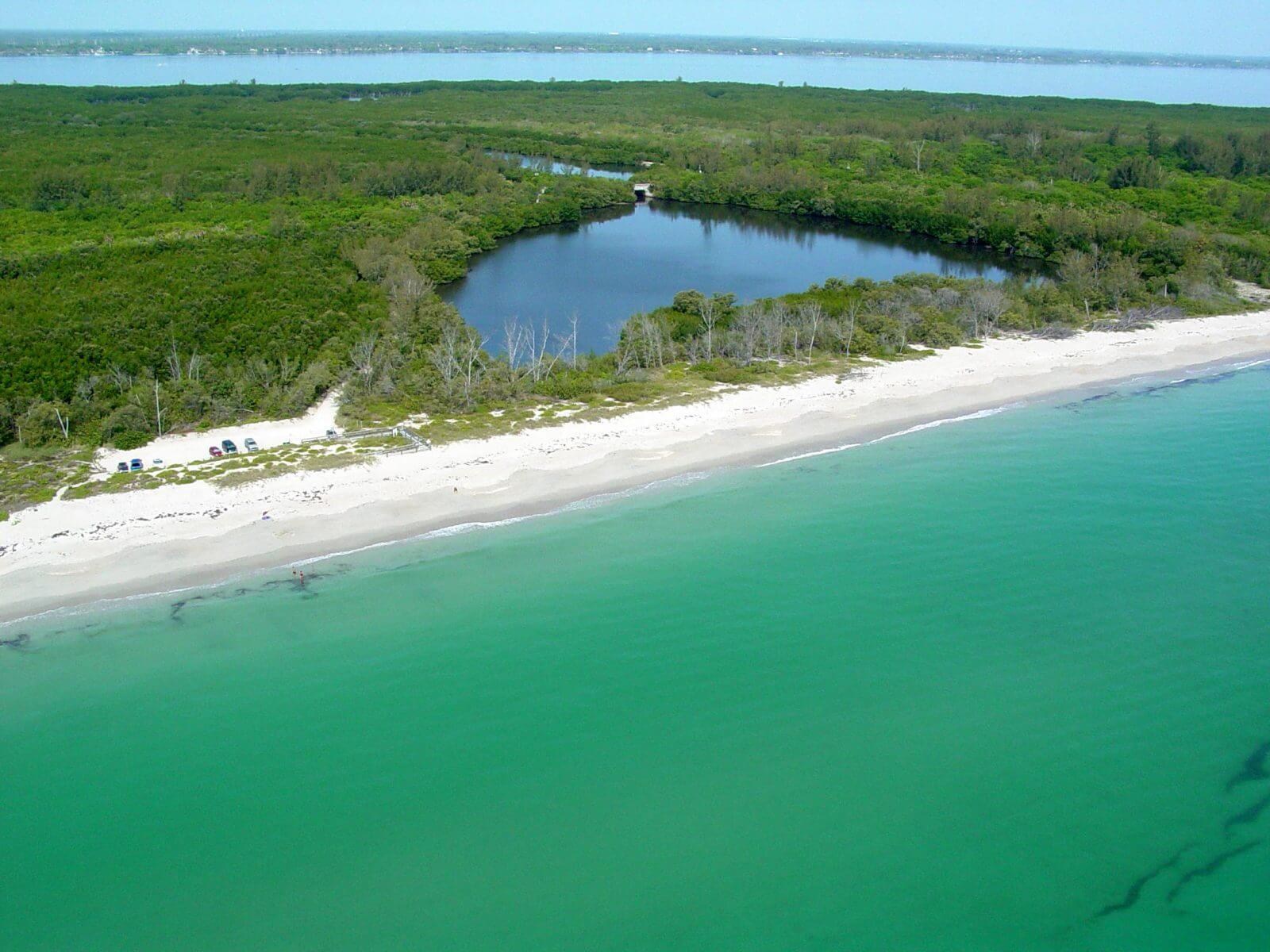
Blind Creek Beach on South Hutchinson Island is a designated clothing-optional beach. That is an important part of the visitor setting, especially for someone arriving with a family or expecting a conventional guarded beach park.
The fishing plan here is an Atlantic surf session from an appropriate open shore position. Choose a clear area away from people in the water and respect the privacy and space of all beach users.
Whiting and pompano are practical sandy-water targets. Snook may use suitable coastal water when prey and conditions align, but the main beginner plan should remain a controlled small-bait presentation.
Use the established public entrance
St. Lucie’s official visitor information lists Blind Creek Beach at 5460 South Ocean Drive. The listed park contact is 772-462-1522. Confirm current access, facilities and rules before traveling.
Use the designated route and do not cross dunes or protected vegetation to reach a quieter stretch. Keep gear compact enough to move if the available fishing space changes.
Do not assume the facilities match a developed beach park. Bring drinking water and the supplies needed for the outing, and verify any essential restroom or accessibility requirement in advance.
Clothing-optional use does not change fishing, wildlife or public-access rules. A respectful visit follows the same need for safe casting and clean surroundings.
Watch the nearshore lane for moving prey
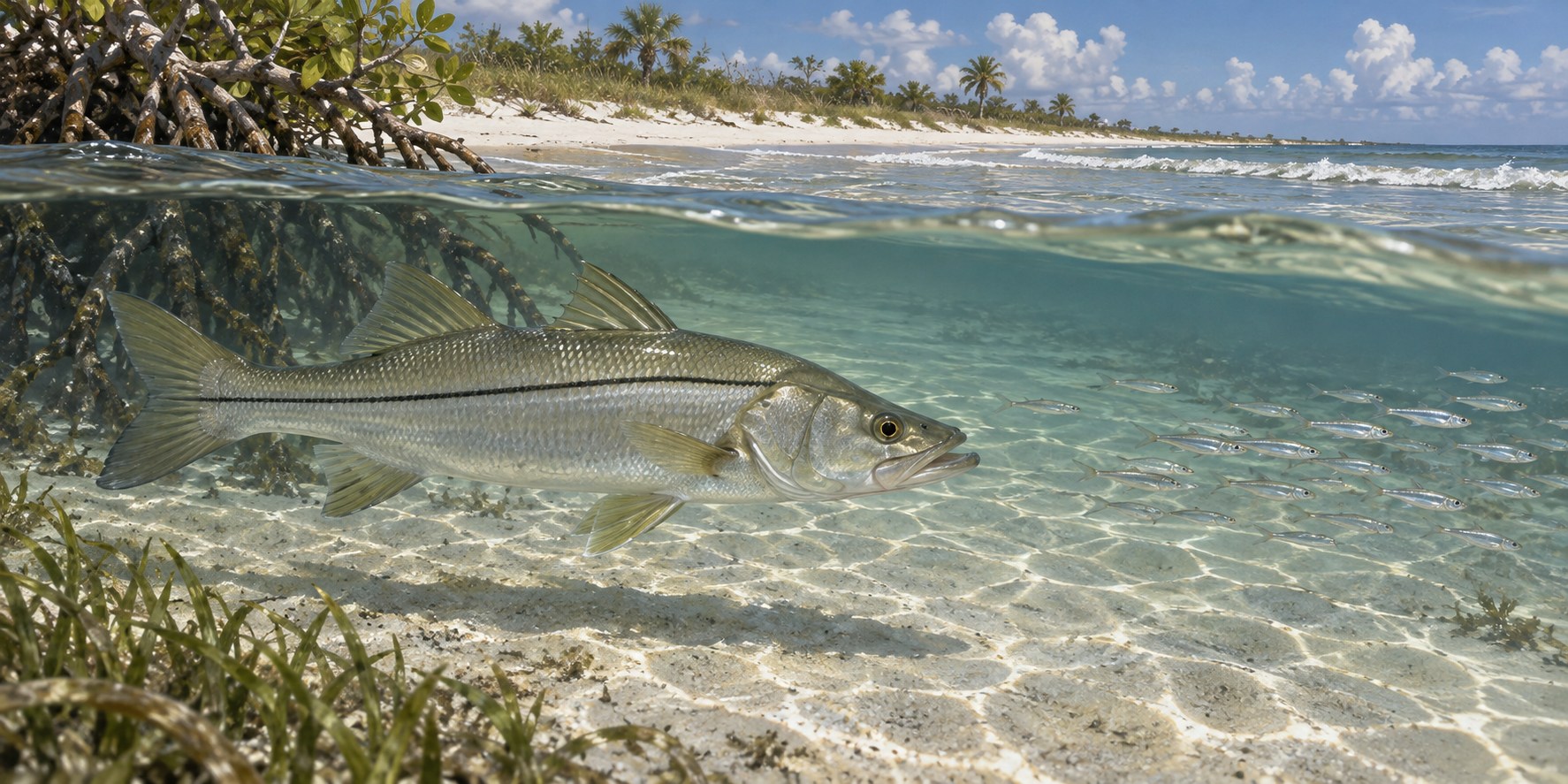
A snook may move along the shoreline rather than remain at a fixed spot. Look for bait, a subtle depth change or a route beside the wash. Observe quietly from a legal shore position.
If a fish or likely path is visible, place a suitable lure ahead of it instead of directly on top. A controlled swimming retrieve gives the fish time to respond. Avoid repeated splashes in the same small patch.
Use leader appropriate for the target and keep the landing plan simple. A fish should be guided through manageable water without dragging it far across sand.
Snook harvest rules are not the same year-round. Confirm current regional requirements before targeting them for retention, and be prepared for a careful release.
Keep the everyday surf plan small
For whiting, begin with a short shrimp bait on a small hook. Leave the point exposed and cast into a manageable inside trough. Fish can feed closer to shore than a visitor expects.
Watch for light taps and check the bait rather than waiting only for a large pull. If the loose end keeps disappearing, shorten it. If there is no response, test another distance with the same basic setup.
Use a sinker suited to the rod and current. A smooth moderate cast is more useful than forcing an overweight rig. If the line sweeps quickly sideways, retrieve and reassess the lane.
Keep the rod within reach and do not leave baited tackle unattended. The beach’s public use requires continuous awareness of the line.
Give pompano a clean presentation
Pompano may travel over sand where waves uncover small prey. A short dropper arrangement lifts a small bait slightly clear of the sand. Small shrimp pieces or suitable prepared baits are convenient starting choices.
If considering sand fleas, first check whether gathering bait is allowed at the access. Do not disturb protected habitat or assume every natural item may be collected.
Test different lanes gradually. A nearer bait and a farther bait over successive casts can help reveal where fish are moving. Keep other rig details similar enough that the result is understandable.
Weed can spoil the presentation quickly. Clear it before the extra drag pulls the rig out of position or masks all small bites.
Use wave patterns without entering risky water
A regular line of breakers often marks a bar. A darker strip inside it may be deeper water where fish can travel. Spend a few minutes watching before choosing the first cast.
A gap with water moving outward may be a current channel. It is not a safe route for wading farther offshore. Stay on stable sand and let the cast reach the lane.
As the tide changes, the beach slope and available dry space change too. Keep the tackle above the wash and preserve a clear route back to the access.
If rough shore break makes landing a fish or standing comfortably difficult, the session may not be suitable. Do not let the possibility of a bite override the condition of the beach.
Choose the method after checking the space
| Situation | Fishing choice | Limit to respect |
|---|---|---|
| Open sandy trough | Small shrimp bait for whiting | Keep the drift within a clear lane |
| Clean surf with useful depth | Compact pompano presentation | Avoid oversized or tangled bait |
| Visible prey along the shore | Controlled lure for a passing predator | Do not cast near people or birds |
| Busy water in front | Pause or move to a permitted open stretch | Fishing does not take priority over beach users |
| Uncertain access or facilities | Confirm before unloading | Do not improvise a route through dunes |
The visitor setting is part of the decision. Choose another beach if clothing-optional use or the available space does not fit the group’s expectations.
Keep the visit considerate
Respect personal space and avoid photographing other visitors. The purpose of the outing is fishing, and a camera pointed toward a busy beach can intrude even when the intended subject is elsewhere.
Keep hooks secured while walking. Check the entire casting arc and water lane before each cast. People can approach from behind or enter the water while your attention is on the bait.
Do not spread multiple rods across a large section of beach. One controlled setup leaves more flexibility to move and reduces hidden lines.
Pack away promptly if safe separation is no longer available. A respectful pause is a better choice than trying to maintain a fishing lane through other users.
Use a short, flexible weather window
Summer heat can be intense on open sand. Bring water and sun protection, and leave time to reach shelter before a storm. Thunder is a reason to stop early.
Cooler months may offer comfortable surf sessions between fronts, but strong wind and weed can still make the beach difficult. Review the area’s tide and weather forecast and check actual conditions on arrival.
For another South Hutchinson Island option, see Frederick Douglass Park’s guide, which includes an important unresolved access notice. Do not assume it is available as a backup without confirmation.
Keep a non-fishing alternative in mind if neither access nor conditions fit. A changed plan can be the right outcome.
Handle fish without turning the beach into a work area
Keep pliers and a ruler close to the rod. Wet your hands, support the fish and minimize time out of water. Do not leave it on dry sand while searching through bags.
Use FWC’s current saltwater recreational information for licensing and harvest decisions. Identify each catch and check species-specific requirements before retention.
Contain bait scraps and keep legal retained fish chilled. Avoid attracting birds to the casting area. Every piece of line and damaged tackle should leave with you.
Inspect the sand carefully before departing. A small hook is particularly hard for another barefoot visitor to see.
Choose a compact footprint on the sand
A small fishing setup is easier to place respectfully on a beach with several kinds of visitors. Bring the rod, bait and tools needed for one method rather than marking a wide stretch with multiple holders. Keep a clear route for walkers along the shore.
Before casting, look behind as well as toward the water. A person can move into the rod’s path while the angler is concentrating on attaching bait. Pause and reset rather than trying to finish a cast through a narrowing space.
Keep the camera pointed only at the intended fish or unoccupied scene, and avoid including other visitors without their agreement. A quick catch photograph can usually be made close to the water with a limited background.
Pack used hooks and leaders as they are replaced. Loose tackle is hard to see against sand and can create a problem long after the angler has left. The final inspection should include the area under the bait container and around the rod holder.
If the beach’s visitor setting is not comfortable for the group, choose another verified access before unpacking. That is a practical planning decision, not a reason to interfere with other people’s permitted use.
Put the plan into practice
Use a compact tackle arrangement that can move easily when other visitors arrive. Give people room to pass behind the rod, and check the full casting arc before every attempt.
Blind Creek Beach fishing questions
Is Blind Creek clothing optional?
Yes. Official visitor information identifies it as a designated clothing-optional beach. Choose it with that setting in mind.
Where is the listed entrance?
The official listing gives 5460 South Ocean Drive. Check current park access and facilities before the trip.
What is a simple surf target?
Whiting can be tried with a small shrimp bait in a manageable sandy trough away from other beach users.
Can I keep fishing when people enter the lane?
Reel in and move or pause. Safe separation is required regardless of how active the bite is.