
SOUTHEAST ATLANTIC
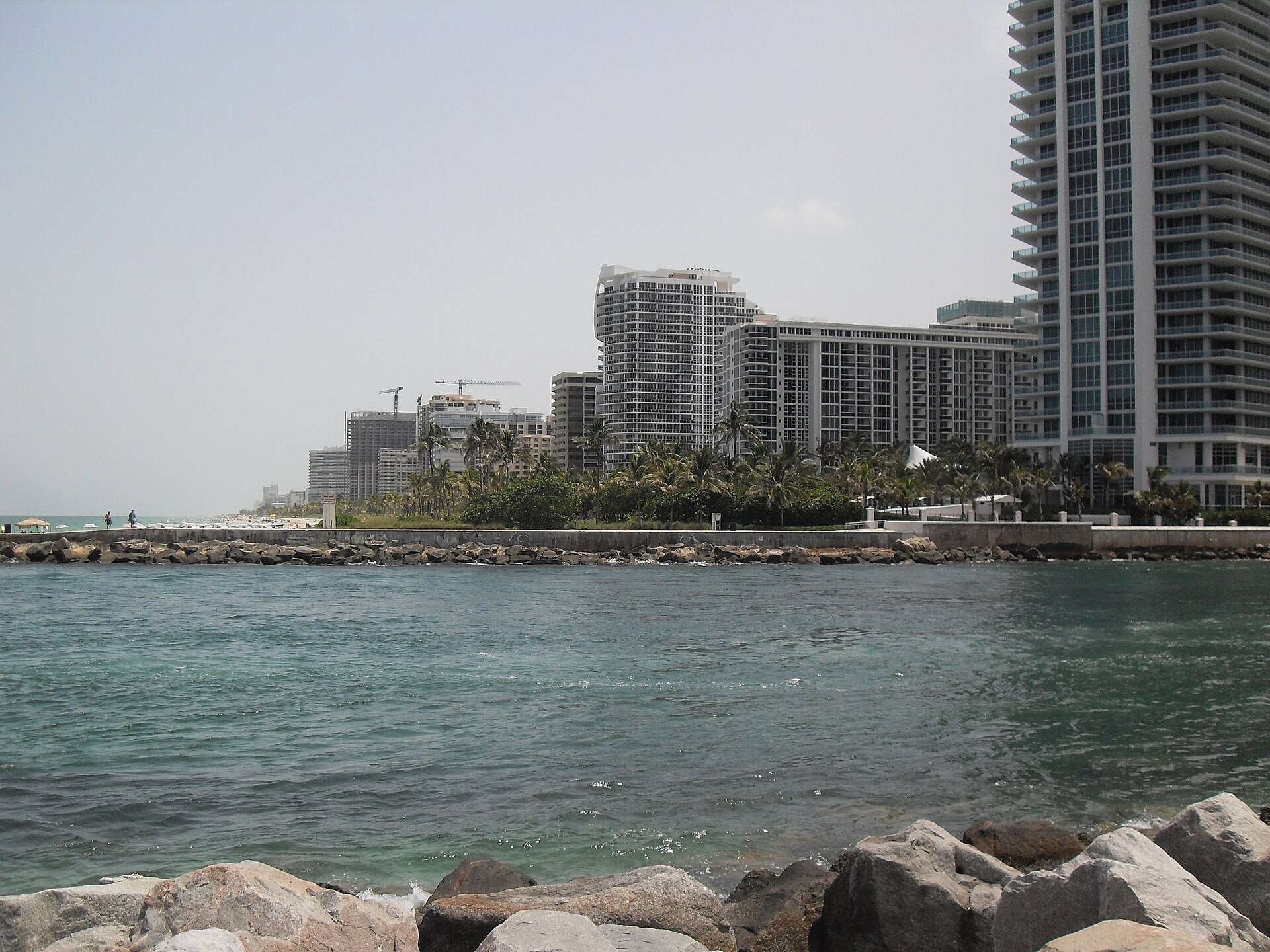
Haulover Park
fishing guide
Haulover Park has defined fishing opportunities beside Baker's Haulover Cut and on the Intracoastal side. Use those designated areas, keep clear of swimming and marina facilities, and plan around a busy inlet rather than the open beach alone.
Explore the guide ↓Use the county's designated fishing areas
The county identifies fishing along Baker's Haulover Cut and the Intracoastal side in designated areas. Fishing is excluded from swimming space and adjacent marina facilities. Locate the actual signed section before opening tackle.
The inlet joins bay and ocean water, while the beach, marina and boating routes have different uses. Do not move a promising cast into an excluded section. A fish crossing a boundary does not make that boundary disappear.
The park's northern beach includes a clothing-optional section. It is only part of the wider park, and it should not be confused with the designated fishing setting. Choose the entrance and activity area that fit the visit.
Check parking and the current public route before hauling a cart across the grounds. Keep access paths and emergency routes free of rods and bait containers.
Look beside the main stream rather than inside it
A fast inlet channel can carry a bait too far to control. Begin by watching a slower seam beside the main flow. Foam, small fish and the angle of a drifting line help show where water is moving.
A sheltered pocket may collect prey without the same line pressure as the middle. Use the designated shore-side water and leave the navigation channel clear. Casting toward boats to reach a distant splash is an unsuitable method.
Watch several wakes before settling near the edge. A dry surface between vessels can still receive wash. Choose secure ground and an unobstructed retreat rather than an exposed perch.
Use an orderly cast when jacks appear
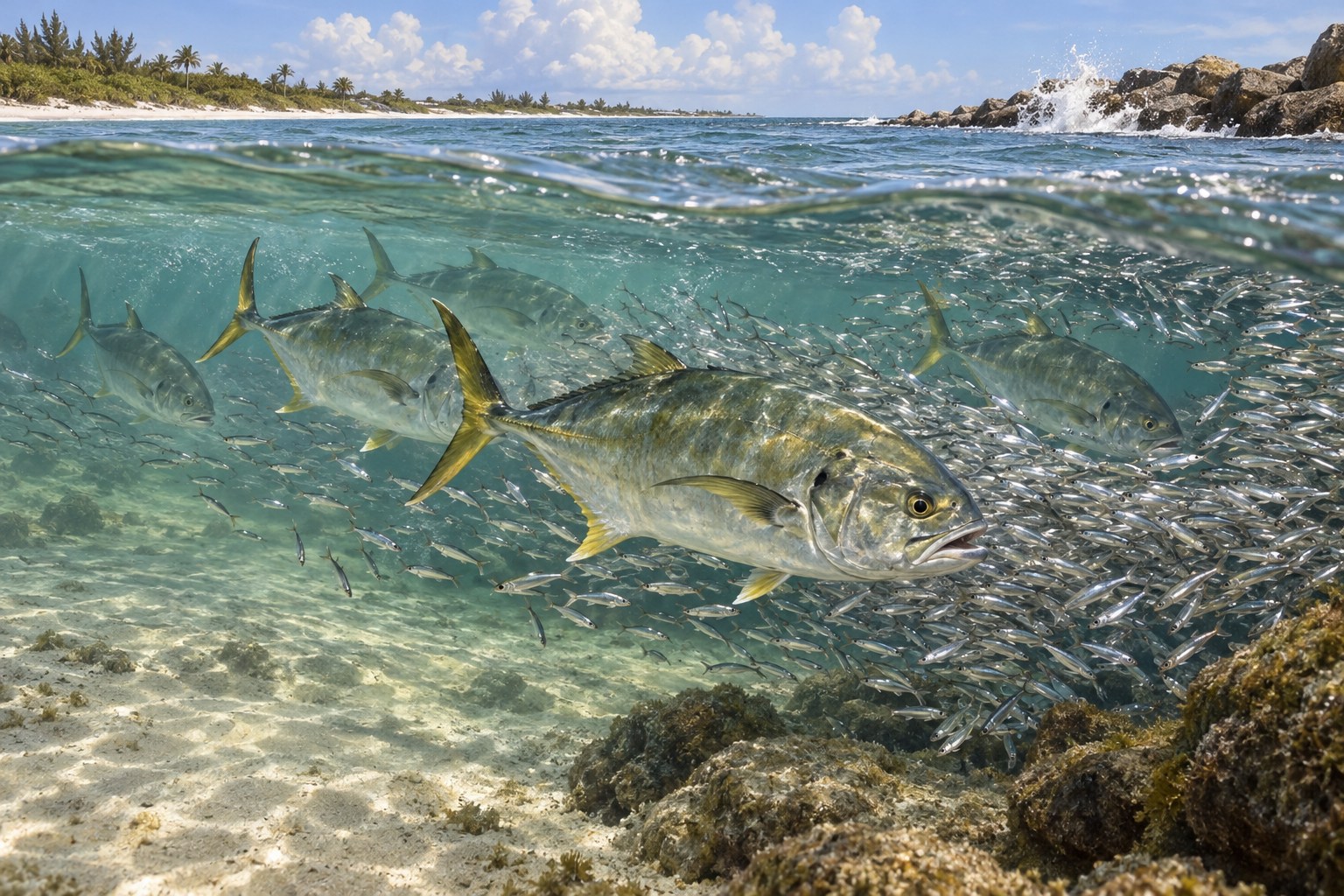
A moving jack school can feed briefly on small fish near an inlet. A compact swimming lure or metal lure can be presented through a clear authorized lane. Let the school move on if it enters vessel traffic or crowded water.
Match the retrieve to how the bait is moving. A steady pace offers a simple first test; a short pause can help when a fish follows. Repeated violent jerks are not required for every feeding school.
Use tackle that can control a strong fish without locking the drag solid. Keep pliers prepared and discuss the landing plan before the bite. The illustration shows a general feeding relationship, not the exact channel layout.
Bring a snook offering along a safe edge
Snook may search suitable inlet margins where prey passes near cover. A small plug or soft plastic can travel above bottom through open water. Cast from an angle that keeps the retrieve away from rocks and restricted facilities.
If the current pushes the lure against a corner, shorten the cast or choose a different permitted position. Adding weight without changing the angle may create another snag. Inspect leader abrasion whenever the lure touches rough cover.
Low light can improve observation of shoreline prey, but it does not extend park permissions or guarantee safe footing. Confirm the applicable access schedule and leave time to return through the approved route.
Make a patient snapper test on the bay side
A designated bayside setting may allow a simpler small-bait drift than the busiest cut. Mangrove snapper can use suitable hard cover and depth changes. Try a compact shrimp piece or firm baitfish portion in a recoverable lane.
Hold enough contact to notice a short bite. Refresh stripped bait and avoid hiding the point inside a soft bundle. Start with one rod so the drift and bite pattern can be followed closely.
Move away from a repeated snag instead of feeding more rigs to it. Neither dock proximity nor a marina fish sighting overrides the restriction on fishing adjacent marina facilities.
Select the legal method with the best control
A quieter setting can be more useful than the water with the most dramatic activity. Compare the line path, traffic and handling space before choosing.
| Situation | Reasonable first step | Reason to change |
|---|---|---|
| Bait moving along an approved cut seam | Small lure passed beside the flow | Line reaches navigation traffic |
| Permitted bay edge with light bites | Compact shrimp or baitfish portion | Recurring cover snag |
| Swimmers or excluded marina facilities | Leave hooks packed there | Use a designated fishing section |
| Wakes reaching the standing area | Relocate before casting | No safe retreat or landing plan |
Keep boat access separate from shore fishing
The park includes boating facilities, and current ramp availability and capacity should be checked before a trailer trip. Prepare equipment away from the active launch lane. Do not turn a boat ramp into a standing fishing station.
A boat can reach legal bay fishing water beyond the shore route, but navigation and habitat protection still matter. Know the charted approach and leave shallow grass alone. Carry the safety equipment appropriate to the trip.
Separate passenger movement from exposed hooks. Stow lures when approaching docks and launching areas so boarding remains safe.
Plan for the actual flow and a comfortable return
Inlet current may not reverse at the same minute as a nearby tide prediction. Observe the water at your position before deciding how to fish it. A manageable slower period may provide better control than the strongest flow.
Wind against moving water can produce short rough waves near an inlet. Avoid exposed edges in deteriorating conditions. Lightning is a reason to stop well before it reaches the park.
Bring drinking water and sun protection, and keep a small tackle bag easy to carry. A brief planned session is preferable to a long one that leaves no comfortable return window.
Finish with a supported release and a clean edge
Check current FWC license and harvest rules before taking a fish. Prepare a landing aid suitable for the permitted position rather than lifting a large fish on its leader. Keep unwanted catches supported and return them promptly.
Collect discarded line as well as bait packaging. Watch that nothing blows into the cut while packing. Record the designated area and manageable current that worked, then recheck access before the next visit.
Common questions
Where does the county describe fishing at Haulover?
It identifies designated Baker's Haulover Cut and Intracoastal-side areas. Find the current signed section before fishing.
Can I fish beside the marina slips?
The county excludes adjacent marina facilities from fishing. Use the designated angling areas instead.
Is all of Haulover Beach clothing optional?
No. The clothing-optional section is part of the northern beach, not the entire park.
What if the strongest current is impossible to control?
Try a safer permitted slower seam or a quieter bayside option. Do not allow line into the navigation channel.
Prepare for your visit
Check local tides and weather. Read more about snook, mangrove snapper, permit. Check current FWC saltwater fishing rules.