
PANHANDLE
Shell Island
fishing guide
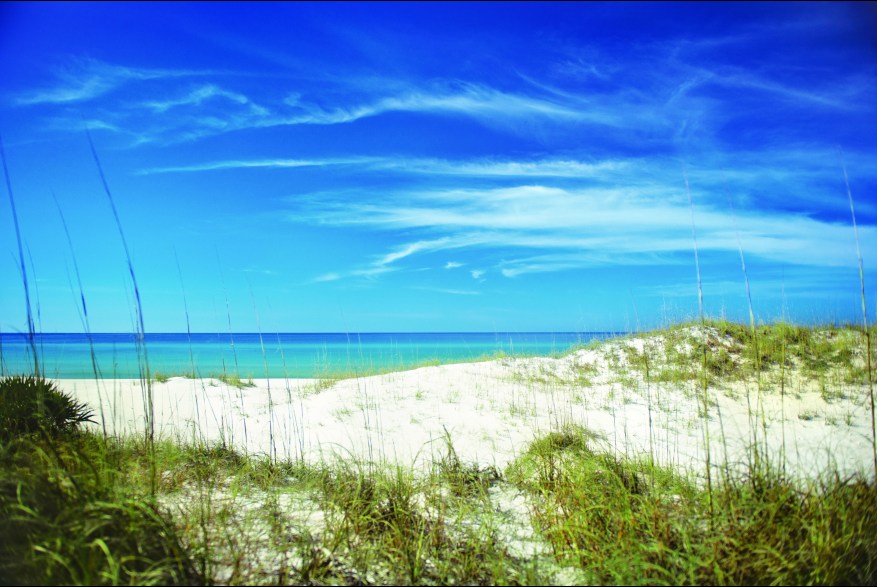
Shell Island offers a boat-access coastal setting between Gulf sand and St. Andrew Bay water. Its lack of services makes preparation central to a fishing day. Confirm the landing, weather and return arrangements before choosing a shoreline method.
Explore the guide ↓Choose the landing and return before the tackle
Official Panama City Beach tourism describes Shell Island as an undeveloped island between the Gulf and St. Andrew Bay, reached by water. There is no road-based beach crossing. Confirm the operator or boat route, the exact landing and today's return arrangements. A last departure time should be established before anyone walks away from the boat.
If relying on a St. Andrews State Park shuttle, check current park reopening and shuttle operation separately. The park's storm closure notice is not canceled by a general island-tour advertisement. Other permitted transport can have different rules about rods, coolers and equipment. Verify that the intended fishing kit and activity fit the journey.
Carry everything needed for an undeveloped shore
The official island guide says there are no restrooms, concessions, picnic pavilions or trash cans on site. Pack adequate drinking water, food, sun protection and a complete waste plan. A nearby anchored boat should not be assumed to offer services. Keep the kit small enough to carry back comfortably after a hot session.
Agree on a clear meeting point and a stopping time with the group. Loose sand, glare and a long-looking shoreline can make a return walk take more effort than expected. Keep reserve bait cool without using a heavy load that overwhelms the trip. The return plan matters more than one extra rod or cooler.
Treat the Gulf and bay shore as different habitats
The Gulf side has surf, sandbars and current along the open beach. The bay side can have sheltered shallows, changing bottom cover and substantial boat activity. Identify the specific legal shore and landing conditions before choosing either. An undeveloped appearance does not make every bank, dune or navigation edge an appropriate fishing position.
A surf rig might test pompano or whiting feeding lanes, while an approved suitable bay edge may offer inshore fish possibilities. Choose one main environment rather than walking between them with several heavy outfits. Do not cross sensitive vegetation or enter restricted neighboring land to find another casting angle.
Use compact bait in an observable Gulf trough
Watch the wave pattern for a shallow bar and a smoother trough beside it. Small shrimp pieces, sand fleas or prepared strips can test the sandy feeding route. Keep hook size and bait modest, leaving the point able to engage. A nearshore accurate cast may reach useful water without requiring maximum force.
Use a holding sinker within the rod's safe rating and inspect the bait regularly. Wind and side sweep can move a line into swimming or landing activity. Retrieve when the lane is no longer clear. Bar gaps may carry strong return flow, so the plan remains land-based rather than following a promising-looking channel offshore.
Keep an inshore presentation above sensitive cover
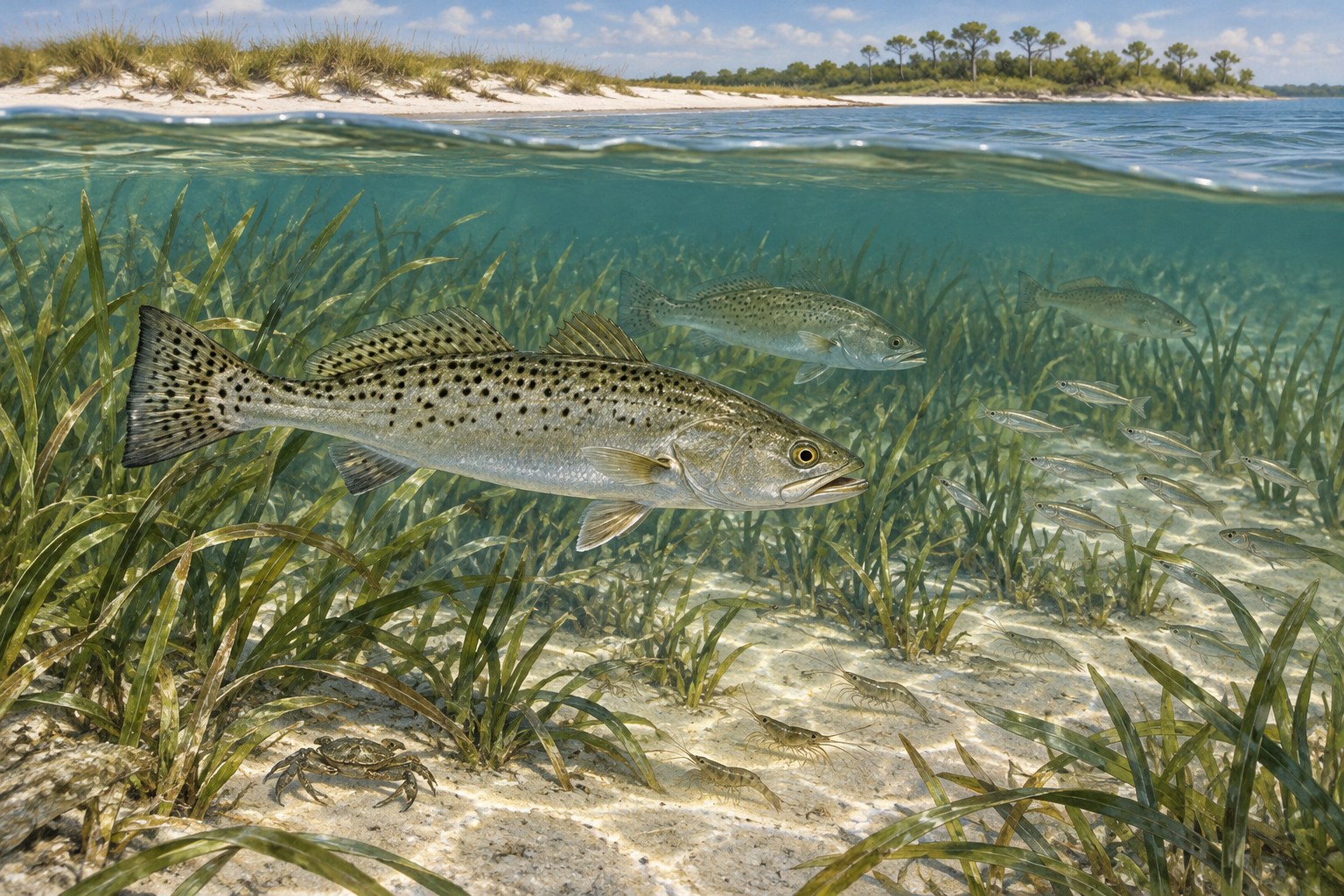
At a confirmed lawful bay-side position with suitable habitat, redfish and spotted seatrout are possibilities to consider. A shrimp under a float can stay above submerged vegetation, while a small soft plastic can travel along an open sand edge. These are habitat-based methods, not a claim that every island bank holds those fish.
Watch whether grass returns on the hook. Adjust the float depth or lure weight before forcing tackle through cover. Cast ahead of visible prey and retrieve gently along a clear route. Keep the line outside boat approaches and leave enough water for vessels using the landing. Good-looking current is not useful when safe passage is blocked.
Carry the essentials for a controlled catch
Select one manageable outfit for the main environment and keep any backup compact. Hooks should be secured during boat travel and the walk from landing. Match weight to the rod and expected presentation. A large heavy surf kit can be difficult to move across the island and may not suit a sheltered-edge plan.
Pliers, a measuring tool and secure waste storage are essential where no services are available. If a landing net fits the boat and chosen shore, it can help support fish. The table ties each part of the outing to the check that should be made before fishing begins.
| Part of the visit | First check | Practical choice |
|---|---|---|
| Boat transfer | Weather, landing and return time | Equipment accepted by the operator |
| Gulf shore | Flags, waves and clear lane | Small surf bait in a visible trough |
| Bay margin | Permission, cover and boat activity | Light controlled presentation above plants |
| Island supplies | No restrooms or concessions | Self-contained water, food and waste plan |
Think about the ride home while the shore looks calm
Wind can change both the fishing and the boat journey. A sheltered island corner does not reveal conditions across an open bay or pass. Monitor the forecast and actual water, then turn the shore session into a timely return before conditions worsen. Do not let a late bite delay the agreed pickup.
Summer brings heat and thunderstorms with limited shade and no permanent services. Cooler fronts can produce sudden wind changes. Spring and fall may bring coastal fish movement, but season interest does not reduce travel risk. Tide predictions support planning, while actual current and wave conditions decide whether a boat crossing remains appropriate.
Protect an island used by nesting animals and visitors
Stay clear of nesting enclosures and keep to approved paths or open lawful shore. Dune plants and wildlife areas are not a route between fishing positions. Do not approach turtles or feed birds with bait scraps. An undeveloped island needs careful visitors because there is little routine service to collect what people leave.
Keep fishing apart from swimming and snorkeling activity. Hooks can be hard to see in clear shallow water, and a long line may cross a visitor's route. A boat-access destination does not give an angler priority over that water. Use a modest attended setup and stop when the available lane becomes occupied.
Make the catch decision before packing for the boat
Identify fish correctly and verify present size, season and bag conditions before retention. Release uncertain fish promptly with support and brief handling. Have the measuring and unhooking tools ready before a strong or toothy catch reaches shore. Avoid dragging releases across dry sand or delaying them while the group gathers for a picture.
Collect every item, including leaders and small food wrappers, before the return walk. Carry the waste back because no bins are available on the island. Shell Island's fishing possibilities are best explored with a specific lawful landing, a self-contained kit and enough time for a safe return to the mainland.
Common questions
Can I drive to Shell Island?
No. It is reached by water. Confirm the landing and return arrangements before planning the visit.
Are there restrooms or food services on the island?
Official tourism guidance says there are no restrooms, concessions, pavilions or trash cans. Bring supplies and take all waste back.
Does a general shuttle listing prove the park route is operating?
No. Check St. Andrews State Park reopening and today's shuttle service separately.
Can I fish wherever a boat lands?
Confirm the lawful landing, shoreline rules and clear space. Stay away from nesting areas, navigation activity, swimmers and snorkelers.
Prepare for your visit
Check local tides and weather. Read more about florida pompano, whiting, permit. Check current FWC saltwater fishing rules.