
SOUTHWEST
Bowman's Beach Park
fishing guide
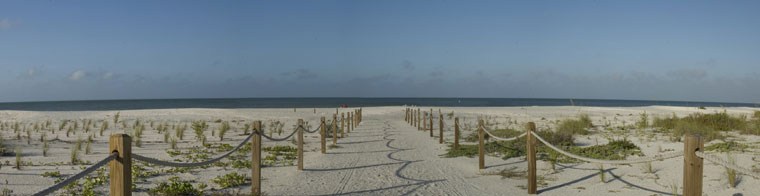
Bowman’s Beach Park is a Gulf beach access on Sanibel, with a walk between the parking area and the sand. The county owns the park and the City of Sanibel operates it. A deliberate surf-fishing kit makes that walk easier and leaves room for the other people enjoying this broad shoreline.
Explore the guide ↓Use the Sanibel park information for your visit
Lee County lists Bowman’s Beach Park at 1700 Bowmans Beach Road and identifies the City of Sanibel as its operator. Check the city and the posted park instructions for the current visit. County ownership does not make every operational rule identical to other county beaches.
The county lists paid parking at $5 per hour, with parking payment required around the clock. Check which current permits apply before leaving a vehicle. A posted 24-hour access listing does not remove separate lighting, wildlife or beach-use restrictions.
Expect a beach walk of about five minutes under ordinary conditions. Carry gear that you can manage comfortably both ways. Follow the public route and confirm any current swimming or fishing boundaries before casting.
Read the Gulf sand without assuming a fixed bottom
The beach is open to Gulf waves, so troughs and bars can shift with storms and normal wave action. Look for a line where breaking waves soften before reaching shore. That strip may give small surf fish a useful feeding route.
Watch the water from firm sand rather than walking out to inspect the bottom. A shallow-looking bar can have a deeper trough beside it. Beach visibility does not establish safe wading depth or current strength.
Choose a clear permitted lane that remains outside other users' entry route. Bowman’s broad setting can still become crowded near the access. Moving a little along an open beach is useful only when it preserves legal access and safe casting room.
Test small offerings for whiting and pompano
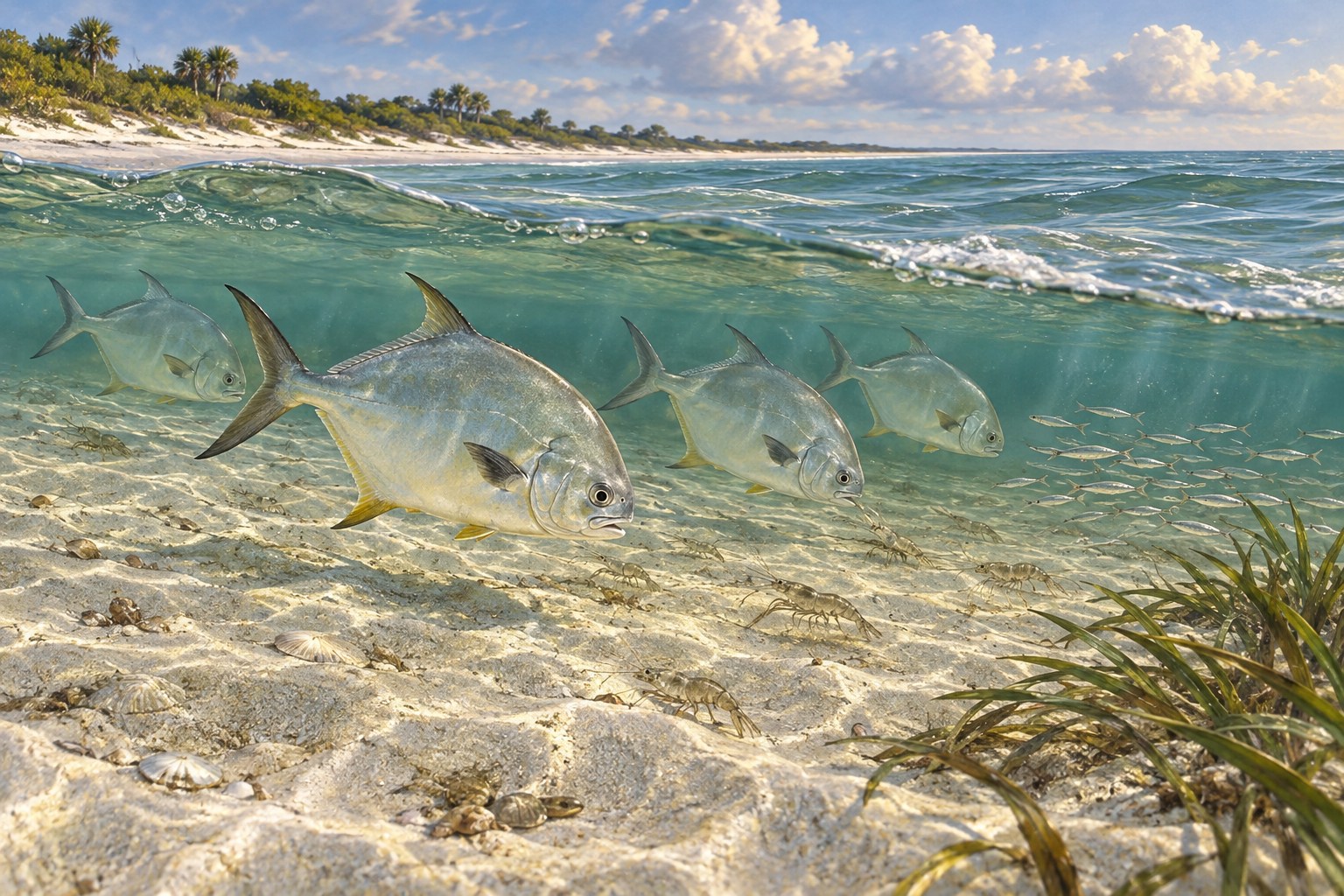
Whiting and pompano are regional sand-beach targets worth considering in suitable conditions. Shrimp pieces, purchased sand fleas and strip bait form a compact starting selection. The important first decision is where the bait sits, not how many different packets you bring.
Fit a small neat offering to the hook and leave the point exposed. Cast into the first useful trough, then compare a slightly farther distance. Notice whether bites continue at one range before adjusting the whole rig.
Check bait and leader after each retrieve. Small bait stealers and drifting weed can both reduce the time a clean hook is fishing. If conditions demand excessive weight merely to prevent a sweep into people, stop rather than force the method.
Use a quieter approach along the warm beach edge
Snook can travel close to Gulf sand when warm water and prey movement suit them. A small soft plastic is a useful searching option along an allowed clear section. Stand back from the wash and look for bait before covering water with casts.
Cast ahead of a cruising fish or a visible prey route. Bring the lure through that route smoothly instead of repeatedly dropping it on top of the fish. Keep the retrieve just above sand to avoid dragging a cloud of bottom material.
Prepare suitable leader and release tools before the first cast. Support a fish with wet hands and minimize time out of water. Review the current Gulf snook rules even if a family member hopes to keep the first legal-looking catch.
Treat paddle access as a separate trip choice
The county lists a paddlecraft launch among the park amenities. Confirm its current condition, route and local rules before carrying a kayak. A launch listing does not guarantee a calm Gulf crossing or access to every neighboring waterway.
Plan the complete route with a forecast suitable for a small craft. Returning into stronger wind can be harder than departing with it. Bring required safety equipment and a workable communication plan, and choose another day if the route exceeds your ability.
Do not launch or retrieve through swimmers or leave a craft blocking the beach walk. Shore fishing and paddling can both be available activities without sharing the same immediate space. Choose one manageable outing rather than adding a boat late in the day.
Pack for the actual distance to the sand
A small bait cooler, one surf rod and a limited rig supply can cover an ordinary beach test. For a lure walk, swap the cooler for a light pouch and one spinning outfit. Keep pliers, a measuring tool and drinking water accessible whichever method you choose.
Restrooms, showers and other amenities are listed, but check their current operation rather than assuming every feature is ready. Keep fish cleaning and loose tackle away from shared sinks and paths. Close bait containers before using facilities.
The table helps decide what deserves space in your bag. A load that feels easy in the parking area should still feel manageable after sun, sand and a return walk.
| Main plan | Useful compact load | Condition to check |
|---|---|---|
| Whiting or pompano | One surf rod and small natural bait | A clean permitted trough |
| Beach snook | Spinning outfit and a few soft plastics | Warm prey activity and clear casting space |
| Paddle outing | Required safety gear and verified launch plan | Wind for the complete return route |
| Shared beach walk | Hooks covered and bait sealed | Wildlife closures and people passing |
Use tide and season as clues rather than promises
A rising tide may cover the near trough while pushing wave wash closer to bags. Falling water may make the bar shape easier to see. Reposition equipment early and avoid allowing the return path to become wet or crowded around your rods.
Cooler periods can favor a surf-bait focus, while warm months invite a careful beach-snook search. Actual prey, clarity and surf strength matter on the day. A seasonal expectation is not a reason to ignore poor conditions.
Fronts can change wind direction and wave size quickly. Check the forecast before making the beach walk and observe conditions again on arrival. If the Gulf is rougher than expected, enjoy a permitted beach visit without deploying tackle.
Make the last few minutes part of the fishing plan
Leave enough time to inspect the sand, secure hooks and pack before a storm or parking deadline creates a rush. A closed tackle box protects both the angler and other walkers. Put cut leader in a container that cannot spill in the wind.
Measure and identify a catch before keeping it, using current saltwater limits and any applicable closed season. A parking permit has no connection to the angler's fishing license. Confirm the license or exemption that applies to each person fishing.
Drink water before the return walk and carry every item back. Do not leave a bait pile beside a trash can for wildlife to find. The visit ends when the equipment is safely packed and the public route is clear.
Common questions
Who operates Bowman’s Beach Park?
Lee County identifies the City of Sanibel as the operator of this county-owned park. Check current city and on-site instructions.
How far is the walk from parking to the beach?
The county describes an ordinary walk of about five minutes. Allow extra time for heavy gear, children and the return.
Can I assume night fishing is unrestricted because parking is listed 24 hours?
No. Check current angling access, lighting and wildlife rules separately before planning a night visit.
Can I bring a kayak?
A paddlecraft launch is listed, but verify its current condition and rules and plan a safe full route before bringing a craft.
Prepare for your visit
Check local tides and weather. Read more about snook, florida pompano, whiting. Check current FWC saltwater fishing rules.