

We all live for that drag-screaming bite, the thump of a big fish hitting a jig, and the satisfaction of a full cooler. But being a sharp angler means more than just finding fish. It means knowing the rules that keep our fisheries healthy for generations. Understanding Fishing Florida Closures is not about what you cannot do. It is about protecting our sport for the long haul and becoming a smarter, more adaptable angler in the process. These rules are our shared investment in bigger, healthier fish populations for years to come.
What Fishing Florida Closures Really Mean for Anglers
When you hear a species is “closed,” it is not always a simple “do not fish” order. The rules can be specific, and misunderstanding them can lead to a conversation with an FWC officer that ruins your day. Let’s break down the language so you know exactly what is expected of you on the water. These regulations are the foundation, defining the core rules of engagement before we get into strategy.
Understanding ‘No Harvest’
This is the most straightforward rule. ‘No Harvest’ means the fish cannot be kept, period. It cannot come into the boat for anything other than a quick dehooking and release. It does not matter if the fish is a personal best or a perfect slot-sized specimen. During a harvest closure, all size and bag limits are irrelevant. The fish must be returned to the water immediately. Think of it as pure catch-and-release season for that species.
The Critical ‘No Possession’ Rule
This is where many well-intentioned anglers get tripped up. ‘No Possession’ goes a step further than ‘No Harvest’. It means you cannot have that species in your possession, even if you caught it legally somewhere else. Here is a classic example: you run offshore into federal waters and legally catch and box a few gag grouper. On your way in, you cross back into state waters where gags are closed. The moment you enter that state boundary, you are in illegal possession of those fish. Having that grouper in your cooler inside the state line can result in a hefty fine and confiscation of your catch. The rule is simple: if it is closed where you are, it cannot be on your boat.
Decoding ‘No Targeting’
The ‘No Targeting’ rule can feel subjective, but it all comes down to intent. An FWC officer will look at the whole picture to determine if you are actively trying to catch a closed species. Are you anchored up in a known snook spawning inlet during the summer closure? Are you using heavy tackle perfect for tarpon but also ideal for the closed snook population nearby? Even if you claim to be fishing for jacks, if your gear, location, and methods all point to a closed species, you are at risk. This is where understanding the intent behind FWC seasonal closures becomes critical. It is about avoiding the appearance of targeting a protected species, which protects both you and the fish. These are coordinated efforts, and as NOAA Fisheries outlines, specific South Atlantic Fishing Seasonal Closures often work in tandem with state rules to protect migratory stocks.
Proper Catch-and-Release: Your Duty During a Closure
If you accidentally catch a closed species, your job is to get it back in the water with the best possible chance of survival. This is more than just tossing it overboard. It is a responsibility. Proper handling ensures that fish lives to fight another day and contributes to the future of the fishery.
- Use dehooking tools to minimize handling and get the hook out fast. A pair of long-nosed pliers or a dedicated dehooker is essential.
- Keep the fish in the water whenever possible. Work alongside the boat to remove the hook without ever lifting the fish out of its element.
- If you must lift it for a quick photo, support its body horizontally with two hands. Never hold a heavy fish vertically by its jaw.
- Revive the fish boat-side by holding it upright in the water and moving it gently forward to get water flowing over its gills. Only release it when it kicks off with strength.
Your Pre-Trip Checklist for Closure Compliance
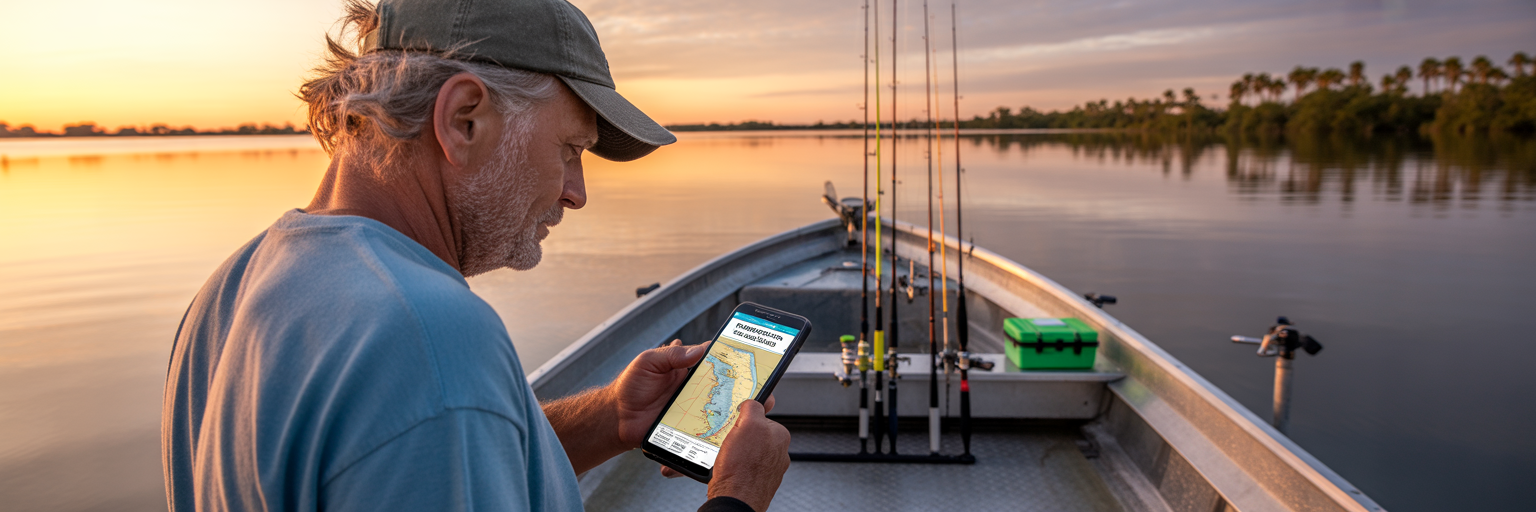
Checking the regulations should be as automatic as checking your fuel and loading the bait. It is a five-minute routine that protects the fishery and saves you from an expensive citation. What was legal last month might not be legal today. Regulations are not static. This simple, repeatable process is your foolproof method for staying compliant on every single trip.
- Start with the Source of Truth: The FWC Website. Your first and most important stop is always the official FWC website. Do not rely on dock talk or old forum posts. Navigate to the comprehensive eRegulations portal for Florida Saltwater Fishing – Coastal Species. Look up your target species and, most importantly, double-check the effective dates for your specific management zone. This is the non-negotiable first step.
- Get the Quick View: The FWC Regulations Chart. For a quick reference, the FWC provides a downloadable summary. You can get the official Florida Recreational Saltwater Fishing Regulations quick chart and save it to your phone for offline access. But here is the caution: it is a summary. It does not cover every nuance, special regulation, or last-minute change. It should never be the only resource you check when reviewing Florida fishing regulations.
- Your On-the-Water Ace: The Fish Rules App. This is an essential tool for the modern angler. The Fish Rules App uses your phone’s GPS to provide regulations for your exact location. This is invaluable when you are fishing near a management boundary line offshore or are unsure which rules apply. It eliminates the guesswork and gives you instant confidence that you are following the correct regulations.
- Check for Curveballs: Emergency Executive Orders. This is a pro-tip that many anglers miss. The FWC can issue emergency closures due to unforeseen events like a red tide bloom, a cold-weather fish kill, or new scientific data. Before you leave the dock, take 30 seconds to check the FWC’s main website for any news releases or “Executive Orders.” This quick check can prevent you from unknowingly fishing in a freshly closed area.
Building this routine protects your wallet and our shared resource. A quick check is a small price to pay for a stress-free day on the water and a healthy fishery for the future.
How to Pivot When Your Target Species Is Closed
A closure on your primary target does not mean you should leave the boat on the trailer. It is an opportunity to explore new fisheries, learn new techniques, and test your skills against different species. The key is having a flexible mindset and a versatile tackle selection. A heavy grouper rod will not work for sheepshead, so always have a lighter ‘Plan B’ setup ready to go.
Strategy 1: Shift to Open Inshore Species
When snook or redfish seasons are closed, the inshore scene is still buzzing with action. This is your chance to focus on other worthy targets. You can shift your attention to sheepshead stacked on bridge pilings and dock structures. For them, downsize to a 15-pound leader and use live fiddler crabs or shrimp on a small jig head for the best results. Alternatively, you can pole the flats looking for the telltale signs of tailing black drum or hunt for flounder in sandy passes and along channel edges. Each offers a unique challenge and a great fight.
Strategy 2: Explore Nearshore Reefs and Wrecks
If an offshore favorite like gag grouper is closed, the structure they call home is still a fish magnet. This is the time to think about the habitat, not just a single species. The same nearshore reefs and wrecks will hold plenty of other hard-fighting and great-tasting fish. You can pivot to targeting lane snapper, vermilion snapper, and triggerfish when they are in season. This approach teaches you to read a spot for all its potential and is the key to answering the question of what fish are in season Florida at any given time. You will often find that the “bycatch” on a grouper spot can become the main event.
Strategy 3: Embrace Unregulated Sportfish
Many anglers are unaware of the FWC’s general bag limit for unregulated species, which is two fish or 100 pounds per person per day, whichever is less. This opens the door to some of the hardest-fighting fish in our waters. This is the perfect list of alternative fish to target Florida when your primary is off-limits. Chasing massive jack crevalle as they crash bait pods, battling acrobatic ladyfish, or hooking into powerful blue runners is a fantastic way to keep rods bent and test your gear. It is pure, unadulterated sportfishing that reminds you why you fell in love with the pull in the first place.
Florida Regional Closures and Smart Alternatives
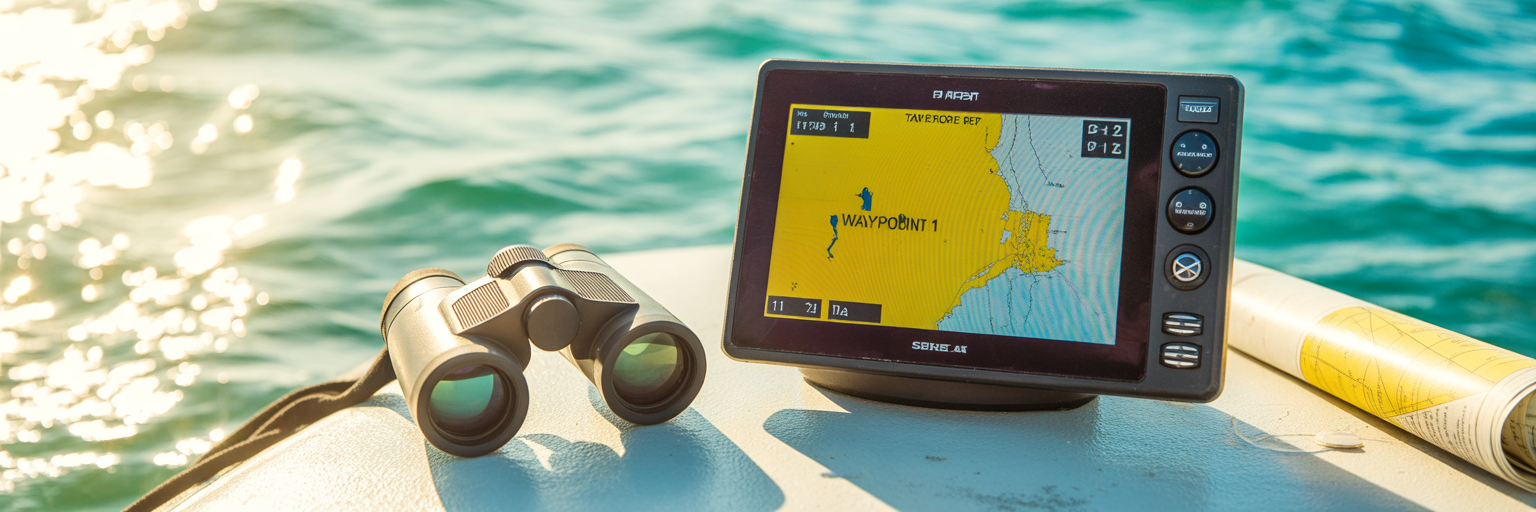
Now that we have some general pivot strategies, let’s apply them to specific situations you will face on the water across Florida. A closure plan that works on the Gulf Coast might not be the best approach on the Atlantic. This is the local scoop for turning a closed season into a hot bite. It is crucial to know exactly where you are fishing, as rules can change from one area to another. The FWC provides detailed Boundary Maps and Management Zones online, which are essential for anyone fishing near demarcation lines.
Scenario 1: Gulf Coast Gag Grouper Closure
When the popular gag grouper season is closed on the Gulf Coast, your bottom-fishing trip is far from over. Your first pivot should be to check the federal red snapper season dates. If that is open, you can target them on the same offshore structure. If not, downsize your tackle for mangrove snapper over nearshore artificial reefs. A lighter spinning rod with live shrimp or small pinfish is deadly. Another excellent option is to run the major passes during an outgoing tide to target bull redfish and monster jack crevalle with large live baits or topwater plugs.
Scenario 2: Atlantic Coast Snook Closure
The summer snook closure on the Atlantic coast coincides with some of the best fishing of the year. This is a prime example of finding opportunities for legal fishing during closures. Your top alternative is to look for migrating tarpon along the beaches. Cruise the coastline and look for rolling fish, then present a live crab or mullet. For another option, you can run to nearshore wrecks in the 60 to 120-foot range to sight-cast for permit. Or, if conditions are right, make a run offshore to find weed lines holding mahi-mahi.
Scenario 3: South Florida & Keys Closures (e.g., Mutton Snapper)
If a key reef species like mutton snapper is closed in South Florida or the Keys, it is time to shift your focus. One of the best bets is to target blackfin tuna at the “humps” like the Islamorada Hump or Marathon Hump. Trolling small feathers or casting small jigs into surface feeds can lead to nonstop action. For the more adventurous, this is a great time to try deep-dropping for tilefish or even daytime swordfishing. For a simpler plan, patrol the reef edge from 90 to 150 feet for hard-fighting cero mackerel and barracuda, which are often overlooked but provide incredible sport.
Scenario 4: Panhandle Red Snapper Closure
The end of the Panhandle’s red snapper season is a major event, but the fishing is far from over. When that closure hits, the plan shifts. A great option is to troll for king mackerel and Spanish mackerel just off the beaches with spoons and dusters. You can also return to your favorite snapper spots and bottom fish for abundant vermilion snapper and triggerfish, which often live on the same structure. Do not forget about cobia. Keep a heavy spinning rod ready to pitch a jig or live bait to any you spot cruising around channel markers, buoys, or manta rays.
Rigging for Success During Closure Seasons
Being able to pivot effectively when a species is closed comes down to preparation. Having the right gear on board means you can switch tactics on the fly without wasting valuable time on the water. The theme is versatility. Here is the rundown on the setups and tackle that will keep you ready for anything.
The Ideal ‘Do-It-All’ Inshore Rod
For inshore flexibility, a 7-foot to 7-foot-6-inch medium-power, fast-action spinning rod is your best friend. Paired with a 3000 or 4000-size reel spooled with 10 to 15-pound braid, this combo is incredibly versatile. It has enough backbone to handle a surprise slot redfish or jack, but the sensitive tip allows you to feel the subtle tap of a sheepshead or flounder. It is the perfect setup for casting jigs, working soft plastics, or free-lining live shrimp.
A Versatile Nearshore/Offshore Setup
When you need a workhorse for nearshore and offshore opportunities, a 20 to 30-pound class conventional rod or a heavy-duty 6000-size spinning setup is the ticket. This combination has broad utility. You can use it to troll for king mackerel, bottom fish for various snapper and triggerfish species, or have it ready to pitch a live bait to a cruising cobia or mahi-mahi. It is the kind of rod that can handle the unexpected and turn a slow day into a memorable one.
Your ‘Plan B’ Tackle Box Checklist
Your tackle selection is just as important as your rods and reels. A well-stocked ‘Plan B’ box ensures you can adapt to different species and conditions. This table outlines a core selection of tackle that allows an angler to pivot from one target species to another with minimal downtime. Having these items on board ensures you are prepared for whatever opportunities the day presents.
| Item | Recommended Sizes/Types | Primary Target Species |
|---|---|---|
| Jig Heads | 1/4 oz, 3/8 oz, 1/2 oz, 1 oz | Flounder, Pompano, Redfish, Snapper |
| Circle Hooks | 3/0, 5/0, 7/0 | Snapper, Sheepshead, Drum, Grouper (catch-and-release) |
| Fluorocarbon Leader | 20 lb, 30 lb, 50 lb spools | Covers inshore, nearshore, and light offshore needs |
| Bucktail Jigs | 1/2 oz to 2 oz (white, chartreuse) | Cobia, Snook, Flounder, Jacks |
| Diamond Jigs | 2 oz to 4 oz | Mackerel, Tuna, Jacks, Bottom Fish |
| Soft Plastic Paddle Tails | 3-inch and 5-inch (natural colors) | Redfish, Trout, Snook, Flounder |
| Sabiki Rigs | Size 6 and 8 | For catching live bait (pilchards, threadfins, cigar minnows) |
Finally, think about bait adaptability. If you brought a well full of pinfish for grouper, also have a sabiki rig to make fresh bait on a wreck. Always keep a box of frozen squid or shrimp on board as a universal fail-safe that can tempt a wide variety of species.
Why Following Closure Rules Is Good for Fishing
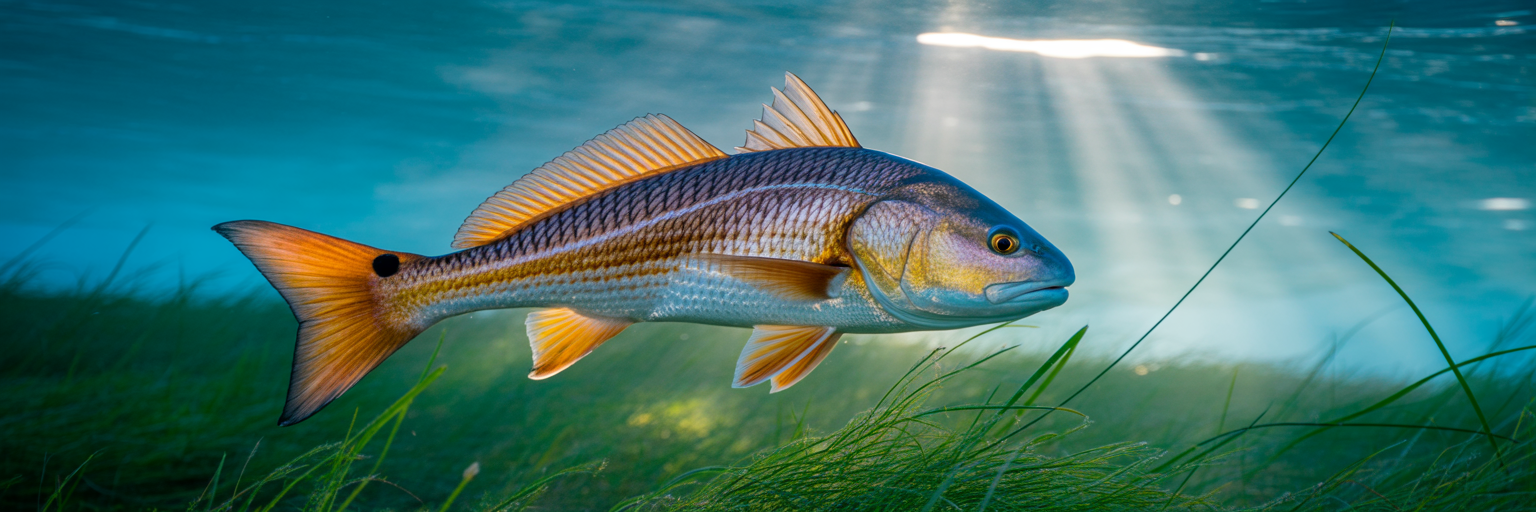
At the end of the day, these rules are not about punishment or restriction. They are about ensuring the future of the sport we love. Understanding the ‘why’ behind the regulations transforms compliance from a chore into a point of pride for every responsible angler. It is about respecting the resource and ensuring our kids and grandkids can experience the same thrill of a screaming drag.
Protecting the Spawns: An Investment in Future Trips
Many closures, especially for species like grouper and snapper, are timed to protect fish when they are most vulnerable. During their spawn, these fish gather in huge numbers at specific locations. Fishing for them at this time could devastate a local population. As detailed on the FWC’s page on Groupers, the science behind management is clear. Protecting these spawning aggregations is a direct investment. It is what creates the fish you will be catching in two, five, and ten years. Following Fishing Florida Closures is the most direct way we can contribute to a healthy fishery.
The Angler’s Code: More Than Just Avoiding a Fine
Following the rules is about more than just avoiding a citation. It is a matter of personal ethics. It is the unwritten angler’s code that says we leave the fishery better than we found it. This is not about government overreach. It is about our community of anglers self-policing for the good of the sport. When you release a fish properly during a closed season, you are making a statement that the future of fishing matters more than a single catch today. That is something to be proud of.
You can also be an active participant in conservation. The FWC Wildlife Alert Hotline is a tool for responsible anglers to help protect the fishery from the few bad actors who poach or commit major violations. Reporting significant illegal activity is not “snitching.” It is protecting your fishery and ensuring that the rules we all follow are not undermined.