
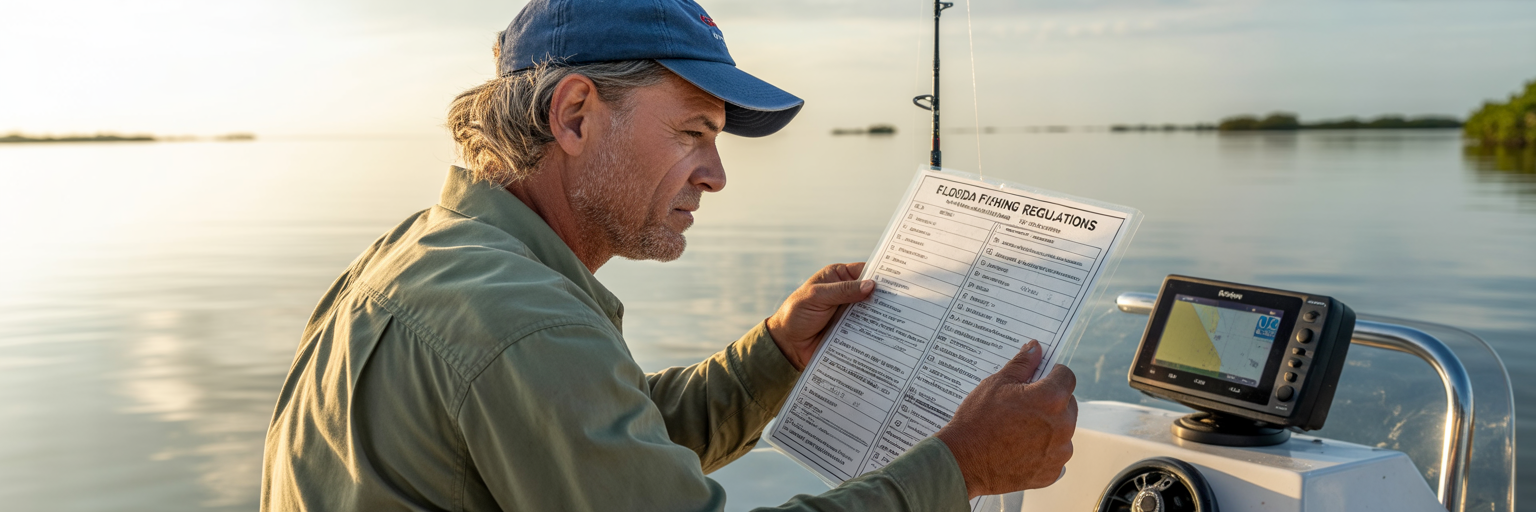
Let’s get one thing straight. Rules aren’t just a hassle. Think of them as a shared agreement between every angler on the water to keep our fisheries healthy for the long haul. Following the current Florida fishing regulations is like doing routine maintenance on your boat’s engine. It’s a bit of work upfront, but it prevents a total breakdown when you can least afford it. A healthy fishery means better fishing for all of us, year after year.
Ignoring the rules is the fastest way to ruin a great day on the water. It’s not just about a potential fine. Picture this: you’ve had an epic day, the cooler is full, and you get stopped at the ramp. Suddenly, you’re watching an officer confiscate your hard-earned catch, write a ticket that costs more than your new reel, and maybe even take your rod and combo. It’s a frustrating, expensive, and completely avoidable situation.
The only source of truth for these rules is the Florida Fish and Wildlife Conservation Commission (FWC). Their regulations aren’t just pulled out of a hat. They’re built on hard science, like fish population surveys, spawning studies, and migration patterns. This is why the rules for snook or grouper can change from one year to the next. Fish populations fluctuate, and the rules adapt to protect them. That’s why you have to check the latest updates before every single trip.
This guide isn’t a static list of rules that will be outdated by the time you read it. Instead, it’s designed to give you a mental framework. It’s a process you can use to quickly and confidently find the correct, current regulations for any species you’re targeting, in any location, on any given day in Florida. Master this process, and you’ll spend less time worrying and more time fishing.
The Core Rules: Size, Bag, and Possession Limits
Before you get into the complexities of seasons and zones, you have to master the fundamentals. Size, bag, and possession limits are the foundation of fisheries management. They are the most common rules you’ll encounter, and understanding them is non-negotiable for any serious angler. These are the core Florida saltwater fishing limits that dictate what you can legally harvest.
Understanding Size Limits: Minimums, Maximums, and Slots
Size limits are not arbitrary numbers. They are set for specific biological reasons. A minimum size limit is designed to let young fish grow large enough to spawn at least once, ensuring they contribute to the next generation before they can be harvested. A maximum size limit, on the other hand, protects the largest, most prolific breeding fish in a population. These big females are often responsible for a disproportionately large amount of offspring.
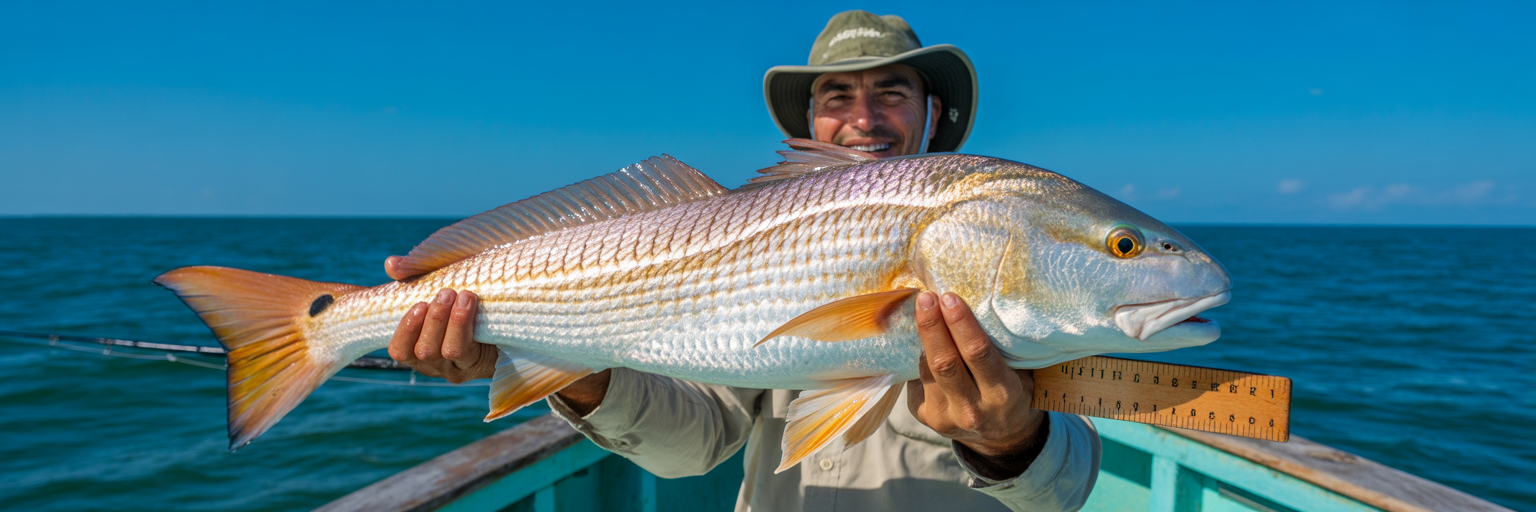
Then you have the slot limit, which is a combination of both. The classic Florida example is the redfish. A typical redfish slot might be 18 to 27 inches. This means you can only keep fish that fall within that specific size range. Anything smaller must be released to grow, and anything larger must be released because it’s a prime breeder. Protecting those big bull reds is critical for the future of the fishery.
Bag Limits vs. Possession Limits: A Critical Distinction
This is a point of confusion for many anglers, but the difference is simple and important. The daily bag limit is the maximum number of a single species that one person can harvest in a single day. If the bag limit for mangrove snapper is five, you can keep five per person, per day. That’s it.
The possession limit applies off the water. It’s the total number of fish you can have with you, including in a cooler on a multi-day trip or in your freezer at home. For most species, the possession limit is two days’ worth of the bag limit. So, for that mangrove snapper, your possession limit would be ten. It’s crucial to verify this, as it prevents stockpiling and ensures harvest is spread out. Never assume the possession limit is double the bag limit without checking the official rule.
The Official Measurement: How to Do It Right
How you measure a fish can be the difference between a legal catch and a violation. The FWC has a standardized method to remove all guesswork. Follow these steps exactly:
- Lay the fish on its side on a flat measuring board or device.
- Make sure the fish’s mouth is closed and its snout is touching the zero mark at the end of the board.
- Pinch the two lobes of the tail fin together to get the maximum possible length.
- Read the measurement at the furthest tip of the tail. This is the fish’s total length.
For some pelagic species like tuna or kingfish, the measurement is to the fork of the tail, not the tip. Always confirm which measurement standard applies to your target species. Using this official method ensures your measurement will match an officer’s.
Navigating State, Federal, and Management Zones
In Florida, where you fish is just as important as what you fish for. The rules can change dramatically based on your geographic location, sometimes over a distance of just a few feet. Thinking like a navigator and paying close attention to invisible lines on the water is a key part of staying compliant.
State vs. Federal Waters: Where the Line Is Drawn
The first major distinction is between state and federal waters. On the Atlantic coast, Florida’s state waters extend out to 3 nautical miles from shore. On the Gulf coast, they extend much further, out to 9 nautical miles. Beyond these lines, you are in federal waters, and a different set of rules managed by federal councils often applies.
This is critically important for offshore anglers. A species like gag grouper or red snapper can have different seasons, size limits, and even bag limits on either side of that line. You could be legally catching fish in state waters, drift a few hundred yards into federal waters, and suddenly be in violation. Your boat’s GPS and a good navigation app are your best friends here. Use them to know exactly which jurisdiction you are in at all times.
Special Management Zones: Why Your Location Matters
The FWC also divides the state into specific management zones for certain high-demand species. Snook is the perfect example. The state is carved into Gulf, Atlantic, and Monroe County zones, among others. The open and closed seasons, and sometimes even the slot limits, can be completely different in each zone on the very same day. A legal snook caught in Tampa Bay might be illegal if you were fishing in Jupiter. You cannot assume a rule that applies in one part of the state is valid in another.
Hyper-Local Rules for Sensitive Water Bodies
Beyond the major zones, some areas have their own unique regulations. These are often implemented to protect extremely sensitive habitats or important spawning aggregations. For example, certain parts of the Indian River Lagoon, specific passes known for tarpon aggregation, or fragile seagrass flats might have gear restrictions, temporary no-entry zones, or be designated as catch-and-release only for all species. These hyper-local rules require an extra level of awareness before you make your first cast.
| Regulation | Florida State Waters (Gulf) | Federal Waters (Gulf) |
|---|---|---|
| Boundary | Within 9 nautical miles of shore | Beyond 9 nautical miles of shore |
| Minimum Size Limit | 24 inches total length | 24 inches total length |
| Daily Bag Limit | 2 fish per person (within 4-grouper aggregate) | 2 fish per person (within 4-grouper aggregate) |
| Season (Example) | June 1 – Dec 31 (subject to change) | Often shorter and can close early if quota is met |
| Gear Requirement | Non-stainless, non-offset circle hooks for natural bait | Non-stainless, non-offset circle hooks for natural bait |
Note: This table is for illustrative purposes only. Seasons, limits, and rules are subject to change and must be verified directly with the FWC and Gulf of Mexico Fishery Management Council before every trip.
Understanding Seasonal Closures for Key Species
Seasonal closures are one of the most effective tools for ensuring a species thrives for generations. They aren’t meant to punish anglers. They are a strategic pause designed to protect fish when they are at their most vulnerable, particularly during spawning periods. Understanding the when and why of these closures is essential for every responsible angler.
Many species, like gag grouper and amberjack, gather in large, predictable aggregations to spawn. During these times, they are incredibly easy to target and can be quickly overfished. A closed season gives these fish an undisturbed window to reproduce, which is a direct investment in the future of the fishery. Without these closures, we would see sharp declines in some of our most prized game fish.
It is critical to understand that seasons are dynamic. While many are scheduled far in advance, they can change. Federal seasons for species like red snapper are often very short and are intensely monitored. If the recreational harvest quota is met faster than projected, the FWC or federal agencies can issue an emergency closure with very little notice. This is why a last-minute check before you leave the dock is not just a good idea, it’s a necessity.
What about targeting fish out of season for catch-and-release? This is a gray area that requires careful attention. For some species, it is illegal to target or possess them at all during a closure. For others, while it may be technically legal to catch and release, it’s important to consider the ethics. Fighting a fish to the boat causes stress and can lead to post-release mortality, which undermines the conservation purpose of the closure. The best practice is to avoid targeting closed species altogether.
Florida’s summer and winter snook closures are well-known examples. However, never rely on memory or what you did last year. The official snook fishing season Florida dates can and do change based on stock assessments and environmental factors. The FWC provides a detailed breakdown of these management zones and their corresponding seasons, which you should always check before targeting snook.
Essential Gear Rules and Harvest Methods
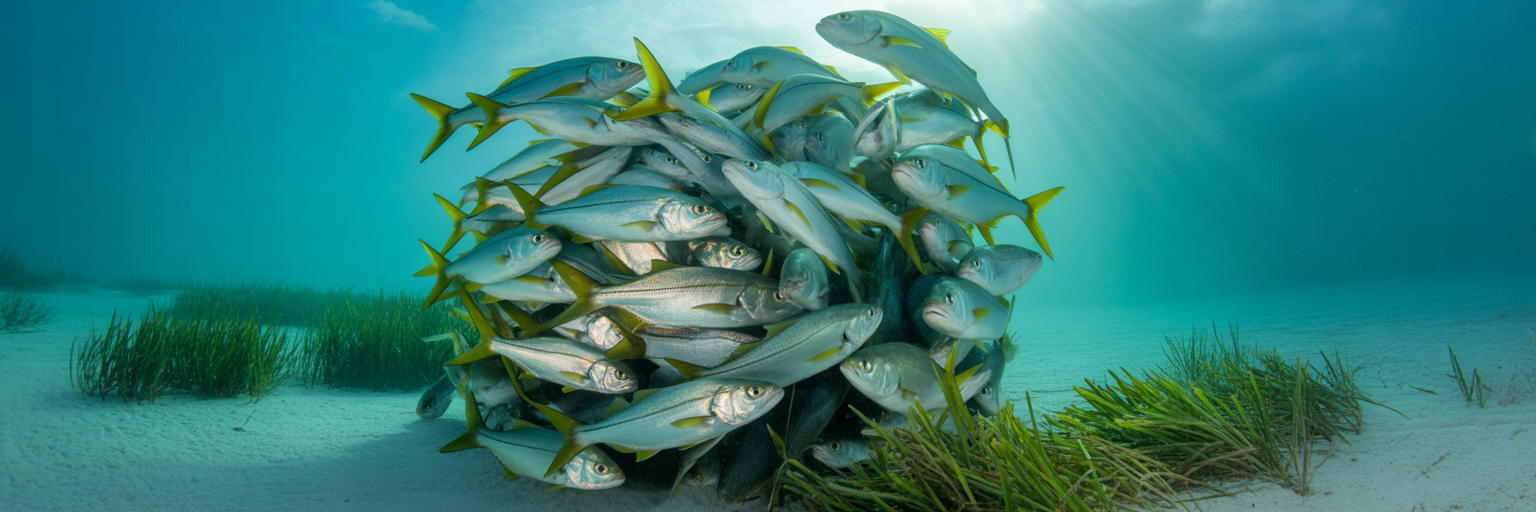
The tools you use are just as regulated as the fish you target. Gear rules are in place to promote ethical angling, reduce bycatch, and increase the survival rate of released fish. Paying attention to these details, especially when fishing offshore, is a mark of a skilled and conscientious angler.
For anyone targeting reef fish, the most important gear rule involves your hooks. When using natural bait to fish for any species in the reef fish complex, you are required to use non-stainless steel, non-offset circle hooks. This is one of the most impactful Florida reef fish rules. The reason is simple and proven by science: circle hooks are designed to catch the fish in the corner of the mouth, not in the gut or gills. This dramatically increases the survival rate of fish that are released, whether they are undersized or just let go by choice.
Beyond hooks, several other gear regulations are in effect to protect fish populations. Be aware of rules such as:
- The prohibition of snatch hooks or spearfishing for many species or in certain protected areas like state parks.
- Regulations on cast net mesh sizes, which can vary by location and are designed to prevent the accidental capture of juvenile game fish along with bait.
- The ban on using rebreathers for spearfishing to harvest lobster and fish, which prevents divers from staying down long enough to deplete an area.
Another critical gear requirement for offshore anglers is having a descending device or venting tool on board and readily available. When you pull a fish up from deep water, the change in pressure can cause its swim bladder to expand, a condition called barotrauma. A fish with barotrauma can’t swim back down and will likely die on the surface. A descending device, which is essentially a weighted hook or clamp, allows you to safely return the fish to the bottom. A venting tool is a hollow needle used to release the trapped gas. Having and knowing how to use one of these tools is required when fishing for reef fish and turns a potential waste into a successful release.
These gear rules all point to a larger concept: the difference between simply harvesting a fish and practicing ethical angling. Proper catch-and-release techniques, like minimizing handling time, using wet hands, and reviving a fish boat-side, are extensions of the conservation mindset that these regulations promote. The FWC outlines specific aggregate bag limits and seasons for various grouper species, making it essential to review the official chart before heading offshore.
Regulation Spotlights for Popular Florida Species
While you should always check the full, official rules, it helps to know the key regulatory points for Florida’s most popular game fish. Think of this as dock talk, a quick rundown of what to look for when you’re planning your trip.
Snook: Slots, Seasons, and Permits
Snook regulations are built on three pillars: a strict slot limit, regional seasonal closures, and a mandatory snook permit added to your fishing license. The most critical thing to remember is that the seasons are not statewide. A legal snook on the Gulf coast could be illegal on the Atlantic on the same day due to different open seasons. Always verify the slot and season for your specific fishing zone.
Redfish: The All-Important Slot
Like snook, redfish (red drum) are managed with a tight slot limit. The goal is to protect both the young, growing fish and the oversized, prime breeders. This slot can also vary by region, and certain areas, like parts of the Indian River Lagoon system, may have special no-harvest rules implemented to help local stocks recover. Never assume the slot you know is the current one.
Grouper and Snapper: The State vs. Federal Puzzle
This is where regulations get most complex. For species like red snapper, gag grouper, and red grouper, you must know if you are in state or federal waters. Seasons can be completely different, with the federal red snapper season being notoriously short and intense. Furthermore, anyone targeting these species from a private vessel in Florida is required to have the State Reef Fish Angler designation on their license.
Tarpon: A Catch-and-Release Icon
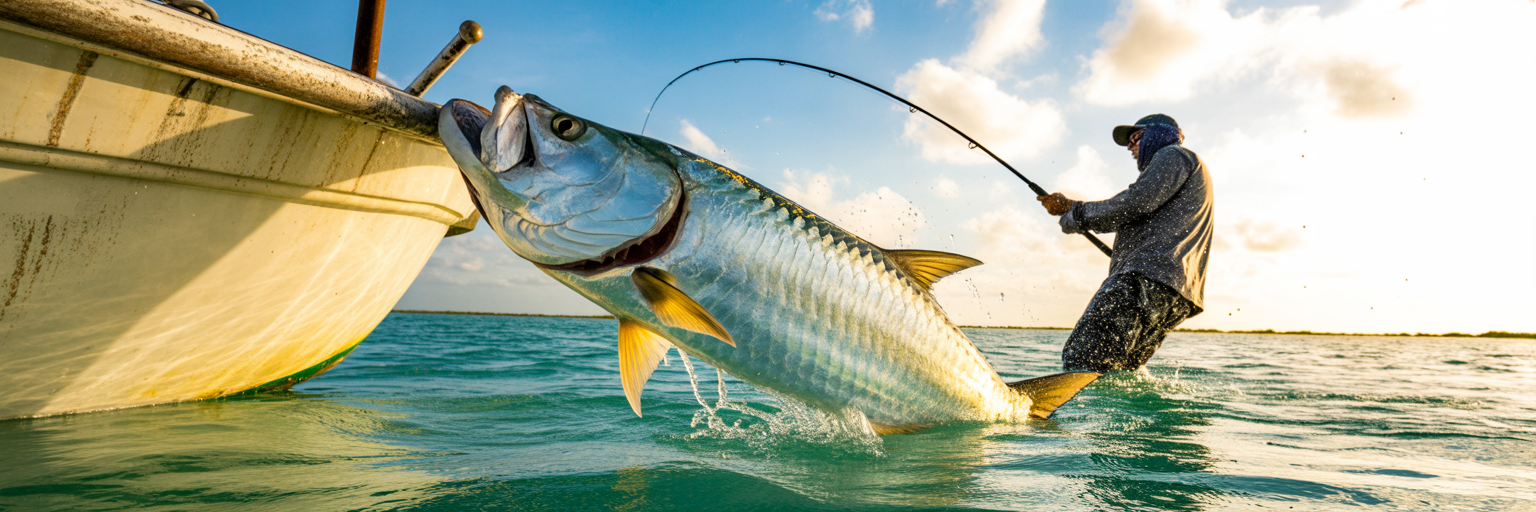
Tarpon are an iconic Florida sport fish managed primarily for catch-and-release. It is illegal to possess or land a tarpon, with a general rule requiring any fish over 40 inches to remain in the water during release. The only exception is if you are pursuing a potential IGFA world record, which requires the purchase of a special tarpon tag in advance. Without this tag, harvesting a tarpon is illegal.
Pelagics: Rules for the Blue Water
For blue water species like mahi-mahi, wahoo, and blackfin tuna, regulations typically involve minimum size limits and bag limits. A key detail is that these fish are often measured to the fork of the tail, not the overall length. While their bag limits can be generous, they are firm. Even when you’re miles offshore, the rules apply, and they can be adjusted based on stock health, so a pre-trip check is always a smart move.
Handling Protected and Unregulated Species
Part of being a responsible angler is knowing what you absolutely cannot keep. Florida’s waters are home to several protected species, and harming or possessing them comes with severe penalties. Respect for these animals is paramount, and knowing how to handle an accidental encounter is a critical skill.
Every Florida angler must know the key zero-harvest species. This list includes goliath grouper, sawfish, Nassau grouper, and manta rays, among others. There is zero tolerance for harvesting these species. The fines are substantial, and the legal consequences can be serious. These animals are protected for a reason, and it is our duty to leave them unharmed.
If you accidentally hook a protected species, follow these steps to ensure the animal’s safety and keep yourself out of trouble:
- Do not bring the fish onto the boat. For large animals like a goliath grouper or a sawfish, this is a major safety risk for both you and the animal.
- Leave the fish in the water and cut the line as close to the hook as you can safely manage. The goal is to leave as little line trailing as possible.
- If you see an injured, entangled, or dead protected species, report it immediately. The FWC’s Wildlife Alert Hotline (888-404-3922) is the proper channel for these reports.
Finally, it’s important to debunk the myth of the “unregulated” fish. Some anglers believe that if a species doesn’t have specific rules listed, they can keep as many as they want. This is false. The FWC has a default recreational bag limit that applies to any species without its own specific regulations. This rule states that you cannot recreationally harvest more than 100 pounds of a species, or two fish if their combined weight exceeds 100 pounds, whichever is greater. This prevents the bulk harvest of species like ladyfish or catfish and clarifies that such activity is considered commercial fishing.
Your Pre-Trip Regulation Checklist
Getting the rules right doesn’t have to be complicated. By turning it into a simple, professional routine, you can head out with confidence every time. This five-step checklist is your guide on how to check fishing regulations Florida and ensure you are always compliant. This process is your best defense against a costly mistake.
Follow these steps before every trip:
- Identify Your Targets and Location. Before you look up a single rule, decide what species you plan to fish for and where you will be fishing. Are you targeting snook and redfish inshore in Tampa Bay, or grouper and snapper offshore from Destin? This focus makes your search quick and efficient.
- Use the Official Source. The only information you should trust comes directly from the FWC. Their website and their official “Fish Rules” mobile app are the definitive sources for FWC fishing rules. Do not trust old forum posts, social media chatter, or what a buddy told you last month. Rules change.
- Verify the Four Pillars. For each target species, run through a quick mental checklist. What is the current size limit? What is the bag limit? Is the season open right now, in my specific location? Are there any special gear rules I need to follow, like circle hooks?
- Check for Last-Minute Changes. The morning of your trip, take 30 seconds to visit the FWC website’s homepage or news section. Look for any announcements about emergency closures or rule changes that may have been issued overnight. This simple step can save your entire trip.
- Document Your Check. Take a screenshot of the current regulations on your phone for the species you are targeting. If you are stopped by law enforcement in an area with poor cell service, this screenshot demonstrates that you performed your due diligence for that specific day.
This pre-trip process isn’t a burden. It’s a hallmark of a skilled, prepared, and responsible angler. By taking these few minutes to confirm the rules, you’re not only protecting yourself but also actively contributing to the health and future of Florida’s world-class fisheries. Your primary resource should always be the FWC’s comprehensive saltwater regulations page, where you can look up the full rule for any species.