
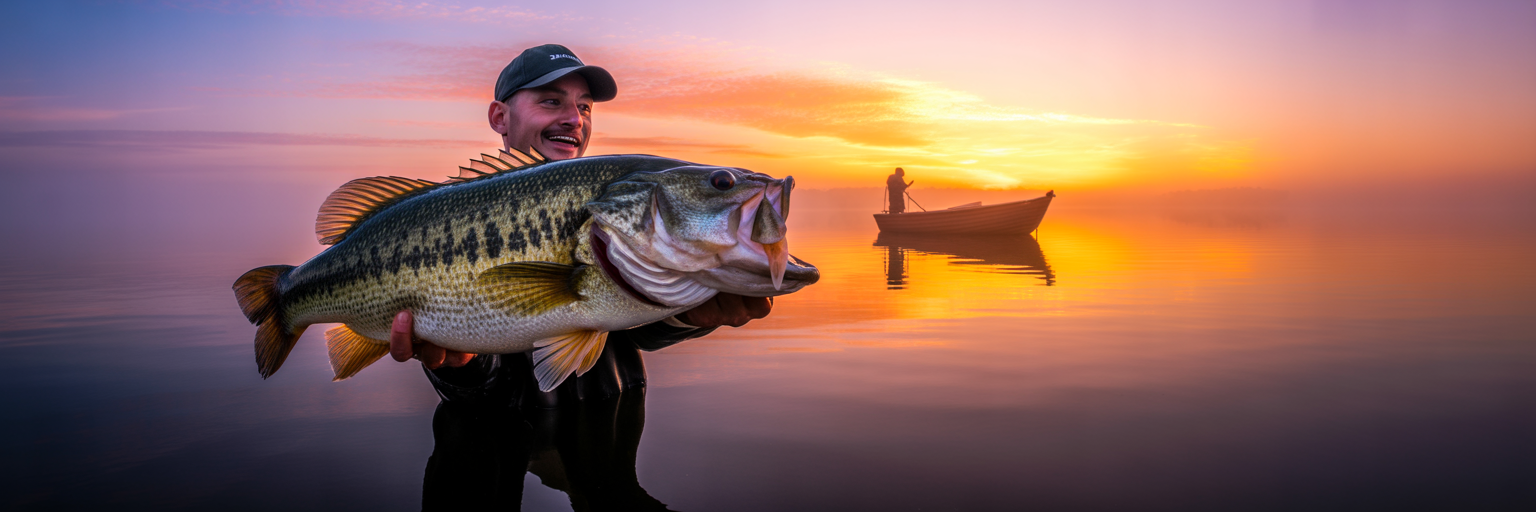
Every angler has the story of the one that got away, but the real legends are born from the ones that don’t. That single, heavy fish that tests your gear, your skill, and your resolve is the ultimate goal for many of us who live for time on the water. The truth is, catching trophy fish is rarely about luck. It is the direct result of a conscious shift in strategy, moving from catching many fish to targeting one specific giant. This pursuit requires a different mindset, a deeper knowledge of the water, and an unwavering commitment to the process.
The Mindset for Catching Trophy Fish
Landing a fish of a lifetime begins long before you make your first cast. It starts with a mental adjustment from casual fishing to a focused hunt. The first commitment is to patience and precision. This means accepting long periods of quiet, waiting for a single, powerful strike instead of chasing constant action. It is about quality over quantity, where the reward is measured in pounds and inches, not just numbers.
The second shift is dedicating yourself to pre-trip homework. A trophy hunt is a calculated mission, not a spontaneous outing. This involves studying maps, satellite imagery, and understanding the specific habits of your target species. Knowing the seasonal patterns and feeding behaviors of a powerful fish like the Tarpon we detail on our site transforms your approach from hopeful to strategic. You begin to think like the predator you are pursuing.
Finally, you must adopt a process of elimination. A trophy angler methodically works through a body of water, ruling out unproductive zones to concentrate energy on the most probable lairs. Every cast has a purpose. You are not just fishing, you are gathering information and narrowing your search. This deliberate mindset is what separates those who occasionally get lucky from those who consistently connect with giants.
Finding Where Trophy Fish Live and Feed
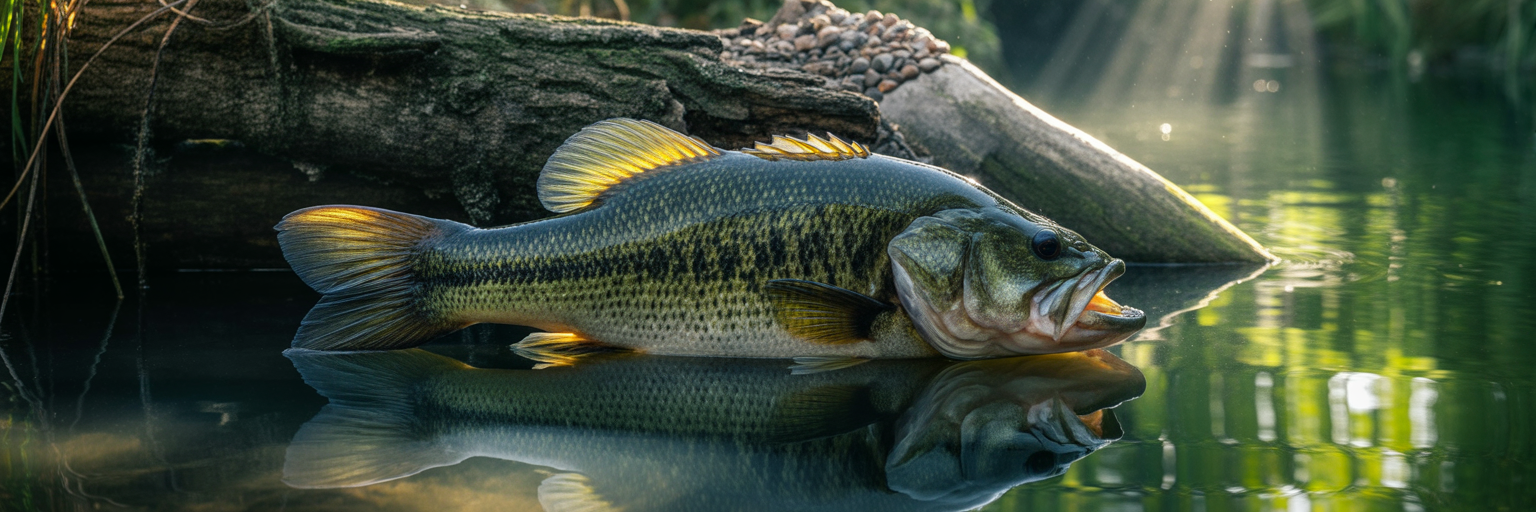
With the right mindset established, the next step is applying it to the water itself. Trophy fish do not live just anywhere. They claim the best real estate, spots known as premium structure. These are locations that offer both safety from threats and an easy ambush point for meals. Mature fish are masters of energy conservation, so they position themselves where food comes to them. Your job is to identify these five-star locations.
Modern technology can be a massive advantage in this search. A quality fish finder is your underwater eyes, helping you identify hard-bottom areas, submerged points, and other hidden structures that big fish love. Since a significant number of trophy-class fish hold in deeper water, electronics are invaluable for finding trophy fish spots that are invisible from the surface. Look for those sudden changes in depth or bottom composition that signal a prime holding area.
Even without electronics, you can learn to read the water. Train your eyes to spot visual cues like current breaks where water slows down, distinct weed lines that create ambush edges, and shade pockets under overhanging trees or docks. These are natural gathering points for baitfish, and where the bait is, the predators will not be far behind. Learning to identify these zones is a skill that will serve you on any body of water.
| Structure Type | Why Trophy Fish Use It | Common Target Species |
|---|---|---|
| Deep-Water Drop-Offs | Ambush point for prey, quick access to safety | Largemouth Bass, Walleye, Grouper |
| Isolated Channel Swings | Collects nutrients and baitfish from current | Catfish, Snook, Striped Bass |
| Submerged Timber/Laydowns | Provides cover from predators and sunlight | Crappie, Bass, Northern Pike |
| Hard-Bottom Transitions | Attracts crawfish and other forage | Smallmouth Bass, Lake Trout |
| Distinct Weed Lines | Edge habitat for ambushing prey | Musky, Pike, Largemouth Bass |
The Right Gear for a Trophy Battle
When a fish of a lifetime is on the line, gear failure is simply not an option. This is where a systems-based approach to your equipment becomes critical. Your rod, reel, line, and terminal tackle must work together as a balanced and durable unit. This is not about buying the most expensive gear, but about choosing components that are up to the task and matched to one another.
Your connection to the fish starts with the line. Many advanced fishing techniques for big fish rely on the powerful combination of a no-stretch braided main line paired with a nearly invisible, abrasion-resistant fluorocarbon leader. The braid provides incredible sensitivity and hook-setting power, while the fluorocarbon leader gives you a stealthy presentation and protects against sharp teeth or rough structure. The knot connecting these two is one of the most important connections in your entire system.
Hook selection is equally non-negotiable. The hook must be strong enough to handle immense pressure and sharp enough to penetrate a tough mouth. A large 7/0 circle hook is perfect for the bony jaw of a tarpon, allowing the fish to hook itself in the corner of the mouth. This is completely different from the sharp, sweeping hookset required for a heavy-gauge single hook on a bass jig. For anglers targeting big-game offshore species, a resource on mastering your offshore trolling setup shows how this systems approach applies on a larger scale. To see these principles in action for coastal giants, you can review our guide on the essential gear for Florida inshore.
Choosing Baits and Lures for Big Appetites
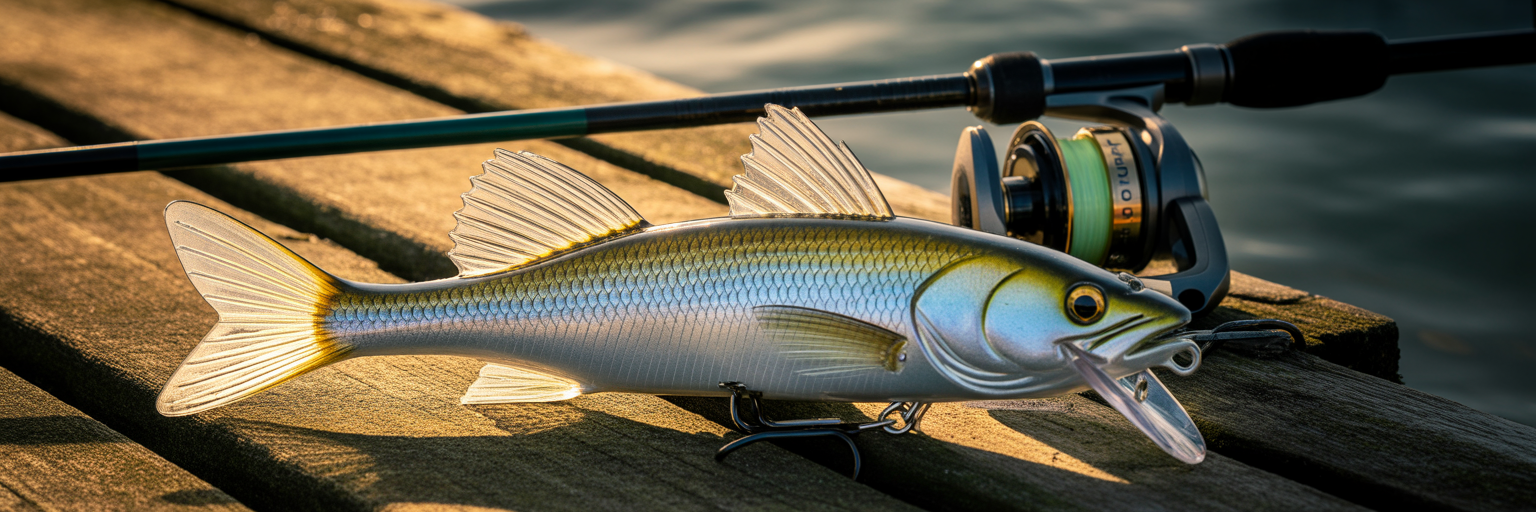
Understanding how to catch bigger fish often comes down to understanding their diet. Mature predators operate on a simple principle of high-calorie return. They will not waste energy chasing small snacks when they can wait for a substantial meal. Your offering must reflect this. You need to present a meal that is worth the effort for a cautious giant, which is why your choice of trophy fish bait and lures is so important.
Think big. Your lure or bait should intimidate smaller fish and appeal directly to the appetite of an apex predator. These offerings are designed to trigger a reaction from the biggest fish in the area.
- Large Profile Swimbaits (8-12 inches): These perfectly mimic the substantial forage like trout, shad, or mullet that big fish hunt. Their size alone filters out strikes from smaller, nuisance fish.
- Oversized Deep-Diving Crankbaits: Ideal for triggering reaction strikes from lethargic giants holding on deep structure. Their large size and aggressive wobble demand attention and get down into the strike zone quickly.
- Jumbo Live Bait: Sometimes, nothing beats the real thing. A large, lively bluegill, sucker, or mullet presents a meal that is often too good for a wary trophy to pass up.
Presentation is just as important as selection. With big baits, slower is often better. A deliberate, slow retrieve that keeps the lure in the strike zone longer can be incredibly effective. Another powerful technique is ‘dead-sticking,’ where the lure or bait sits motionless for extended periods. This patience can be the final trigger that convinces a cautious giant to commit. For more ideas on what is working right now, check out our recommendations for the top 5 lures for Mahi this season.
When to Hunt for Your Fish of a Lifetime
You can have the right mindset, find the perfect spot, and use the best gear, but timing is the force multiplier that brings it all together. The best time to catch big fish often aligns with key seasonal and environmental cycles. The most recognized window is the pre-spawn period. In spring, fish move to shallower areas to feed aggressively, packing on weight before they reproduce. They are at their heaviest and most vulnerable during this time, making it a prime opportunity for a trophy catch.
On a daily basis, everyone knows that dawn and dusk are productive. However, do not overlook the afternoon golden hour. For many species, the period from roughly 2 PM to 4 PM, when the sun is high and water temperatures peak, can trigger a surprisingly aggressive feeding window. This is an often-missed opportunity when many anglers are heading back to the ramp.
Finally, learn to leverage environmental cycles to your advantage. The days surrounding a new or full moon often trigger intense feeding activity due to stronger gravitational pulls and tidal flows. By combining this knowledge with other factors, you can stack the odds in your favor. We encourage anglers to consult resources that track these conditions, which is why we built our own Tides & Weather tool. Planning your trips to align with these peak conditions is the final step in turning your dream of a trophy fish into a reality.