
SOUTHEAST ATLANTIC
Phil Foster Park
fishing guide
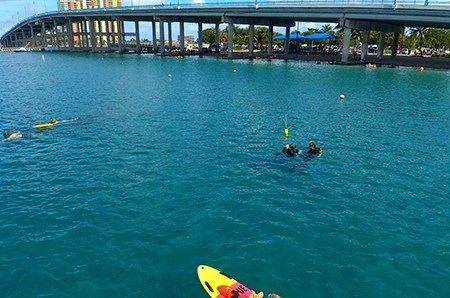
Phil Foster Park places a fishing pier, boat ramps and well-known snorkeling water beside the Blue Heron Bridge. Those uses need clear separation, so choose the pier or approved shoreline without putting hooks into the diving area.
Explore the guide ↓Understand which part of Phil Foster is for fishing
Phil Foster Park is at 900 East Blue Heron Boulevard in Riviera Beach. Its lagoon setting attracts divers, swimmers, boaters and anglers. The park's popularity does not make those activities interchangeable across the water.
County information lists the fishing pier for sunrise-to-10 p.m. use, the beach for sunrise-to-sunset use and the boat ramps for separate 24-hour access. A ramp schedule does not authorize overnight fishing from every park surface.
Confirm the fishing boundaries before casting from shore. Keep hooks outside swimming and snorkeling areas and away from people moving beneath the water. Divers can be difficult to see from a rod position.
The playground is listed as closed until further notice. Families should verify the current facility notice instead of relying on an older amenities list when planning the day.
Study the lagoon flow from a secure position
Water near the bridge can move around pilings and other structure in different directions. Watch floating material to see where a rig will travel. A published tide time cannot show every local pocket or change of speed.
Choose a recoverable lane where the bait can pass without entering a diver route or vessel approach. A slower edge may be a better first test than the strongest stream. Begin with a simple rig whose movement is easy to follow.
Boat wakes can change the surface suddenly. Keep gear clear of the edge and remain alert while watching the rod. Secure footing matters before a feeding opportunity appears.
If line repeatedly wraps around structure, adjust position or drift length. A method that regularly leaves tackle below the bridge is not working responsibly.
Offer mangrove snapper a small, clean bait
Mangrove snapper can feed around suitable lagoon structure. A small shrimp section or neat baitfish piece keeps the hook easy to take. Leave the point clear rather than packing a large bait around it.
Place the offering in open water beside cover instead of dropping it into a gap. Use enough weight for control while keeping the bait from being pinned unnecessarily. Watch closely for short bites and refresh material that has been stripped.
Leader strength should suit both the target and the edge. Check it after abrasion and avoid forcing a fish through a piling tangle. A safer open lane can be more useful than heavier line in the same snaggy spot.
Confirm the species and current limits before keeping a snapper. Small mixed catches can be easy to misidentify when attention is focused on the next bite.
Try an open-water lure when baitfish move
Snook and jacks may pass through suitable lagoon feeding routes. A small swimming lure can search an approved open lane with less baggage than several bait rods. Watch for concentrated prey rather than expecting a bridge to hold fish all the time.
Cast so the retrieve remains visible and clear of other lines. Allow the current to help the lure without sweeping it into restricted water. Change the angle if it leaves the useful lane too quickly.
Keep the lure secured while moving between positions. Treble hooks swinging on a walking rod are a risk in a busy park. Do not follow a fish into the snorkel section to continue the retrieve.
Plan to support and release a hooked fish from the available fishing position. A high rail requires suitable permitted handling equipment, not lifting a large fish by the leader.
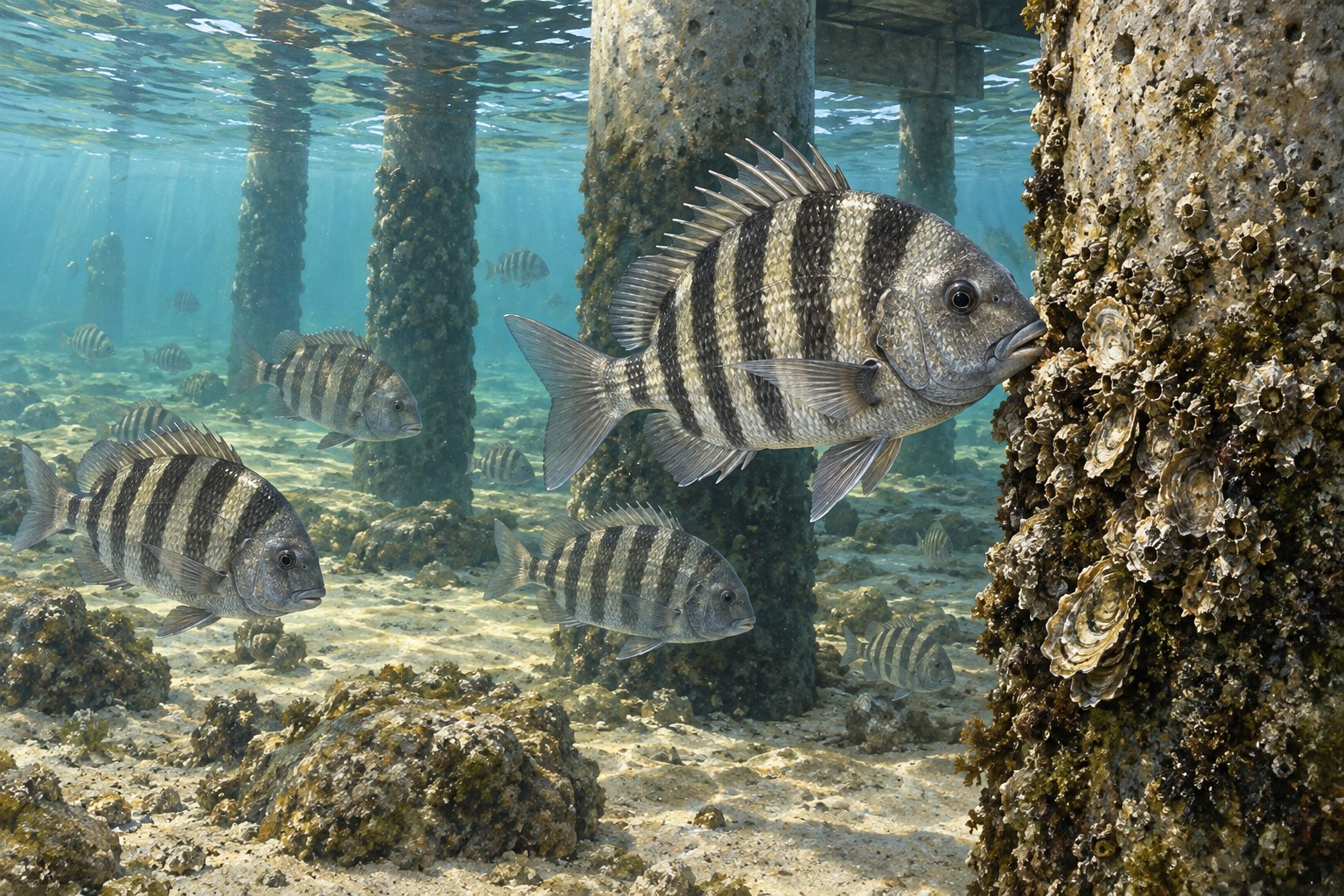
Sheepshead can feed on small crustaceans around suitable hard cover. A neat shrimp offering is worth considering only from a designated permitted position with a recoverable line path. Do not fish into the protected snorkeling area to imitate the habitat shown in the illustration.
Let the snorkeling habitat remain a viewing area
The underwater environment that makes Phil Foster attractive to divers also supports fish and other wildlife. Seeing that habitat from shore is useful education. It is not a reason to place bait among people studying it underwater.
A diver may surface away from the point where you first saw entry. Keep a generous clear separation and follow staff directions. Retrieve if the activity begins to overlap with the fishing lane.
The habitat illustration shows how prey can use a lagoon edge. It does not identify the snorkeling trail as an angling target. Treat its fish and cover as a general lesson rather than a casting instruction.
Use the right facility for the planned activity
Several useful park features sit close together, but each has its own schedule and purpose. Check the chosen feature instead of applying the most generous opening time to all of them.
| Feature | Plan | What not to assume |
|---|---|---|
| Fishing pier | Manage a bait beside clear current | Ramp hours extend pier hours |
| Guarded or snorkeling water | Observe or use the authorized water activity | Visible fish invite casting |
| Boat ramp | Prepare legal launch and trailer arrangements | Any nearby dock permits fishing |
| Closed playground | Check the notice before a family trip | Older amenity lists confirm availability |
Keep a boat launch separate from a shore session
The ramp requires its own parking and launch arrangements. Verify trailer permits, available spaces and current operating rules before bringing a vessel. The ability to launch does not remove navigation or anchoring restrictions in the lagoon.
Secure hooks during boarding and travel. Start fishing only when the vessel is in a suitable legal position and clear of traffic. Avoid turning an approach to the ramp into a last fishing drift.
Wind and wakes can affect the return even when the shoreline appears calm. Carry the required safety equipment and plan the route with the whole outing in mind.
Pack for attention rather than constant reties
A simple rod, compact bait box, spare leaders and pliers make it easier to keep watching a busy lagoon lane. Bring water and sun protection for the time spent at a rail. Keep the public passage free of bags and loose rods.
Set a modest fishing goal on the first visit. Learning the pier layout, current and activity boundaries is useful even without a keeper. A crowded period may be better spent observing than trying to force a presentation.
Follow the pier's evening limit and allow time to pack in good light. Do not use the separate boat-ramp opening as a reason to remain beyond the fishing facility's hours.
Leave the rail and underwater habitat free of line
Put every clipped leader in a closed container and take it out with the tackle. Keep bait waste from attracting birds around hooks. Check current FWC guidance for licenses and harvest before the cooler is used.
Release fish with suitable support and minimal air exposure. Finish by noting which current stage provided a clear recoverable drift. Nearby Peanut Island offers a different park visit that requires boat transport and its own access plan.
Common questions
Can I fish in the Blue Heron Bridge snorkeling area?
Keep hooks separate from swimming and diving activity and follow the designated fishing boundaries. The snorkeling habitat should not be treated as an angling target.
Are the fishing pier and ramps open the same hours?
No. The county lists the pier for sunrise to 10 p.m. and provides separate 24-hour boat-ramp access.
Is the playground currently available?
The county notice lists it as closed until further notice. Check for an updated notice before planning a family visit around it.
What is a useful first bait?
A small clean shrimp or baitfish offering beside recoverable structure can test suitable snapper habitat. Avoid placing the rig where it will snag or overlap with divers.
Prepare for your visit
Check local tides and weather. Read more about snook, mangrove snapper, permit. Check current FWC saltwater fishing rules.