
SOUTHEAST ATLANTIC
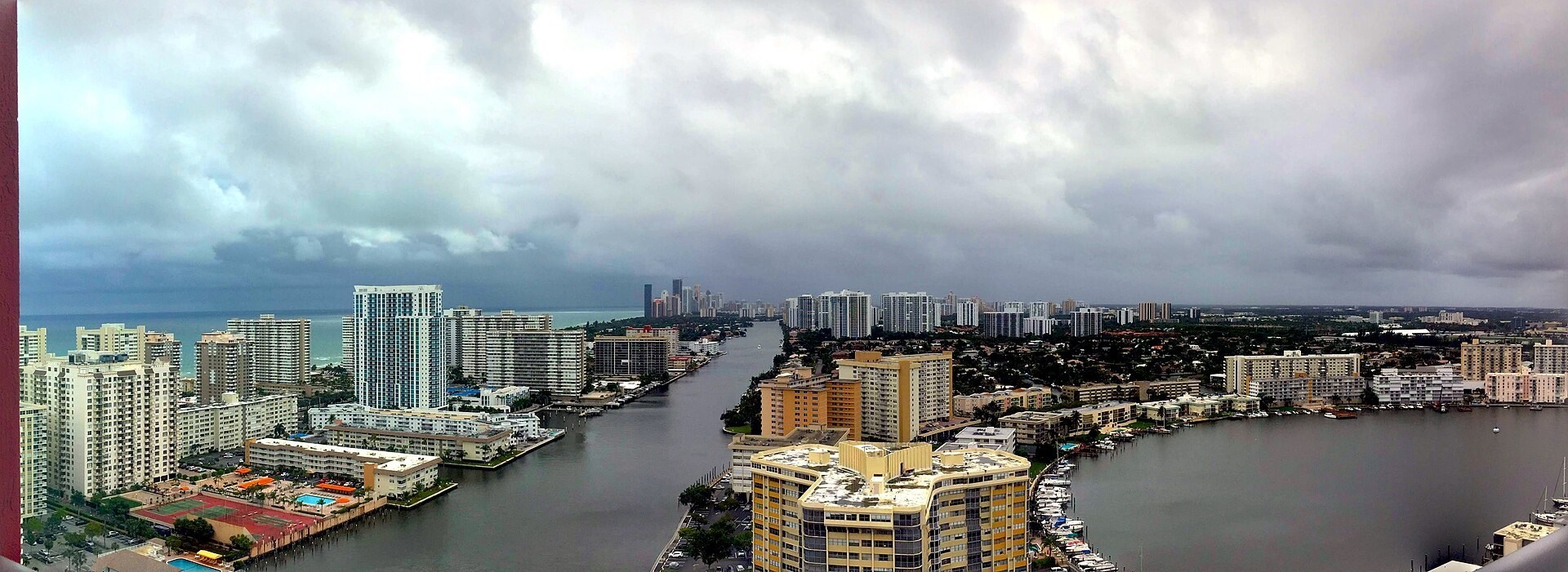
Hallandale Beach
fishing guide
Hallandale Beach has a tightly defined surf-fishing arrangement. The city's current guidance limits it to the southernmost 200 feet of its managed beach during specified morning and evening periods.
Explore the guide ↓Begin with the city's exact fishing limits
Hallandale Beach's fishing guidance identifies the southernmost 200 feet of the city-managed beach as the permitted shore-fishing section. It gives a morning period from dawn to 8 a.m. and an evening period from 6 p.m. to dusk. Those limits are more specific than a general statement that fishing is banned during the middle of the day.
Do not interpret the broader daytime ban as permission to fish all night or across the entire shoreline. Use the current detailed section and time guidance, confirm posted directions and ask staff when the boundary is unclear.
The city also prohibits fishing in public parks and from bridges under its guidance. Spearfishing and commercial fee-based fishing activity are excluded. A public waterfront view is therefore not automatically a place to use a rod.
The fishery plan must fit the limited space without hooks crossing people. If the allowed section is occupied or conditions make it unsuitable, choose a separately permitted destination.
Prepare before the usable window begins
Pack leaders and bait at home so the beach session does not begin with a long rigging delay. Keep hooks secured during the walk. Confirm parking and the public route before arriving in low light.
Allow the session to end before the applicable cutoff. Packing and collecting line are part of responsible use, not tasks to leave until after the final permitted cast. A small gear load makes that easier.
A morning window may provide less glare and fewer people, but the whole lane still needs checking. An evening opening can overlap with beach visitors. Keep attention on who enters the section, not only on the clock.
Test the closest clean surf trough
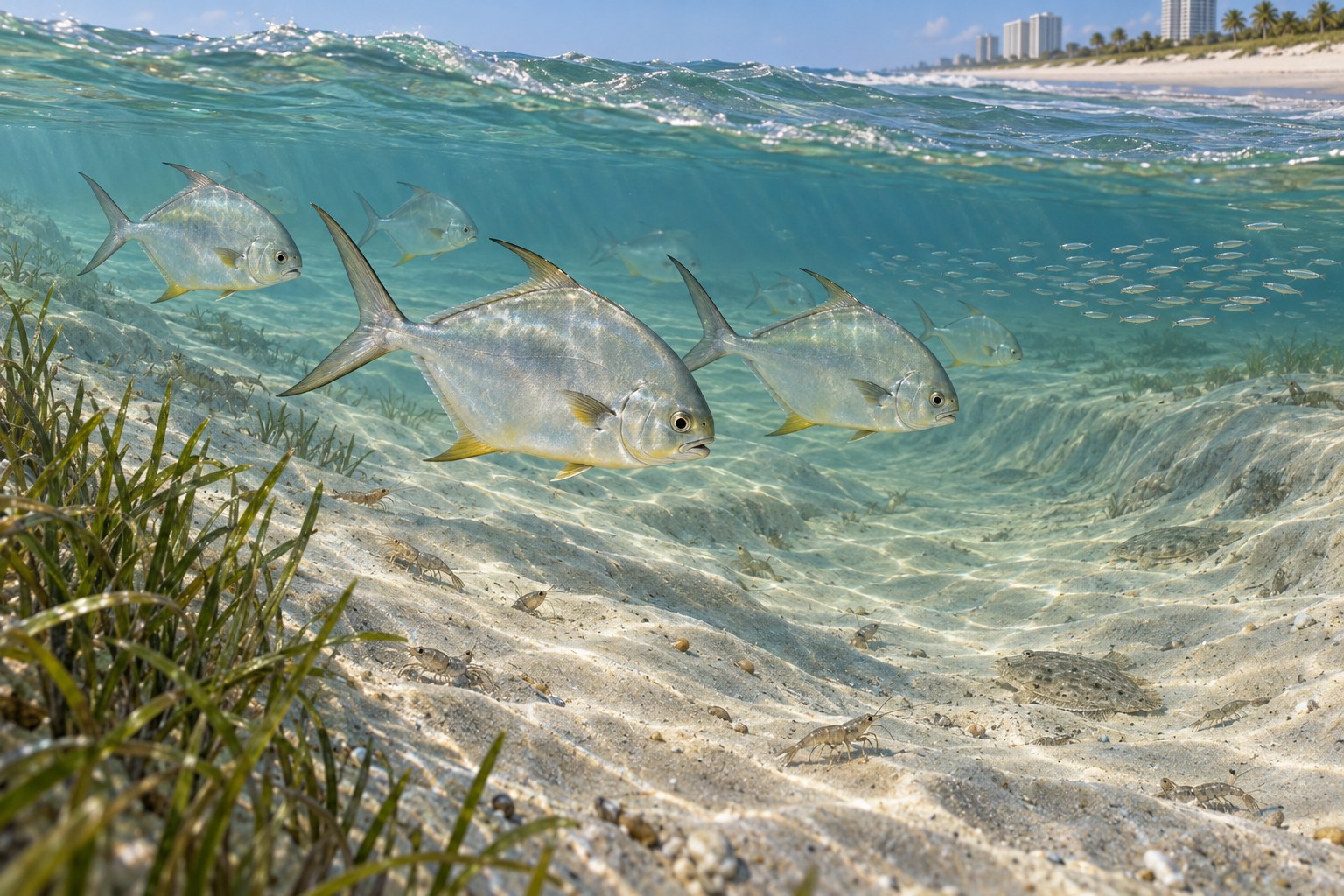
Whiting and pompano can feed in suitable regional surf sand. Watch for a trough inside a bar where waves move small prey along shore. The limited legal section makes accurate controlled placement more useful than maximum casting distance.
Use a small shrimp piece, sand-flea offering or firm strip bait. A short dropper and steady sinker create a manageable first test. Leave a clear point on the Hallandale bait and straighten any leader coils.
Check whether the rig holds inside the approved lane. A rolling sinker can carry hooks beyond the available space. Retrieve promptly and change the presentation or stop when the drift cannot be controlled.
Inspect returned bait for weed or theft. An empty hook in a good-looking trough still cannot catch the intended fish. Make a small observed adjustment instead of adding several rods.
Use a compact lure only with a clear path
Snook or jacks can follow small fish along suitable warm coastline water. A small swimming lure can search the approved lane during the allowed period. Look for bait movement before deciding that a predator search is worthwhile.
Place the lure ahead of a fish's route and keep it above sand. Short angled casts may use the nearshore lane better than repeated straight-out casts. Pause when people enter the water or pass behind the rod.
A bait school can also bring mackerel or bluefish along the coast. Toothy species need careful leader checks and pliers. Do not chase a school beyond the city's permitted section to continue the action.
Prepare a quick supported release. A short time window should not turn fish handling into a rushed drag across dry sand.
Let the water decide whether the section is usable
The permitted section may be too rough or weed-filled on a particular day. A rule allowing fishing is not a guarantee that the conditions support it. Watch several wave sets before choosing a standing position.
Onshore wind can push bait and debris along the beach while increasing shorebreak. A heavier sinker helps only when it restores a controlled presentation. It does not solve unsafe footing or a lane crowded with people.
Tide can change trough depth within the short session. Compare the actual line drift and bait condition with the prediction. Keep notes tied to the permitted southern section rather than the whole Hallandale coast.
Avoid expanding the permission by assumption
The safest planning habit is to use the city's detailed guidance directly. Related restrictions should not be combined into a wider unofficial fishing opportunity.
| Question | Plan from current guidance | Do not assume |
|---|---|---|
| Where on the managed beach? | Southernmost 200 feet | Every quiet stretch is available |
| Morning period? | Dawn to 8 a.m. | An early parking arrival opens other areas |
| Evening period? | 6 p.m. to dusk | The beach is open to fishing all night |
| Other public waterfront? | Check the prohibition on parks and bridges | A water view permits casting |
Use a seasonal idea to choose one method
Cooler fronts may alter surf-fish activity, while warm water can support a shoreline snook search. These patterns are clues for packing rather than a promise of the catch. Local bait and conditions remain decisive.
For a first visit, choose either a small bottom bait or a lure search. Trying both with several rods in a narrow section can make sharing the space harder. Change only when the visible water gives a reason.
Check thunderstorms before the morning or evening trip. Low light does not remove weather exposure, and the beach should be left before approaching lightning creates a difficult exit.
Check the species rules and finish on time
Verify the current FWC license and harvest requirements before fishing. Identify every potential keeper carefully and release unwanted fish promptly with wet hands and support. A photograph should not delay the return to water.
Pack before the permitted window ends and count the rig components. Record the current, bait and available space for a future visit. Nearby Hollywood and Dania have different rules and should be planned separately.
Common questions
Where may I fish Hallandale's managed beach?
The city identifies the southernmost 200 feet for surf fishing. Confirm the marked boundary and current directions before setting up.
What time windows does the city give?
The reviewed guidance gives dawn to 8 a.m. and 6 p.m. to dusk. Do not interpret a daytime ban as all-night permission.
Can I fish from a town park or bridge instead?
The city's current fishing guidance prohibits fishing in public parks and from bridges. Choose a separately confirmed legal destination.
What if the allowed section is crowded or rough?
Keep the rods packed or leave for another permitted location. The limited permission does not guarantee that a safe fishing lane exists that day.
Prepare for your visit
Check local tides and weather. Read more about snook, florida pompano, whiting. Check current FWC saltwater fishing rules.