
FLORIDA KEYS & EVERGLADES
Curry Hammock State Park
fishing guide
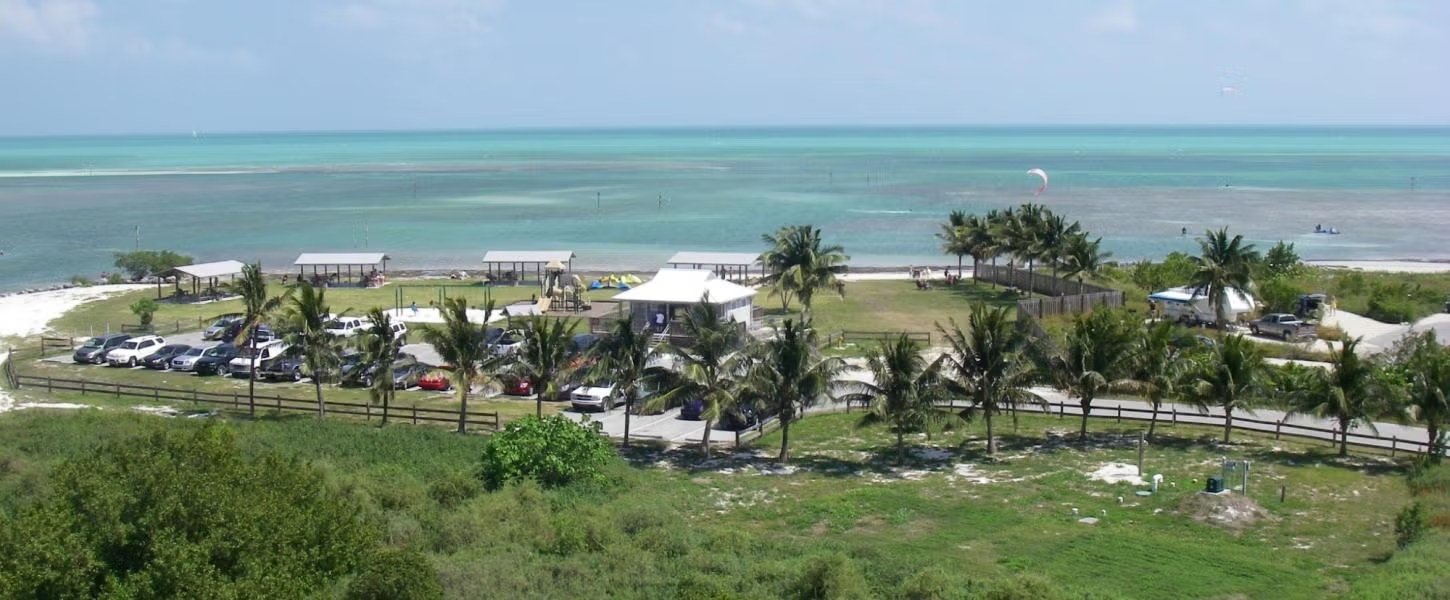
Curry Hammock offers a close look at the Middle Keys food web. Its flats, mangrove edges and nearby channel call for different fishing methods. Choose an approved position and protect the shallow habitat.
Explore the guide ↓Begin at the ranger station in Marathon
Curry Hammock State Park is at 56200 Overseas Highway in Marathon. Its usual visiting hours are 8 a.m. to sunset. The ranger station can explain the current fishing boundaries, parking conditions and paddling options. Call 305-289-2690 when a particular activity determines whether the trip is worthwhile.
The park permits fishing, but swimming areas and other visitor routes still need room. Locate the allowed casting space before carrying loose hooks to the waterfront. Limited parking can fill, and the park has no overflow lot. Prepare a second destination rather than assuming a roadside space is legal. A short, comfortable outing is better than rushing into an unsuitable position.
Read the difference between a flat and a channel
Mangroves, seagrass and sand create a patchwork of shelter and feeding areas. The flat may look nearly uniform from a distance. Up close, a clean sand lane beside vegetation can form a useful travel route. Small crustaceans and fish support larger animals moving through this system.
The adjoining channel is a different setting. More depth and moving water can concentrate prey, but they also change how tackle behaves. Observe from stable ground before deciding which habitat suits your equipment. Do not wade toward a dark patch merely because it might hold fish. A channel edge can become deep faster than its surface suggests.
Give bonefish and permit a quiet approach
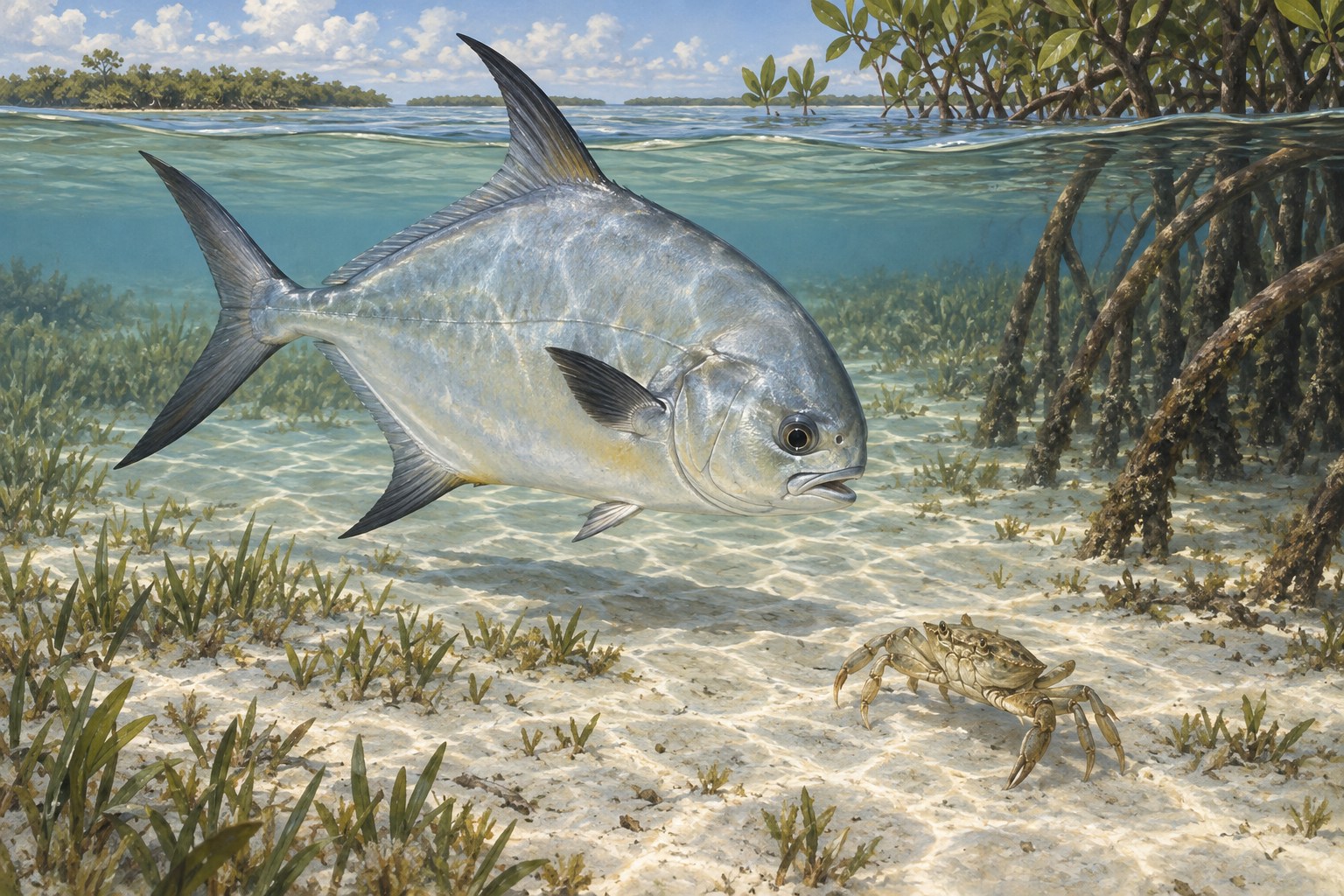
The park identifies bonefish and permit among the fish using its flats. These are challenging sight-fishing targets, not guaranteed catches. Good visibility, controlled movement and a presentation ahead of a fish's path matter more than repeatedly throwing toward a shadow.
Use polarized glasses to separate moving fish from bottom color. Stand still long enough to judge direction. Place a small offering in open sand where the fish can find it, then allow the animal to approach. Splashing, a line dropped across its route or a heavy bait landing too close may end the opportunity. Leave room between yourself and anyone watching or snorkeling nearby.
Keep a light presentation above the plants
A compact shrimp imitation can work through a sandy lane without burying itself in seagrass. Start with enough weight to reach the intended water layer, then reduce weight if it drags. Small pauses and restrained lifts usually imitate vulnerable prey better than a frantic retrieve across every patch of vegetation.
Legally obtained natural shrimp provide another option in an approved fishing area. Check the rules for the target species and hook arrangement before use. Bonefish must be released under Florida regulations. Prepare the release tools before casting, and keep handling brief. Do not dig for bait in protected habitat or pull plants aside to create a casting lane.
Treat channel fish as a separate tackle choice
The park also describes snapper, snook and sharks in its channel habitat. A fish associated with deeper water may require a different landing plan from a small flat species. Choose tackle that can guide the expected catch away from structure without requiring a risky descent down a bank.
A baitfish imitation worked along an accessible edge can test for predators. For smaller snapper, a modest legally sourced bait held near cover may be more useful than casting far beyond it. Avoid deliberately seeking large sharks from a busy public shoreline. If an unexpected powerful animal takes the bait, protect people first and follow species handling rules rather than extending the fight for a photograph.
Paddle with a return route already chosen
Kayaks and paddleboards can use the park's designated launch arrangements. Motorized vessel launching is prohibited. A rental or launch opportunity is not proof that every nearby route is suitable for a first-time angler. Ask about the current route, wind exposure and required equipment before setting off.
Secure hooks during travel and keep a paddle immediately available. Choose a sheltered plan that leaves enough energy for the return. Wind can turn a short outbound drift into a long struggle home. Avoid grounding on seagrass or squeezing through mangrove roots with dangling tackle. Check sanctuary boundaries for the intended trip, including areas beyond the park, before selecting an anchoring or casting position.
| Habitat | Presentation idea | First check |
|---|---|---|
| Open sand lane | Small shrimp imitation | Approved casting space |
| Accessible channel edge | Baitfish lure or modest bait | Depth and landing route |
| Paddle route | Compact secured tackle | Wind and return distance |
Let glare and wind shape the session
Water level changes which parts of the flat fish can use. A rising level may provide new feeding space; falling water can concentrate movement along deeper routes. Compare the tide forecast with the actual shoreline, because local wind can raise or lower water differently from the predicted pattern.
Early and later light may be comfortable, but a low sun angle can also make sight fishing difficult. A clear midday view is useful only when heat and exposure are manageable. Cooler fronts can bring rough conditions, while warm-season storms can build quickly. Choose the window with safe access, tolerable wind and enough visibility to understand the water rather than relying on a single favorite tide.
Keep fishing separate from collection and swimming
Curry Hammock prohibits spearfishing, possession of spearfishing equipment and collection of tropical fish by any method. Those restrictions matter even if the water is clear enough to see attractive fish close to shore. Watching them is a welcome part of the visit; collecting them is a different activity.
Swimmers and snorkelers need space free of line and hooks. Move only to another approved area if the fishing lane becomes occupied. Pack clippings and bait waste into a closed container. Avoid leaving tackle on picnic tables or walking routes. Protecting shallow habitat also protects the prey supply that makes fishing possible, so a snag in vegetation should prompt a careful change in method.
Build a useful day even when fish are scarce
Bring drinking water, sun protection, simple rigging and a small kit for removing hooks safely. Keep the fishing plan compact enough to leave time for a beach stop or habitat observation. The hardwood hammock trail is separate from the waterfront and has uneven coral rock, so suitable shoes belong in the day's planning.
Record the water level, wind direction and habitat where you saw prey. A blank catch record can still teach which lanes were too shallow or too exposed. Use that information for the next permitted session. Do not respond to slow fishing by entering a swimming area, stepping through plants or extending a paddle beyond your safe range. The best improvement is a more accurate understanding of the park.
Common questions
Can I launch a motorboat at Curry Hammock?
No. The park prohibits launching motorized vessels. Ask about its designated kayak and paddleboard launch arrangements.
Which flats fish does the park identify?
Its official information lists bonefish and permit. Visibility and a quiet approach help, but their presence is never guaranteed.
Can I collect colorful tropical fish?
No. Tropical fish collection is prohibited, as are spearfishing and possession of spearfishing equipment.
What should I do if the parking area is full?
Use another planned destination or return when entry is available. There is no overflow parking area.
Prepare for your visit
Check local tides and weather. Read more about snook, permit, bonefish. Check current FWC saltwater fishing rules.