

A livewell full of frisky bait is the foundation of a successful day on the water in Florida. Before you can get to the fishing, you have to get the bait, and for most of us, that means throwing a cast net. But that net in your boat is more than just a tool. To the Florida Fish and Wildlife Conservation Commission (FWC), it is harvesting gear, and that means you need to know the Florida cast net rules. Understanding these regulations is not about avoiding a ticket, it is about ensuring our bait resources remain healthy for every trip to come.
Understanding Florida Cast Net Rules for Gear
The first step to compliant bait netting is making sure your gear is legal. The FWC sets specific limits on the size and use of cast nets to ensure sustainable harvesting. The most important number to know is fourteen. A cast net cannot have a stretched length greater than 14 feet. This measurement is not the diameter or radius when the net is open in the water. It is the distance from the horn at the top of the net down to the lead line at the bottom when the net is gathered up. To check your net, simply hold the horn and let the net hang, then measure down to the leads. If it is over 14 feet, it is illegal for recreational use in Florida waters.
The rules also dictate how many nets can be in use at one time. If you are on a vessel, you and your crew can operate a maximum of two cast nets simultaneously. This applies to the entire boat, not each individual angler. If you are wading from shore, like on a beach or a flat, the rule is simpler: one net per person. This prevents groups from creating a wall of nets that could block fish movement in a small area.
You might have heard about Florida’s constitutional ban on entangling nets, which primarily targets gill nets. Cast nets are a specific exception. The law allows for the use of cast nets made of monofilament, which is crucial because that is what most modern, effective nets are made from. Knowing your gear is compliant before you even get to the ramp is the first and easiest part of following the Florida cast net rules.
Licensing Requirements for Cast Netting

Let’s be direct: if you throw a cast net to catch bait in saltwater, you must have a valid Florida recreational saltwater fishing license. There is no gray area here. Even if your only goal is to fill the livewell with pilchards and you have no intention of wetting a hook for game fish, the act of harvesting bait with a net requires a license. The FWC considers cast netting a form of fishing, and the license fees are what fund the research, habitat restoration, and law enforcement that keep our fisheries productive.
Certain exemptions do exist. Anglers under 16 years of age and Florida residents 65 or older are not required to purchase a license. However, this is a critical point: being exempt from the license requirement does not exempt you from the rules. Exempt anglers must still adhere to every gear restriction, bag limit, and size limit. The rules apply to everyone on the water.
Getting licensed is simple. The most efficient way is through the official GoOutdoorsFlorida website or by using the MyFWC mobile app on your phone. You can also purchase a license from most tackle shops or county tax collector’s offices. Do not leave the dock without it. An FWC officer asking for your license is a standard part of a day on the water, and having it ready shows you are a responsible angler who supports the resource. Following FWC cast net regulations starts with being properly licensed.
Legal Bait Species You Can Target
With a legal net and a current license, it is time to fill the well. Florida’s waters are rich with prime bait, and knowing what you can keep is key. The vast majority of what you will catch are unregulated baitfish, the fuel for our inshore and nearshore fisheries. These are the species you are actively looking for: pilchards (whitebait), threadfin herring (greenbacks), and pinfish. For these common baits, there are generally no size or bag limits. They are the bread and butter of a successful bait trip.
However, your cast net does not discriminate. You will inevitably catch species that are regulated as game fish. This is where many anglers get confused. Catching a keeper-sized sheepshead or pompano in your net is a bonus, but it still counts towards your daily bag limit for that species. You must treat it exactly as if you caught it on a hook and line. This is a perfect example of why you must stay current on all florida fishing regulations, not just the rules for your gear. Knowing the legal bait fish Florida rules is only half the battle.
Here is a quick guide to common species you might encounter in your cast net:
| Bait Species | Primary Use / Target | Notes on Regulations |
|---|---|---|
| Mullet (all species) | Snook, tarpon, redfish, sharks | No minimum size, 11-14 inch slot for harvest in some areas. Check local rules. |
| Shrimp | Redfish, sheepshead, pompano, trout | Bag limit of 5 gallons (heads on) per person or vessel, per day. |
| Pilchards / Whitebait | Snook, redfish, trout, mackerel | Unregulated. The go-to live bait for inshore fishing. |
| Threadfin Herring / Greenbacks | Kingfish, tarpon, snook | Unregulated. Excellent for chumming and as live bait. |
| Pinfish | Grouper, snapper, tarpon | Unregulated. A hardy bait for offshore and bottom fishing. |
| Sheepshead | Excellent table fare | Minimum size 12 inches, 8 per person bag limit. |
| Florida Pompano | Excellent table fare | Minimum size 11 inches, 6 per person bag limit. |
This table highlights common species legally harvested with a cast net. Note that while many are unregulated baitfish, species valued as game fish (like Pompano or Sheepshead) are still subject to their specific FWC size and bag limits, regardless of capture method.
Prohibited Species and Release Practices
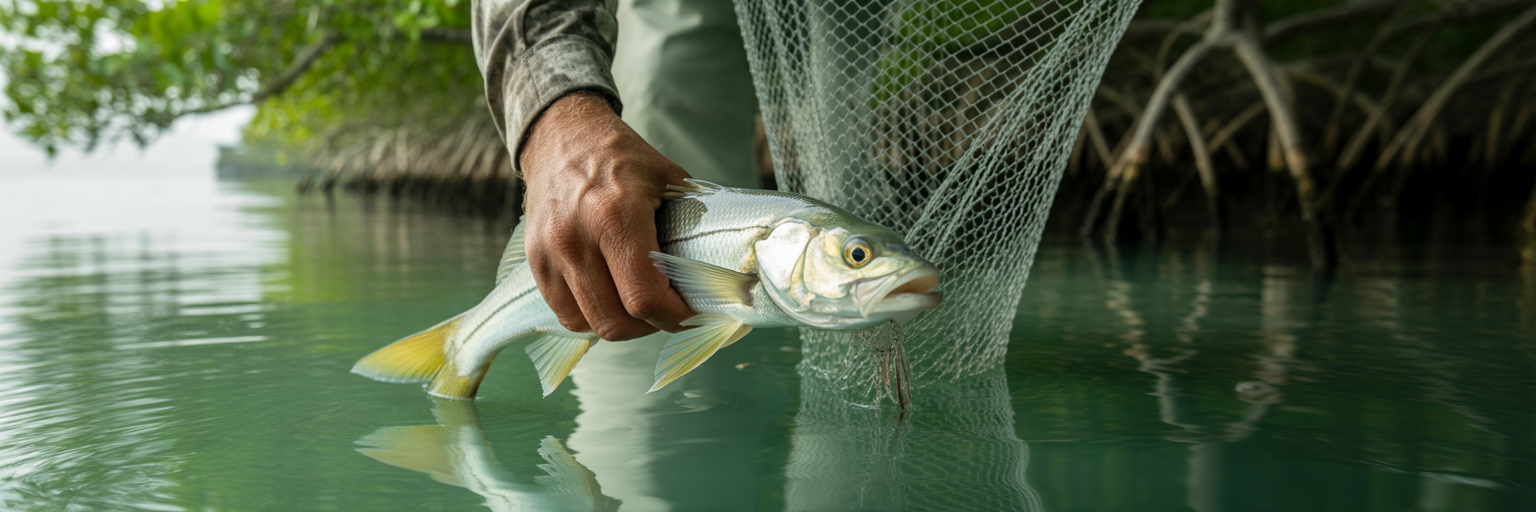
Just as important as knowing what to keep is knowing what you must release. This is where stewardship as an angler comes into play. The rule is absolute: it is illegal to harvest or possess snook, tarpon, and spotted seatrout captured with a cast net. If one of these species ends up in your net, it must be returned to the water immediately and unharmed.
What does “immediate and unharmed release” actually mean on the water? It means you act quickly and carefully. Handle the fish with wet hands to protect its slime coat. Do not let it thrash around on a hot, non-skid deck, which can cause injury and remove its protective slime. Support the fish’s body and get it back into the water as fast as possible. The goal is to minimize stress and give the fish the best possible chance of survival.
This practice extends beyond the big three. Your net will often capture juvenile game fish like undersized redfish or snapper, as well as other non-target species like small sharks and rays. The best and safest approach is a simple one: if in doubt, let it out. There is no penalty for being cautious. A good habit to develop is shaking your net out in the water before lifting it completely onto the boat. This allows many of the smaller, unwanted fish to swim out through the mesh, reducing the time you spend sorting on deck and getting your desired bait into the livewell faster.
The Snook and Cast Net Possession Rule
This is one of the most misunderstood and debated regulations in Florida, so let’s make it crystal clear. The general snook cast net rule states that it is illegal to be in possession of any snook while also having a cast net readily available for use on your vessel. The FWC’s reasoning for this is straightforward: it is a measure to prevent poaching. It stops someone from claiming they were “catching bait” if they are found with a net full of snook.
However, there is a critical exception that every law-abiding angler needs to understand. The rule does not apply if your cast net is “properly stowed.” This is the key phrase. “Properly stowed” does not mean coiled in a five-gallon bucket on the deck or tucked under the console. It means the net is secured in a way that it is not immediately accessible for use. Think of it as putting the net away for the day.
The best practice is simple and removes all doubt. Once your livewell is full and you are done catching bait, put the cast net away in a locked compartment, a closed bow hatch, or a dry storage box. Once that hatch is closed, you can fish for snook with peace of mind. Making this a routine habit eliminates any potential for a negative interaction or citation. The moment you are done with bait, the net gets put away. Period.
Responsible Netting to Protect Wildlife
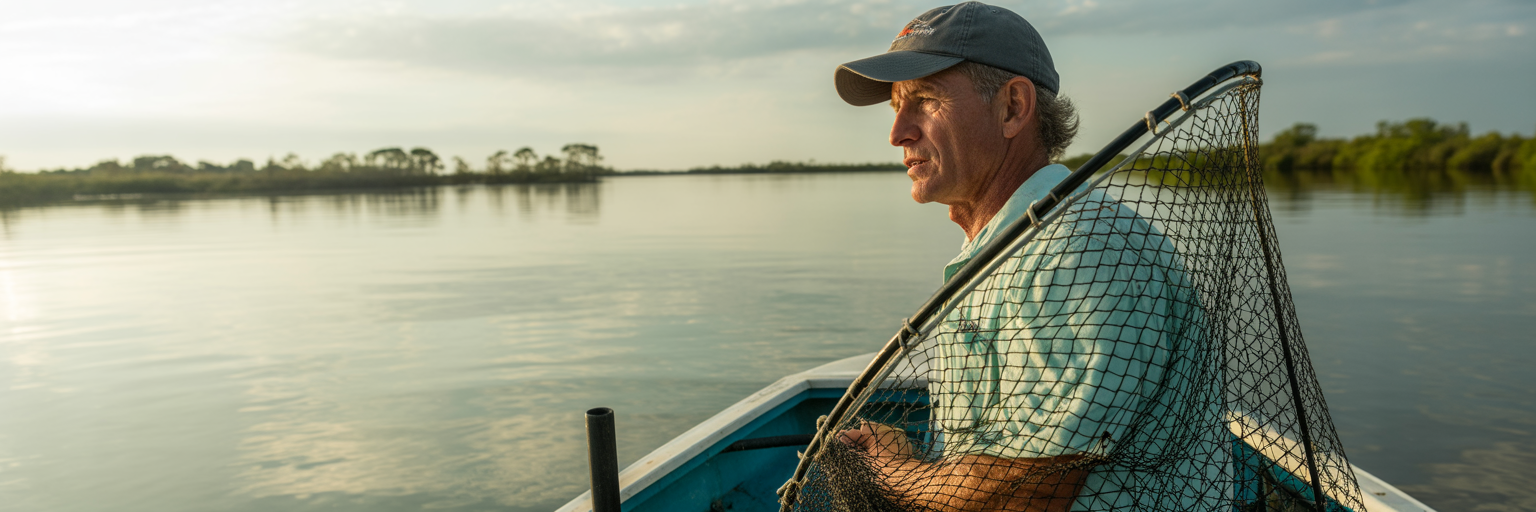
Our responsibility on the water extends beyond just the fish. Cast nets can pose a risk to other marine life, and it is up to us to minimize that risk. Before you make a throw, get in the habit of scanning the water. Look for the telltale signs of protected wildlife. This could be the circular “footprint” a manatee leaves on the surface as it breathes, the small head of a sea turtle coming up for air, or the dorsal fin of a dolphin. If you see any of these animals, do not throw your net.
Be aware of high-risk areas. Marked manatee zones, especially in the winter, are obvious places to be extra cautious. During sea turtle nesting season, avoid throwing a net right in the surf zone of a known nesting beach. Also, be mindful of bird rookeries. Diving birds like pelicans can become entangled, leading to injury or death. A moment of observation can prevent a tragedy.
A pro-level technique for protecting bycatch is to “shake the lead line.” After your net opens but before you pull it closed, give the lead line a few vigorous shakes just below the surface. This action often startles smaller fish and gives them a chance to escape before you close the net. If the worst happens and you accidentally entangle an animal like a turtle or a bird, stay calm. Cut the net if you must to free the animal, and immediately call the FWC Wildlife Alert Hotline at 888-404-3922. Reporting the incident is the right and legal thing to do; you will not get in trouble for an accident if you report it and seek help.
Where You Can and Cannot Use a Cast Net
Knowing the rules for your gear is one thing, but you also need to know the rules for the specific water you are on. The statewide regulations provide a baseline, but local rules can be stricter. A key statewide rule prohibits using a net in a way that blocks the free passage of fish. This means you cannot use your net to wall off a narrow channel, a small creek mouth, or an inlet pass to trap fish. The intent is to ensure fish can migrate and move naturally.
Think of the regulations as a pyramid. Federal rules may apply in offshore waters, followed by the statewide FWC rules, and then, at the base, are local county, city, or park ordinances. You are required to follow the strictest rule that applies to your location. For example, areas like Everglades National Park, certain state parks, or designated aquatic preserves may ban cast netting entirely or have specific restrictions. This is a key part of learning how to use a cast net in Florida legally.
The responsibility falls on you, the angler, to know before you go. Claiming ignorance of a local ordinance posted on a sign at the boat ramp will not work as a defense. Before fishing a new area, especially a park or preserve, take a few minutes to check for any specific rules regarding bait harvesting. A quick search online or a call to the managing authority can save you a lot of trouble.
How to Confirm Current Regulations Before Your Trip
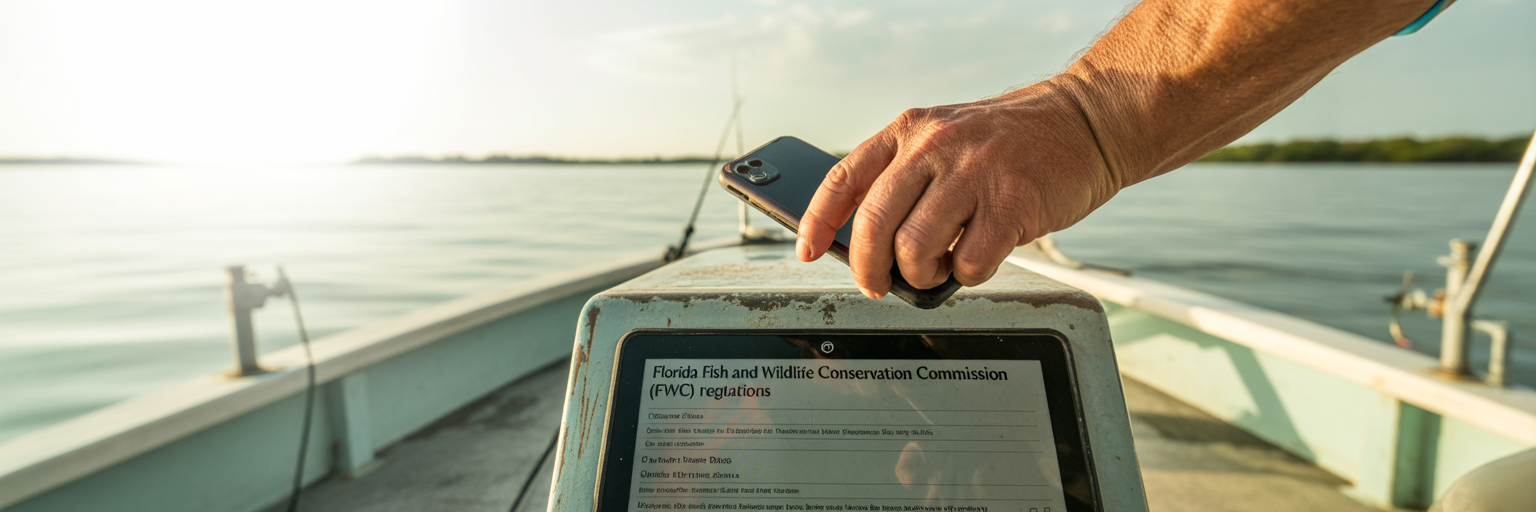
Rules can and do change. Emergency closures after a freeze, seasonal spawning regulations, or red tide events can alter the rules overnight. Making a pre-trip check a part of your routine is the mark of a smart angler. Your first and best resource is always the official FWC website. It is the primary source of truth for all statewide fishing regulations.
For on-the-water convenience, downloading the MyFWC mobile app is a must. It puts regulations, species identification guides, and even your license right on your phone. The best part is that once you download the regulations, they are accessible even when you are offshore and out of cell range. For complex or hyper-local questions, do not hesitate to call a regional FWC office. Speaking directly with a biologist or law enforcement officer is the best way to get a definitive answer to a specific question.
When you are looking for official information, stick to official sources. The FWC provides a clear breakdown of recreational gear rules, which is available on resources like eRegulations. Cross-referencing information ensures you are operating with the most current data. A five-minute check before you leave the house can ensure your day is about fishing, not fines.
Penalties for Violating Cast Net Rules
The FWC takes violations of saltwater bait fishing regulations seriously, and the penalties can put a swift end to your fishing day and cost you significant money. The most immediate consequence for a gear violation is often gear forfeiture. Imagine an officer cutting your brand new, expensive cast net off your boat right there on the water. It happens, and it is a penalty that stings.
Financial penalties are also common, and fines can range from a hundred to several hundred dollars or more, depending on the violation. For more serious offenses, like the intentional poaching of protected species like snook or tarpon with a net, the charges can escalate to a criminal misdemeanor. This means a mandatory court appearance, much larger fines, and a potential criminal record.
Ultimately, compliance is not just about avoiding a ticket. It is about respecting the resource and your fellow anglers. Following the rules ensures that the bait populations remain strong and that our game fish have the forage they need to thrive. A day on the water should be about the thrill of the catch and the beauty of Florida’s coast, not a stressful encounter over a preventable violation.
Pre-Trip Compliance Checklist for Bait Netting
Before you leave the dock, run through this quick mental checklist. It summarizes the most critical points and ensures you are ready to gather bait responsibly and legally.
- License & Gear: Is my saltwater license current and on my person or phone? Is my cast net 14 feet or less in stretched length? If I am on a boat, do I have two or fewer nets to be used?
- Target & Bycatch Knowledge: Am I confident I know the bag and size limits for any regulated fish I might catch in the net? Am I prepared to identify and immediately release prohibited species like snook, tarpon, and seatrout?
- Location Rules: Have I checked the FWC website or app for any special regulations, closures, or local ordinances for the specific area I am fishing today? Am I aware of any nearby manatee zones or wildlife preserves?
- Stowage Plan: If I plan to fish for snook, do I have a designated, secure compartment to properly stow my cast net after I am done collecting bait?
Running through this list takes less than a minute. It is a simple habit that protects you, protects the fishery, and sets you up for a great, stress-free day on the water.