
For any Florida angler, one truth stands above all others: water movement is everything. Tides are the engine creating that movement, and the resulting current is the conveyor belt that delivers bait to hungry predators. Understanding Florida fishing tide charts is not about keeping your hull off a sandbar. It is about predicting when and where fish will feed. This knowledge transforms a hopeful day on the water into a calculated, productive trip.
You have heard the mantra: “no flow, no go.” This is the core philosophy of tide-based fishing. A dead, static flat might hold a few scattered fish, but a flat with a discernible current pushing across it becomes a buffet line. The moving water dislodges crabs and shrimp, forces baitfish out of hiding, and triggers an aggressive feeding response. A tide chart is your tool for predicting this action before you even leave the dock.
Florida’s coastline makes a one-size-fits-all approach impossible. The state has three distinct tidal regions, each with its own personality. The Atlantic Coast generally sees semidiurnal tides, with two predictable highs and two lows of similar height each day. The Gulf Coast is a different beast, with mixed or diurnal tides that can mean one high and one low, or two unequal cycles. Here, the tidal range is smaller, and wind often plays a much larger role. Then you have the Florida Keys, a unique system acting as a pass between the Atlantic and the Gulf, creating complex and powerful currents.
This guide will teach you to move beyond just noting high and low tide times. The goal is to learn how to use these charts to strategically choose your spots, anticipate feeding windows, and ultimately, put more fish in the boat.
How to Read the Data on a Tide Chart
Looking at a tide chart for the first time can feel like reading a foreign language. But once you know what to look for, it becomes a simple and powerful tool. Think of it as the game plan for your day on the water. We are not just looking at numbers, we are looking for opportunities.
The Core Components: Time and Height
At its most basic, a tide chart shows two key pieces of information. It lists the times for high and low tide and the corresponding water height. This height is typically shown in feet and is measured relative to Mean Lower Low Water (MLLW), which is just a standardized baseline. For an angler, a chart might show a high tide at 10:00 AM of +3.5 feet and a following low tide at 4:15 PM of -0.2 feet. These are your anchor points for the day.
Tidal Range: The Engine of the Current
Here is what separates beginners from seasoned anglers. It is not the absolute height of the tide that matters most, but the difference between the high and low. This is the tidal range, sometimes called the coefficient. This number dictates the speed of the current. A big range, like a four-foot swing on the Atlantic coast, means ripping current. A small range, like a 1.8-foot swing on the Gulf coast, means a slower, more subtle flow. A larger range generally means more aggressive feeding as bait is moved more forcefully.
The Four Stages of a Tide Cycle
A full tide cycle has four distinct stages, and fish behave differently in each one. Understanding these phases is crucial for knowing where to be and when.
- Incoming (Flood): The water is rising. This tide pushes clean, cool water and bait onto shallow flats and into creeks. Predators follow, actively hunting.
- High Slack: The brief pause at the peak of high tide. The current dies for about 30 to 60 minutes, and the bite often dies with it.
- Outgoing (Ebb): The water is falling. This tide acts like a drain, pulling baitfish, shrimp, and crabs out of structure and into predictable ambush zones.
- Low Slack: The pause at the bottom of the tide before the cycle repeats. Like high slack, this is often a period of inactivity.
The Rule of 12s: Predicting Peak Flow
For anglers wondering how to read a tide chart for fishing effectively, the Rule of 12s is a powerful concept. It helps you predict the strength of the current throughout the cycle. Assuming a six-hour period between high and low tide, the water movement breaks down like this:
- 1st Hour: 1/12 of the total water volume moves.
- 2nd Hour: 2/12 of the total water volume moves.
- 3rd Hour: 3/12 of the total water volume moves.
- 4th Hour: 3/12 of the total water volume moves.
- 5th Hour: 2/12 of the total water volume moves.
- 6th Hour: 1/12 of the total water volume moves.
The takeaway is simple. The third and fourth hours of a tide see the most water movement. This is your prime time. This is when the current is strongest, the bait is most vulnerable, and the predators are most active.
Angler Strategies for Incoming vs Outgoing Tides
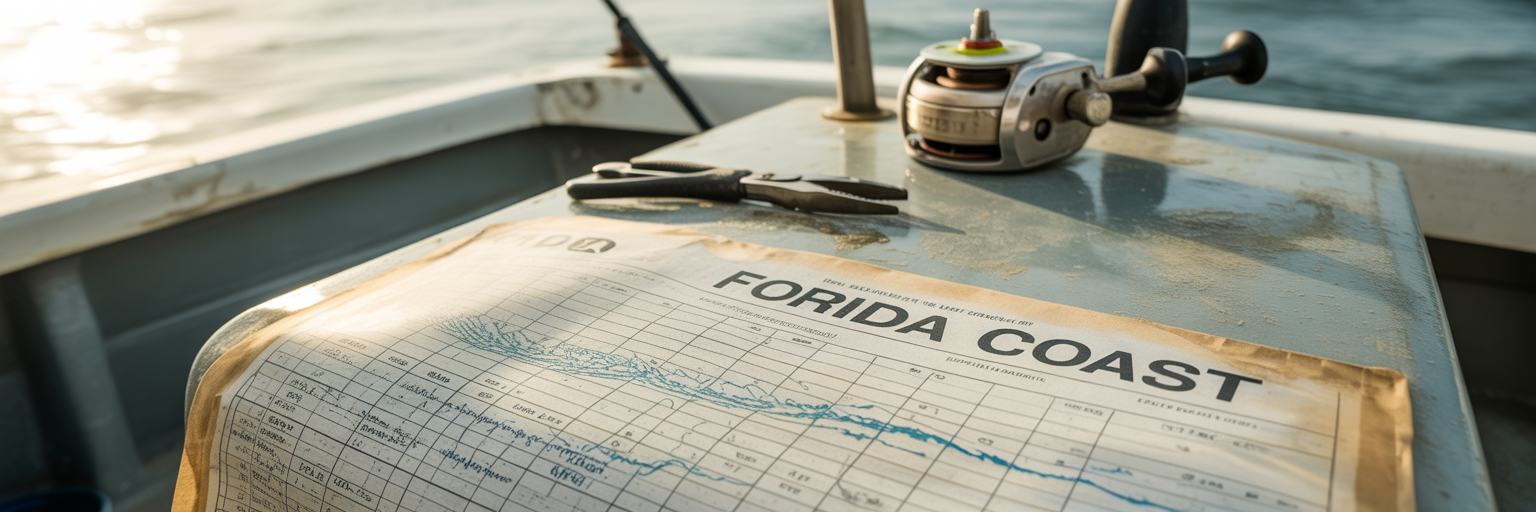
The debate over incoming vs outgoing tide fishing is as old as fishing itself. The truth is, both can be incredibly productive, but they require completely different mindsets and strategies. One is about active hunting, the other is about setting a calculated ambush. Matching your approach to the tide’s direction is fundamental to consistent success.
The Incoming Tide: Pushing In to Hunt
Think of the incoming tide as the exploration phase. Clean, oxygenated water begins to flood onto shallow flats, into backwater creeks, and through mangrove tunnels that were dry just an hour before. This rising water brings life with it, and predators are right behind. This is the tide for covering ground and actively searching for fish.
This is when you will find redfish pushing into skinny water, their tails breaking the surface as they dig for crabs. It is when spotted seatrout move up into lush seagrass beds to forage. Snook will use the rising water to push deep into mangrove root systems, hunting in places they could not reach on a lower tide. Your strategy here is to be mobile, keep your eyes peeled for signs of life like nervous water or bait schools, and be ready to make a quick, accurate cast to a fish that is on the move.
The Outgoing Tide: Setting the Ambush
If the incoming tide is about hunting, the outgoing tide is all about the ambush. Use the analogy of pulling the plug on a bathtub. As the water level drops, every creature that was spread out across the flats and backwaters is forced to retreat. This falling water funnels baitfish, shrimp, and crabs into predictable choke points, and the predators know it.
This is the tide for patience and precision. Instead of covering water, you will post up on a strategic point and let the current bring the meal to you. Predators like snook, tarpon, and grouper will stack up at creek mouths, the down-current side of bridge pilings, and along the edges of oyster bars. They sit there, conserving energy, and wait for the tide to deliver an easy meal. The bites during an outgoing tide can be fast and furious, as a concentrated volume of bait is flushed past these ambush points.
| Factor | Incoming (Flood) Tide | Outgoing (Ebb) Tide |
|---|---|---|
| Water Movement | Rises, floods shallow areas | Falls, drains shallow areas |
| Bait Behavior | Disperses onto flats, into creeks | Concentrates at funnels and choke points |
| Predator Strategy | Active hunting, foraging, following bait | Ambushing, holding on structure |
| Angler’s Mindset | Covering water, sight-fishing, exploring | Patience, targeting specific ambush points |
| Prime Opportunities | Tailing redfish on flats, trout in grass | Snook at creek mouths, tarpon in passes |
Matching Tide Movement to Florida Habitats
Understanding the difference between incoming and outgoing tides is the first step. The next is applying that knowledge to the specific habitats you are fishing. Every piece of structure interacts with the current differently, creating unique opportunities for anglers who know what to look for. Here is how to break down some of Florida’s most common fishing grounds by the tide.
Passes and Inlets: The Current Superhighways
Passes and inlets are the main arteries connecting the ocean to the backwaters. As such, they experience the strongest and fastest currents. During the middle of an incoming or outgoing tide, the flow here can be immense. Fish use this to their advantage, holding on structure to get out of the main current while waiting for bait to be swept by. Look for them along jetties, channel edges, and any drop-offs that provide a break from the main flow. These high-traffic zones are prime locations for big predators, especially during the strongest parts of the tide.
Shallow Flats and Backwaters: The Feeding Grounds
Flats are dynamic environments that change completely with the tide. On an incoming tide, predators spread out across the flats to hunt. As the tide begins to fall, they know they must retreat before getting stranded. This forces them into predictable, slightly deeper areas like potholes, cuts, and small channels that crisscross the flat. One of the most effective tide fishing tips Florida anglers can learn is to identify these exit routes and fish them as the water drains out. You are essentially waiting at the door as the fish are forced to leave.
Mangrove Shorelines and Oyster Bars: Edge-Based Ambushes
Mangrove shorelines and oyster bars are magnets for inshore species. A high incoming tide allows snook and redfish to push deep into the mangrove roots or over the top of oyster bars to hunt. This can make them difficult to reach. The magic happens as the tide starts to fall. The dropping water pulls these fish out from the complex structure and positions them along the outside edges and points. They sit here, facing into the outgoing current, waiting to ambush any bait being flushed out of the mangroves. A well-placed cast along the shadow line of a mangrove edge on a falling tide is a classic and deadly tactic.
Bridges and Docks: Man-Made Current Breaks
Bridges and docks are fish magnets because they create predictable current breaks. As water flows past the pilings, it forms eddies and current seams on the down-current side. Fish will hold in these calmer pockets of water, conserving energy while waiting for the tide to deliver bait. The stronger the tide, the tighter the fish will hold to the structure. This makes them easier to pinpoint. Pay close attention to the down-current side of the pilings and the shadow lines they create. This is where you will find predators stacked up, ready to strike.
How to Target Florida Species by the Tide
While most fish will feed on a moving tide, Florida’s most popular species have distinct preferences and patterns. Dialing in your approach based on your target species is the final piece of the puzzle. This is where you combine your knowledge of tides and habitats to create a specific, effective game plan.
Snook: The Ultimate Ambush Predator
Snook are masters of the ambush. While they can be caught on any moving water, the best tide for snook fishing is often the outgoing tide. This is when their predatory instincts are at their peak. They use structure to their advantage, positioning themselves facing into the current at points where bait will be concentrated. Look for them on the down-current side of dock pilings, at the mouths of creeks and residential canals, and along mangrove edges as the water drains off the flats. They are waiting for the tide to bring them a meal, and a live bait or lure drifted naturally with the current is often irresistible.
Redfish: The Relentless Forager
Unlike the stationary snook, redfish are often on the move. They are relentless foragers, and they use the incoming tide to access new feeding grounds. As the water rises, they will push onto the skinniest of flats, often in just inches of water, to hunt for crabs and shrimp. This is the classic sight-fishing scenario, where you can spot them by their protruding tails or the V-wakes they push as they cruise the shallows. An incoming tide gives you the opportunity to stalk these fish in their prime feeding environment.
Spotted Seatrout: The Grass Flat Specialist
Spotted seatrout have a deep connection to healthy grass flats. They will move up onto the flats with the incoming tide to feed on shrimp and small baitfish. However, a key pattern for targeting larger trout occurs on the falling tide. As the water level drops, trout will pull off the shallowest parts of the flat and stage in slightly deeper depressions known as potholes or sand holes. These spots offer refuge and become concentration points for fish. Casting a soft plastic or topwater plug across these potholes on an outgoing tide can be incredibly effective.
Tarpon: The Pass and Channel Dominator
Tarpon are built for power, and they often relate to strong currents. During the spring and summer migrations, huge numbers of tarpon gather in Florida’s major passes like Boca Grande and Government Cut. They use the powerful outgoing tides to feed on crabs and baitfish being washed out to the open ocean. As experts at Salt Water Sportsman have noted, understanding how different species use structure in relation to current is fundamental. For tarpon, this often means feeding in the heaviest flow during the middle of a strong outgoing tide. They can also be found rolling and feeding on calm, high-tide flats during the summer months, offering a different kind of sight-fishing challenge.
Factoring in Wind, Weather, and Moon Phase
A tide chart is an excellent prediction, but it is not gospel. On-the-water conditions can and will alter what the chart says. The best anglers learn to read the environment and make adjustments. Layering factors like wind, moon phase, and weather on top of your tidal knowledge is what separates good trips from great ones.
Trust Your Eyes, Not Just the Chart
This is the number one rule. The chart might predict a strong outgoing tide, but if you get to your spot and the water is still and glassy, the fish likely will not be feeding aggressively. If you do not see current, it does not matter what the chart says. Look for visual cues: water moving past a channel marker, grass leaning in one direction, or a distinct rip line. Your eyes are your most important tool for confirming that the tide is doing what you expect it to do.
Wind: The Great Multiplier (or Subtractor)
Wind has a powerful effect on water levels, especially on the shallow, broad flats of Florida’s Gulf Coast. A strong, sustained onshore wind can act like a bulldozer, pushing water in and holding it there. This can create a higher-than-predicted tide or slow down an outgoing tide. Conversely, a stiff offshore wind can literally blow the water off a flat, canceling out a predicted incoming tide and leaving you high and dry. Always check the wind forecast and consider how its direction and strength will interact with the predicted tide.
The Moon’s Influence: Spring vs. Neap Tides
The moon’s gravitational pull is the primary driver of the tides, and its phase directly impacts the strength of the current. Understanding this relationship helps you anticipate the conditions.
- New and Full Moons: These phases create strong “spring tides.” This means higher high tides, lower low tides, and the fastest currents of the month. These are excellent times for ambush fishing at choke points where the strong flow concentrates bait.
- First and Third Quarter Moons: These phases create weaker “neap tides.” This means less difference between high and low water, resulting in slower, more subtle currents. These conditions can be better for sight-fishing on the flats, as fish may be less spooky in the slower water.
Other factors, like a sharp drop in barometric pressure before a storm, can also trigger intense feeding activity that aligns with or even overrides typical tidal patterns.
Building a Practical Trip Plan Around the Tide
Knowledge is useless without a plan. The final step is to synthesize all this information into a methodical approach for every trip. Effective planning a fishing trip around tides is about working backward from the bite to ensure you are in the right place at the right time.
- Start with a Target: First, decide what species you want to catch. This decision dictates everything that follows, from the habitat you will fish to the ideal tide stage.
- Identify the Prime Window: Based on your target, determine the ideal scenario. For example: “I want to target snook on the last two hours of the outgoing tide at the mouth of a specific residential canal.” This is your mission.
- Work Backward from the Bite: Look at your tide chart and identify when that prime window will occur. If the bite should be best at 3:00 PM and it takes you 45 minutes to run from the ramp to your spot, you know you need to be launching no later than 2:00 PM.
- Arrive Early, Get Stealthy: Always plan to get to your spot 30 to 60 minutes before the prime window. This gives you time to shut down the engine upwind or up-current, get positioned with a push pole or trolling motor, and make a quiet approach. Rushing into a spot at the perfect time will only spook the fish you came to catch.
- Build a Plan B and C: Conditions change. The wind might be blowing the wrong way for your primary spot, or another boat might be there. A good plan is a flexible one. Always have a backup location that is protected from the wind or fishes better on a different tide and wind combination.
Common Tide-Fishing Mistakes to Avoid
Learning to fish the tides is a process. Avoiding a few common pitfalls will shorten the learning curve and lead to more consistent success. Keep these points in mind on your next trip.
- Blindly Trusting the Chart: The chart is a prediction, not a guarantee. Wind, rain, and local geography can alter tide times and heights. Always trust what you see on the water. If there is no visible current, it is time to move.
- Fishing the Slack Tide: The 30 to 60 minutes around the peak high or low tide is often the deadest part of the day. The current stops, and so does the bite. Use this time to re-rig, relocate, or rehydrate, not to waste casts on your best spot.
- Staying Put: Fish move with the tide, and so should you. An effective angler follows the water. As the tide falls, move from the interior of a creek system toward its mouth, staying in the most productive zone.
- Ignoring Regional Differences: A strategy that works on a four-foot Atlantic tide will fail on a 1.5-foot Gulf tide, where wind is often the more dominant factor. Adaptability is the ultimate skill. Learn the personality of your local waters.