
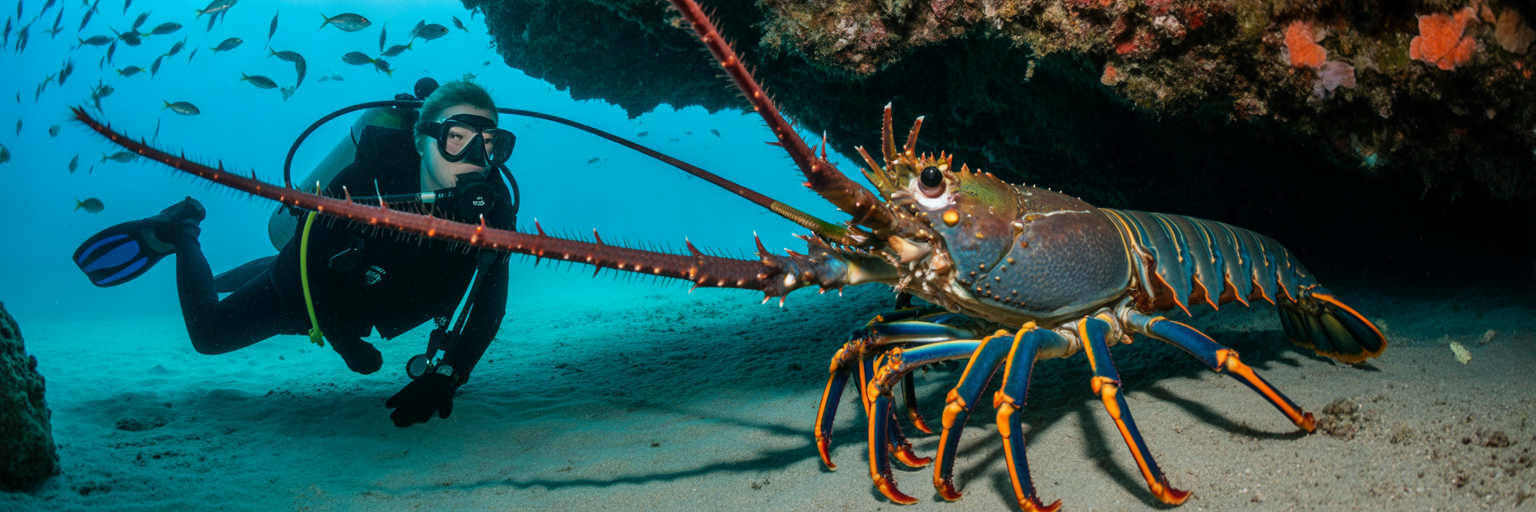
Your Essential Checklist for the Florida Lobster Season
Every summer, a special kind of energy builds along the Florida coast. It is not just the heat. It is bug fever. For divers and anglers, the annual Florida lobster season is a tradition that marks the calendar, a time when the hunt for spiny lobster becomes a welcome obsession. Whether you are gearing up for the intense two-day mini-season or planning trips for the long regular season, the goal is the same: a cooler full of legal-sized lobster and a story to tell back at the dock.
A successful trip starts long before you leave the dock. It begins with understanding the rules. This is not about navigating bureaucracy for the sake of it. These regulations are in place to protect the fishery, ensuring our kids and grandkids can experience the same thrill of the hunt. A mistake on the water can lead to a hefty fine that sours an otherwise perfect day. More importantly, following the rules ensures the lobster population remains healthy for years to come.
Getting it right comes down to a few core pillars. You need the right licenses and permits before your hands even get wet. You must have the mandatory gear on board, from your measuring gauge to your dive flag. You have to know the season dates, bag limits, and how they change depending on where you are, especially in the Keys. Finally, safety for yourself and respect for the marine environment are non-negotiable.
This guide breaks down everything you need to know. Our goal is to give you the confidence to plan and execute a productive, safe, and 100% legal lobster trip. Whether you are dropping in on a reef off Palm Beach or navigating the patch reefs of the Keys, this is your checklist for success.
Securing Your Lobster License and Permit
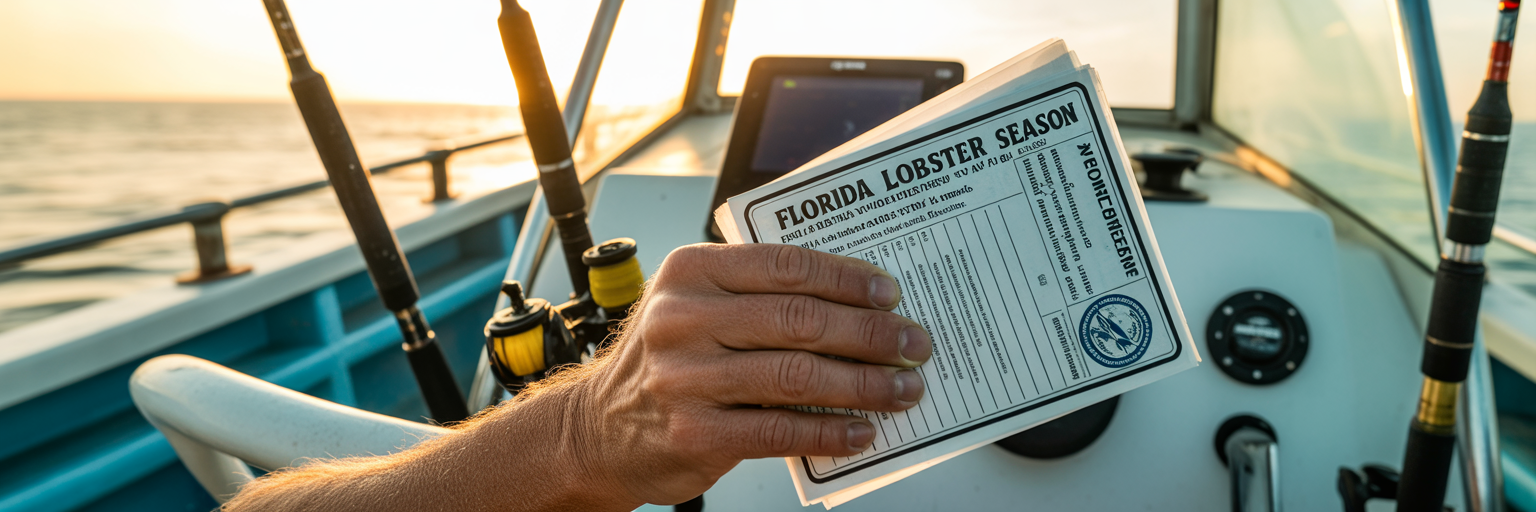
This is the first and most important step. Without the right paperwork, your lobster trip is over before it begins. The rules are clear and enforcement is strict, so let’s get this part right. There are two pieces of the puzzle you must have.
The Foundational Requirement: Your Saltwater License
Before you can even think about lobster, you need the cornerstone of any saltwater adventure in the state. A valid Florida fishing license for saltwater is the absolute baseline. This is required for anyone attempting to harvest any saltwater species, and spiny lobster is no exception. Think of it as your ticket to the game. Without it, you cannot even get in the stadium.
The Mandatory Add-On: The Spiny Lobster Permit
Here is where many people make a mistake. Your saltwater fishing license alone is not enough. You must also purchase the spiny lobster permit. This is a specific endorsement that must be added to your license. If you are on the boat and plan to touch a lobster, you need this permit. The official name is the spiny lobster permit Florida requires for all harvesters. Do not leave the dock without confirming this is part of your license package.
Who Is Exempt from Licensing?
While most people need both the license and the permit, the Florida Fish and Wildlife Conservation Commission (FWC) does have a few specific exemptions. You are exempt from needing a saltwater fishing license and the lobster permit if you are:
- A child under 16 years of age.
- A Florida resident aged 65 or older.
- A Florida resident who is a member of the U.S. Armed Forces, home on leave for 30 days or less.
- An individual who has been certified as totally and permanently disabled.
Even if you are exempt, you are still required to follow all other rules, including season dates, bag limits, and size limits.
Where to Get Your License and Permit
Getting licensed is straightforward. You have several options:
- Online: The quickest way is through the official FWC website, GoOutdoorsFlorida.com. You can buy, renew, and print your license and permit from home.
- In Person: Visit your local county tax collector’s office.
- Licensed Retailers: Most bait and tackle shops and some major sporting goods stores are licensed to sell permits. This is a great option if you need to pick up last-minute gear anyway.
Required Gear for a Legal Lobster Trip
Once your licenses are in order, it is time for a gear check. Having the right tools on board is not just about making the hunt easier. It is a legal requirement. FWC officers will check for this gear, and not having it can result in a fine. Here is what you must have on the boat for a legal trip.
The Most Important Tool: Your Measuring Gauge
This is the single most critical piece of equipment you will carry. Possession of a lobster measuring gauge is mandatory for every person harvesting lobster. All lobsters must be measured in the water before they are placed in your bag or on the boat. The gauge is designed to measure the carapace, which is the hard upper shell from between the rostral horns (the two horns above the eyes) to the back edge of the shell. The carapace must be longer than 3 inches. If it is not, the lobster must be released immediately and unharmed.
Displaying Your Diver-Down Flag Correctly
If you have divers in the water, you must display a diver-down flag. The rules are specific and are there to protect divers from boat traffic. The flag must be at least 20 inches by 24 inches if displayed on a vessel. If you are diving from shore, the flag can be 12 inches by 12 inches on a float. It must have a wire or other stiffener to keep it open. Divers must stay within 300 feet of the flag in open water and within 100 feet in rivers, inlets, or navigation channels. Boaters must slow to idle speed when within these distances of a flag.
Essential Harvesting Tools: Tickle Stick and Net
The classic method of how to catch lobster in Florida involves a tickle stick and a net. The tickle stick is a thin rod, usually about three feet long, used to gently coax a lobster out from its hiding spot under a ledge or in a hole. You tap the lobster’s tail, and its natural reaction is to walk forward out of the hole. As it comes out, you place your net behind it to block its escape. It is a technique that requires patience. Remember, you are coaxing, not forcing. Spearing spiny lobster is illegal. They must be harvested whole and by hand, with a tickle stick and net, or with a loop snare.
Here is your final gear checklist before you leave the dock:
- License and Lobster Permit (on your person or accessible on your phone)
- Lobster Measuring Gauge
- Diver-Down Flag
- Tickle Stick and Net
- Gloves (to protect your hands)
- Cooler with Ice
Understanding Season Dates and Bag Limits
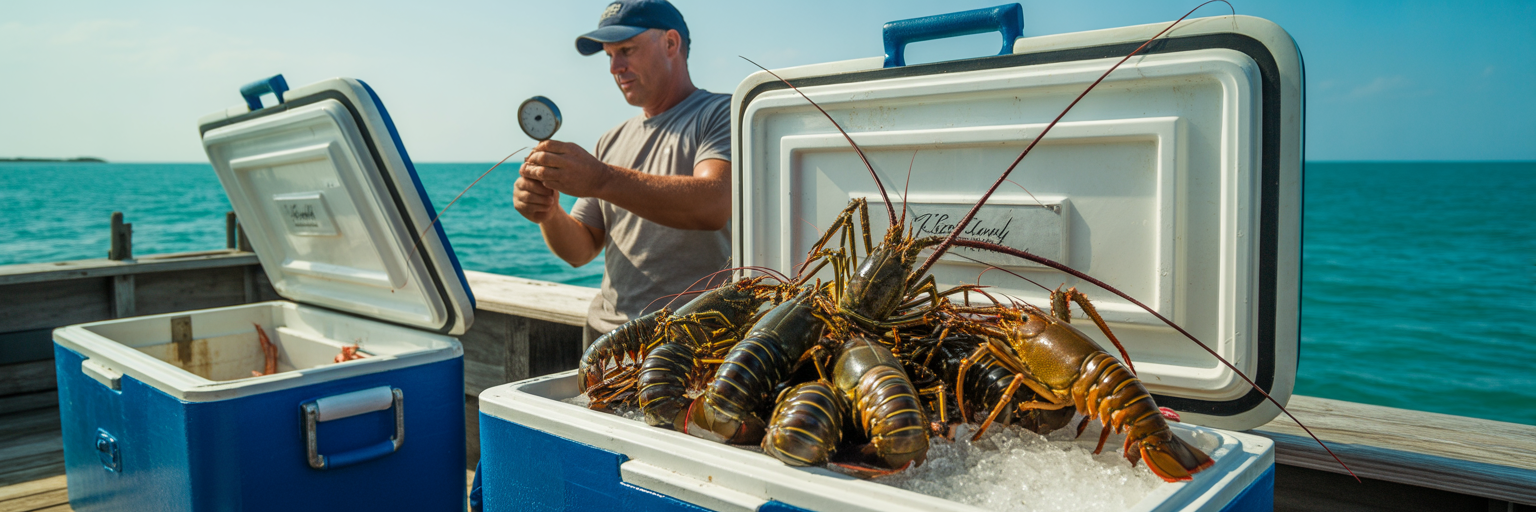
Knowing when you can go and how many lobsters you can take are two of the most important parts of planning a legal trip. Florida has two distinct seasons, and the bag limits can change dramatically depending on your location. Getting this wrong is a common mistake that can be easily avoided.
First is the two-day sport season, often called the mini-season. This always occurs on the last consecutive Wednesday and Thursday of July. It is an intense, often crowded sprint that kicks off the hunt. The Florida lobster mini season rules are designed to manage the high pressure of this popular event. This is the first chance for recreational anglers to get on the bugs, and the excitement is high.
Following the mini-season is the eight-month regular commercial and recreational season. This is the marathon, running from August 6 to March 31. It offers a much longer window to harvest lobster with generally less boat traffic than the frantic two days of mini-season.
The most critical detail is understanding that bag limits are not the same everywhere in Florida. The rules for Monroe County (the Florida Keys) and Biscayne National Park are different from the rest of the state. This is to manage the intense fishing pressure in these popular areas.
| Rule | Monroe County & Biscayne National Park | Rest of Florida |
|---|---|---|
| Sport Season (Mini-Season) Dates | Last consecutive Wed. & Thurs. of July | Last consecutive Wed. & Thurs. of July |
| Sport Season Daily Bag Limit | 6 per person, per day | 12 per person, per day |
| Regular Season Dates | August 6 – March 31 | August 6 – March 31 |
| Regular Season Daily Bag Limit | 6 per person, per day | 12 per person, per day |
| Night Diving During Sport Season | Prohibited | Generally Permitted (check local rules) |
Possession limits are generally equal to the daily bag limit. However, there is a key nuance for the mini-season. On the water, you may only possess the daily bag limit. For example, in the Keys during mini-season, you can have a maximum of six lobsters per person on your boat. The only exception is on the second day of mini-season, when you can possess a two-day limit (12 per person in the Keys) as long as you are actively transporting it by car away from the water, like on your way home.
Proper Harvest Technique in the Water
The rules do not stop at the surface. Your actions underwater are just as important for ensuring a legal and ethical harvest. This is about respecting the resource and making sure there are lobsters for future seasons. It comes down to three simple but non-negotiable practices.
Measure in the Water, Every Time
We mentioned the measuring gauge in the gear section, but the action of using it deserves its own focus. The rule is simple: every single lobster must be measured while it is still in the water. You cannot bring a lobster onto the boat to measure it. The reason for this is conservation. An undersized lobster that is brought to the surface, handled, and then thrown back has a much lower chance of survival. Measuring it in the water before you even put it in your bag minimizes stress and gives that short lobster the best possible chance to grow and reproduce.
Identifying and Releasing Egg-Bearing Females
This is the most important conservation rule in lobstering. You must be able to identify and release any egg-bearing female, often called a “berried” lobster. You will see a spongy mass of bright orange eggs (they turn brown as they mature) attached to the swimmerets on the underside of her tail. Harvesting a female with eggs is illegal and directly harms the future of the fishery. If you catch one, you must release her immediately, whole and unharmed, in the same spot you found her. She is carrying the next generation of lobster, and protecting her is every harvester’s responsibility.
The Rule of Whole Condition: No Tailing in the Water
Spiny lobsters must be landed and brought to the boat in whole condition. It is illegal to separate the tail from the carapace in the water. This rule exists for one simple reason: it makes it impossible for an FWC officer to verify that the lobster was of legal size. The legal measurement is based on the carapace length, so if the tail has been removed, there is no way to prove the lobster was legal when caught. Keep all lobsters whole until you are back at the dock or on shore, ready to clean them for your dinner.
Trip Planning for the Keys vs. Other Waters
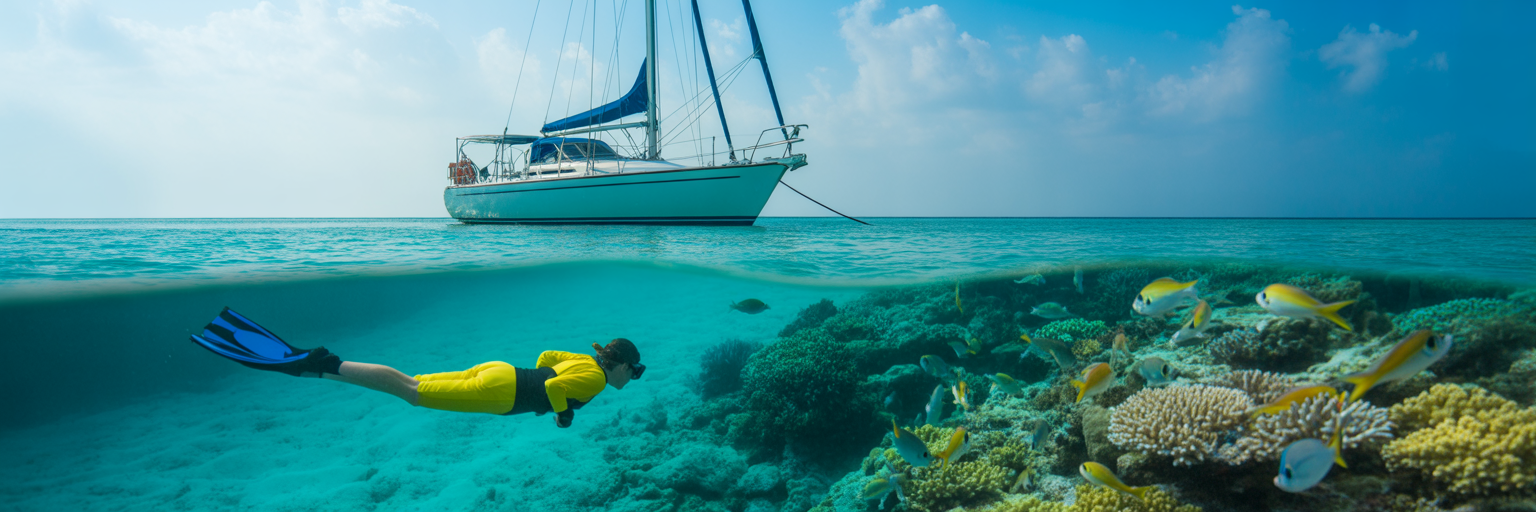
Your strategy for a lobster trip will change depending on where you plan to get in the water. The experience in the Florida Keys is vastly different from lobstering off the coasts of Palm Beach, Fort Lauderdale, or the Gulf. Understanding these differences is key to a successful plan.
The Florida Keys: A High-Pressure Environment
The Florida Keys are the epicenter of lobstering culture, but this popularity comes with stricter rules and more competition. The Florida Keys lobstering regulations are designed to manage the immense pressure from both locals and visitors. The most significant rule is the prohibition of night diving during the two-day sport season throughout Monroe County. This is a safety and crowd-control measure. Additionally, bag limits are half of what they are in the rest of the state, at six lobsters per person per day.
You must also be aware of local shoreline and canal restrictions. Many municipalities like Key West, Marathon, and Islamorada prohibit diving or snorkeling within 300 feet of residential or commercial shorelines. Always check the specific local ordinances for the area you plan to visit. Planning for the Keys means expecting crowds, navigating stricter rules, and accepting lower bag limits for an iconic experience on the water.
The Rest of Florida: More Flexibility, Higher Rewards
Outside of Monroe County and Biscayne National Park, the game changes. In places like the Atlantic coast from Palm Beach to Jupiter or on the Gulf side near Tampa and Sarasota, the rules offer more flexibility and higher potential rewards. The daily bag limit is 12 per person, double that of the Keys. This immediately changes the dynamic of a trip.
Perhaps the biggest strategic difference is that night diving is generally permitted during the mini-season and regular season. Since lobsters are nocturnal and walk more freely in the dark, night diving can be incredibly productive. This opens up a whole different approach to trip planning. While the pressure might be less concentrated than in the Keys, success still demands sharp local knowledge of reefs, ledges, and wrecks where lobsters congregate.
Mapping Out No-Take and Restricted Zones
Knowing where you can harvest is just as important as knowing where you cannot. Florida has a network of protected areas where taking lobster is strictly prohibited. These zones are not an inconvenience. They are the nurseries and sanctuaries that protect spawning populations and ensure the fishery remains healthy for everyone. Ignorance is not an excuse, and getting caught with lobster in a no-take zone is a serious offense.
The major year-round no-take zones you must know are the Sanctuary Preservation Areas (SPAs) within the Florida Keys National Marine Sanctuary, Everglades National Park, and Dry Tortugas National Park. According to the FWC, these zones are strictly enforced to protect critical habitat and spawning populations. You can find detailed maps and all official regulations on the FWC’s spiny lobster information page, which should be your primary source for rules.
Identifying these zones on the water is critical. In the Keys, SPAs are marked by large, 30-inch yellow boundary buoys at each corner. However, you should never rely on spotting buoys alone. The most important tool for avoiding these areas is an up-to-date GPS chartplotter on your boat. Modern chartplotters clearly display these restricted areas, allowing you to see your boat’s position relative to the boundary lines. Always check your charts before you anchor and before you get in the water.
Beyond the major federal parks and sanctuaries, be aware of smaller, local restricted areas. This can include specific artificial reefs, state park boundaries, or other locally managed conservation areas. The responsibility falls on you, the angler, to know the rules for the specific patch of water you are on. When in doubt, stay out.
Safety Protocols and Reef Conservation
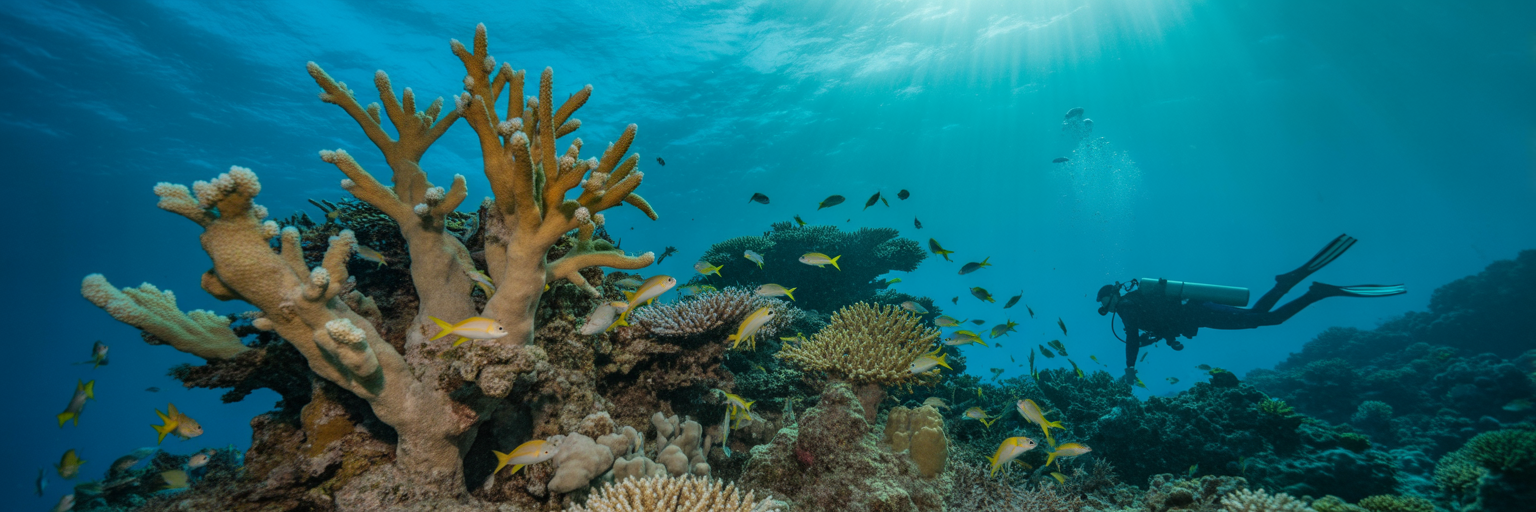
A truly successful lobster trip is not just measured by a full cooler. It is measured by getting everyone back to the dock safely and leaving the marine environment as healthy as you found it. This final briefing on safety and stewardship is the most important part of any plan.
First, let’s talk about the diver-down flag from the boater’s perspective. If you see a dive flag, you are required by law to slow to idle speed when you are within 300 feet in open water or 100 feet in a channel. Give divers a wide berth. For those in the water, stay close to your flag, be hyper-aware of boat traffic, and always dive with a buddy. Clear communication between the divers and the person running the boat is essential for safety.
Next is your interaction with the reef itself. The cardinal rule of reef conservation is simple: never anchor on coral. Coral is a fragile, living animal. A single anchor drop can destroy decades of growth. Always look for a sandy patch to drop your anchor, well away from any coral heads. If you cannot find sand, it is better to motor to another spot than to risk damaging the reef that the lobsters and other marine life depend on.
A successful day of lobstering ends with good food, great stories, and the satisfaction of a hunt well done. But a truly memorable trip is one where you respected the rules, kept everyone safe, and did your part to protect the incredible resource that is Florida’s spiny lobster fishery. That is how we ensure this tradition continues for generations to come.