

There’s nothing more fundamental to a good day on the water than knowing your gear is right, your bait is fresh, and you’re legal. Understanding the rules from the Florida Fish and Wildlife Conservation Commission (FWC) is just as important as knowing the tides. The core rule is simple: if you plan to take any marine life, you need a Florida saltwater fishing license. Getting the details right is the key to a stress free trip without fines or a confiscated catch. Let’s get it sorted.
The Basics of Your Florida Fishing License
Before you even think about what lure to throw, you need to understand the foundation of Florida’s fishing regulations. It all starts with the license, but it goes deeper than just having a card in your wallet. Knowing what the rules mean and why they exist makes you a better, more responsible angler.
What ‘Taking’ Fish Actually Means
The first thing to get straight is the FWC’s definition of “taking” fish. This isn’t just about keeping a fish for the cooler. The Florida Fish and Wildlife Conservation Commission (FWC) makes the core rule clear on their official site, stating that a license is needed for taking or attempting to take marine organisms. This broad definition includes catching and releasing fish, specifically targeting a species, or even actively helping someone else land their catch, like netting their fish. Even if you’re just casting a line for fun and plan to release everything, you are “attempting to take” and need a license.
Why Your License Fee Matters for the Future of Fishing
It’s easy to view the Florida fishing license cost as just another fee, but it’s a direct investment in the future of our fisheries. This money doesn’t disappear into a general fund. It is the fuel that keeps our fishing world-class. These funds pay for critical stock assessments that determine sustainable bag limits for species like redfish and grouper. They finance habitat restoration projects, including the creation of artificial reefs that become fish magnets. They also support the FWC law enforcement officers who protect our resources from poaching and illegal harvesting. Think of it as paying it forward so your kids and grandkids can have the same tight lines we enjoy today.
State vs. Federal Waters: Where Your License is Valid
Offshore anglers often have questions about where their license applies. Florida’s state waters extend 3 nautical miles from shore in the Atlantic and 9 nautical miles in the Gulf of Mexico. Your state license is obviously valid there. But here’s the key detail for going deep: a Florida license is also required in federal waters if your trip begins and ends at a Florida port. If you launch from Destin to go chase red snapper 20 miles out in the Gulf, you need a Florida license because you left from a Florida port. Your state license covers you for the entire trip.
Resident vs. Nonresident License Options
Now that we have the basics covered, let’s break down the specific license you need. The options are different depending on whether you’re a Florida resident or a visiting angler. Choosing the right one from the start is critical because all license sales are final and nonrefundable.
Defining a Florida Resident: Are You One?
Here’s where people get tripped up. You are considered a Florida resident by the FWC if you meet specific criteria. It’s not just about owning property here. You must have:
- Maintained a primary residence in Florida for 6 consecutive months.
- A valid Florida driver’s license or ID card.
- Registration to vote in Florida.
This is especially important for “snowbirds” or new arrivals. Claiming residency before you officially qualify is a serious violation that can result in heavy fines. Don’t risk it.
License Options for Florida Residents
For locals, the choices are straightforward. The standard Annual Saltwater License is the most common option. If you know you’ll be fishing here for the long haul, the Five-Year Saltwater License is a smart move. It saves you money over the long term and you avoid the yearly hassle of renewal.
License Options for Visiting Anglers
If you’re visiting the Sunshine State, your license options are designed to match your trip length. Coming down for a long weekend to fish the Keys? The Three-Day Nonresident Saltwater License is your ticket. Planning a full week-long vacation chasing tarpon? The Seven-Day Nonresident Saltwater License is perfect. For those who spend the winter here or visit multiple times a year, the Annual Nonresident Saltwater License makes the most sense financially.
The No-Cost Shoreline-Only License: What’s the Catch?
Florida residents have access to a no-cost Shoreline-Only License, but you must understand its strict limitations. This license is only valid when you are fishing from land or a structure fixed to land, like a pier, jetty, or bridge. Crucially, you cannot use this license if you arrived at your fishing spot by boat. For example, if you wade fish from the beach, it works. If you take your kayak to a spoil island to fish from its shore, it does not. This license has very specific rules, which the FWC outlines in detail on its shoreline fishing information page.
Once you’ve decided, the next step is figuring out how to get a fishing license in Florida. The easiest way is online through the GoOutdoorsFlorida website or by using their mobile app.
| License Type | Who It’s For | Duration | Typical Use Case |
|---|---|---|---|
| Resident Annual Saltwater | Florida Residents | 12 Months | The standard for any local angler fishing from a boat or land. |
| Resident Five-Year Saltwater | Florida Residents | 60 Months | Dedicated local anglers looking for long-term savings and convenience. |
| Resident Shoreline-Only | Florida Residents | 12 Months | Fishing exclusively from land or structures fixed to land (no-cost). |
| Nonresident 3-Day Saltwater | Visitors/Tourists | 3 Consecutive Days | A short fishing trip or long weekend vacation. |
| Nonresident 7-Day Saltwater | Visitors/Tourists | 7 Consecutive Days | A week-long fishing vacation. |
| Nonresident Annual Saltwater | Visitors/Tourists | 12 Months | Seasonal residents or frequent visitors who fish throughout the year. |
Note: This table provides a quick overview of the most common license types. Costs are subject to change and should be verified on the FWC’s official website. The ‘Shoreline-Only’ license has strict limitations and is not valid if fishing from a vessel.
Essential Permits and Species Endorsements
Holding a Florida fishing license is just step one. If you plan to harvest some of Florida’s iconic game fish, you’ll need additional permits. Think of your base license as the key to the front door and these permits as the keys to specific rooms. Here are the most important ones to know.
- The Snook Permit: A Must-Have for Harvest
The snook permit Florida is an annual add-on required to harvest a snook during the open season. This is a critical point: it is NOT required for catch-and-release fishing. Imagine you’re fishing a Tampa Bay pass in October and catch a perfect 30-inch slot snook. Without that permit on your license, it has to go back, no exceptions. - The Spiny Lobster Permit: For Bug Hunters
This is another mandatory annual permit for any angler who wants to take or possess spiny lobster. It’s required for both the two-day mini-season in July and the regular season that follows. Think of it as your ticket to the party. No permit, no bugs. - The Tarpon Tag: For World Record Chasers Only
Let’s clear up the confusion on this one. The Tarpon Tag is only for an angler intending to harvest a single tarpon, which is almost exclusively done for a potential world record attempt. For the 99.9% of us who practice catch and release for the Silver King, this tag is not needed. - The State Reef Fish Angler Designation: Free but Mandatory
This is a critical, no-cost, but mandatory endorsement for your license. It is required for anyone, including those exempt from a license, who fishes for or possesses designated reef fish like snappers, groupers, amberjack, and triggerfish from a private vessel. This free permit helps the FWC know how many people are targeting reef fish, which leads to better data, better management, and more sustainable seasons for all of us.
Other specialized permits, like the Shore-Based Shark Fishing Permit and registrations for blue crab traps, also exist. The lesson is to always check the specific regulations for your target species. A final, powerful rule to remember is that license exemptions often DO NOT apply to permits. If you want to keep a snook or a lobster, you need the permit, period. Your age doesn’t matter.
Fishing Without a License: Exemptions Explained
While the general rule is to buy a license, there are important exceptions. Understanding if you fall into one of these categories can save you time and money, but you need to be certain you qualify. The FWC provides a comprehensive list of these situations, and it’s always best to check the official source if you think you might qualify for one of the Florida fishing license exemptions.
Age-Based Exemptions: Under 16 and Over 65
The two most common exemptions are based on age. Anglers under the age of 16 are not required to have a license. Florida residents who are 65 or older are also exempt from needing a base saltwater fishing license. However, and this is a critical detail, they must carry proof of their age and Florida residency at all times while fishing, such as a Florida driver’s license or ID card.
Location-Based Exemptions: Charters, Piers, and Licensed Vessels
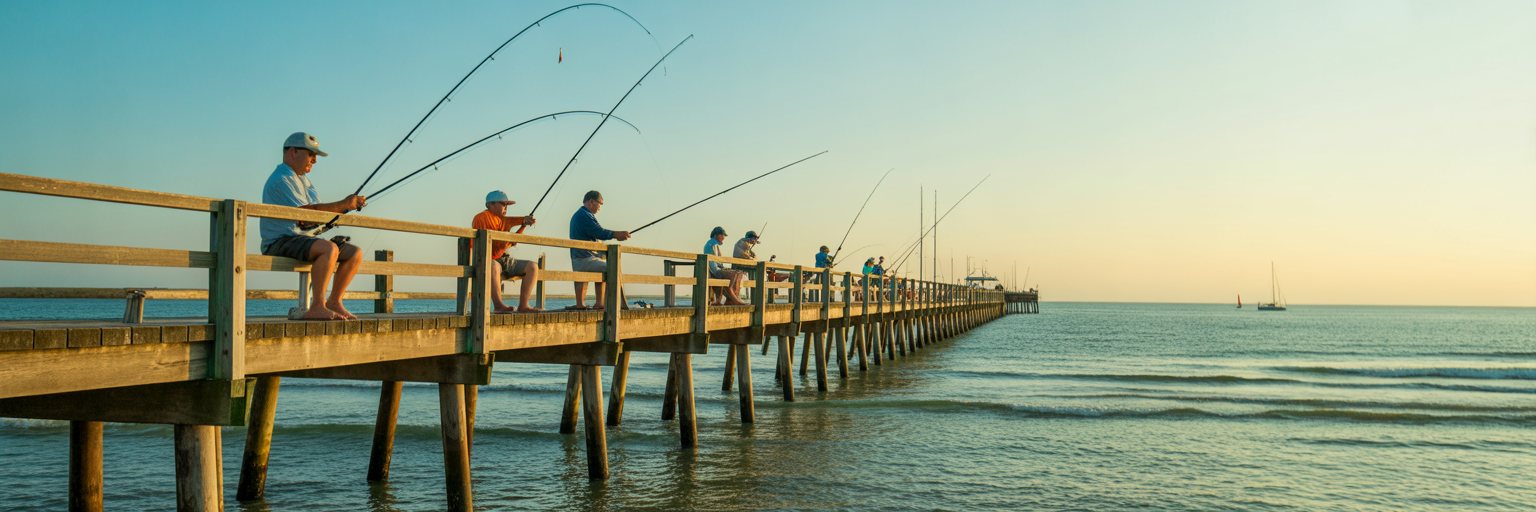
Where you fish can also determine if you need a license. If you are a customer on a properly licensed for-hire charter or party boat, the vessel’s license covers you. You do not need to buy your own. Similarly, many public fishing piers purchase a blanket license that covers all their patrons. If you are fishing from a pier that holds a valid pier fishing license, you are covered. Finally, if you are a guest on a private boat that has a recreational vessel license, you are also covered by that license.
Other Key Exemptions: Military and More
A few other specific exemptions exist. Florida residents who are active-duty members of the U.S. Armed Forces and are home on leave for 30 days or less can fish without a license, but they must carry their orders as proof. Other niche exemptions include a resident fishing in their home county with a cane pole or certain disabled persons who meet specific criteria. While these exemptions are clear, they can be complex. When in doubt, the safest and most supportive move for the fishery is to buy the license. It’s a small price for peace of mind and a direct contribution to the health of our waters.
Charter, Private Boat, and Shore Fishing Scenarios
We’ve covered the licenses, permits, and exemptions. Now, let’s put it all together for the way you actually fish. Here’s a breakdown of what you need for the most common fishing trips in Florida.
On a Charter: What’s Covered and What’s Not
If you’re heading out on a charter, the captain’s license covers the base saltwater license for all paying passengers. That part is simple. The crucial exception is individual harvest permits. If you want to keep a legal snook or spiny lobster that you catch on the trip, you are still responsible for purchasing your own snook permit Florida or Lobster Permit beforehand. The charter license does not cover these species-specific add-ons.
On a Private Boat: Individual vs. Vessel Licenses
For those of you with your own boat, there are two ways to stay legal. The most common path is for every angler on board 16 or older to have their own individual Florida saltwater fishing license and all necessary permits. The other option is to purchase a Recreational Vessel License for your boat. If you frequently take different friends or family out who don’t have their own licenses, this can be more convenient. But remember, the vessel license does not cover harvest permits. And critically, every single person on board who intends to fish for reef species must have personally obtained their own free State Reef Fish Angler designation.
From the Shore: Beach, Jetty, and Pier Rules
Land-based fishing rules can be confusing. If you’re a resident fishing from a beach or jetty, you can use the no-cost Shoreline License. A nonresident in the same spot must buy a standard nonresident license. If you’re on a licensed public pier, no one needs an individual license because the pier’s license covers you. Look for a sign at the entrance. If the pier or bridge is not licensed, you treat it just like fishing from the beach: residents need a Shoreline or regular license, and nonresidents need a standard license.
| Fishing Scenario | Base License Requirement | Permit Requirement (e.g., Snook, Lobster) | Key Consideration |
|---|---|---|---|
| Licensed Charter Boat | Covered by captain’s license | Your responsibility. You must buy your own. | Confirm with the captain, but always assume you need your own permits for harvest. |
| Private Boat (No Vessel License) | Your responsibility. Each angler needs their own. | Your responsibility. Each angler needs their own. | Everyone 16+ must be individually licensed and permitted. |
| Private Boat (With Vessel License) | Covered by vessel license | Your responsibility. You must buy your own. | The vessel license does not cover species permits. Every reef angler needs the free Reef Fish Angler designation. |
| Licensed Public Pier | Covered by pier’s license | Your responsibility. You must buy your own. | The pier license does not cover species permits. Look for a sign indicating the pier is licensed. |
| Shore/Beach/Jetty | Your responsibility. (Resident Shoreline or regular license; Nonresident license) | Your responsibility. You must buy your own. | The no-cost Shoreline License is for residents only and has strict limitations. |
Note: This table simplifies common scenarios. ‘Your responsibility’ means you, the individual angler, must purchase the required license or permit. Rules are subject to change; always verify with the FWC.
Avoiding Common Licensing Mistakes
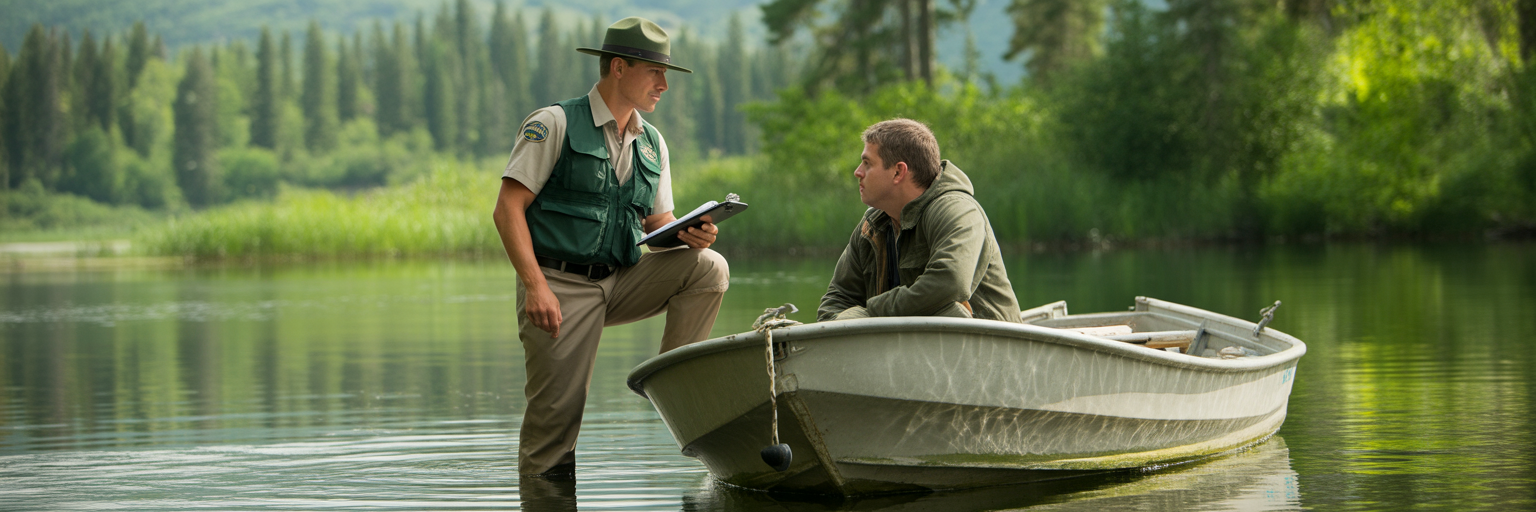
Nothing sours a great day of fishing faster than a conversation with an FWC officer that ends in a citation. Let’s make sure that doesn’t happen by covering the most common and easily avoidable licensing mistakes. Learning from the mistakes of others is the best way to keep your day on the water perfect.
Forgetting the Permit: The Most Common Error
This is the number one error we see. You have your Florida fishing license, you’re proud of the beautiful keeper snook in your livewell, but you forgot to add the ten dollar snook permit Florida. That’s a citation, a fine, and you still have to release the fish. The base license is just the beginning. Always double check permit requirements for your target species.
Misunderstanding Residency: A Costly Mistake
Don’t try to game the system on residency. The FWC is very clear on the six month rule, and the penalty isn’t worth the small savings. A nonresident who is in Florida for five months and buys a cheaper resident license is committing a serious violation. The fines are steep, and it’s a black mark you don’t want on your record.
Assuming Exemptions Cover Everything
This is a critical point to remember. Being a Florida resident over 65 gets you out of buying the base license, but it does NOT get you a free pass on permits. If you want to keep a spiny lobster, you still need to buy a Lobster Permit just like everyone else. Exemptions rarely apply to harvest permits.
Failing to Carry Proof: On Your Phone or in Your Wallet
Having a license or being exempt is useless if you can’t prove it to an officer. The easiest method is to have the GoOutdoorsFlorida app on your phone for quick digital access. You can also carry your physical license card. For those exempt by age and residency, you must have your Florida driver’s license or state ID on you at all times while fishing.
Make a habit of one simple pre-trip check. Before you even hook up the boat, log into your account on GoOutdoorsFlorida.com or open the app. Verify your license is current and that you have every permit you might need for the day’s target species. That five minute check is the best insurance policy for a perfect day on the water.