
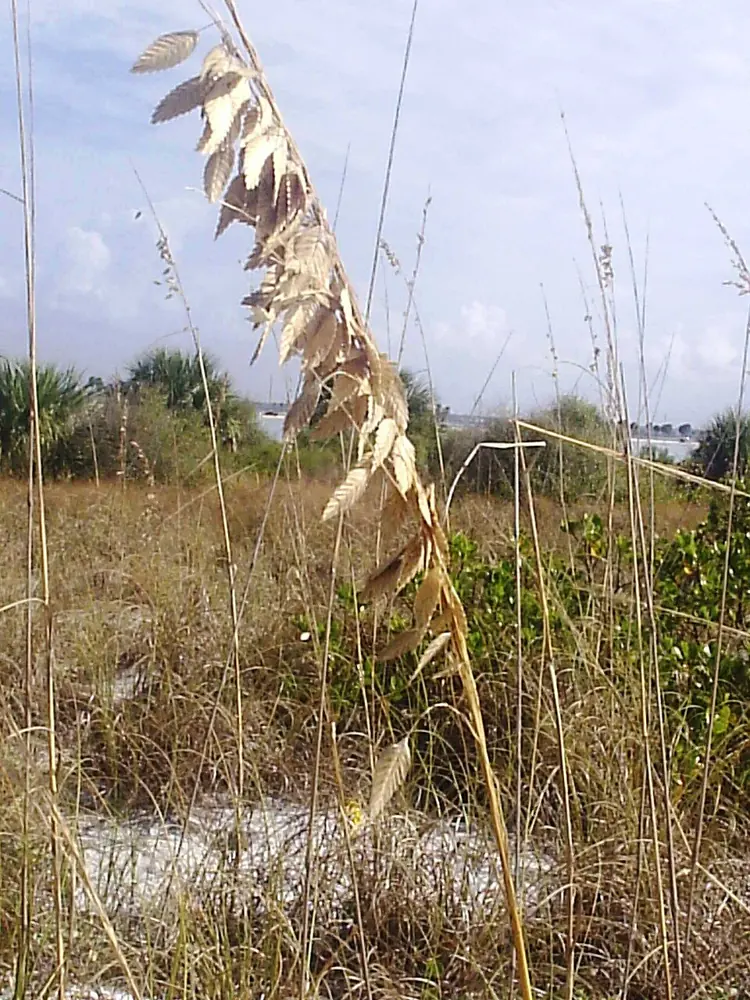
Honeymoon Island fishing gives Dunedin visitors beach and pass-influenced water in a state-park setting. The best starting point is an open, permitted stretch you can fish comfortably. The most dramatic-looking current is not automatically the best place for a first visit.
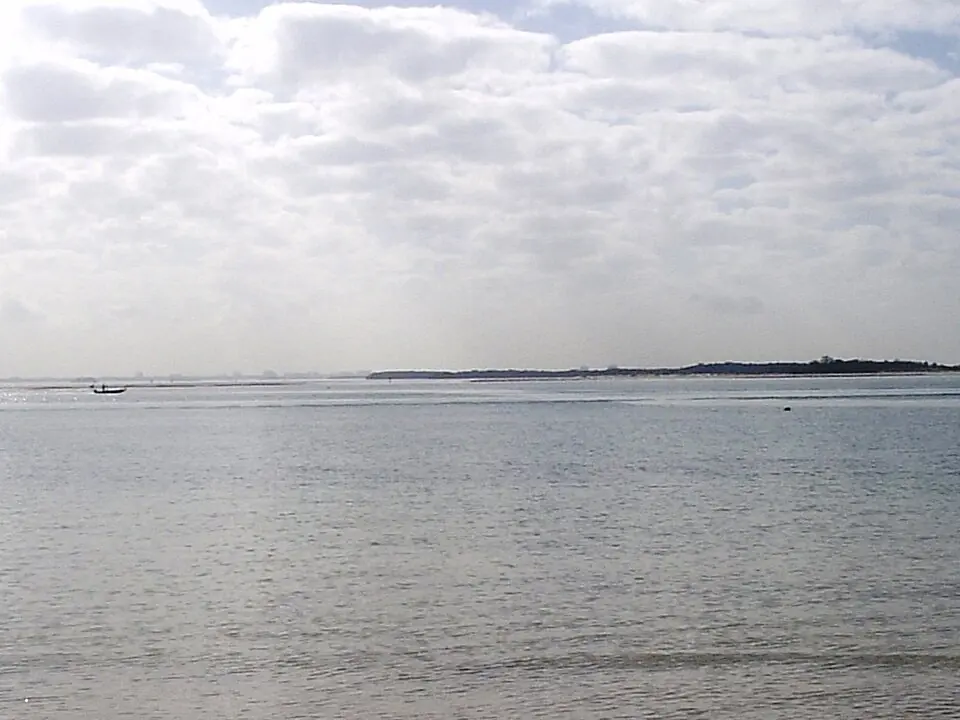
Featured image: Coastal landscape at Honeymoon Island State Park near Dunedin. Current access may differ. Credit: Unknown. CC BY-SA 2.5. Image source. Resized and converted to WebP.
Check which shoreline areas are open
Ask the ranger station about current fishing areas and any erosion or habitat closures. The main swimming beach, pet beach and northern shore serve different uses. A long shoreline does not remove the need to respect designated boundaries.
Use boardwalks and established paths. Do not cross dunes to reach a quieter patch. If you walk toward a spit, keep track of water level and the return route rather than assuming exposed sand will remain exposed.
Fish sand with a small bait
Whiting and seasonal pompano are good reasons to carry shrimp pieces, sand fleas or a tough bait strip. Begin in the first useful trough. Use a small hook with its point clear and move the bait if drifting grass buries it.
An 8-9-foot rod, 4000 reel, 15 lb mono and 25 lb leader cover moderate beach conditions. Use the lightest suitable sinker within the rod's rating. A large lead that rolls through a swimming area is not a controllable rig.
Carry a lure for a different opportunity
Florida State Parks lists several inshore species among the park's fishing possibilities. Snook and redfish may use suitable shoreline edges; trout need appropriate inshore habitat. A 7-foot medium rod with 15 lb braid and a 25-30 lb leader suits small paddletails.
Look for baitfish and changes in bottom. Keep the lure above grass and away from rocks where you cannot retrieve it safely. When a fish follows without taking, try a smaller lure or a quieter approach before cycling through every color in the bag.
Do not turn a park visit into a pass crossing
Stay out of deep current and avoid wading toward a channel to reach fish. Check the park's closing time, weather and flag warnings. Caladesi Island is a separate trip with ferry or boat arrangements, not a casual continuation of a beach walk from Honeymoon.
A compact packing list
| Pack | Starting choice |
|---|---|
| Light surf option | 8-9-foot rod, 4000 reel, 15 lb mono, 25 lb leader |
| Inshore option | 7-foot rod, 3000 reel, 15 lb braid, 20-30 lb leader |
| Bait choice | Shrimp for sand or structure; small lures for open edges |
| Choose first | The permitted shoreline and target fish |
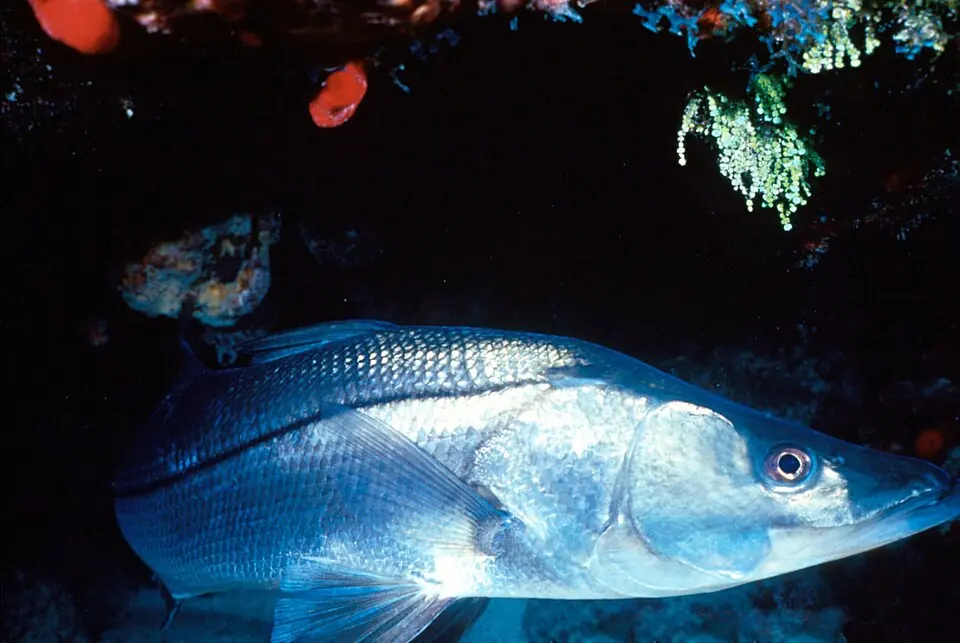
Fish to recognize
These references help identify possible targets in the habitats discussed above. They do not document catches at this beach or guarantee that a fish is present on your visit.

Plan another nearby fishing stop
- Clearwater Beach Fishing: Pier 60 and Shore Choices
- Caladesi Island Fishing: Ferry Planning and Shore Gear
- Fred Howard Park Fishing: Causeway and Beach Choices
- Sunset Beach Fishing in Tarpon Springs: Access Guide
Access research checked September 24, 2026, using Florida State Parks. Recheck closures and posted rules before traveling. Confirm your fishing license and current species-specific harvest rules with FWC before keeping fish.