
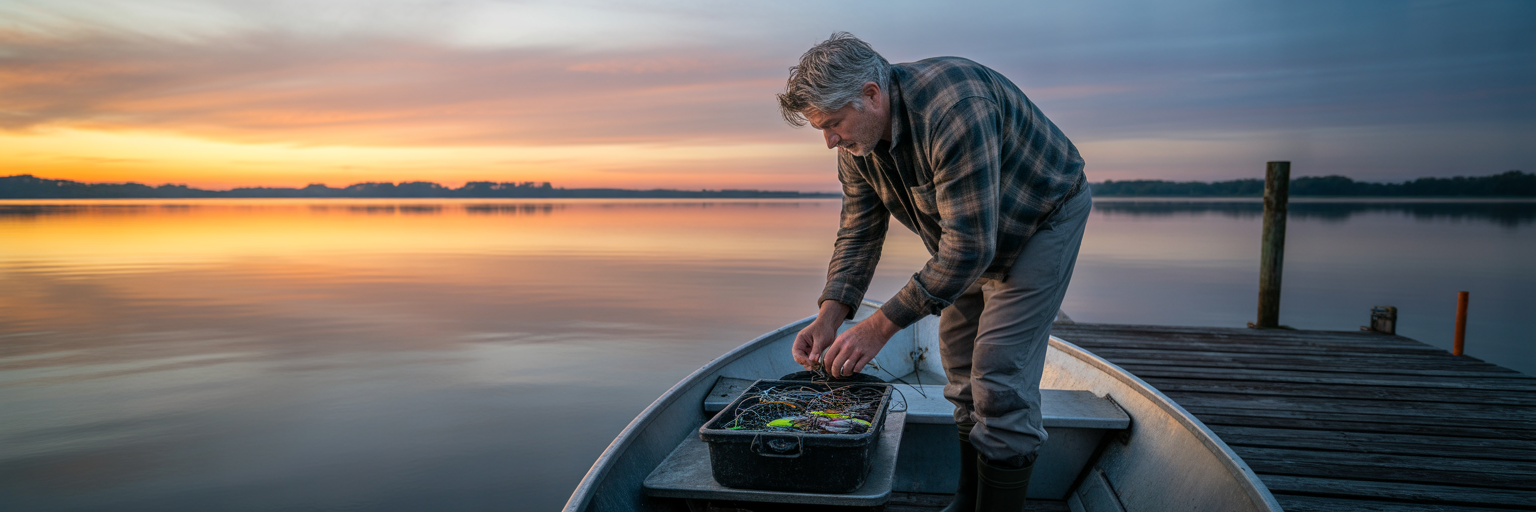
The excitement for a day on the water often begins long before you cast the first line. It builds with the quiet organisation of a tackle box and the careful study of a map. The most memorable fishing adventures are rarely a matter of luck. They are built on a solid foundation of planning. Learning how to properly prepare for a fishing trip is not a chore, it is the first step of the experience itself, turning hope into a well-executed strategy.
Why You Must Prepare for a Fishing Trip
A successful day on the water is about more than just what you catch. It is about the confidence you feel launching the boat, the peace of mind knowing you are ready for changing weather, and the ability to fully immerse yourself in the outdoors. Preparation is what makes this possible. When you have a plan, you are not reacting to the day, you are leading it. This allows you to focus on reading the water, feeling the bite, and enjoying the moment.
Whether your goal is chasing a personal best or simply disconnecting from shore, thoughtful planning removes the small anxieties that can distract from the experience. You are not wondering if you packed enough water or if you told someone where you were going. You already handled it. This preparedness elevates an outing from a simple fishing attempt to a strategic pursuit, where you can adapt and make smart decisions on the fly.
Think of preparation as a skill that sharpens with every trip. Each time you head out, you learn a little more about what works, what you need, and what you can leave behind. This guide is here to help you build that essential angling habit, ensuring every trip is safer, more productive, and more enjoyable.
Scouting Your Water and Weather
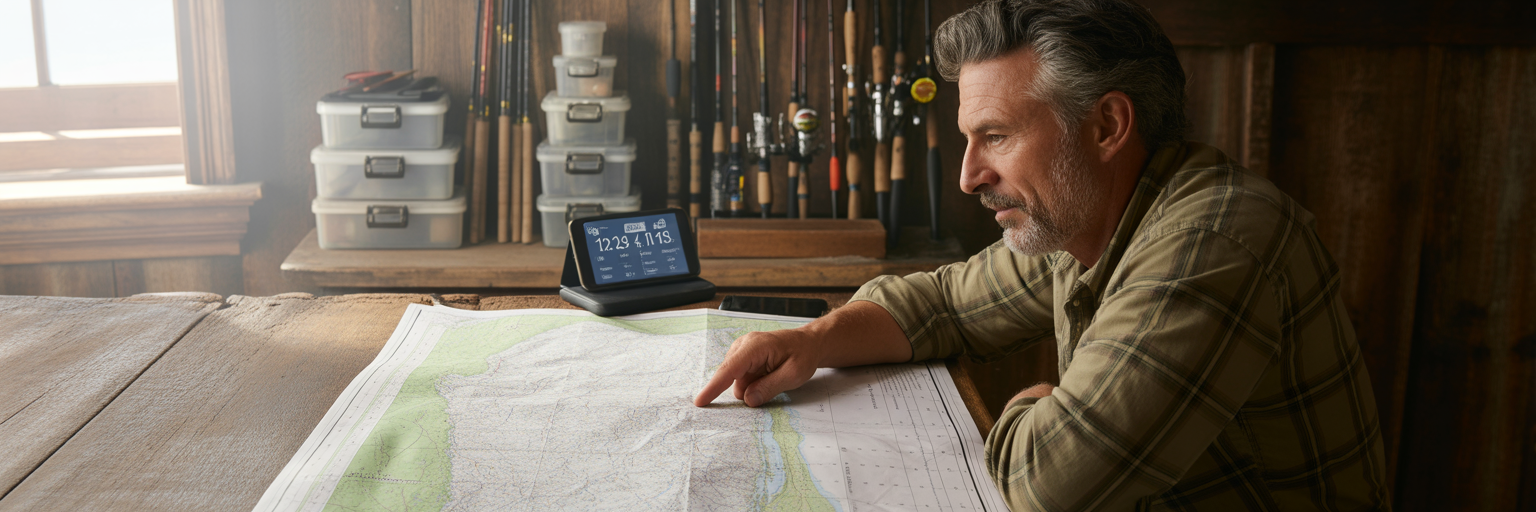
With the right mindset in place, the first practical step is gathering intelligence. Great anglers know that success often depends on understanding the conditions before they even leave the dock. This means looking beyond a simple sunny-day forecast and truly assessing the environment you are heading into. This homework transforms your trip from a guess to a calculated approach.
Interpreting the Forecast
Knowing how to read marine forecasts is a critical skill. Do not just look at the temperature and chance of rain. Pay close attention to wind speed and direction. Winds over 15 knots can create challenging and unsafe chop, especially for smaller vessels. Also, look for approaching fronts. A shift in barometric pressure can trigger a hot bite or shut it down completely. Understanding these patterns helps you decide not only if you should go, but where you might find fish seeking shelter or feeding aggressively.
Assessing Water Conditions and Access
Your digital scouting should include a close look at satellite maps and tide charts. Identify promising structures like points, oyster bars, or channel edges where fish are likely to hold. Checking water levels and clarity can also give you an edge. For coastal anglers, understanding the tides is everything. For a complete picture of what to expect, you can check our comprehensive tides and weather tool before you go. Always confirm local regulations, access points, and any seasonal closures to avoid surprises.
Creating a Float Plan
This is a non-negotiable safety step. A float plan is simply a document outlining your trip details: where you are going, who is with you, your vessel information, and when you expect to return. Leave it with a reliable person on shore. It does not need to be complicated. A simple text message with the key details works. This small action provides immense peace of mind and is your most important lifeline if something goes wrong.
Packing Your Essential Angling Gear
Once you have a plan, it is time to gather your tools. Knowing what to pack for fishing is about being efficient, not just bringing everything you own. A cluttered boat is an unsafe boat. The key is to pack with purpose, tailoring your gear to the day’s plan, target species, and conditions. For example, if you are targeting snook along mangrove lines, you will want a stout rod, strong leader, and a selection of lures like paddle tails and topwater plugs. You can find more details for specific targets on pages like our guide to snook fishing.
Beyond your rods and tackle, your personal gear is what keeps you comfortable and safe, allowing you to stay out longer. These items are absolute must-haves for any trip:
- Polarized sunglasses: These are for more than just sun protection. They cut through the glare, helping you spot submerged structure, baitfish, and the fish you are hunting.
- UPF sun-protective clothing: A long-sleeved shirt, neck gaiter, and wide-brimmed hat provide far more reliable protection than sunscreen alone.
- Ample water and high-energy snacks: Dehydration and hunger can sneak up on you, leading to poor decision-making. Pack more than you think you will need.
- A compact first-aid kit: From a stray hook to a headache, a small kit can save the day.
- A dry bag for electronics and keys: Protect your essential items from spray and accidents. Nothing ends a trip faster than a phone taking a swim.
Boat and Personal Safety Checks
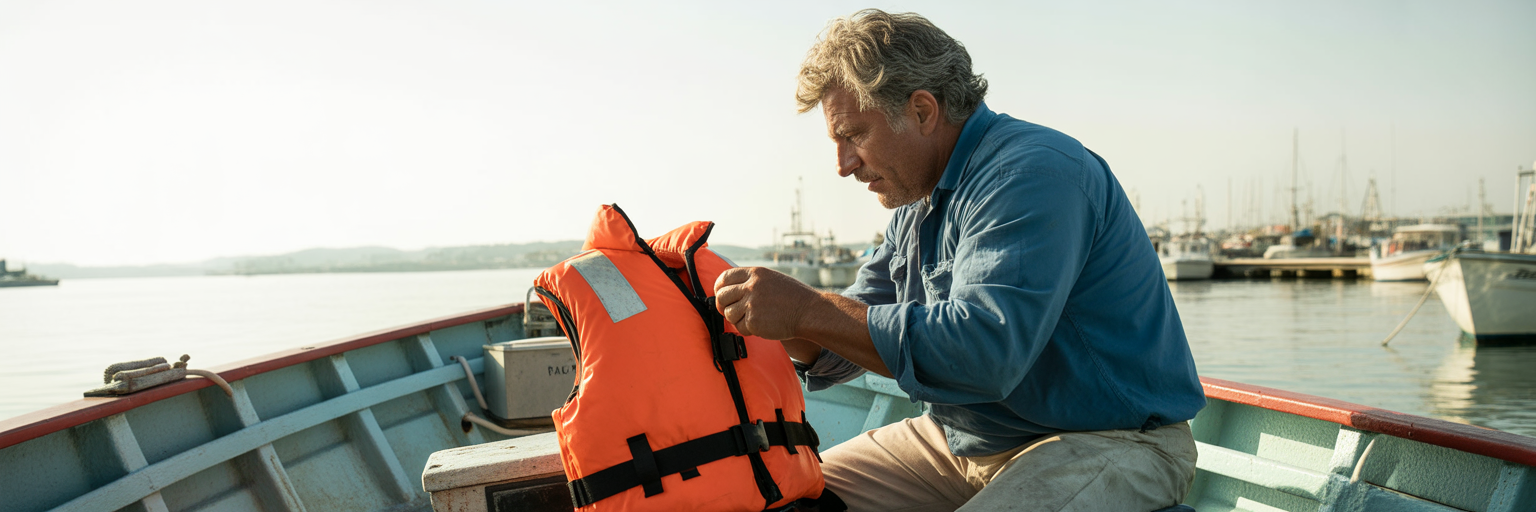
Safety is the foundation that makes all the fun possible. A few minutes spent on checks before you launch can prevent major headaches on the water. These routines are some of the most important boating safety tips for anglers because they build confidence and ensure you are in control of your vessel. Start with a pre-launch walkthrough of your boat. Check that the hull is sound, the drain plug is securely in, the bilge pump is working, and your engine has sufficient fuel and oil. Confirm your battery is charged and ready.
Next, verify your safety equipment. U.S. Coast Guard regulations mandate certain items, while others are highly recommended for any prepared boater. Having the right equipment is one thing, but knowing where it is and how to use it is just as important. For a clearer picture of what you need, we have put together a list of essential gear for a successful day on the water.
| Item | Requirement Level | Purpose |
|---|---|---|
| USCG-Approved PFDs | Mandatory (one per person) | Personal flotation in an emergency |
| Fire Extinguisher | Mandatory (B-I or B-II) | Extinguishing engine or electrical fires |
| Visual Distress Signals (Flares) | Mandatory (for coastal waters) | Signaling for help, day or night |
| Sound Producing Device (Horn/Whistle) | Mandatory | Signaling intent and presence to other vessels |
| VHF Radio | Highly Recommended | Reliable communication with Coast Guard and other boats |
| Anchor with Rode | Highly Recommended | Holding position in case of engine failure |
This table clarifies the safety equipment required by U.S. Coast Guard regulations versus items that are strongly recommended for enhanced safety on the water. Always check local and federal regulations for the most current requirements for your vessel size and location.
Your Pre-Launch Angler’s Checklist
With the planning done and gear packed, a final run-through ensures nothing is forgotten. This simple fishing trip checklist consolidates all the key actions into a scannable format you can use right before you head out the door. It is your last line of defense against a preventable mistake.
Planning & Comms:
- Weather and water forecast checked
- Float plan filed with a contact
- Local fishing regulations reviewed
Boat & Safety:
- Drain plug in and secure
- Engine fluids and battery status confirmed
- PFDs for all passengers accessible
- Safety gear (flares, horn, extinguisher) inspected
Gear & Tackle:
- Rods and reels matched to target species
- Tackle box organized and stocked
- Essential tools (pliers, net) ready
- Bait or lures packed
Personal Items:
- Polarized sunglasses and sun-protective clothing
- Hydration and snacks onboard
- First-aid kit accessible
- Dry bag for phone, keys, and wallet
Post-Trip Rituals for Next Time
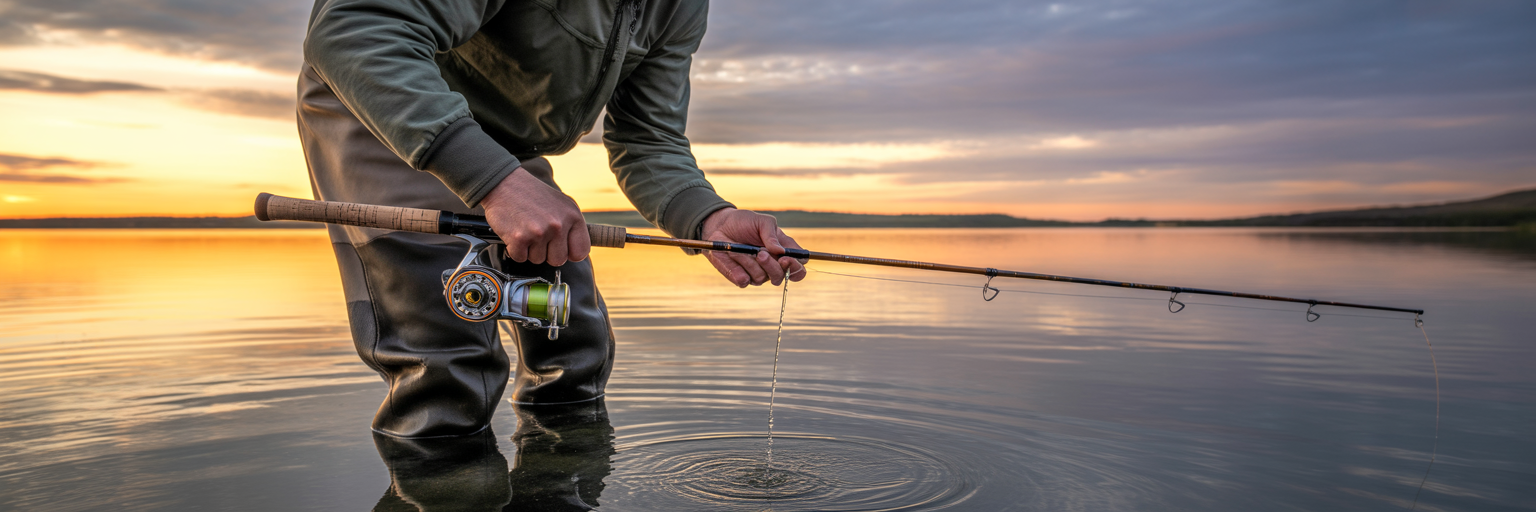
The adventure does not end when the boat is on the trailer. Your post-trip routine is the first step in preparing for your next outing. Taking a few minutes to clean and organize your equipment ensures it will be ready to go at a moment’s notice. Rinse your rods, reels, and lures with fresh water, especially after a day in saltwater, to prevent corrosion and extend their life.
Restock your tackle box with any lures you lost and respool any line that is frayed. Refuel the boat and give the trailer a quick inspection. These small habits prevent you from discovering a problem right when you are trying to get on the water next time. Finally, take a moment to reflect. What worked? What did not? This continuous learning is what makes a good angler great. To get inspired for your next adventure, check out the latest fishing reports and start planning.