

Every offshore angler knows the sight. A flash of electric green and gold slicing through the cobalt blue water, followed by the unmistakable sound of a screaming drag. Mahi mahi are a top-tier gamefish for a reason. They are aggressive, acrobatic, and fantastic on the dinner table. But catching them consistently is not about luck. The key to a successful trip is understanding when to target mahi in Florida. It is a game of timing driven by conditions, not just calendar dates. This guide breaks down exactly what you need to know to find them.
While you can encounter a stray mahi almost any time of year, the peak action happens when a few critical factors align. Think of it as a formula for success. First is water temperature. Mahi are creatures of comfort and feed most aggressively in water between 75 and 85 degrees Fahrenheit. Second is the ocean current, primarily the Gulf Stream, which acts as a superhighway for both mahi and the bait they hunt. Third, and most obviously, is bait availability. Find the food, and you will find the fish. Finally, there is floating structure. Sargassum weed lines, logs, and any other debris create concentrated hunting grounds that mahi cannot resist.
The general Florida mahi mahi season varies significantly by region. The Atlantic Coast and the Keys enjoy a long, accessible season where fish are consistently within reach. In contrast, the Gulf and Panhandle have a more intense but compressed summer window that requires long runs offshore. Knowing when the fish will be there is half the battle. Applying the right mahi mahi fishing techniques is what puts them in the boat. The table below gives you a quick-reference guide to these regional patterns, but remember, the daily conditions always have the final say.
| Region | Peak Season | Primary Driver | Typical Run to Productive Water |
|---|---|---|---|
| Atlantic Coast (South Florida) | April – September | Gulf Stream Proximity | 5-20 miles |
| Atlantic Coast (Central/North Florida) | May – August | Warm Water Eddies & Gulf Stream Edge | 20-50+ miles |
| Florida Keys | April – September | Gulf Stream & Straits of Florida | 3-15 miles |
| Gulf Coast & Panhandle | May – August | Stable Offshore Warm Water | 60-100+ miles |
This table provides a high-level summary of the peak mahi seasons across Florida’s primary fishing regions. Note that these are general guidelines; specific conditions on any given day will always be the most important factor.
Decoding the Atlantic Coast Mahi Season
Florida’s Atlantic coast offers one of the most consistent mahi fisheries in the state. The primary season kicks off in April and runs strong through September, driven by water temperatures settling into that prime 75 to 85 degree range. This is when you will find the most reliable action. Many anglers also look forward to a secondary fall run from mid-September into October. This late-season push is often triggered by massive schools of migrating baitfish, like mullet, moving south along the coast, bringing hungry predators with them.
The Gulf Stream: The Atlantic’s Mahi Highway
The Gulf Stream is the engine that drives the entire Atlantic fishery. It is a massive river of warm water flowing north, carrying with it the bait and structure that mahi depend on. Your success hinges on locating its western edge. The distance to this edge is the biggest variable for Atlantic anglers. Off South Florida, from Miami to Palm Beach, the Stream can be just a few miles from shore, making for quick runs and more fishing time. As you move north toward Central and North Florida, the run gets progressively longer. Anglers leaving from ports like Sebastian, Canaveral, or St. Augustine often need to travel 20, 40, or even 50 miles or more to find that productive blue water.
Finding the Zone: Temp Breaks and Weed Lines
Finding mahi is about finding the right combination of temperature, current, and structure. Before you even leave the dock, use satellite sea surface temperature (SST) charts to identify the western edge of the Gulf Stream and any significant temperature breaks. A sharp break of even one or two degrees can concentrate bait and predators. Once on the water, your fishfinder is your best friend for confirming these temperature changes. The most obvious visual sign, however, is a sargassum weed line. Look for well-defined, consolidated lines with a golden or brownish color, not scattered, dead-looking patches. A healthy weed line is a floating ecosystem full of small crabs, shrimp, and filefish, which is a buffet for schoolie mahi.
Trolling vs. Run-and-Gun on the Atlantic
Two primary tactics dominate the Atlantic coast: trolling and running-and-gunning. Trolling is your search tool. It is the best way to cover vast stretches of seemingly empty water between weed lines or when you are not seeing any obvious signs of life. A simple spread of ballyhoo and small, colorful trolling lures will find fish. Running-and-gunning, on the other hand, is a visual game. This is what you do when you spot clear signs of life, like a thick weed line, a piece of floating debris, or diving birds. The strategy is to run directly to the target, shut down, and cast pitch baits to any visible fish. Having a few spinning rods rigged and ready is essential for this approach. These Atlantic coast mahi fishing tips allow you to adapt your strategy to what the ocean gives you on any given day.
Mastering the Florida Keys Mahi Run
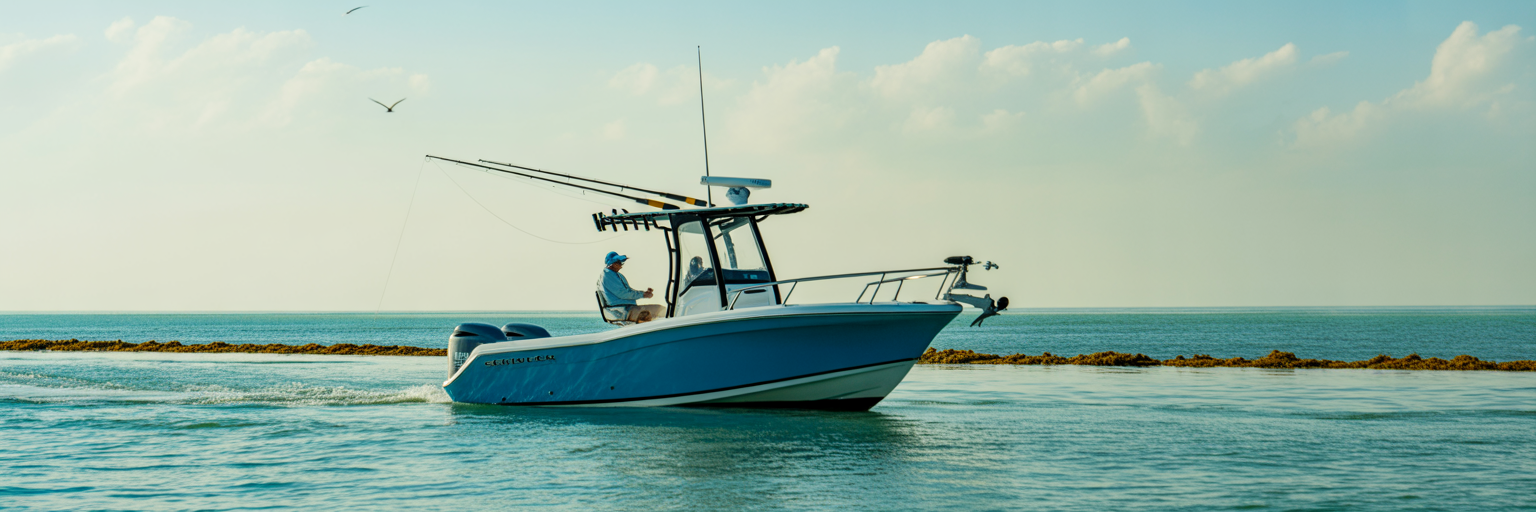
The Florida Keys offer a mahi fishery that is legendary for good reason. The primary advantage is simple geography. The deep, warm waters of the Straits of Florida and the powerful Gulf Stream current are just a handful of miles from shore. This proximity is the defining feature of mahi fishing Florida Keys. It means shorter runs, less fuel burned, and more time with lines in the water. The peak season aligns with the rest of South Florida, running hot from April through September, when conditions are most stable and the fish are thick.
The Keys Advantage: Deep Water, Close to Shore
Nowhere else in Florida is the run to world-class pelagic water so short. An angler leaving from Marathon or Islamorada might only need to run 10 miles to find the same quality of water that would require a 50-mile trip from the central Atlantic coast. This accessibility opens up the fishery to a wider range of boats, including smaller center consoles that might not be suited for long offshore expeditions. This geographical gift is why the Keys are synonymous with mahi fishing. You can leave the dock after breakfast and be on the fish before your coffee is cold.
Reading the Signs: Floaters, Rips, and Birds
Success in the Keys is all about visual hunting. You are constantly scanning the horizon for signs of life. The most productive targets are often “floaters,” which can be anything from a wooden pallet or a 5-gallon bucket to a massive log. Any piece of debris that has been in the water for a while will aggregate bait, and therefore, mahi. Current rips, visible as distinct lines on the surface where two currents meet, are another key feature to look for as they trap weed and bait. But the ultimate sign is bird activity, specifically frigatebirds, known locally as man-o’-war birds. Learning to read their behavior is crucial. If you see them circling high and lazily, they are searching. If you see them circling tightly and low to the water, or actively diving, they are on a school of fish right now. That is your signal to move in.
Targeting Schoolies vs. Slammer Bulls
Not all mahi are created equal, and the tactics to catch them differ. Smaller fish, known as “schoolies,” often gather in large numbers directly under a weed line or piece of debris. They are aggressive and can be caught one after another by casting small baits or lures into the school. The big, solitary “slammer” bulls are a different game. These mature fish are often found patrolling the edges of a weed line or traveling in pairs away from the main school. Catching them requires a more patient approach. You might troll a larger bait along the edge of the structure or spot one cruising and make a precise cast with a live bait. The thrill of sight-casting to a 40-pound bull mahi is an experience you will not forget.
Gulf Coast and Panhandle Offshore Strategy
Targeting mahi in the Gulf of Mexico is a different kind of commitment. The defining characteristic of gulf coast mahi fishing is the long run required to reach productive water. The continental shelf is wide and shallow, meaning you have to push far offshore to find the deep, blue, warm water that mahi inhabit. The season is also more compressed, typically peaking from May through August when the weather is most stable and offshore water temperatures are consistently high. This is not a casual trip, it is a dedicated offshore expedition.
The Long Run: Committing to the Offshore Game
Let’s be direct. If you are planning a mahi trip out of Tampa, Clearwater, or anywhere in the Panhandle, you need to be prepared for a long day and a significant fuel bill. Runs of 60, 80, or even over 100 miles are standard practice to get to the fishing grounds. This reality means that trip planning is paramount. You are not just heading out for a few hours, you are committing to a full day or even an overnight trip. This long-distance game filters out the casual crowd and is reserved for serious offshore anglers with capable boats and the right mindset.
Deepwater Targets: Rigs, Weeds, and Debris
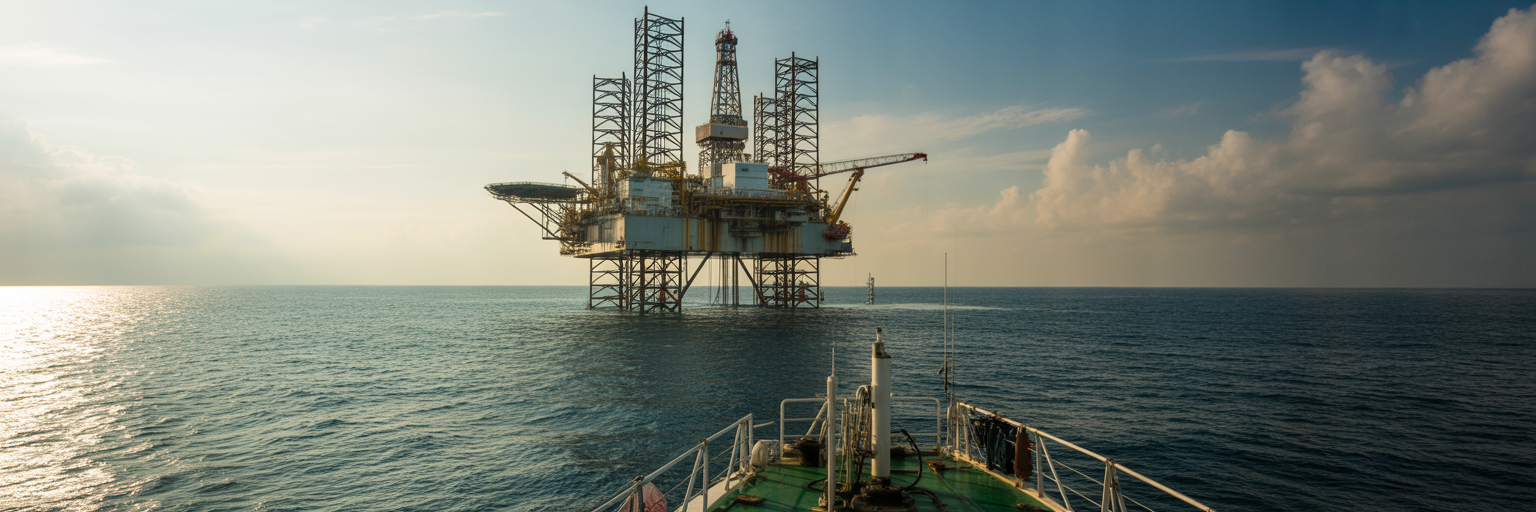
Unlike the Atlantic, where you can follow the defined edge of the Gulf Stream, the Gulf is a vast expanse of blue. Success here is about finding isolated structure in the open ocean. There are three primary targets to look for. First are the deepwater oil and gas rigs, which act as massive artificial reefs, attracting a complete food chain from baitfish to pelagic predators like mahi, tuna, and wahoo. Second are consolidated weed lines. During the stable weather patterns of summer, huge sargassum mats can form and hold for days, creating massive floating ecosystems. Finally, any significant floating debris you come across is a potential goldmine. A single log, buoy, or piece of flotsam can hold an entire school of mahi in an otherwise empty ocean.
The Weather Window is Everything
When your fishing spot is 100 miles from the dock, the weather forecast is not a suggestion, it is a lifeline. Safety is the absolute top priority. These long-range trips must be planned around a solid multi-day forecast of calm seas. A stable high-pressure system is your best friend. Unexpected weather can turn a dream trip into a dangerous situation very quickly. To make these long runs more efficient, smart anglers use technology before leaving the dock. Satellite services showing SST and chlorophyll concentrations can help you identify promising blue-water eddies and temperature breaks, allowing you to plot a course directly to the most likely zones instead of burning fuel searching blindly.
Reading the Water: Essential Environmental Cues
Knowing the regional seasons gets you in the ballpark, but finding fish on any given day comes down to reading the water in front of you. This is what separates the consistently successful angler from the one who just gets lucky sometimes. The real-time answer to when to target mahi in Florida is found by interpreting these environmental cues. This is the advanced course, the details that turn a good day into a great one. It is not about where you are, but what you see when you get there.
Think of the ocean as a book written in a language of signs. Learning to read it is the most important skill you can develop.
- Water Temperature: We know mahi like 75 to 85 degree water, but the magic is in the breaks. Use your sounder to find where the temperature changes, even by just one or two degrees. This edge, invisible to the naked eye, acts like a wall that concentrates baitfish. You will often see this break marked on the surface by a subtle change in water texture or color.
- Sargassum Weed Lines: Not all weed is created equal. You are looking for healthy, mature weed lines that are golden or rich brown in color. Get close and look for signs of life within the weed itself. If you can see small crabs, shrimp, and juvenile filefish, you have found the mahi buffet. Scattered, dark, dead-looking patches are far less likely to hold fish.
- Forage (Bait): Keep your eyes peeled for the mahi’s primary food sources. In Florida, this means flying fish, ballyhoo, small jacks, and rudderfish. The most exciting sign is seeing flying fish showering out of the water. That is a dead giveaway that they are being chased from below by a predator, and there is a very good chance that predator is a mahi.
- Bird Activity: Birds are your eyes in the sky. Learning their language is non-negotiable for offshore success.
- High, soaring frigatebirds: They are scouting, using their superior vantage point to look for signs of life. Keep an eye on them, as they may lead you to fish.
- Tightly circling, low frigatebirds: They have found something. This is a signal to head in their direction with purpose. They are circling over a weed patch, debris, or a school of fish.
- Actively diving terns or gannets: This means a surface feed is happening right now. Get there as fast as you safely can. This is the hottest sign you can find.
- A single frigatebird shadowing your boat: This is a smart bird. It is using your boat to stir up bait and is waiting for you to find the fish. Pay attention, it might see something before you do.
– Current Edges and Rips: A current edge, or rip, is a visual confirmation of a collision between two bodies of water. Look for a distinct line on the surface, which might be marked by foam, scattered weed, or a change in water color from a deeper cobalt blue to a greener shade. This is a natural conveyor belt for bait, and mahi use these rips as travel and hunting lanes.
Proven Tactics and Pre-Trip Checks
All the planning and observation in the world means nothing without solid execution. This is where you bring it all together with proven tactics and responsible practices. Your decision on whether to focus on nearshore or offshore waters should be made based on the day’s conditions. A strong east wind in the Keys, for example, can stack up beautiful weed lines just a few miles from the reef, making it the best time to fish for dolphin in Florida without a long run. Conversely, a trip from the Panhandle is almost always a dedicated offshore commitment, regardless of the wind.
For searching, a simple and effective trolling spread is your best bet. You do not need a dozen lines out. A great starting point is to run two small feather or squid-style lures on your outriggers and two rigged ballyhoo on flat lines closer to the boat. This combination covers different depths and presents both artificial and natural options. When you are running-and-gunning, speed and readiness are everything. The moment you spot a target like a weed mat or diving birds, you need to be ready to cast. This means having dedicated “pitch bait” rods, typically spinning outfits rigged with a live bait or a chunk of ballyhoo, ready to go at a moment’s notice.
One of the most important techniques for a productive day is learning how to keep the school at the boat. This is how you turn one hookup into a dozen fish in the box. The process is simple but requires discipline:
- Once the first mahi is hooked, do not boat it immediately. The fight and excitement of that first fish will draw in the rest of the school.
- Keep the hooked fish in the water near the boat, maintaining steady pressure on the line.
- This commotion holds the curious school right behind your boat, often within easy casting distance.
- Have other anglers on board cast their pitch baits to the following fish that have gathered.
- Only after a second fish is solidly hooked should you boat the first one. Repeat this process to keep the action going.
Finally, a non-negotiable part of every single trip is a pre-trip check of the regulations. Dolphinfish size and bag limits are set by the Florida Fish and Wildlife Conservation Commission (FWC) and are subject to change. Being a responsible angler means knowing and following the current rules. Verify the limits online immediately before you leave the dock. It protects the fishery for everyone and ensures we can all enjoy this incredible resource for years to come.