
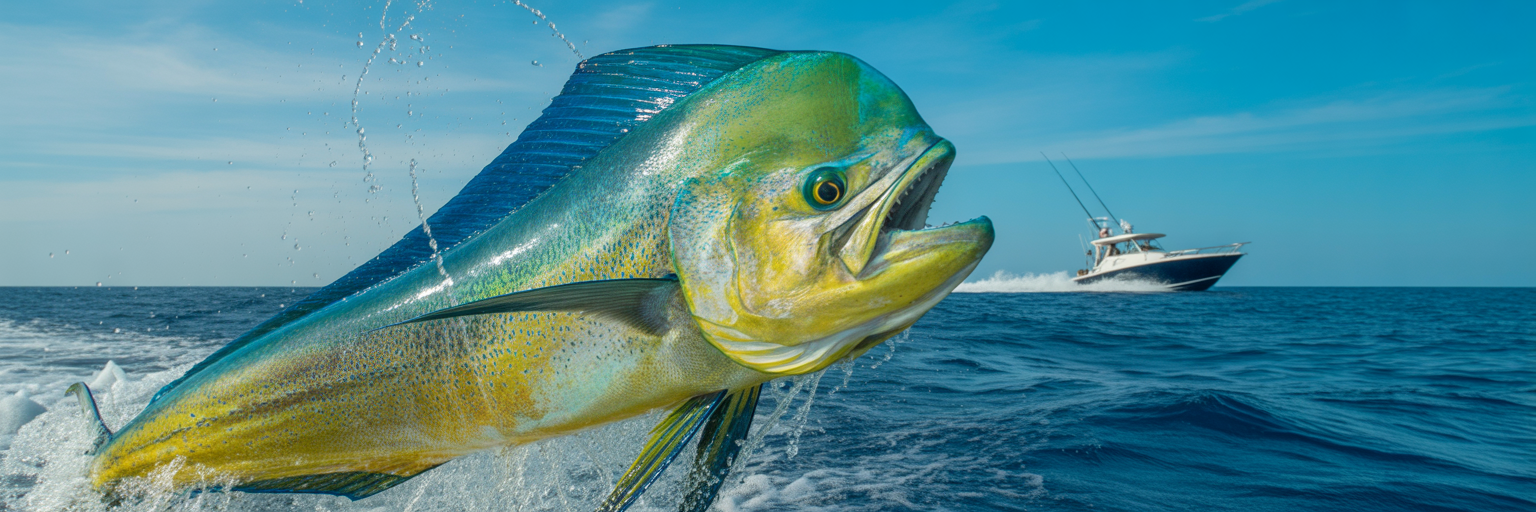
There are few sights in offshore fishing that get the blood pumping like a lit-up mahi mahi. That flash of electric green, blue, and gold charging a bait under the Florida sun is pure adrenaline. The sound of a screaming reel as a bull dorado goes airborne is what we live for. This isn’t just fishing; it’s a high-speed hunt. For anglers who want consistent success, a solid strategy for Mahi Mahi Fishing in Florida is non-negotiable. These fish, also known as dorado, are true ocean nomads, constantly roaming the deep blue of the Gulf Stream in search of warm currents, bait, and structure.
Targeting them isn’t like dropping a line to the bottom and waiting. It’s an active pursuit that requires you to read the water, understand their behavior, and present the right offerings. Luck has very little to do with filling the fish box with gaffer-sized mahi. It comes down to a repeatable process, and that’s exactly what we’re here to break down. We’re going to cover the seasonal patterns that tell you when to go and the offshore signs that tell you where to look. We will detail the exact trolling setups that produce strikes and explain what to do when an entire school lights up behind your boat. This guide is your playbook for turning a good day of fishing into an unforgettable one.
The Thrill of Mahi Mahi Fishing in Florida
Let’s be honest, we chase mahi for the sheer spectacle of it. There’s nothing subtle about them. They are aggressive, powerful, and arguably one of the most beautiful fish in the ocean. When a school of mahi finds your spread, it’s organized chaos in the best possible way. Multiple rods go down, anglers are scrambling, and the water behind the boat erupts in a frenzy of neon colors. That experience gets into your system. It’s why we burn the fuel and spend the hours prepping gear. The fight itself is a visual show. Mahi are famous for their acrobatic leaps and blistering runs, testing both the angler and the tackle.
Understanding their nature is the first step to consistently catching them. As pelagic fish, they are always on the move. They follow major ocean currents like the Gulf Stream, using them as highways to find food and comfortable water temperatures. Their entire existence revolves around finding the next meal, which is why they are so drawn to floating structure. Sargassum weed lines, floating debris, and current rips create entire ecosystems in the open ocean, concentrating the baitfish that mahi relentlessly hunt. This behavior makes them predictable if you know what signs to look for. Forget hoping to stumble upon them. A successful trip is about actively hunting for the conditions they prefer. This guide is built to give you that strategic edge, moving you from a hopeful angler to a confident hunter.
Timing Your Trip with Mahi Seasonal Patterns
Before you even think about rigging baits, you need to think about the calendar. Timing is everything in this game. Hitting the water during peak migration windows dramatically increases your odds of finding fish. While you can catch mahi year-round in South Florida, the action heats up significantly during specific periods. Knowing these patterns is the first layer of your strategy.
The Prime Season: Spring and Summer Migration
The main event for mahi runs from April through September. As the water temperatures climb, massive schools of fish migrate north along both the Atlantic and Gulf coasts. This is the time for numbers. The bait is thick, the fish are hungry, and the conditions are generally favorable for long offshore runs. During these months, finding a productive weed line or temperature break often means finding mahi. The fish are typically schoolie-sized, ranging from five to fifteen pounds, but larger bulls and cows are always mixed in. This is the most consistent and reliable time of year to plan a trip focused on filling the cooler and enjoying fast-paced action.
The Fall Run: Bigger Fish, Fewer Crowds
A secondary season kicks off from mid-September through October, and it’s a different kind of game. The fall run is characterized by fish migrating south ahead of cooling water temperatures. The action can be more sporadic than in the spring, with fewer schools around. However, the reward is often much greater. This is prime time for targeting the big ones. The fish caught during the fall are frequently larger, mature bulls and cows in the 20 to 40-pound class, with some true giants showing up. It’s a high-reward period for dedicated anglers who are willing to cover more ground to find that one big bite.
Daily Timing: When to Be on the Water
Many anglers live by the “early morning bite” rule, and while the first few hours of daylight can be productive, it’s not the whole story for mahi. For pelagic species, finding the right conditions is far more important than the time of day. A perfect weed line holding bait will produce fish at high noon just as effectively as it will at 7 a.m. Your focus should be on finding structure, not just being on the water at dawn. That said, pay attention to the tides. A strong outgoing tide near a major inlet can push a tremendous amount of bait offshore, creating a concentrated feeding zone along the edge of the Gulf Stream. These tide-driven rips are always worth investigating, regardless of the time on your watch.
Locating Productive Offshore Zones
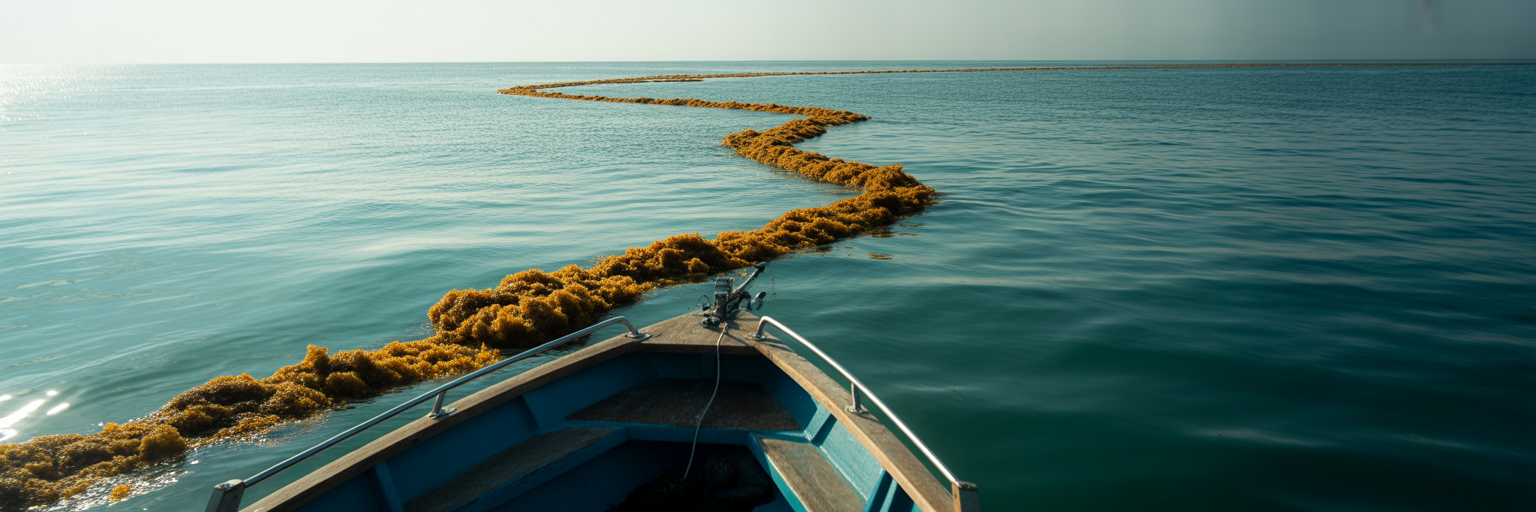
Once you’ve timed your trip with the seasons, the next challenge is turning the vast, open ocean into a manageable search grid. Mahi are structure-oriented fish, but their structure is often floating and constantly moving. Learning to identify these features is the single most important skill in offshore fishing. This is how you find the fish. These visual cues are the map to the best Florida offshore fishing spots.
Reading Sargassum Weed Lines: The Mahi Highway
Sargassum weed is the number one mahi magnet. But not all weed is created equal. You are looking for well-defined, matted weed lines that create a distinct edge between clean and weed-strewn water. A good line will have depth, thickness, and signs of life. Look for baitfish scattering on the surface or small crabs and shrimp in the weed itself. A lifeless, scattered patch of sargassum is rarely worth your time. The best lines often form along current edges, creating a perfect highway that concentrates both bait and predators. Troll parallel to these edges, working your lures in and out of the clean water.
Finding Gold in Floating Debris
Keep your eyes peeled for anything and everything floating on the surface. Wooden pallets, logs, buckets, and even large pieces of rope can create their own mini-ecosystems. This flotsam provides shade and cover for baitfish, which in turn attracts predators like mahi. Any significant piece of floating debris in deep water is a potential goldmine. Don’t just troll past it. Make multiple passes from different angles and have a pitch bait ready. Often, an entire school will be holding tight to the structure.
Hunting Invisible Structure: Current Edges and Temp Breaks
Some of the most productive zones are completely invisible to the naked eye. Current edges, where two bodies of water moving at different speeds meet, create rips and upwellings that trap bait. Similarly, temperature breaks, even a change of just one or two degrees, can act as a wall that concentrates fish. Modern marine electronics and satellite imagery services are invaluable tools for identifying these features before you even leave the dock. Trolling along these invisible highways is a proven tactic for intercepting migrating mahi.
Let the Birds Be Your Guide
This is a fundamental rule of offshore fishing: where there are birds, there is life. Diving birds, especially frigate birds, are your eyes in the sky. They can spot baitfish being pushed to the surface from miles away. If you see birds working an area, dropping down to the water, it’s a clear signal that predators are feeding below. Mahi are often the culprits. Do not hesitate. If you spot birds actively feeding, run to them. More often than not, you’ll run right into a school of hungry fish.
Effective Trolling Spreads and Speeds
Once you’re in a productive zone, your success depends on how you present your baits. Trolling is a science of speed, depth, and placement. A well-organized spread covers more water and creates a presentation that triggers aggressive strikes. The goal is to imitate a small school of fleeing baitfish, an offering a hungry mahi can’t refuse.
The ideal mahi mahi trolling speed is generally between 6 and 8 knots. This is fast enough to cover ground and find active fish, but slow enough to allow your lures and baits to swim naturally. You’ll need to adjust based on conditions. In rough seas, you may need to slow down to 5 knots to keep your baits from skipping out of the water. In calm conditions, you can sometimes speed up to 9 knots, especially when pulling artificial lures. Watch your baits closely; they should be swimming just below the surface, breaking it occasionally, not tumbling through the air.
A standard 5-line spread is a proven setup for covering the water column effectively. Here’s a blueprint:
- Long Rigger (Port): Position this bait the farthest back in your spread, running off the port outrigger in clean water.
- Long Rigger (Starboard): Mirror the port side, placing this bait just as far back on the starboard outrigger.
- Short Rigger (Port): Place this bait closer to the boat, just outside the prop wash on the port side.
- Short Rigger (Starboard): Mirror the port short rigger on the starboard side.
- Shotgun: This is your center line, run way back behind the rest of the spread. This position often tempts the largest, most cautious bull that might be hesitant to enter the main spread.
This formation creates a wide, staggered presentation. The long lines on the outriggers draw fish in, while the short lines offer an easy target for aggressive feeders. To make this spread even more effective, execute wide, sweeping S-turns. As you turn, the baits on the outside of the turn will speed up and rise toward the surface, while the baits on the inside will slow down and sink slightly. This constant change in speed and depth is a classic strike trigger that often converts following fish into hooked fish.
Choosing the Right Lures and Baits
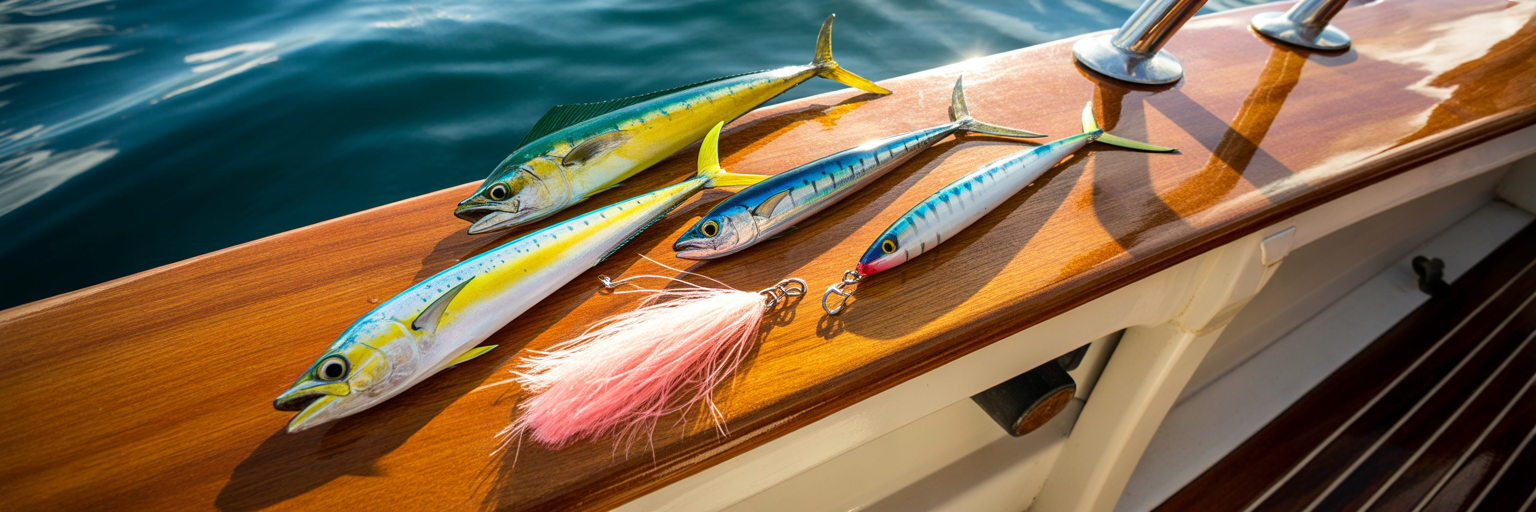
What you have at the end of your line is just as important as where you put it. The debate over the best lures for mahi mahi is endless, but a few choices have proven their worth time and time again in Florida waters. A smart angler runs a mix of natural baits and artificials to see what the fish are keying in on that day.
The Gold Standard: Rigging and Trolling Ballyhoo
If you could only choose one bait for mahi, the skirted ballyhoo would be it. Its natural swimming action and scent are simply irresistible. The key is a proper rigging. Using a pin rig, ensure the ballyhoo is straight and the hook is perfectly aligned. A well-rigged ballyhoo should swim upright without spinning or “washing out.” Pair it with a small trolling skirt in colors like blue and white, pink and white, or chartreuse. This combination is deadly on mahi of all sizes.
Durable and Deadly: Artificial Lures
Artificial lures are the workhorses of a mahi spread. They are durable, easy to rig, and can be trolled slightly faster than natural baits. This makes them perfect for searching for fish or when you encounter schools of small “peanut” mahi that would quickly destroy your ballyhoo supply. Essential artificials include feather jigs in bright colors like pink and chartreuse, and small diving plugs that can get a few feet below the surface. These lures add variety to your spread and are great for catching the attention of fish from a distance.
The Game Changer: Having Pitch Baits Ready
This tactic separates the pros from the amateurs. A pitch bait is not for trolling. It’s a separate spinning outfit, like a Shimano Stella or a similar quality reel, rigged and ready to cast at a moment’s notice. You can rig it with a live pilchard, a dead sardine, or even a simple bucktail jig. When you hook the first mahi, that fish will often lead its schoolmates right to the boat. This is when you grab the pitch rod and cast directly to the following fish. It’s the single most effective way to turn one hookup into a boat-wide frenzy and put multiple fish in the box.
| Lure Type | Best For | Trolling Speed | Pros | Cons |
|---|---|---|---|---|
| Skirted Ballyhoo | Targeting all sizes, especially larger fish | 5-7 knots | Most natural presentation; irresistible action | Washes out easily if rigged incorrectly; requires prep |
| Feather Jigs | Schoolie (‘peanut’) mahi; faster trolling | 7-9 knots | Extremely durable; easy to rig; effective colors | Less effective for trophy-sized, wary fish |
| Small Diving Plugs | Covering the mid-water column; mixed bag | 6-8 knots | Consistent swimming action; gets below the surface | Can be fouled by weeds; requires tuning |
| Chuggers/Poppers | Topwater commotion; attracting attention | 6-8 knots | Creates a smoke trail and noise to draw fish in | Less of a primary hookup lure, more of a teaser |
From Hookup to Fish Box Strategy
Locating and hooking the fish is only half the battle. The moments after a reel starts screaming are often chaotic, and having a clear plan is crucial to landing fish and capitalizing on a hot bite. This is where you execute the tactics that define how to catch mahi mahi when they show up in numbers. The most important rule comes first.
When you get that first hookup on a schoolie-sized fish, your immediate instinct is to reel it in as fast as possible. Fight that urge. The single most effective tactic for schooling mahi is to keep the first fish in the water near the boat. A hooked mahi is the greatest decoy you could ever have. Its panicked movements and flashing colors will draw the entire curious school right to your stern. If you immediately pull that first fish out of the water, the school will often scatter and disappear.
With the first fish acting as your live decoy, it’s time for the rest of the crew to spring into action. This is the moment for the pitch baits. Anglers should grab the ready-rigged spinning rods and start casting to the other fish now swarming behind the boat. This technique, known as “bailing mahi,” is how you turn a single hookup into five, ten, or even twenty fish in the box in a matter of minutes. It’s fast, furious, and incredibly effective.
When fighting a mahi, maintain steady pressure and be prepared for the jumps. When a mahi leaps out of the water, it will violently shake its head to throw the hook. To counter this, you must “bow to the king.” As the fish goes airborne, lower your rod tip toward it. This creates a small amount of slack in the line, preventing the fish from using the line’s tension as leverage to dislodge the hook. As soon as the fish re-enters the water, raise the rod tip and resume fighting.
Finally, have a landing plan. For smaller, schoolie-sized fish, a large landing net is fine. However, for any quality keeper fish over 10 pounds, a gaff is the better tool. A gaff gives you more control over a powerful fish at the side of the boat and ensures it makes it into the fish box. Have the gaff ready and within reach before the fish gets close. A clean, decisive gaff shot to the head or shoulder area is the safest way to end the fight.
Gearing Up with the Right Tackle
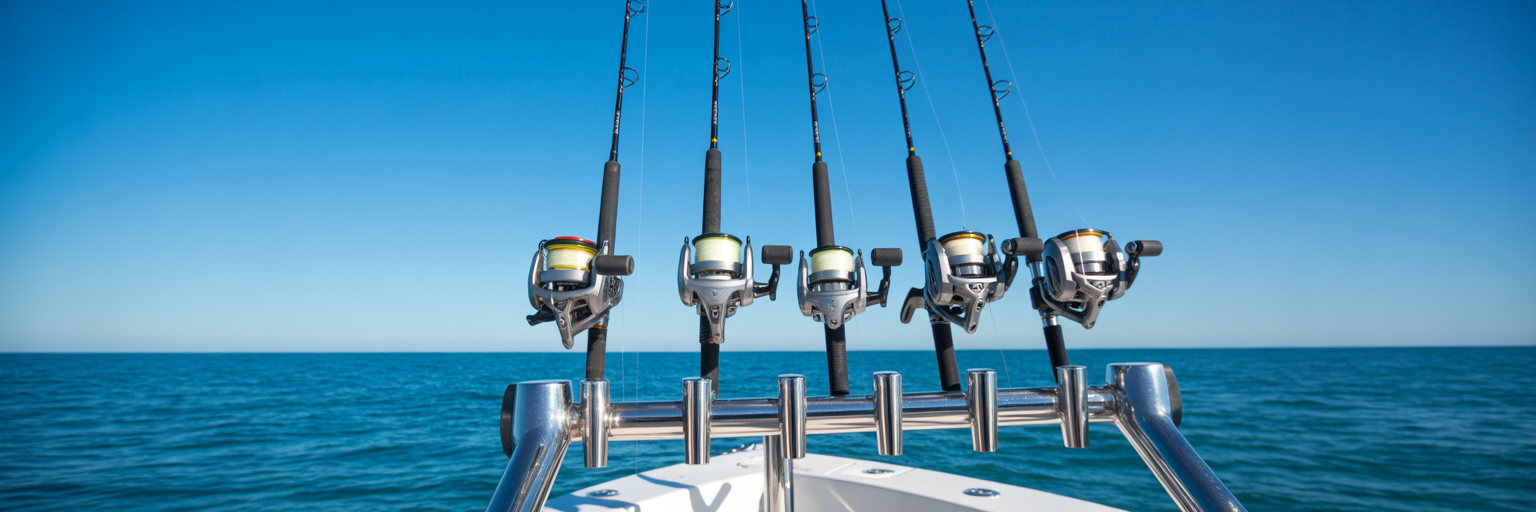
Having the right tools for the job prevents heartbreak. Mahi are strong, fast fish that will exploit any weakness in your setup. You don’t need the heaviest gear in the world, but you do need reliable tackle that can handle blistering runs and acrobatic jumps.
For general-purpose mahi fishing in Florida, 20-30lb class outfits are the sweet spot. This tackle has enough backbone to handle a surprise 40-pound bull but is still light enough to be sporty and fun on the more common 10-pound schoolies. For trolling, conventional reels like a Shimano TLD 25 or an equivalent are the standard. They offer excellent line capacity, a smooth drag, and the cranking power needed to winch a stubborn fish to the boat. For your pitch bait setups, high-quality spinning reels are superior. A reel like a Shimano Saragosa or Stella in the 6000 to 8000 size provides the casting distance, fast retrieve rate, and smooth drag needed for casting to frenzied fish.
Your line and leader choices are just as critical. For your main trolling lines, 20-30lb monofilament is an excellent choice. The inherent stretch of mono acts as a natural shock absorber, which is crucial when a mahi strikes at full speed or shakes its head violently. For leader material, fluorocarbon is the way to go. Its low visibility and high abrasion resistance are perfect for fooling wary fish and withstanding rough mouths. A 40-60lb fluorocarbon leader is a great all-around choice, though you may want to step up to 80lb if you know large bulls are in the area.
Before you leave the dock, run through a checklist of your terminal tackle and tools. Having these items organized and accessible can make or break your day:
- J-hooks in sizes 5/0 to 7/0 for rigging ballyhoo.
- Egg sinkers and pin rigs for your natural baits.
- Spools of leader material in 40, 60, and 80lb fluorocarbon.
- A quality crimping tool and the appropriate crimps.
- A dehooker for safely and quickly releasing smaller fish.
- A sharp, reliable gaff and a large landing net.
- A good pair of pliers and line cutters.
Florida Mahi Regulations and Best Practices
Being a successful angler also means being a responsible one. Protecting the fishery ensures that we can all enjoy this incredible resource for years to come. Knowing and adhering to the current Florida fishing regulations is not just a suggestion; it’s your duty as an angler.
The regulations for mahi mahi can differ between the Atlantic and Gulf of Mexico state waters. For example, in Atlantic state waters, the minimum size limit is typically 20 inches to the fork of the tail, with a bag limit of 5 fish per person. In Gulf state waters, the bag limit is often higher at 10 fish per person, with no minimum size limit. These rules are designed to manage the fish population and ensure a sustainable fishery.
However, and this is the most important point in this section, regulations can and do change. The limits mentioned here are for illustrative purposes only. Before every single trip, you must verify the latest rules directly with the official Florida Fish and Wildlife Conservation Commission (FWC) website. There is no excuse for not knowing the current laws. Ignorance is not a defense.
Beyond the official rules, there are best practices to follow. When measuring a fish, always measure to the fork length, which is from the tip of the snout to the fork in the middle of the tail. If you catch an undersized fish or simply choose to release one, handle it as little as possible. Use a dehooker to remove the hook quickly and return the fish to the water immediately to maximize its chance of survival. Finally, be mindful during a hot bite. While the action of bailing mahi is exhilarating, it’s easy to catch more than you need. Keep what you and your family will eat, and once you have enough for the table, consider releasing the rest. Enjoy the sport, respect the resource, and help preserve the future of this amazing fishery.