
NORTHEAST ATLANTIC
Neptune Beach
fishing guide
Neptune Beach fishing explained with public crossings, surf structure, small baits, seasonal conditions and an easy first-visit plan.
Explore the guide ↓Fish a small beach carefully
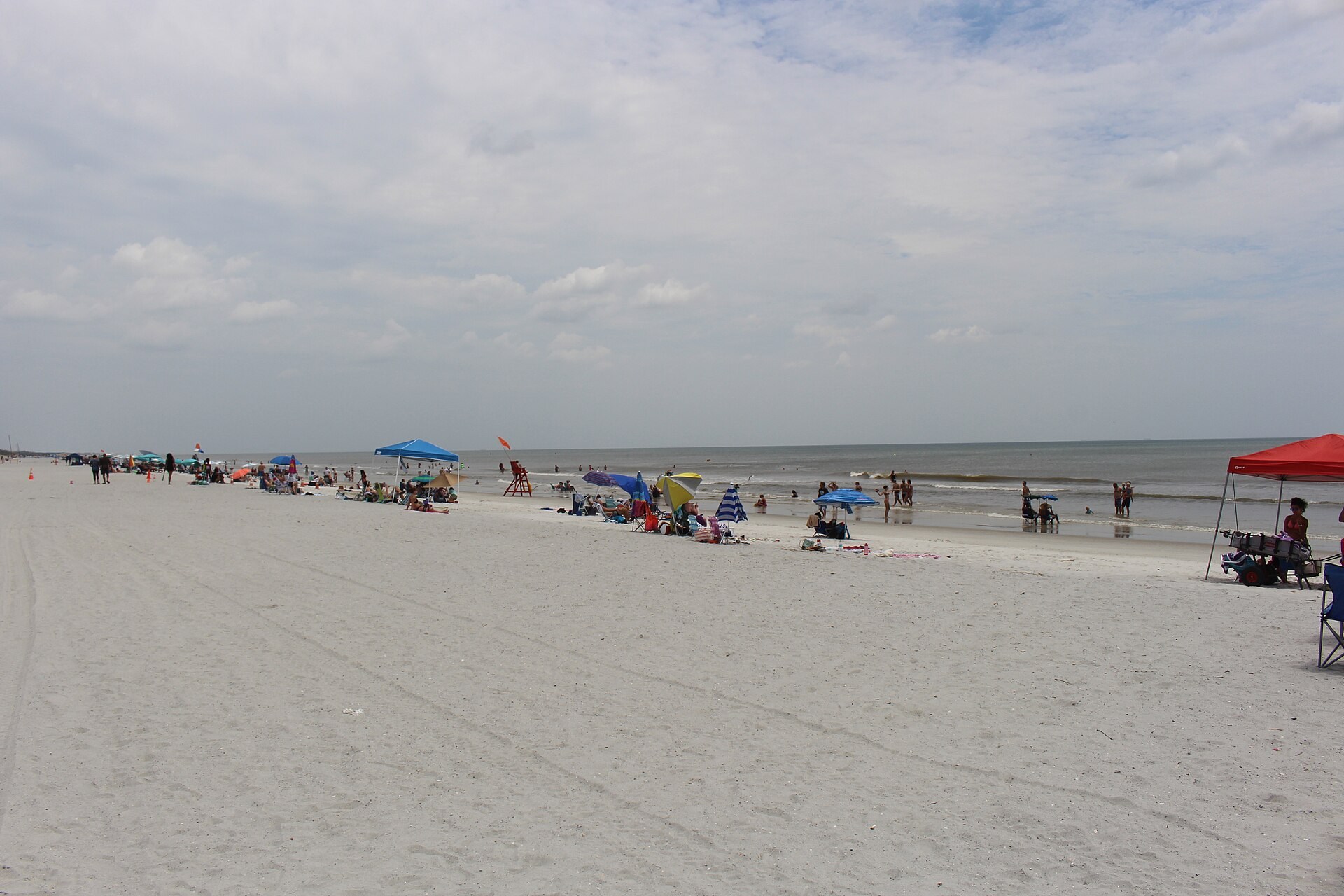
Neptune Beach suits a compact surf-fishing visit. The useful ground is the Atlantic sand in front of you, not a distant offshore mark. Small changes in the beach profile can gather food, and a careful cast into the nearest trough may be more useful than a hard cast toward the horizon.
This is a beach shared with a residential community, swimmers and surfers. The fishing plan starts with legal parking and an uncrowded stretch of water. Arrive with equipment that is easy to carry and easy to retrieve when other people need the space.
For a first attempt, concentrate on whiting or other small bottom-feeding fish. Bring fresh shrimp, a manageable surf outfit and enough patience to compare two nearby lanes. A short session can teach you how this beach changes with tide and wind.
Find a crossing that fits your visit
The city identifies special-needs parking at Atlantic Boulevard, Lemon Street, Davis Street and Hopkins Street. Check the signs and actual crossing conditions before unloading, especially when someone in the group needs a shorter or easier route.
Parking availability is a separate issue from the presence of a beach crossing. Do not stop in a driveway or block a neighborhood access while assembling rods. A little extra walking from a legal space is preferable to an uncertain parking arrangement.
Storms can alter the sand at the end of a crossing. A route that was level on a previous visit may now have a drop or soft section. Bring only what the group can safely move across the current surface.
Once on the beach, walk far enough to find a clear casting lane. Do not place lines beside a busy entrance where people naturally gather in the water. The simplest setup is one rod attended closely, with spare hooks secured in a box.
What the sandy lanes can hold
| Fish | Reason to look for it | Useful starting bait |
|---|---|---|
| Whiting | Feeds on small animals in the wash | A short piece of peeled shrimp |
| Florida pompano | Searches sand for small crustaceans | Sand flea or small shrimp portion |
| Bluefish | May follow bait schools along the beach | Compact spoon in a clear lane |
| Black drum | Can investigate bottom food near shell | Fresh shrimp held near the sand |
| Jack crevalle | Moves through when prey is concentrated | Durable lure matching small baitfish |
The first two targets fit a deliberate bottom-fishing plan. The others may be passing opportunities. Keeping a lure ready is useful, but abandoning a productive whiting lane for every distant splash can waste the best part of the session.
Rays and catfish also take natural bait. Handle unfamiliar catches cautiously and keep children away from spines. A fish that looks small can still cause a painful injury when held incorrectly.
Look for clean sand and modest movement
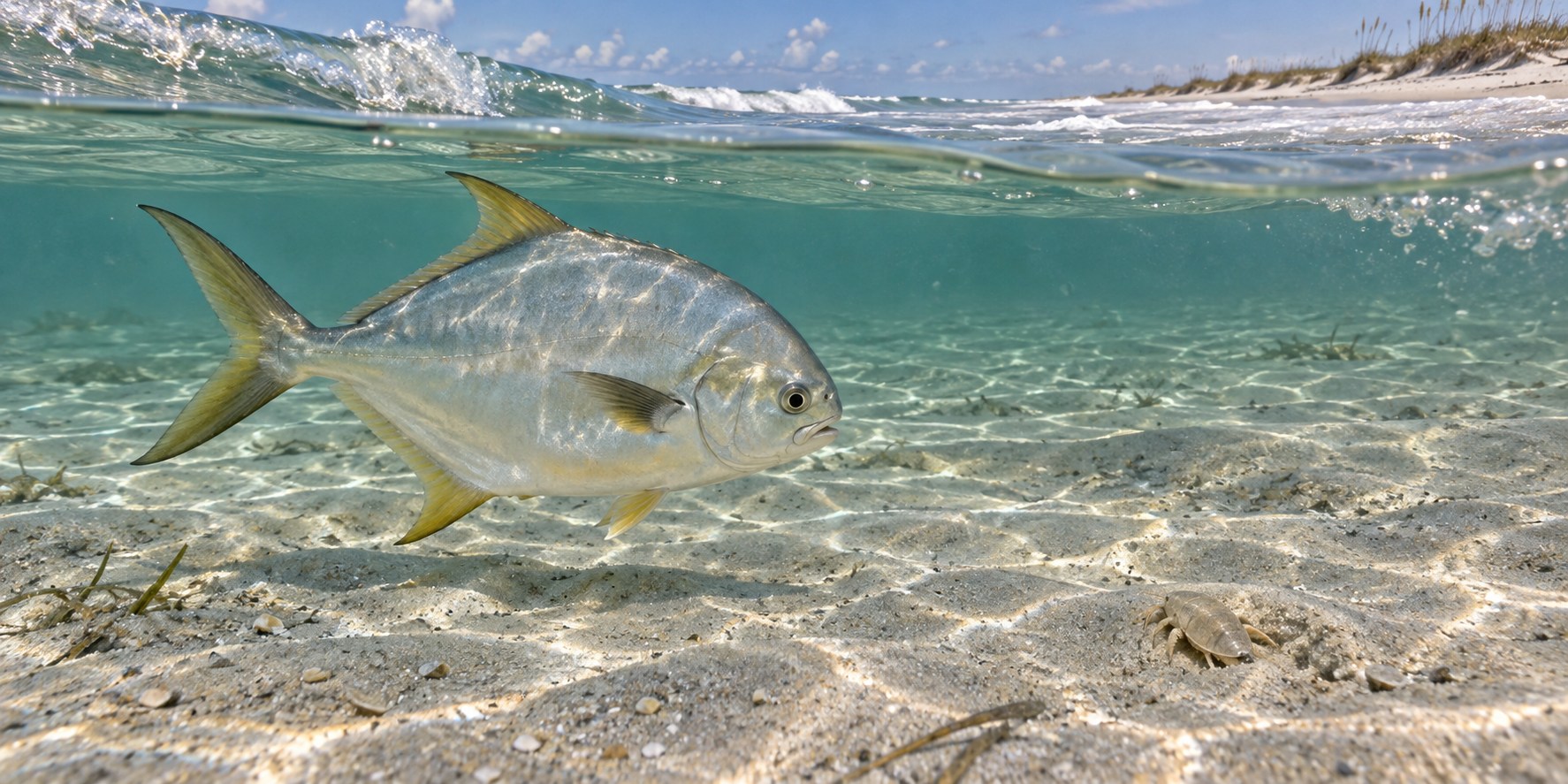
A useful pompano lane does not need enormous waves. Some movement can expose food, while excessive surf may make it difficult to keep the bait in place. Start where the rig can hold and where the water is free of heavy drifting weed.
Use a compact bait with the hook point exposed. Sand fleas should be gathered or purchased legally. If you are unfamiliar with collecting bait, fresh shrimp offers a simpler introduction without another task to learn.
Try the near trough before adding distance. If two people are fishing with adequate separation, compare a close presentation with one farther out. Keep the bait and rig similar so the distance is the main difference being tested.
A single pompano does not prove that the whole beach will produce all day. Schools move. Note the conditions and keep fishing the productive lane while the opportunity lasts.
Learn from the wave pattern
Stand still for a minute and watch several sets. Waves breaking repeatedly in one line can reveal a shallow bar. The smoother strip inside it may be deeper water. Foam sliding along that strip shows the direction the bait is likely to travel.
Look for a stretch where the rig will remain in your own space. If the current carries each cast rapidly sideways, the problem may be the conditions rather than the bait. A new angle or a different open stretch can help.
A gap in the breakers may also be an outward-flowing channel. Do not enter it to reach deeper water. Surf fishing from dry sand avoids turning a fishing decision into a swimming emergency.
Keep checking the beach behind you. Walkers can approach quietly while your attention is fixed on the rod tip. Pause a cast until the entire backswing and landing area are clear.
Turn small bites into useful information
Repeated light taps often mean the bait is being investigated or picked apart. Retrieve and inspect it rather than waiting indefinitely for a larger pull. Shorten a long piece and make sure the point is not buried.
If the bait remains untouched after several deliberate casts, change one factor. Move closer, farther or a short distance along the shore. Changing bait, hook, weight and distance together makes it difficult to know what helped.
Use the rod’s printed casting range when choosing a sinker. A heavier weight can hold better, but too much load can damage the rod or make the cast unsafe. Strong conditions may exceed the practical range of a light outfit.
With a circle hook, let a steady pull develop while tightening smoothly. Avoid an exaggerated strike. Keep the drag set so an unexpected larger fish can take line without breaking the outfit immediately.
Find a comfortable time window
Early morning often combines lower heat with fewer people in the water. It is still important to check parking and access hours. A convenient arrival time is only useful if the entrance you chose is available.
Spring and fall can offer pleasant surf-fishing days between weather systems. Summer brings warm water and storm risk. Winter may favor slower bottom fishing during calmer breaks, with activity affected by passing fronts.
Check the coastal forecast and tide outlook. An east wind can add waves, while a strong wind along the beach can make the line difficult to control. Evaluate both before carrying equipment far from the crossing.
If thunder develops, leave early enough to reach an enclosed vehicle or substantial building. Waiting for rain to begin is not a useful measure of lightning risk.
Keep the outing light
A small cooler protects bait and drinking water from heat. Separate food from bait containers. Bring pliers, a ruler, spare leader and a rubbish bag, then leave unnecessary tackle in the vehicle.
Use a rod holder securely above the wash and remain nearby. A rising wave can soften the sand around a spike. Check it occasionally instead of assuming the first placement will remain firm.
For a child, explain the casting area before adding a hook. Let them practice holding the rod and winding under supervision. One successful small catch can be a better lesson than several rods that no one can manage.
If beach conditions are unsuitable, compare the managed pier in the Jacksonville Beach guide. The Atlantic Beach guide covers a different marsh-side option, including its access limitations.
Keep rules and wildlife in the plan
Read the FWC saltwater recreational rules for the current license and harvest requirements. Do not assume that standing on a public beach removes the need to check.
Identify and measure a fish before keeping it. Release uncertain catches promptly. Handle release fish with wet hands and avoid placing them on dry sand while searching for a camera.
Leave marked nesting areas and dunes alone. Retrieve loose line even if it came from an earlier visitor. Covered bait and tidy tackle reduce the chance of a bird taking a hook from the beach.
Deliberate shore-based shark fishing has additional requirements. It is a separate activity that should not be improvised from a small family surf setup.
Neptune Beach fishing questions
What is the easiest first target?
Whiting are a sensible starting point in manageable surf. Use a small shrimp bait in the inner trough and pay attention to frequent light bites.
Do I need a long surf rod?
You need a rod rated for the weight you will cast. Moderate conditions may allow a simpler outfit, while heavy surf can exceed its safe limits.
Can I fish wherever there is a crossing?
A crossing provides access, but you still need a clear, permitted casting area away from swimmers and surfers. Check local signs on arrival.
What should I do when the beach gets crowded?
Bring in the lines before people enter the casting space. Move only if another suitable open area exists; otherwise, finish the session.
Put the plan into practice
Use the end of a short session to compare your first and last casting lanes. Has the wash reached the rod holder? Is the bait now landing on a shallow bar instead of the trough beside it? Small changes in water level can explain a quiet spell. Move the presentation in a measured step rather than replacing every piece of tackle. Before walking back, secure the hook to the outfit and remove trailing line so the beach access remains safe for barefoot visitors.