
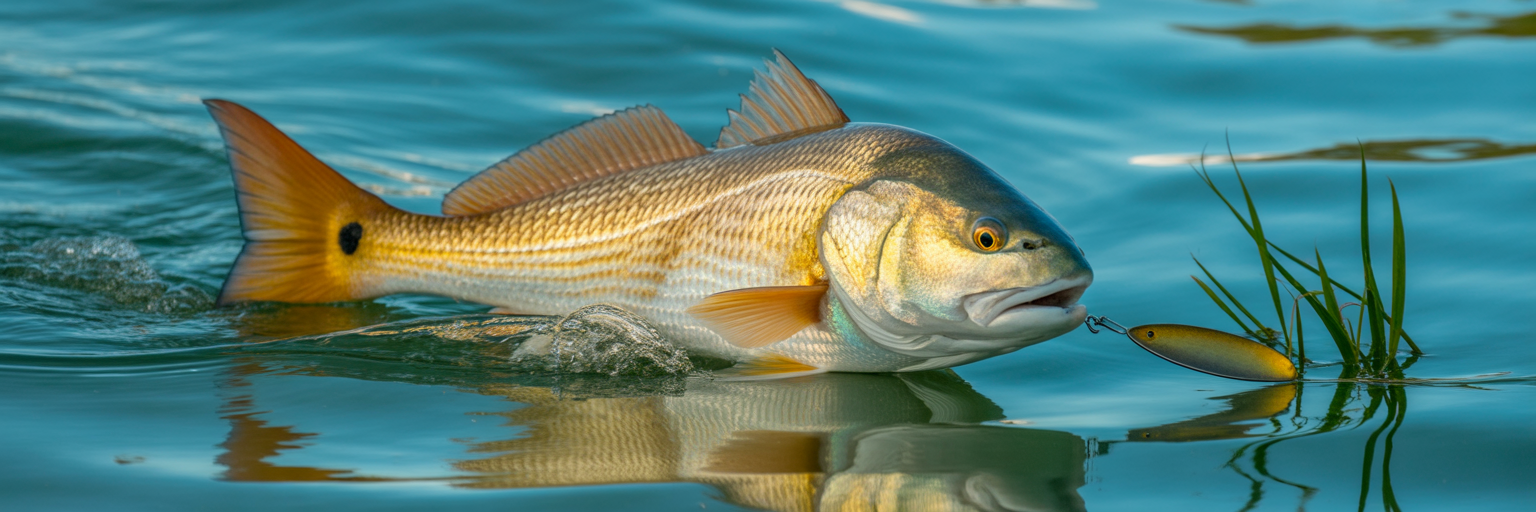
The Great Florida Redfish Bait Debate
It is a familiar scene on the water. You are on the deck at dawn, the air is still, and you are looking out over a promising flat. The first strategic decision of the day is not where to cast, but what to tie on. Do you rig up a live shrimp or clip on a gold spoon? This is the constant question for anyone targeting Florida redfish. It is a choice that defines your entire approach for the day.
There are two distinct schools of thought. You have the bait soakers who put their faith in the undeniable appeal of natural scent and action. For them, nothing beats a live pinfish struggling on a hook. Then you have the lure chunkers, anglers who live for the hunt, the long cast, and the thrill of tricking a fish into a violent strike. They believe covering water is the key to success.
This guide is not about picking a side. The most effective anglers are not loyal to one method. They are versatile. They understand that the real skill lies in knowing why you are choosing a certain presentation. It is about reading the conditions and letting the fish tell you what they want to eat. Success comes from adapting your tactics on the fly.
We are going to give you a practical framework for making that call. We will break down the critical factors that should guide your decision. These include water clarity, wind, tide, and the specific behavior of the redfish you find. Forget old habits. It is time to start making calculated decisions that put more fish in the boat.
Reading the Water for Your Best Bet
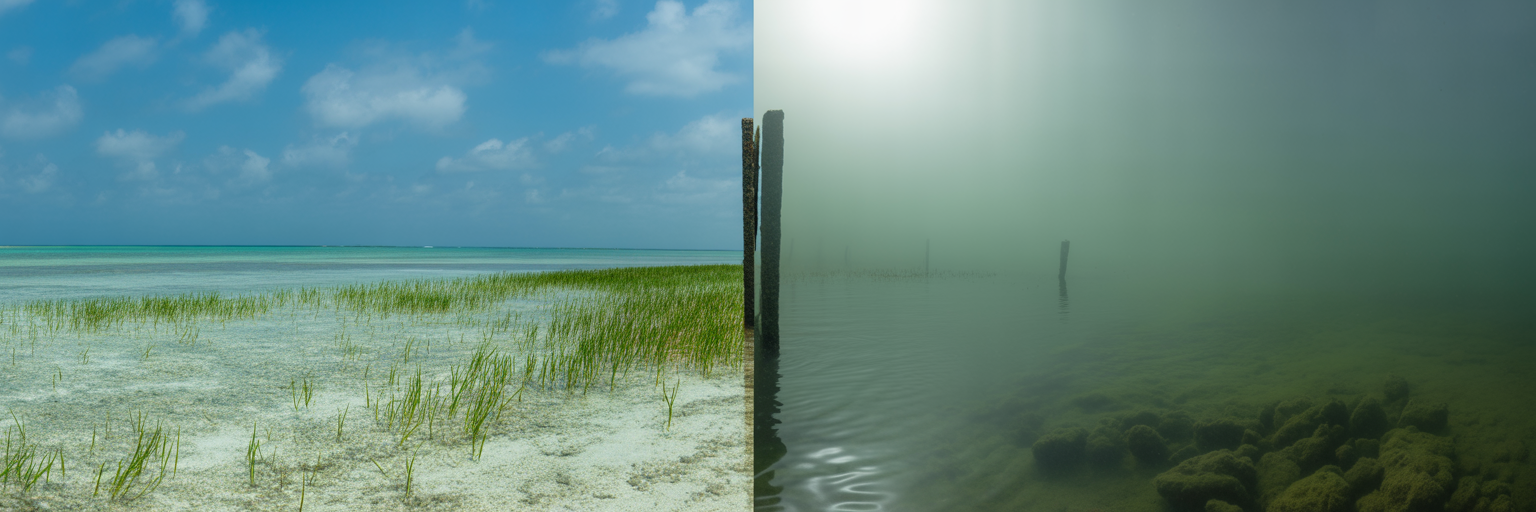
Before you even think about what the fish are doing, you have to read the environment. The water itself gives you the most important clues for your initial presentation. Successful redfishing starts with interpreting these conditions correctly and selecting your offering based on what the environment allows.
Water Clarity: The Biggest Factor of All
Water clarity dictates everything. Fishing a gin-clear flat in the Keys is a completely different game than working a stained backwater in Northeast Florida. In clear water, redfish are spooky. They hunt by sight and can spot a clumsy presentation or a heavy leader from yards away. Your approach must be built on stealth and realism. This means long casts with smaller, natural-colored lures or a free-lined live shrimp that can swim unencumbered. In dirty or tannic water, the rules flip. Fish hunt using their lateral line to detect vibration, along with sound and scent. This is when noisy topwater plugs, rattling lures like a ChatterBait, a thumping gold spoon, or the strong scent of cut mullet become your best tools.
Wind: Your Friend or Foe?
Wind is another critical variable. A dead calm, slicked-out surface is a sight-fisherman’s dream, but it also means the fish can see and hear you coming. Stealth is paramount. A light chop, however, is an angler’s best friend. It breaks up the surface, diffuses light, and camouflages your presence, allowing you to get closer and use more aggressive search baits. When the wind really starts blowing, it forces your hand. You need heavier lures or weighted bait rigs simply to make an accurate cast and maintain contact with your presentation. A 15-knot wind will push a light paddle tail all over the place, but a half-ounce jighead cuts through it.
Tide and Current: Where the Dinner Bell Rings
Always remember the angler’s mantra: moving water is feeding water. Redfish use current to their advantage, setting up in ambush points where the tide brings a steady supply of food. A live shrimp drifting naturally along a current seam or past an oyster bar is often an irresistible meal. During a slack tide, especially on a vast flat, fish tend to scatter. This is not the time to soak a bait in one spot. It is the perfect opportunity to cover ground with search baits like spoons or paddle tails to locate active, feeding fish.
Redfish Presentation Decision Matrix
| Condition | Your Best Bet | The ‘Why’ Behind the Choice |
|---|---|---|
| Clear Water + Calm Wind | Small Soft Plastic or Free-Lined Shrimp | Fish are wary and rely on sight. Stealth and realism are critical. |
| Clear Water + Light Chop | Gold Spoon or Paddle Tail | Chop provides camouflage, allowing for more aggressive searching with lures. |
| Stained Water + Moving Tide | Popping Cork with Shrimp or Cut Bait | Sound and scent are needed to draw fish in when visibility is low. |
| Stained Water + Slack Tide | ChatterBait or Topwater Lure | Maximum vibration and noise are needed to trigger strikes from inactive fish. |
| Heavy Wind (Any Clarity) | Heavier Jighead or Weighted Bait Rig | Weight is required for casting accuracy and maintaining contact with your presentation. |
This table provides a quick reference guide based on common Florida inshore conditions. These are starting points; always be prepared to adjust based on what the fish are telling you.
When Live Bait is the Unbeatable Choice
There is a golden rule on the water: when the bite gets tough, the fish are finicky, or you find them concentrated in a specific zone, it is time for live bait. It is the ultimate problem-solver. The scent, the movement, the vulnerability, it is a combination that a redfish is biologically programmed to eat. While lures are for hunting, bait is for closing the deal.
Your choice of bait matters. Here are the top three options for redfish:
- Live Shrimp: This is the universal crowd-pleaser. Everything eats a shrimp. They are effective but delicate and easily stolen by pinfish and other bait thieves.
- Pinfish: A heartier option, the frantic struggle of a hooked pinfish sends out vibrations that attract larger, more aggressive reds. They are tough and stay on the hook longer.
- Finger Mullet: A prime choice, especially in the fall when mullet run the beaches and fill the backwaters. Rigging a live mullet under a cork is a classic and effective tactic.
How you present the bait is just as important as the bait itself. Mastering different rigging methods is a core component of all successful live bait fishing. The popping cork rig is deadly over grass flats or in murky water. The “chug” of the cork mimics feeding activity and calls fish in from a distance. For a stealthy approach in clear water around docks and mangroves, free-lining a shrimp with just a hook allows for the most natural presentation. For fishing deeper channels or cuts, a simple slip-sinker bottom rig gets your bait down into the strike zone where fish are holding.
The strategy is simple: match the hatch. If you see schools of mullet, using a mullet makes sense. If the water is full of small crabs, a live shrimp is a great imitation. Of course, using live bait means you have to keep it alive. A good aerator in a bait bucket or livewell is non-negotiable. Managing water temperature on hot days by adding a frozen water bottle can be the difference between lively baits and a bucket of dead ones. It is more work than grabbing a tray of lures, but on tough days, it is often the only thing that gets you bit.
Covering Water with an Artificial Arsenal
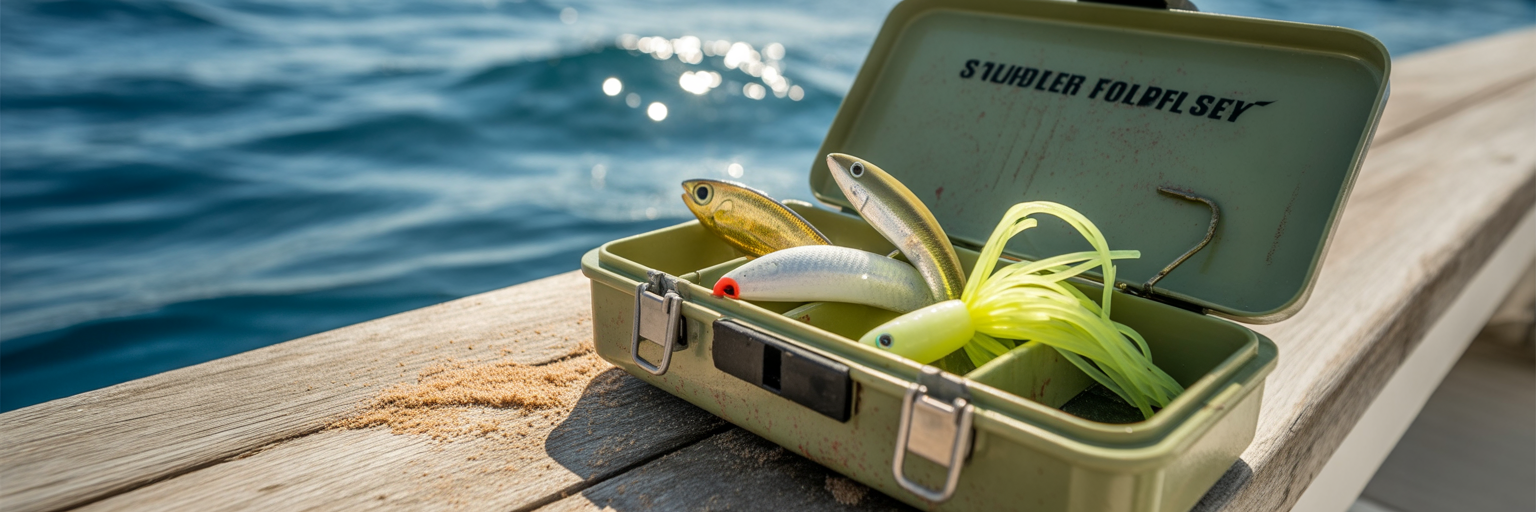
Choosing an artificial lure is about embracing the hunting style of redfishing. Lures are for the active angler who wants to cover ground, make hundreds of casts, and find aggressive fish willing to chase. The core benefit is efficiency. You can carry a complete arsenal of different shapes, colors, and actions in a single small box, allowing you to adapt instantly to changing conditions without the hassle of a livewell.
You do not need a tackle shop on your boat. A few proven redfish lures will handle almost any situation you encounter.
The Weedless Gold Spoon: This is the undisputed king of search baits when fishing florida flats and oyster bars. Its wobble and flash perfectly mimic a fleeing crab or baitfish. Rigged to be weedless, you can throw it into the thickest grass and work it back without snagging. It is a simple, effective tool for finding fish.
Soft Plastic Paddle Tails: The versatility of a 3 to 4-inch paddle tail on a jighead is unmatched. You can swim it with a slow, steady retrieve just above the bottom, or you can hop it to imitate a shrimp or crab. Color selection is straightforward: use natural colors like root beer or new penny in clear water, and switch to darker colors or chartreuse in stained water. A 1/8 to 1/4 ounce jighead will cover most inshore depths.
Topwater Lures: Nothing beats the excitement of a redfish exploding on a topwater plug. The prime time for these lures is early morning or late evening when the water is calm. A “walk-the-dog” retrieve, where the lure zig-zags across the surface, is the standard action that triggers explosive strikes from hunting reds. It is a visual and thrilling way to fish.
With lures, you are not waiting for the fish to find you. You are actively seeking them out. This run-and-gun approach allows you to quickly dissect a flat, a shoreline, or a series of points, looking for that one aggressive fish that will give away the location of the school.
Let the Redfish’s Behavior Decide
Once you have read the water and chosen a starting presentation, the next step is to read the fish. This is what separates good anglers from great ones. A redfish’s body language tells you exactly what it is doing and how it wants its meal presented. Adjusting your tactics based on these visual cues is the key to consistent success.
- Tailing Reds: You see the classic sign: a bronze tail waving gently above the surface. The fish’s head is down, rooting for crabs or shrimp in the mud or grass. This is a delicate situation. A loud, splashy presentation will send it bolting for deep water. The correct play is a small, weedless soft plastic or a free-lined shrimp cast well beyond the fish. You then quietly ease the offering into its path, letting the redfish discover it naturally.
- Cruising Fish: You spot a single red or a small school moving with purpose along a mangrove shoreline or the edge of a flat. These fish are on the hunt. This situation calls for a reaction strike. You need to lead the fish, casting a gold spoon or a quickly retrieved paddle tail to intercept its path. The goal is to make your lure look like a fleeing baitfish that has suddenly appeared in front of the predator.
- Holding on Structure: The fish are not moving. They are tucked tightly against an oyster bar, a mangrove root, or a dock piling, waiting for the current to bring them a meal. They are in ambush mode. This is the perfect time for live bait for redfish. A live shrimp or pinfish on a jighead or under a cork, placed right in the strike zone, is often too much for them to resist. Let it soak and wait for the bite.
- Busting Bait: This is the most exciting scenario. You see frantic surface commotion, diving birds, and shrimp skipping across the water. Redfish are in a feeding frenzy. The only answer is to “match the hatch” with a lure that mimics the baitfish they are destroying. A topwater plug, a silver spoon, or a paddle tail cast directly into the chaos will almost always get crushed. In this situation, lures often outperform bait because you can cast them farther and retrieve them faster.
The Simple, Unbeatable Trip Plan
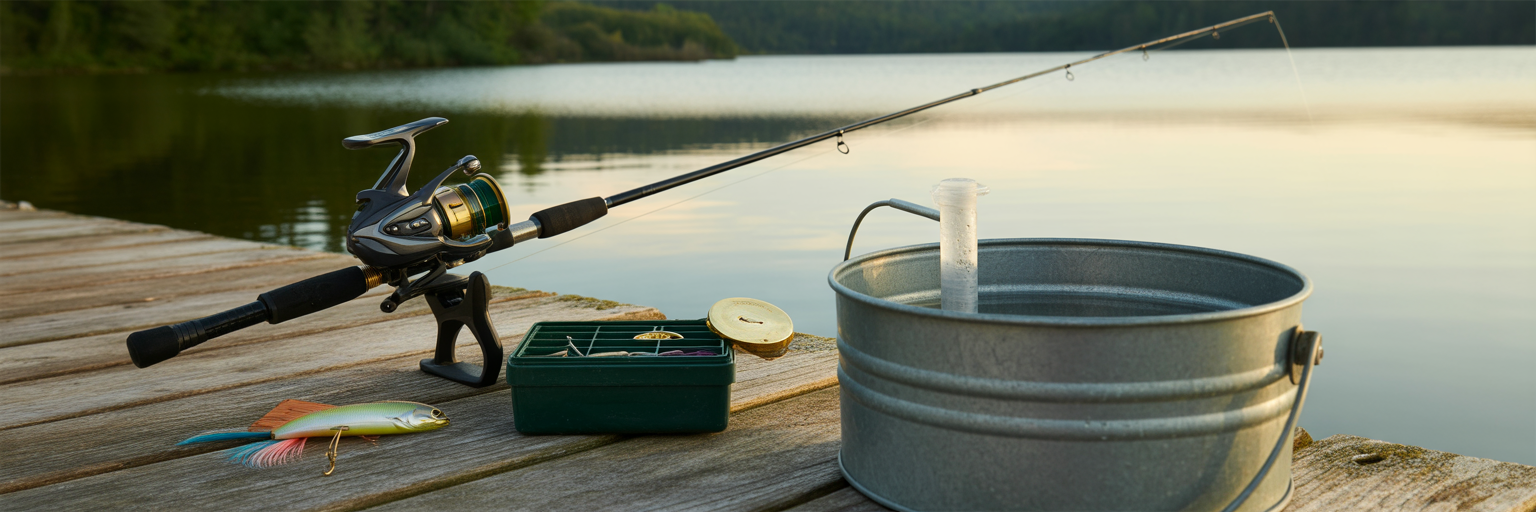
One of the biggest mistakes anglers make is overpacking. They bring a dozen rods and a mountain of tackle, leading to a cluttered deck and decision paralysis. The goal is to have a versatile plan that does not weigh down the boat. A simple, two-pronged approach ensures you are prepared for anything without being overwhelmed.
It starts with the “One Rod, Two Approaches” setup. A 7-foot to 7-foot-6-inch medium-power spinning rod, paired with a 3000-size reel spooled with 10 to 15-pound braid, can do it all. This single combo is light enough to cast small lures all day but has enough backbone to pull a big red from structure.
Your minimalist lure box should contain only the essentials:
- Two 1/4 oz weedless gold spoons
- One pack of 3-inch natural-colored paddle tails
- One pack of 4-inch dark or chartreuse paddle tails
- A handful of 1/8 oz and 1/4 oz jigheads
- One spool of 20lb fluorocarbon leader
Your companion bait setup is just as simple: a 5-gallon bucket with a battery-powered aerator, a dozen live shrimp or pinfish, two pre-tied popping corks, and a few #1 circle hooks. This entire system is compact and easy to manage.
The game plan is one of the best redfish fishing tips you can follow. Start the day with lures. Use the gold spoon or paddle tail to actively search for fish and cover water. If the bite is slow, or if you locate fish holding tight to structure, it takes only a minute to switch gears. Put down the lure rod, pick up your bait bucket, and deploy a live shrimp under a cork. This proactive plan ensures you are always using the highest-percentage technique for the situation at hand.
Making the Switch: On-the-Water Scenarios
The core message of this guide is adaptability. Being a successful redfish angler means recognizing when a technique has stopped working and having the confidence to make a change. Do not be stubborn. Here are a few common scenarios every Florida angler faces and the tactical switch that saves the day.
Scenario A: The Wind Kicks Up
You were having a great morning sight-fishing reds on a clear flat with light paddle tails. Now, a 15-knot wind is churning the water, making it impossible to see fish and putting a huge bow in your line. Your casts are inaccurate and you have lost all feel. The move: Switch to a popping cork with a live shrimp. The weight of the cork will help you cast into the wind, and its loud “chugging” sound will call in fish that can no longer see your lure in the choppy, now-murky water.
Scenario B: Following the Tide Out
The high-tide bite on the flats was excellent, but now the water is receding and the bite has died. The fish have vanished. The move: Reposition the boat to the mouth of a creek or a cut that is draining that same flat. The redfish are using this deeper channel as an escape route. Switch from your weedless spoon to a heavier jighead with a soft plastic or a free-lined shrimp to get your presentation down in the stronger current and intercept fish as they funnel out.
Scenario C: The Midday Doldrums
The sun is high, the water is slick calm, and the fish have developed a severe case of lockjaw. You have been casting lures for an hour without a bump. The move: Stop searching and start targeting. Find the nearest dock, bridge piling, or deep channel edge that offers shade and structure. Anchor up quietly, deploy live or cut bait on the bottom, and be patient. In these tough, hot conditions, a slow, methodical approach with scented bait is often the only way to trigger a bite.
Think Like a Redfish, Fish Like a Pro
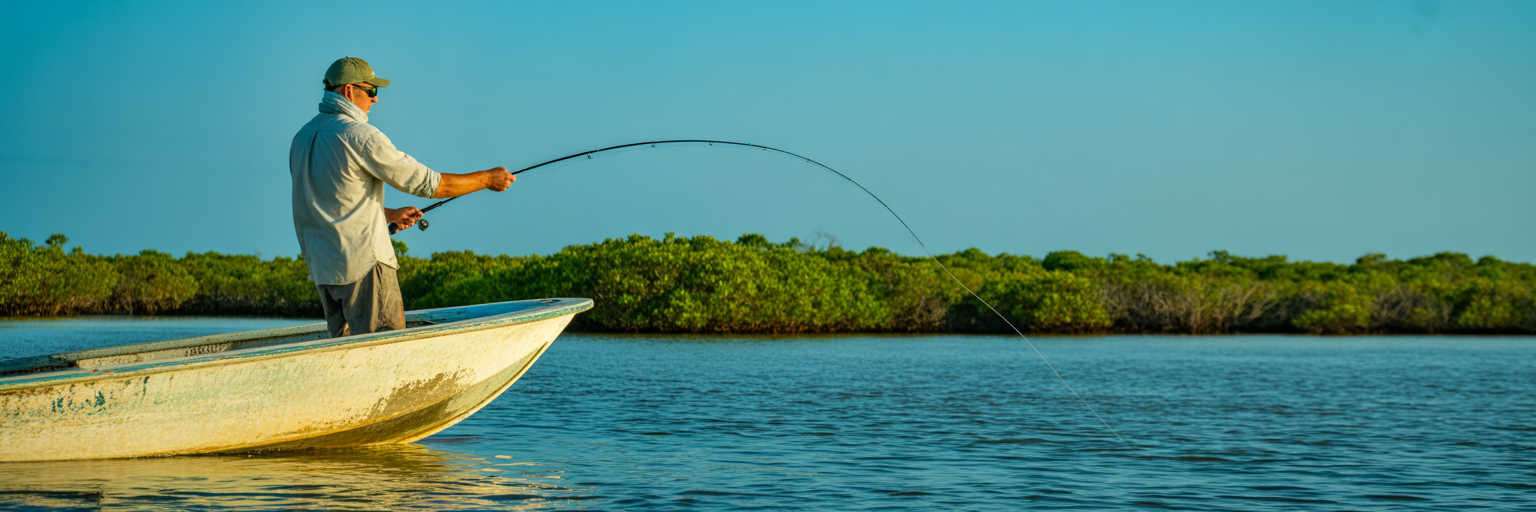
The endless “bait versus lure” debate is the wrong way to approach your day on the water. It limits your thinking and your results. The only question that matters is, “What do the redfish want right now?” Let the answer to that question guide every decision you make.
Before you make your first cast, run through the mental checklist. Check the water clarity. Check the wind. Check the tide. Most importantly, once you find fish, observe their behavior. Let these factors, not old habits, dictate your presentation. This is how to catch redfish in Florida under any condition.
Embrace versatility on your next trip. If you are a die-hard bait fisherman who always reaches for a shrimp, challenge yourself to spend the first two hours with only a gold spoon. Learn to cover water and hunt for an active bite. If you are a lure purist, take the time to learn how to keep bait alive and effectively work a popping cork. Understand its power when the bite is slow.
By mastering both presentations and, more importantly, knowing when to deploy each one, you stop being a “bait guy” or a “lure guy.” You become a complete and consistently successful redfish angler.