
Choosing Your Essential Bottom Fishing Rigs
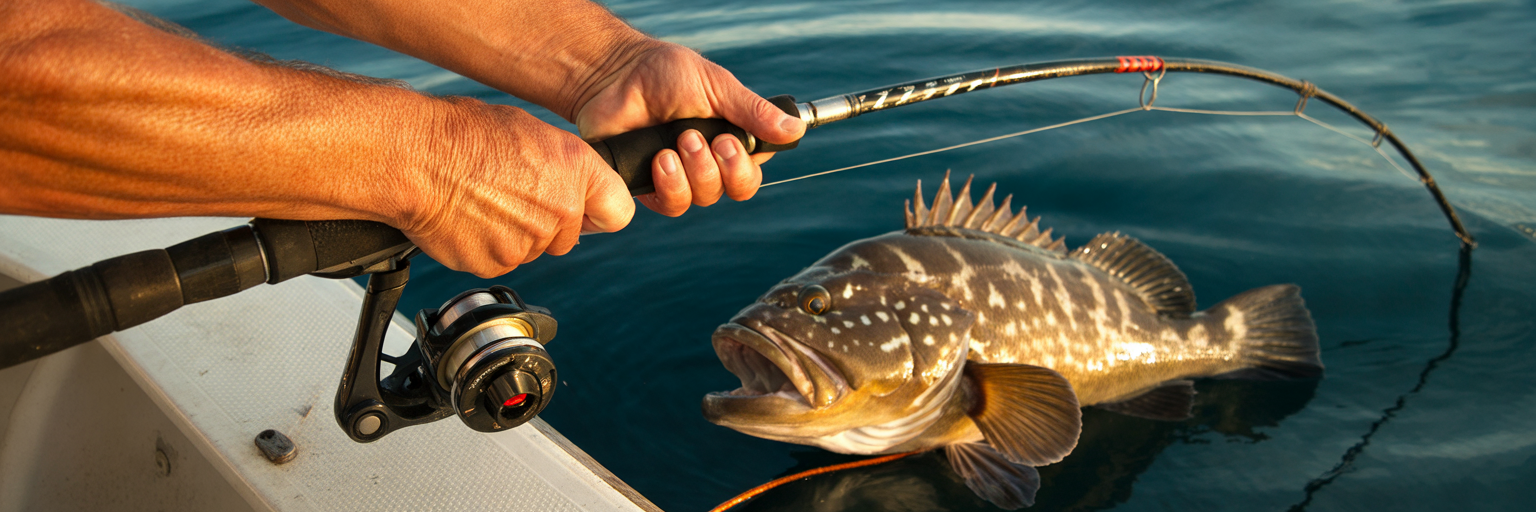
The difference between a cooler full of snapper and a day spent retying snagged lines often comes down to the rig at the end of your line. For any angler dropping baits on Florida’s reefs and wrecks, rig selection is not a matter of preference. It is a strategic decision dictated by current, depth, structure, and the specific fish you are after. The right setup presents your bait perfectly, turning a hopeful drop into a confident hookup. While there are dozens of variations, mastering a few core Bottom Fishing Rigs is far more effective than having a passing knowledge of many.
Think of these rigs as specific tools for specific jobs. You would not use a sledgehammer to hang a picture, and you should not use a finesse rig to pull a grouper from a wreck. The goal is to build your confidence in tying and deploying the right setup for the conditions you face on the water. This knowledge translates directly to measurable results: more bites, fewer snags, and bigger fish in the box.
We will focus on the three workhorses of Florida reef fishing. The Knocker Rig is your tool for digging fish out of the gnarliest structure. The Fish-Finder Rig offers a subtle, natural presentation for wary fish on open bottom. Finally, the Chicken Rig is your high-efficiency setup for covering the water column in deep water. Understanding when and how to use each one is fundamental to consistent success.
The Knocker Rig for Heavy Structure
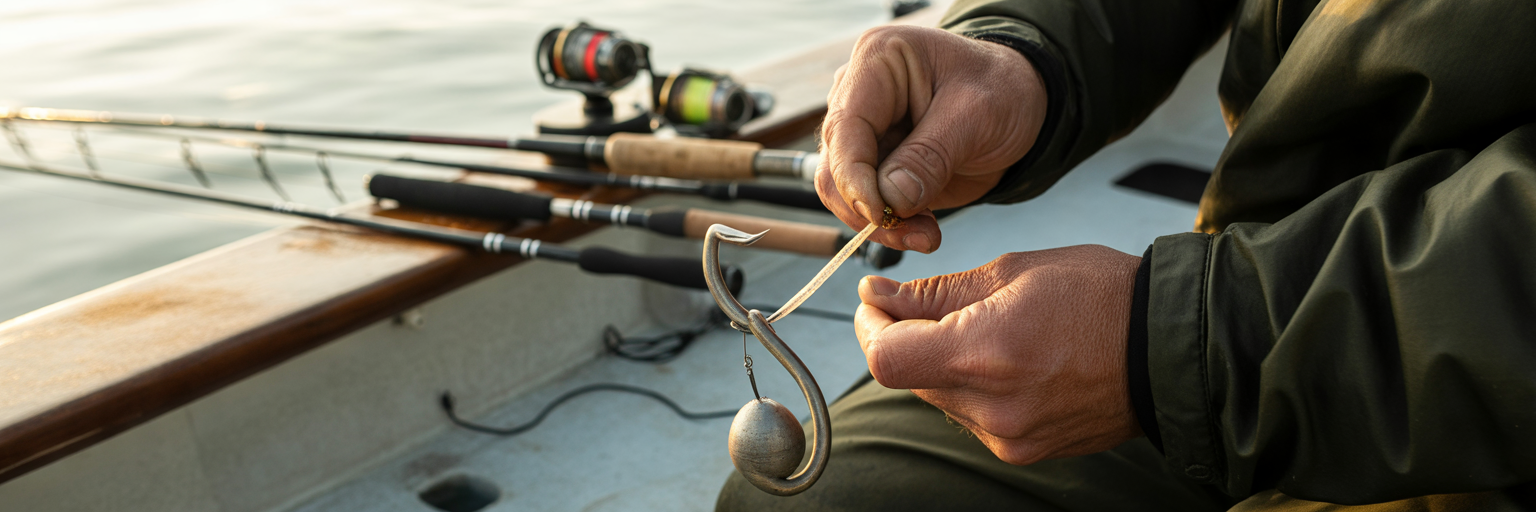
When you need to drop a bait into a tight spot and pull a powerful fish out, the knocker rig is your answer. This is the go-to setup for heavy-duty Florida reef fishing. Its design is brutally simple and effective. An egg sinker slides freely on the leader itself, resting directly against the eye of the hook. This direct connection is its superpower. It provides unmatched sensitivity, telegraphing the slightest tap from a curious fish directly up your line. More importantly, it keeps the weight and bait together as a single, compact unit, drastically reducing the chances of snagging as you drop into complex wrecks, rock piles, and jagged ledges.
The prime use for a knocker rig is targeting grouper and large mangrove snapper that are buried deep within cover. This is the rig for surgical strikes in tight quarters where a long, flowing leader would instantly get tangled. It allows you to place a bait precisely in a fish’s living room and have the power to evict it. Here is exactly how to tie a knocker rig for battle:
- Select Your Leader: Start with a heavy fluorocarbon leader, typically 60 to 100-pound test. You need this abrasion resistance to survive contact with sharp structure.
- Thread Your Sinker: Slide an appropriately sized egg sinker onto your leader material.
- Connect to Main Line: Tie your leader to your main braided line using a strong, streamlined connection like a double uni knot or an FG knot.
- Tie Your Hook: Finish by tying a stout 5/0 to 8/0 inline circle hook to the business end of the leader. A strong loop knot can also give the bait a bit more action.
Fishing this rig is all about feel. Make a vertical drop, letting the rig fall straight down until you feel the sinker hit the bottom. Reel up just enough slack to maintain light tension on the line. You want to feel the bottom, feel your bait, and most importantly, feel the bite. The classic grouper take on this rig is not a screaming run. It is a solid “thump” or a sudden, heavy weight as the fish inhales the bait and turns back to its hole. Your reaction should not be a wild, sweeping hookset. Instead, simply start reeling hard and fast, applying steady, powerful pressure to turn the fish’s head away from the structure before it has a chance to “rock you up.” This is why it is one of the best rigs for grouper; it is built for a close-quarters fight where the first five seconds determine the outcome.
The Fish-Finder Rig for Natural Presentation
While the knocker rig excels in brute force applications, the fish-finder rig is the tool for finesse. It is designed for situations where fish are wary, pressured, or feeding over less complex bottom. The key difference is in its construction. With a fish-finder, the sinker slides on the main line, separated from the leader and hook by a high-quality swivel. This separation is what makes the rig so effective. It allows a live or cut bait to swim and drift naturally in the current, unencumbered by the dead weight of the sinker.
This natural presentation is critical for line-shy species like mutton snapper, yellowtail snapper, or gag grouper cruising sand patches near a reef. A fish can pick up the bait and swim off with it, pulling line through the sliding sinker without feeling any resistance. That moment of confidence is often all it takes to get a commitment from a cautious fish. The ideal conditions for this rig are fishing over sand halos around a wreck, rubble bottom, or the edges of a reef where fish are actively hunting. It is the top choice when you need to present a bait that looks and acts alive.
Building the rig correctly ensures it performs as intended. Here are the essential components:
- A sinker slide or an egg sinker threaded directly onto your main line.
- A small plastic bead placed below the sinker to protect your knot from abrasion.
- A high-quality ball-bearing swivel to connect your main line to your leader and prevent line twist.
- A fluorocarbon leader, typically longer than on a knocker rig. A length of three to six feet enhances the natural presentation.
- A circle hook sized appropriately for your bait and target species.
The fishing technique also differs. This is not a vertical drop rig. The best approach is to cast it up-current from the structure and allow the current to carry your bait back into the strike zone naturally. Bite detection is more subtle. You might feel a series of light “ticks” as a fish mouths the bait, or you may see a slow, steady pull on your line. The key is patience. Give the fish a moment to fully take the bait before you engage the reel. Once the line comes tight, the circle hook will do its job, finding the corner of the fish’s mouth for a solid hookup. This versatility makes it one of the most essential snapper fishing rigs Florida anglers can have in their arsenal.
The Chicken Rig for Deep Water Targets
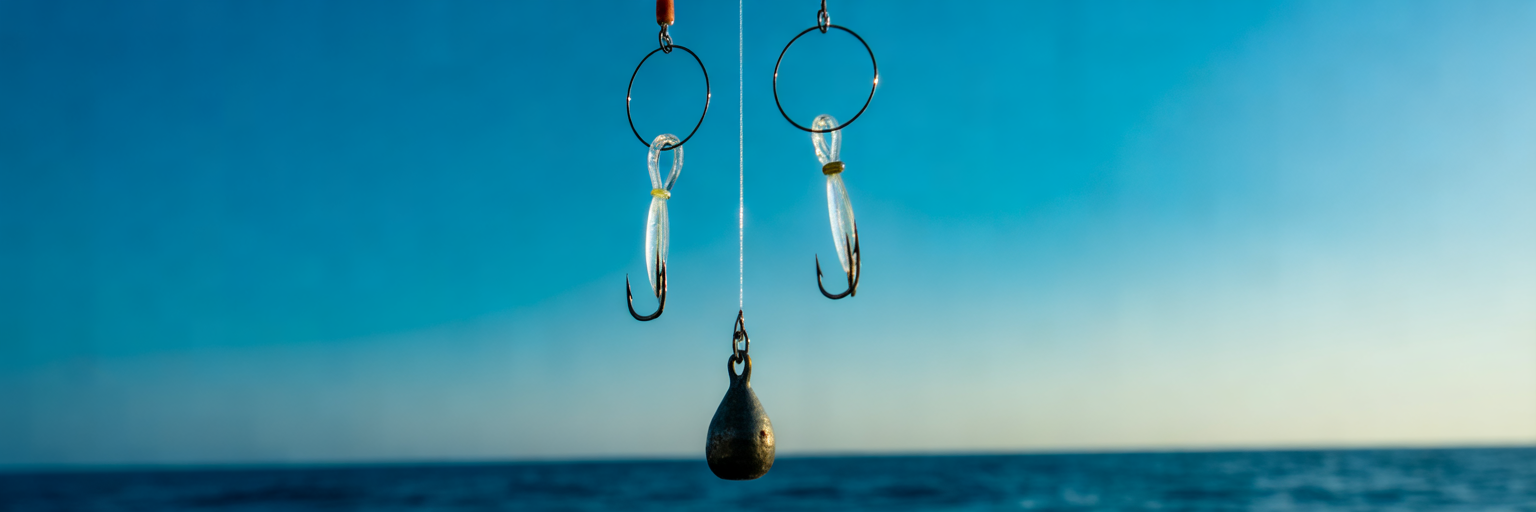
When you are fishing deep water and need to find the fish, the chicken rig is the most efficient tool for the job. Also known as a dropper loop rig, this setup is the workhorse of deep-drop bottom fishing. Its design is all about maximizing your chances. It consists of a long main leader with a heavy sinker at the very bottom. Branching off this main leader are two or more short “dropper” loops, each holding a baited hook. This vertical presentation allows you to offer multiple baits at different heights in the water column simultaneously.
The primary advantage is its ability to prospect. When you are over a large area of hard bottom or a deep wreck, fish might be holding at a specific depth. The chicken rig lets you quickly locate that feeding zone. It is the perfect setup for targeting schooling species like vermilion snapper, lane snapper, porgies, and triggerfish, especially in water over 100 feet deep. This is a numbers game, and the chicken rig is designed to get baits in front of as many fish as possible on every drop. It is one of the most productive offshore fishing rigs for filling the cooler.
Tying the dropper loops correctly is the most critical skill for building this rig. Many anglers struggle with it, but the process is straightforward:
- Start with a 5-foot section of 40 to 60-pound monofilament or fluorocarbon leader.
- About a foot from one end, form a large loop in the leader.
- Hold the two lines of the loop together and make about six to eight twists.
- This will create a smaller opening in the center of the twists. Pass the original large loop through this center opening.
- Moisten the knot and pull both ends of the main leader tight. This will create a small loop that stands out from the main line. Repeat this process to create a second loop about 18 inches above the first.
- Attach your sinker to the bottom of the leader with a sturdy overhand loop. Attach your hooks (typically smaller 1/0 to 3/0 circle hooks) by passing the dropper loop through the hook eye and then over the hook itself.
The fishing strategy is simple. Bait the hooks with small, durable pieces of squid, bonita, or shrimp. Drop the rig straight down to the bottom, keeping your line as vertical as possible. The bites are often rapid-fire taps. When you feel them, there is no need for a dramatic hookset. Just start reeling at a steady pace. The tension and the circle hooks will do the work, and it is common to bring up two or three fish at a time.
Advanced Setups for Current and Big Fish
When conditions get tough, you need rigs designed to handle the challenge. Ripping currents and powerful fish demand specialized setups that go beyond the basic three. For anglers facing these situations, two advanced rigs are essential: the three-way swivel rig and the vertical jig.
The three-way swivel rig is the definitive solution for fishing in heavy current. Think of deep channels like the Egmont Key shipping channel, the edges of the Gulf Stream, or offshore humps with strong tidal flow. In these spots, a standard rig gets swept away. The three-way rig solves this with its unique mechanics. Your main line ties to one eye of the swivel. A short leader with your hook and bait ties to the second eye. A longer, separate dropper line with a heavy sinker ties to the third. This design anchors your rig to the bottom with the heavy weight while allowing your bait to flutter naturally in the current, just above the snags. By adjusting the length of the sinker’s dropper line, you can precisely control how high your bait sits off the bottom, keeping it right in the strike zone.
For a more active and aggressive approach, vertical jigging is an incredibly effective technique. This method replaces bait with a heavy, knife-style metal jig tied directly to a short, stout fluorocarbon leader. It is the perfect strategy when targeting aggressive predators like amberjack, almaco jacks, or blackfin tuna holding on deep, high-relief wrecks and springs. The technique is physically demanding but triggers explosive reaction strikes. You drop the jig all the way to the bottom, then work it back up through the water column with sharp, rhythmic lifts of the rod, followed by a controlled fall on a semi-slack line. The bite almost always comes as the jig flutters downward, imitating a wounded baitfish. Staying in contact with your jig and watching your line for any jump or tick on the fall is critical. It is a high-intensity method that produces powerful results.
Dialing In Your Terminal Tackle
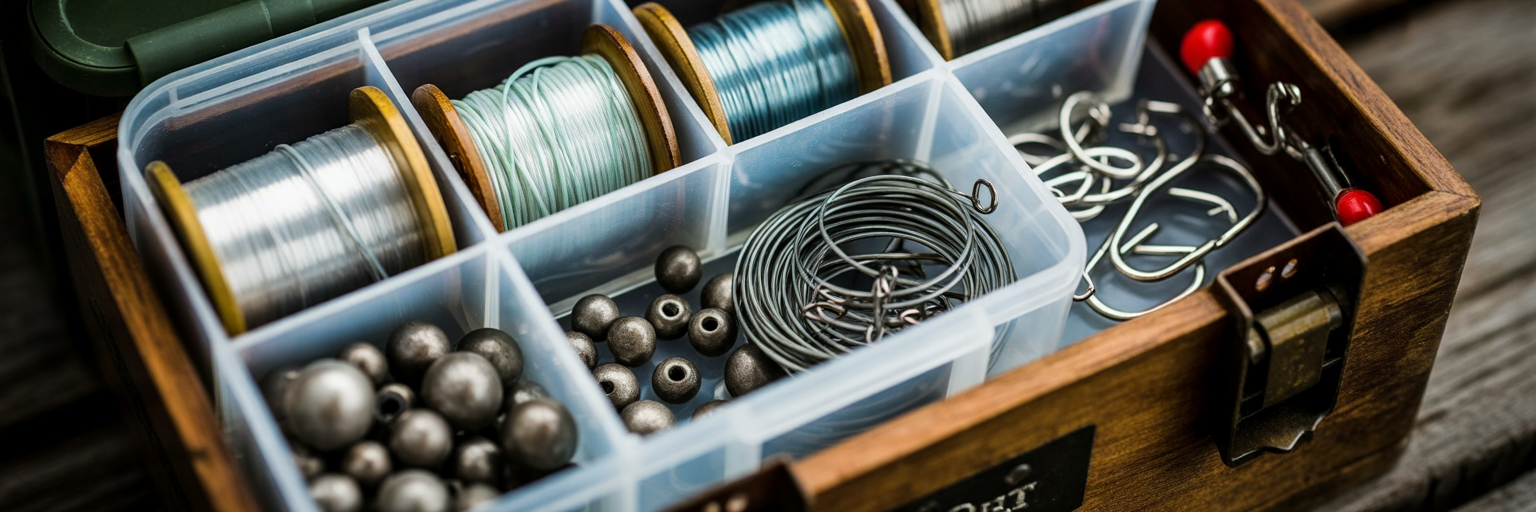
The small components at the end of your line can make a massive difference. Hooks, leaders, sinkers, and swivels are not afterthoughts. They are critical pieces of the system that separate consistent anglers from those who tell stories about the one that got away. Getting these details right is fundamental to success with all Bottom Fishing Rigs.
First, let’s talk hooks. The debate between J-hooks and circle hooks is over for responsible reef anglers. Circle hooks are the standard. They are designed to catch the fish in the corner of the mouth, dramatically reducing gut-hooking and improving the survival rate of released fish. In fact, regulations require the use of non-stainless, non-offset circle hooks when fishing for reef fish with natural bait in Gulf of Mexico federal waters. Make this your default for all bait fishing on the reefs.
Leader selection is next. For fishing around sharp wrecks and coral, fluorocarbon is non-negotiable. Its near-invisibility in water gives you an edge with wary fish, but its primary benefit is superior abrasion resistance compared to monofilament. A 30 to 50-pound test leader is a good all-around choice for most snapper species. When targeting big grouper and amberjack in heavy structure, you must step up to 80, 100, or even 130-pound test leader to have a chance of landing them.
Sinker selection follows a simple rule: use the lightest weight that will hold the bottom in the given depth and current. Too much weight deadens the feel and makes it harder to detect subtle bites. Too little, and your bait will not stay in the strike zone. Start light and increase weight only as needed to maintain a vertical line.
Finally, do not cheap out on the small hardware. A high-quality ball-bearing swivel is essential on a fish-finder rig to prevent line twist that can weaken your line. Learn a few bomb-proof knots and learn them well. The FG Knot is an excellent, low-profile choice for connecting braid to a leader. A Double Uni knot is also reliable. For tying your hook, the Improved Clinch or a Snell Knot will serve you well. While this article focuses on rigs, understanding the fundamentals of all your equipment is key. For a broader overview, reviewing a guide on essential gear can be beneficial, as many principles of quality tackle selection apply across all saltwater fishing. You can find more information on this topic in our guide on Florida’s essential inshore fishing gear.
Matching the Rig to Florida Reef Species
This is where all the knowledge comes together. Choosing the right rig is about creating a specific presentation for a specific species in its preferred habitat. Here is a quick-reference playbook for matching your setup to some of Florida’s most popular reef fish.
Grouper (Gag, Red, Black)
For these powerful bottom dwellers, the knocker rig is the primary choice. Grouper live in the nastiest structure they can find, and you need a rig that can get in there without hanging up. Use a short, heavy leader of 80 to 130-pound fluorocarbon and a stout 7/0 to 9/0 circle hook. The best baits are large, lively pinfish, grunts, or big strips of cut bonita. This is a power-fishing scenario where control and abrasion resistance are everything, making this one of the best rigs for grouper.
Snapper (Mangrove, Mutton, Yellowtail, Vermilion)
Snapper require a more varied approach. For big mangrove and mutton snapper holding tight to structure, a knocker rig is often the best bet. However, for wary muttons or yellowtail feeding on sand patches or in a chum slick, a long-leader fish-finder rig provides the natural presentation needed to get a bite. For deep-water vermilion snapper schooled up in 120 feet or more, the multi-hook chicken rig is by far the most productive tool. Having these different snapper fishing rigs Florida anglers need ready to go will make you a much more effective angler.
Amberjack
Amberjack are the bullies of the reef, known for their brutal strength. You need heavy-duty gear to stand a chance. The two best approaches are a beefed-up knocker rig with a large, frisky live bait like a blue runner or goggle-eye, or a heavy vertical jig. Dropping a 200 to 400-gram jig on a high-relief wreck and working it aggressively is a proven way to trigger their predatory instinct and draw a punishing strike.
Other Reef Denizens (Triggerfish, Porgies)
For filling the cooler with some of the best-eating fish on the reef, simplicity wins. Species like triggerfish and porgies often feed in schools over hard bottom. The ideal setup is a two-hook chicken rig on lighter tackle. Use a 30 to 40-pound leader with small 1/0 circle hooks baited with small, tough pieces of squid or shrimp. The small hooks are key for these fish, which have relatively small mouths.
| Target Species | Primary Rig | Key Conditions | Recommended Tackle |
|---|---|---|---|
| Grouper (Gag, Red) | Knocker Rig | Heavy structure, wrecks, ledges | 80-130 lb fluoro leader, 7/0-9/0 circle hook |
| Mutton/Mangrove Snapper | Fish-Finder Rig | Wary fish, sand patches, reef edges | 40-60 lb fluoro leader, 5/0-7/0 circle hook |
| Yellowtail Snapper | Fish-Finder Rig (long leader) | Current over reef, chumming | 20-30 lb fluoro leader, 1/0-3/0 circle hook |
| Vermilion Snapper | Chicken Rig | Deep water (120+ ft), schools | 40-50 lb leader, 1/0-3/0 circle hooks |
| Amberjack | Vertical Jig / Knocker Rig | High-relief wrecks, deep springs | 100-130 lb leader, 200-400g jig or large live bait |
| Triggerfish/Porgies | Chicken Rig | Hard bottom, schools | 30-40 lb leader, 1/0 circle hooks, small baits |
This table provides a starting point for matching your rig to your target species. Always be prepared to adjust leader size, hook size, and sinker weight based on the specific depth, current, and size of fish you encounter on a given day.
Regulations and Responsible Angling
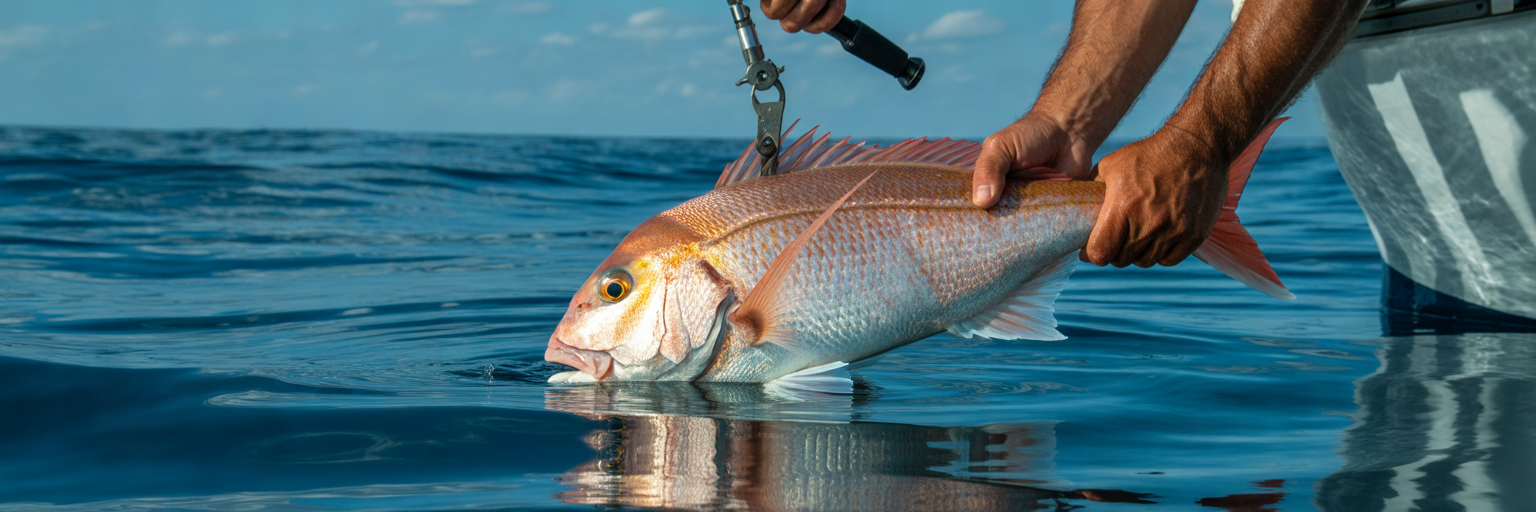
Being a skilled angler means more than just catching fish. It means being a responsible steward of the resource. Before you ever leave the dock for a day of Florida reef fishing, it is your absolute duty to know the current regulations. The rules for reef species concerning seasons, size limits, and aggregate bag limits are complex. They change frequently and differ significantly between state waters, managed by the FWC, and federal waters, managed by NOAA. A fish that is legal to keep three miles from shore might be illegal to possess a mile further out.
A critical issue in deep-water bottom fishing is barotrauma. This is the physical damage fish suffer from the rapid change in pressure when brought up from deep water. You will see the signs: a bloated stomach protruding from the mouth, bulging eyes, or intestines pushed out. This condition is fatal if not treated properly. As highlighted by resources like Sarasota Fish, responsible angling practices are paramount. It is mandatory for anglers fishing for reef fish in Gulf of Mexico federal waters to have a descending device or a venting tool rigged and ready to use. This is not a suggestion. It is the law, and it is the right thing to do to ensure that released fish have a high chance of survival.
Your call to action is clear: always check the latest regulations from official sources before every trip. The Fish|Hunt FL app from the FWC is an indispensable tool that puts the rules right in the palm of your hand. Using circle hooks, properly handling fish, and using a descending device are not just about avoiding a ticket. These actions are about preserving the health of our fisheries for our kids and grandkids. This commitment to conservation is the true mark of a sportsman.