
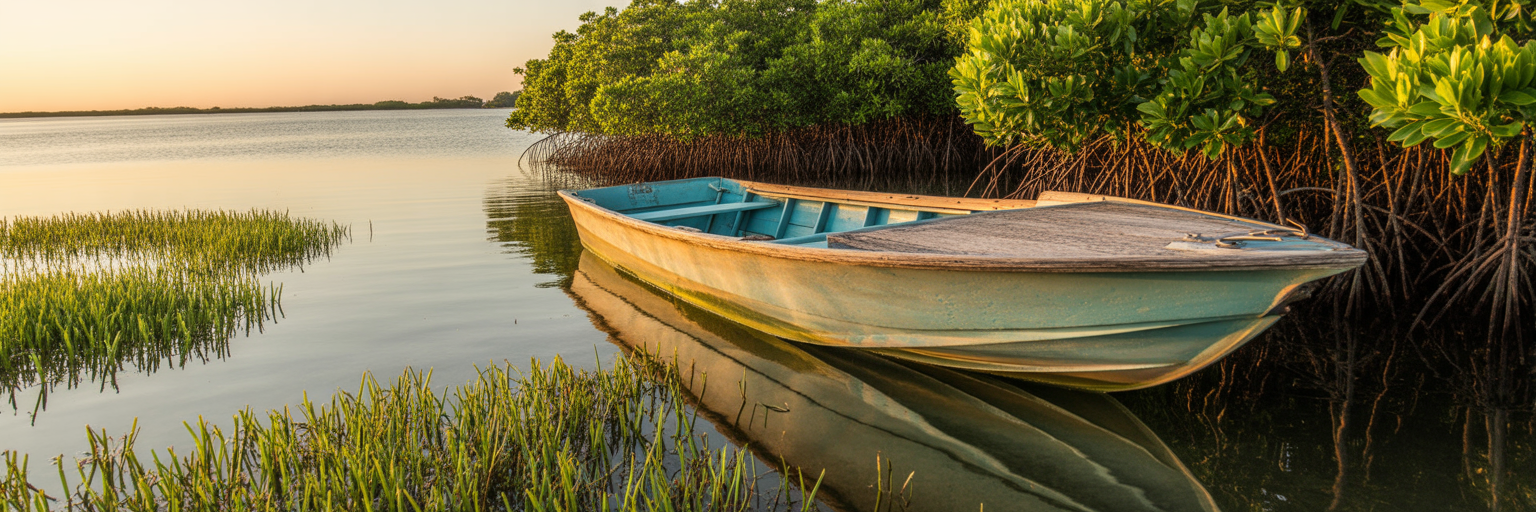
Florida Inshore Fishing Spots
Florida is not just another fishing destination. It is the global epicentre for inshore saltwater battles. For any serious angler, the ultimate test of skill is conquering the inshore grand slam, the big three: snook, redfish, and tarpon. These species represent the pinnacle of shallow water sportfishing, and landing all three requires more than just a good cast. It demands a deep understanding of their habits and habitats. This guide provides the tactical intelligence you need to consistently find and fight these premier game fish in the most productive Florida inshore fishing spots.
We will dissect two primary battlegrounds that every dedicated inshore angler must master. First, the massive and complex Tampa Bay estuary on the Gulf Coast. Second, the legendary, gin-clear flats of the Indian River Lagoon system on the Atlantic side. These are not just locations on a map. They are distinct proving grounds, each with its own set of rules, challenges, and immense rewards. Mastering both is a true benchmark of an accomplished fisherman.
Let’s be direct. These fish did not get big by being foolish. They are perfectly tuned to their environment, reacting to the slightest changes in tide, temperature, and pressure. Success is not about luck. It is about having the right intel. It is about knowing where they will be and why they are there. It is about reading the water like a book and making the right presentation when the moment of truth arrives. You have to think like a predator to catch a predator.
This is not a tourist brochure filled with generic advice. This is a tactical guide built on years of on-the-water experience. It contains the actionable intelligence needed to graduate from casual casting to consistently targeting and landing trophy-class fish. If you are ready to stop hoping and start hunting, you have found the information you have been looking for.
Tampa Bay: The West Coast Powerhouse
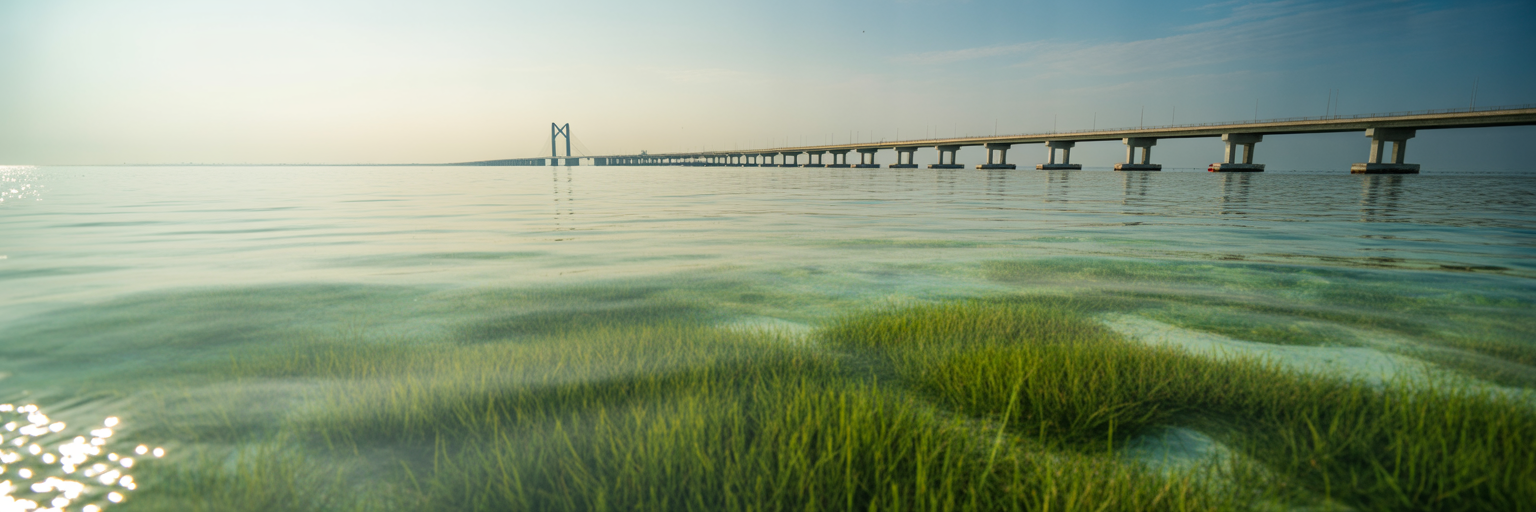
Tampa Bay is a massive, dynamic, and powerful fishery. Forget simple descriptions. Picture a sprawling estuary covering nearly 400 square miles, fed by over a hundred tributaries. It is a complex network of deep shipping channels, vast seagrass meadows, countless oyster bars, and miles of tangled mangrove coastline. This incredible diversity means there is always something to hunt, no matter the season. Its sheer scale can be intimidating, but breaking it down by target species reveals a clear path to success.
Targeting Tarpon in the Passes
From June through August, Tampa Bay becomes a major highway for migrating tarpon. This is when you will find some of the best tarpon fishing Florida has to offer. Massive schools of silver kings push through the deep, ripping currents of major passes like Egmont Key and the Sunshine Skyway Bridge channel. This is big water fishing that demands heavy tackle. Anglers anchor up-current of the bridges, soaking live crabs or threadfins in the tide. The fight is a brutal, drag-screaming affair against one of the world’s greatest sport fish.
Hunting Snook Along Structure
Snook in Tampa Bay are masters of the ambush. Hunting them means understanding their seasonal movements. In winter, they become lethargic, stacking up in warm-water discharges like the one near the Big Bend power station. As the water warms in spring, they disperse, using mangrove shorelines, residential docks, and bridge pilings as feeding stations. A well-placed live pilchard skipped under a dock is often met with a violent explosion. This is not passive fishing. It is an active hunt for a cunning predator in its preferred territory.
Finding Redfish on the Flats
The prime Tampa Bay redfish spots are the expansive, shallow flats of upper Hillsborough Bay and Boca Ciega Bay. Here, the game changes to sight-fishing. On a high, incoming tide, look for the tell-tale sign of “tailing” fish as they root for crabs and shrimp in the grass. In the fall, large schools of bull reds gather in sandy “potholes” during low tide, creating a bronze carpet that is impossible to miss. A quiet approach and a precise cast are critical to avoid spooking these wary fish.
A tactical debrief for Tampa Bay is simple: live bait is not optional. Pilchards, threadfins, and pinfish are the currency of this system. A high-quality cast net and a healthy livewell are essential tools for the job. Furthermore, do not even think about fishing structure without a heavy fluorocarbon leader. A 40-pound snook will sever a braided line on a barnacle-encrusted piling in a split second.
Indian River and Mosquito Lagoon: Sight-Fishing Heaven
If Tampa Bay is about power, the Indian River Lagoon system is about precision. This is the realm of the silent hunt, where stealth and visual acuity are paramount. At the heart of this system lies Mosquito Lagoon, the undisputed world capital for sight-fishing redfish. This is the ultimate Mosquito Lagoon fishing guide because it focuses on what makes this place unique. The water is often so shallow and clear it feels like you are stalking fish in an aquarium. The thrill here is not just the fight, but the hunt itself.
Stalking Redfish in Mosquito Lagoon
This is the art of the stalk. The approach is everything. You trade the trolling motor for a push pole, gliding silently across the flats. High-quality polarized sunglasses are not a luxury, they are a necessity to cut through the surface glare and spot the subtle shapes of cruising or tailing redfish. The cast must be long, delicate, and lead the fish by several feet. The adrenaline rush comes from watching a 30-inch redfish turn, follow your lure, and inhale it just feet from the boat. It is a visual game that tests every ounce of an angler’s skill.
Battling Snook at Sebastian Inlet
A short run south from the lagoon, the environment shifts dramatically. Sebastian Inlet is a high-octane, chaotic chokepoint where the Atlantic Ocean funnels into the Indian River. The currents are ferocious, and monster snook stack up along the jetties and bridge fenders to ambush baitfish. This is where you learn how to catch snook in Florida when they are at their most powerful. It requires heavy tackle and precise timing, casting flair hawk jigs or live mullet into the current seams on a ripping tide. The fight is an immediate, brutal test of will and equipment.
Intercepting Tarpon in the Lagoon
While it is not the mass migration of the Gulf passes, the Indian River Lagoon gets a solid run of tarpon from June to August. Anglers can find them rolling in the deeper channels of the Intracoastal Waterway and around the inlets. This offers a different, more intimate tarpon experience. Stalking a single rolling fish in the calm waters of the lagoon is a unique challenge that requires a stealthy approach and a perfect cast with a large swimbait or live mullet.
Gear choices here are dictated by the specific arena. For Mosquito Lagoon, a lighter 7-foot spinning rod with 10-pound braid allows for long, delicate casts with weedless soft plastics. For the brutal currents of Sebastian Inlet, you need a heavy-duty setup capable of stopping a 40-inch snook before it wraps you around a rock piling and breaks your heart.
Seasonal Patterns for the Big Three
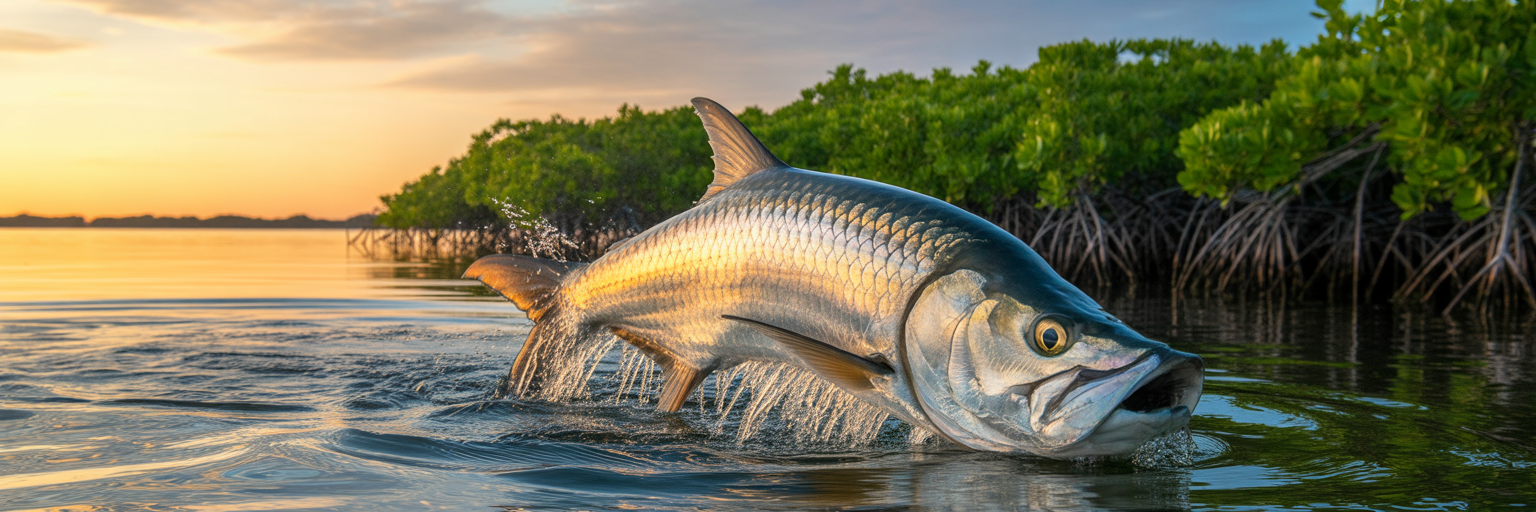
Success in Florida’s inshore waters is about timing. Being in the right place is only half the battle. You must be there at the right time. This is your strategic calendar, an actionable roadmap for targeting snook, redfish, and tarpon throughout the year. Use it to plan your attacks when the odds are stacked in your favor.
Spring (March-May) is the great awakening. As water temperatures climb, the entire ecosystem comes alive. Snook leave their winter refuges and begin feeding aggressively on the flats and along mangrove shorelines, preparing for the summer spawn. Redfish, which were concentrated in schools, spread out across the grass flats to forage on shrimp and crabs. The first wave of migratory tarpon begins to appear in South Florida and the Keys, pushing north as the month’s progress.
Summer (June-August) is peak season for the Silver King. This is the time for the best tarpon fishing Florida has to offer, with massive schools congregating in major passes like Boca Grande and Egmont Key. Snook are in their summer spawning patterns, gathering near inlets and along the beaches, with the best action often occurring at night or during low-light hours. Redfish remain active but retreat to cooler, deeper water or shady cover under docks during the midday heat. The bite is best during the golden hours of early morning and late evening.
Fall (September-November) is the can’t-miss season for redfish. As temperatures begin to cool, huge schools of “bull” reds form on the flats, feeding voraciously before winter. It is a sight to behold and offers some of the most exciting action of the year. Snook are also bulking up, moving from the beaches back into the estuaries and eating almost anything in their path. The tarpon migration is winding down, but resident fish can still be found in back bays and rivers.
Winter (December-February) demands a shift in strategy. It is no longer about covering water. It is about finding stable, warm water. Fish become concentrated and predictable. Focus your efforts on deep residential canals with dark, muddy bottoms that retain heat, protected backwater creeks, and the warm-water discharges from power plants. Snook and redfish stack up in these thermal refuges to survive the cold fronts, offering a prime opportunity for anglers who know where to look.
| Season | Snook Behavior & Location | Redfish Behavior & Location | Tarpon Behavior & Location |
|---|---|---|---|
| Spring (Mar-May) | Leaving winter haunts; feeding aggressively on flats and near passes. | Spreading out on grass flats; feeding on shrimp and crabs. | Early migrants arriving in South Florida and the Keys; moving north. |
| Summer (Jun-Aug) | Spawning near inlets and beaches; active at night and low light. | Active early/late on flats; seeking shade under docks and mangroves midday. | Peak migration; large schools in major passes (Boca Grande, Egmont Key). |
| Fall (Sep-Nov) | Feeding heavily in backwaters; moving from beaches to estuaries. | Schooling in large groups on flats (‘bull’ reds); prime time. | Migration winding down; resident fish in back bays and rivers. |
| Winter (Dec-Feb) | Seeking warm water; holding in deep canals, creeks, power plant discharges. | Holding in deeper potholes, canals, and dark-bottomed backwaters. | Mostly absent, except for resident fish in deep South Florida canals. |
This table provides a quick-reference game plan, aligning target species with their most predictable locations and behaviors throughout the year. Use it to plan your trips for the highest probability of success.
Reading Water and Tides for Success
More than any rod, reel, or lure, the ability to read the water is the most critical skill an inshore angler can develop. This is not about fancy gear. It is about observation and understanding the environment. It is the difference between fishing and catching. A seasoned guide can look at a stretch of water and know exactly where the fish should be holding. This knowledge comes from understanding how fish use the tide and water conditions to their advantage.
The Power of Moving Water
Let’s make this clear: tide is everything. Moving water is the dinner bell for inshore predators. An incoming tide floods the flats and mangrove shorelines, bringing baitfish with it and triggering an aggressive bite from snook and redfish. Conversely, an outgoing tide flushes bait out from creeks and oyster bars. This creates predictable ambush points. Set up on the down-current side of a point or creek mouth and wait for the predators to come to you. No moving water often means no feeding fish.
Using Water Conditions to Your Advantage
Water clarity and temperature are key pieces of intel. Clean water is essential for sight-fishing on the flats, but stained or dirty water can also be used to your advantage. It allows for a stealthier approach, as fish are less likely to see the boat or your line. Water temperature directly influences fish location. On a cold but sunny winter day, the shallow, dark-bottomed flats will warm up first, drawing in lethargic fish. In the heat of summer, those same fish will seek refuge in deeper channels or shaded areas.
Timing Your Attack
The “golden hours” of the first and last light of day are legendary for a reason. This is not a myth. The lower light conditions give predators a distinct advantage over their prey. The water is typically cooler, and the fish are more comfortable feeding in the shallows. Many of the most explosive bites of the day happen just as the sun is rising or setting. Planning your trip to maximize your time on the water during these periods dramatically increases your chances of success.
Always be scanning the water for these actionable signs:
- Nervous water: The subtle V-wakes or shimmering surface caused by a school of baitfish being pushed from below. It is a sure sign a predator is near.
- Diving birds: This is the most obvious sign of a feed. Gulls and terns diving are a dead giveaway for a bait school being attacked by game fish.
- Current seams: The visible line where fast and slow water meet. Predators use this edge as a conveyor belt for food, ambushing prey that gets caught in the transition.
- Mud boils or ‘muds’: Puffs of mud stirred up by feeding redfish or stingrays. Game fish often follow rays, picking off the crustaceans they uncover.
Gearing Up for Inshore Battles
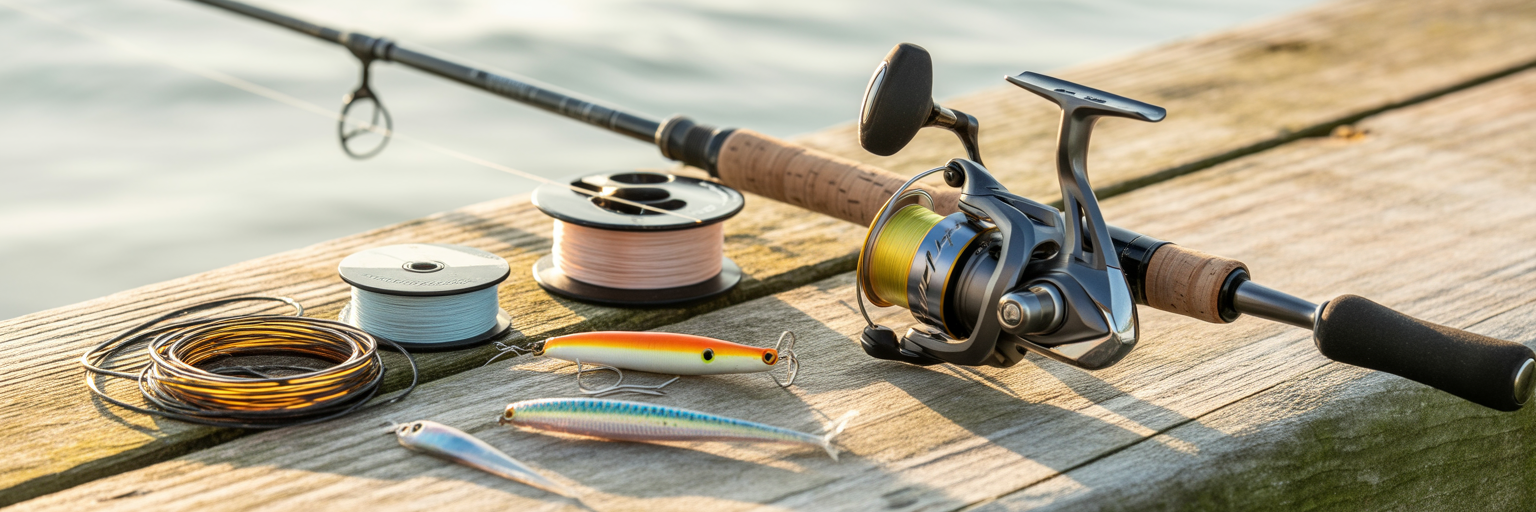
Your gear is your connection to the fish. Building the right arsenal is about having the right tool for the job. This is not about collecting every rod on the market. It is about selecting practical, decisive equipment that will not fail when a trophy fish is on the line. This is your definitive inshore fishing gear guide for Florida’s big three.
The workhorse of any inshore setup is a 7-foot, medium-heavy power, fast-action spinning rod paired with a quality 4000 or 5000-size reel. This single combination is versatile enough to handle at least 80% of the snook and redfish situations you will encounter, from casting soft plastics on the flats to pitching live bait to mangrove shorelines.
However, some fights demand specialized, heavy-duty hardware. When you are targeting 100-pound tarpon in a ripping current or trying to pull a 40-inch snook from a bridge piling, your workhorse setup will not cut it. This is where a reel like the Shimano Stella SW 6000XG becomes necessary. Its sealed, powerful drag system and robust construction are non-negotiable. It provides the stopping power needed to turn a fish’s head and win the fight before it starts.
Your line and leader are the most critical link. For most applications, 20-30 lb braided line offers a great balance of strength and casting distance. For tarpon or heavy structure, step up to 50-65 lb braid. A fluorocarbon leader is absolutely mandatory. Braid is highly visible underwater and has almost no abrasion resistance. A 30-40 lb leader is standard for most snook and redfish, but you must use 60-80 lb leader for tarpon and when fishing around sharp-edged cover like docks and jetties.
The philosophy is simple: match your tackle to the environment. Lighter gear is acceptable on open flats where a fish has room to run. But when fishing tight to mangroves, docks, or rocks, you need heavy gear to apply maximum pressure and control the fight from the first second.
| Target Species | Rod Setup | Reel Size/Model | Braided Line (lbs) | Fluorocarbon Leader (lbs) |
|---|---|---|---|---|
| Redfish (Flats) | 7′ Medium-Light to Medium Power, Fast Action | 3000-4000 size | 10-20 lb | 20-30 lb |
| Snook (General) | 7′ Medium-Heavy Power, Fast Action | 4000-5000 size | 20-30 lb | 30-40 lb |
| Snook (Heavy Cover/Inlet) | 7′-7’6″ Heavy Power, Fast Action | 5000-6000 size (e.g., Shimano Stella SW 6000XG) | 40-50 lb | 50-60 lb |
| Tarpon (100+ lbs) | 7’6″-8′ Heavy to Extra-Heavy Power | 8000-14000 size | 50-80 lb | 60-100 lb |
This table outlines the ideal setups for each scenario. Note how the gear gets heavier as the target fish and proximity to structure increase. Having the right tool for the job is the first step to winning the fight.
Bait and Lure Selection
What you put at the end of your line is the final piece of the puzzle. Let’s be direct: live bait is king. While catching a fish on an artificial lure is incredibly rewarding, nothing out-produces a lively, natural bait for day-in, day-out consistency. The top choices in Florida’s inshore waters are pilchards (whitebait), threadfin herring, and pinfish. The core principle is to “match the hatch” by using the same bait that the fish are already feeding on in that specific area.
Acquiring and keeping good bait is a skill in itself. Learning to throw a cast net effectively is crucial. Once you have the bait, a well-aerated livewell is critical to keeping it healthy and active. Remember, dead bait is useless bait. A frisky, panicked baitfish sends out vibrations that predators cannot resist.
When it comes to artificial lures, the goal is to imitate natural prey. Organize your selection by target species for maximum effectiveness:
- For Snook: A classic topwater plug, like a Zara Spook, worked in a “walk-the-dog” motion at dawn or dusk will draw some of the most explosive strikes you will ever experience. For fishing deep inlets at night, a flair hawk jig bounced along the bottom is the go-to choice.
- For Redfish: On the grass flats, weedless presentations are essential. A soft plastic shrimp or a paddle tail swimbait rigged on a weighted worm hook allows you to fish through the grass without constantly getting snagged.
- For Tarpon: These fish require a large profile to get their attention. Big swimbaits, like a Hogy Pro Tail, retrieved with a slow, steady rhythm, or classic tarpon plugs are excellent choices for intercepting migrating fish.
Presentation is just as important as selection. It is not enough to have the right lure. You have to work it correctly to trigger a strike. For live bait, the goal is a natural drift along a current seam or near structure. Let the bait do the work. When in doubt, take a moment to look around. If you see schools of mullet jumping, a mullet-imitating lure is the logical choice. If you spot small crabs scurrying on the flats, a crab-patterned jig is your best bet. Observation is always the key to making the right decision.
Advanced Tactics for Trophy Fish
You have mastered the basics. You know the spots, the seasons, and the gear. Now you are hunting for a fish of a lifetime. This is where the small details make a huge difference. Trophy fish are the oldest, smartest survivors in the ecosystem. Catching them requires a higher level of execution and a relentless focus on perfection. These are the tactics that separate good anglers from great ones.
- Mastering Precision Casting: With trophy fish, “close” is not good enough. A cast that lands six inches from a snook tucked deep under a mangrove root is a cast that gets ignored. The cast that lands one inch away gets eaten. This is a game of inches, not feet. Learning how to make a quiet, accurate skip cast is a fundamental part of how to catch snook in Florida when they are holding in their lairs.
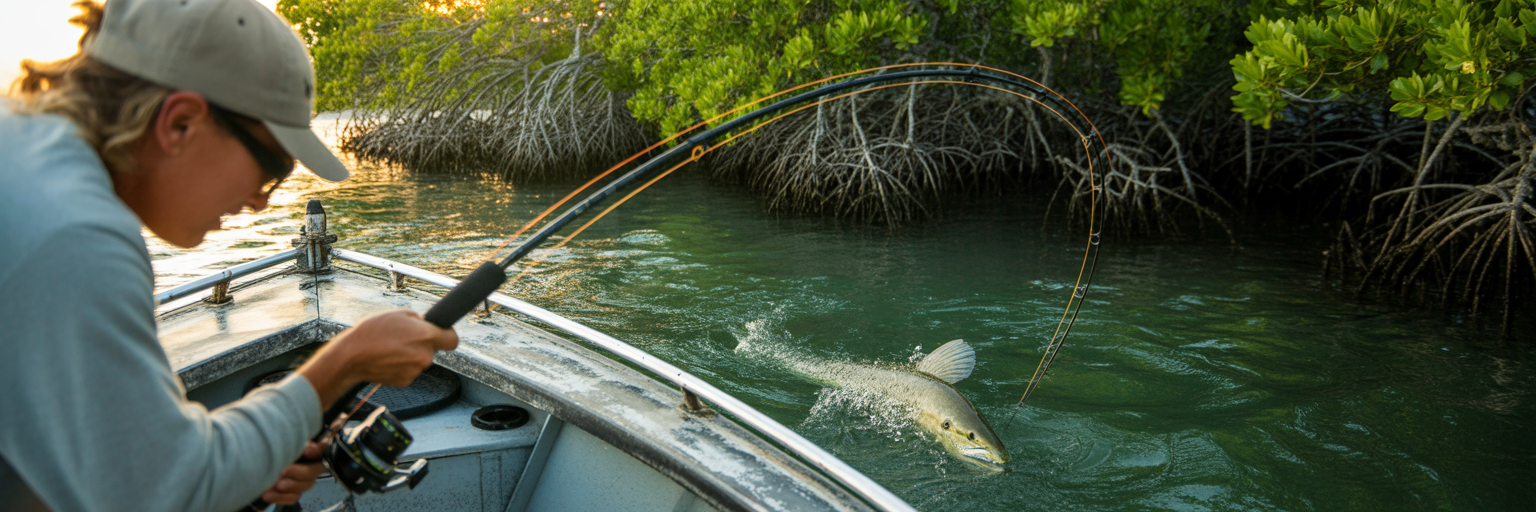
- Winning the Fight in Heavy Cover: The moment a big fish hits in heavy cover, the fight is on. There is no time for hesitation. You must apply immediate, heavy, sideways pressure with the rod tip low to the water. The goal is to turn the fish’s head and pull it away from the structure before it has a chance to dive for it. If you let the fish think, you have already lost.
- The Art of the Stealthy Approach: This goes beyond just being quiet. On the flats, it means shutting down your main engine hundreds of yards away and using a push pole instead of a trolling motor. It means no dropped pliers, no slamming cooler lids, and no heavy footsteps on the boat deck. These fish have incredible hearing and can detect vibrations from a long way off.
- The ‘Tarpon Bow’: This is a classic and absolutely essential technique for fighting tarpon. When a tarpon leaps from the water, you must immediately “bow” to the fish by pointing your rod tip directly at it and leaning forward. This creates a split second of slack in the line, preventing the fish from landing on a tight line and using its weight and violent head shakes to break the leader or throw the hook.
Ultimately, the trophy angler’s greatest tool is their mindset. It is about unwavering patience, relentless observation, and being mentally prepared to capitalize on a split-second opportunity that may be the only one you get all day. It is the understanding that the biggest fish demand your absolute best.