

One of the biggest headaches for a Florida angler is the invisible line that separates state and federal waters. You can be fishing a single reef system, but the rules can change completely from one side of your boat to the other. Understanding the Florida Reef Rules is not about paperwork or memorising legal codes. It is about protecting your time on the water, your investment in gear, and the fish you worked hard to catch. Nothing ends a great day offshore faster than a visit from law enforcement that results in a confiscated cooler or a fine that costs more than a new Shimano reel.
The core of the issue is simple. Two different management bodies are looking at the same ocean from different perspectives. Florida’s Fish and Wildlife Conservation Commission (FWC) manages the fisheries in our immediate backyard, the waters closest to shore. Their focus is on the health of fish populations within Florida’s boundaries. The federal government, through NOAA Fisheries and regional councils, manages fish stocks that migrate across the entire Gulf of Mexico and Atlantic Ocean. They have to consider fishing pressure from multiple states and commercial fleets.
This dual system creates different seasons, size limits, and bag limits for the same species. Before you even think about dropping a line on a reef, there is one non-negotiable first step. You must have the State Reef Fish Angler designation on your fishing license. This is required for any recreational angler targeting or possessing any of the 10 reef fish species from a private vessel in Florida, even if you only plan to fish in federal waters. Think of it as your ticket to the game. Without it, you are already out of compliance before you leave the dock.
The frustration of navigating these rules is real, but it is manageable. The rest of this guide will give you a straightforward system for figuring out the regulations for any given trip. Our goal is to get you focused on fighting fish, not worrying about legal trouble.
Understanding Florida Reef Rules Before You Fish
The first question every reef angler must answer is, “Where am I?” The boundary between state and federal jurisdiction is a hard line defined by distance from shore. On Florida’s Atlantic coast, state waters extend out to 3 nautical miles. On the Gulf coast, that line is pushed out to 9 nautical miles. It is important to remember that a nautical mile is slightly longer than a land mile, measuring about 1.15 statute miles. This is the standard unit for all marine navigation, so your GPS will be calibrated to it.
In the past, old-timers might have used depth contours like the 20-fathom break as a rough guide. While these depth changes are excellent for finding fish, they are not legal boundaries. In a dispute with law enforcement, the only thing that matters is your GPS coordinate, not the water depth under your hull. Your chartplotter is your single source of truth on the water.
This is how to identify federal waters with confidence. Fire up your Garmin, Simrad, Lowrance, or other chartplotter and look for the jurisdictional line. It is usually displayed as a specific line style, often a dashed magenta line labeled “Territorial Sea Boundary” or a similar term. Take a few minutes at home to check your unit’s manual or watch an online tutorial to confirm exactly what this line looks like on your specific device. Do not assume you will figure it out on the fly.
All the data on your chartplotter is based on official charts from sources like NOAA. For the definitive legal reference, you can always consult the official FWC boundary maps online. Understanding this boundary is a critical piece of the puzzle, but it is just one component of the broader picture of florida fishing regulations that every angler needs to master. The complexity of rules for different species, gear, and seasons all hinges on which side of that line you are fishing.
The most important takeaway is this: before you even hook up the trailer, plot your intended fishing spots on your GPS. Confirm which side of the line they are on. Knowing your zone before you leave the dock is the single most important step in planning a compliant and successful trip.
Why Regulations Change at the Boundary
Many anglers get frustrated when they see a species is abundant on their local reef, yet federal rules are extremely restrictive. The “why” behind this disconnect comes down to different management scopes and data. Think of it this way: the FWC is like a farmer managing their own land for local productivity. They conduct surveys in specific bays and coastal areas, so if they see a booming population of gag grouper in the Big Bend, they might justify a more liberal state season.
Federal bodies, like the Gulf of Mexico and South Atlantic Fishery Management Councils, are like regional conservation agencies managing wildlife that migrates across multiple states. Their stock assessments cover enormous areas, from Florida to Texas or up the Atlantic seaboard. A fish stock might be struggling overall due to widespread pressure, leading to tight federal rules like short seasons or high size limits, even if the fish are thick in your specific area.
Fishing pressure also plays a huge role. State waters get intense recreational pressure, especially on nearshore reefs and wrecks. Federal waters see a different mix, with heavy recreational effort combined with significant commercial fishing operations targeting highly migratory species or deep-water dwellers. These different user groups and pressures require different management strategies.
This leads to one of the most confusing and costly aspects of reef fishing: the “most restrictive” rule. You cannot simply pick and choose the regulation you like best. If you are fishing in federal waters, you must abide by federal rules. When you return to state waters to head for the dock, you cannot suddenly switch to state rules for the fish in your cooler. For example, if the federal gag grouper season is closed, you cannot possess a gag grouper in your boat while in state waters if you caught it federally, even if the state season is wide open. The fish is considered federally managed from the moment it comes over the gunwale in federal waters. This principle is designed to prevent anglers from claiming a federally-caught fish was caught in state waters to circumvent stricter rules.
Key Species and Their Rule Differences
The difference between state vs federal fishing waters becomes crystal clear when you look at the rules for our most popular reef species. You can never assume the rules for one species apply to another, or that the rules you knew last year are still in effect. Here is a breakdown of common differences for key targets.
Grouper Complex (Gag and Red)
Grouper are a prime example of split management. It is common to see differences in:
- Seasons: Federal seasons are often shorter and can be tied to a strict quota, meaning they can close with little notice. State seasons might be longer or have different start and end dates.
– Size Limits: Federal waters often use a simple minimum size limit for species like red grouper. The FWC, however, might implement a slot limit for gag grouper, where the fish must be between a minimum and maximum size to be kept.
– Regional Rules: The FWC frequently creates special management zones. For instance, grouper rules in Monroe County can be completely different from the rest of the Gulf coast.
Snapper Family (Red, Vermilion, and Mutton)
Red snapper is the classic poster child for state and federal conflict. The federal season is notoriously short, sometimes lasting only a few weeks, while state seasons are typically longer and may be split into summer and fall periods. But the issue extends beyond just red snapper.
- Vermilion Snapper: Bag limits can vary significantly. You might be allowed 10 per person in state waters but only 5 in federal waters.
– Mutton Snapper: Size limits, bag limits, and even seasonal closures can differ, especially when comparing the Gulf and Atlantic coasts.
Amberjack and Hogfish
Greater amberjack is a powerful reef fish that is frequently classified as overfished in federal waters. This often results in complete federal closures that are out of sync with state seasons, creating major confusion for anglers. Hogfish further illustrate the complexity, as their regulations not only differ between state and federal jurisdictions but also change dramatically depending on whether you are fishing the Gulf or Atlantic coast.
The only way to be certain is to verify the rules for every single species on your target list before you go. The table below shows how drastically rules can differ for a single species like red snapper.
| Regulation | Florida State Waters (Example) | Federal Waters (Example) |
|---|---|---|
| Season | Typically longer, split seasons (e.g., summer and fall) | Extremely short, often just a few weeks in early summer |
| Bag Limit | 2 per person | 2 per person |
| Size Limit | 16 inches minimum | 16 inches minimum |
| Captain/Crew Limit | Captain and crew on for-hire trips may not retain a bag limit | Captain and crew on federally permitted for-hire trips may not retain a bag limit |
| Governing Body | Florida Fish and Wildlife Conservation Commission (FWC) | NOAA Fisheries / Gulf of Mexico Fishery Management Council |
Note: These are illustrative examples. Seasons and rules change annually. This table demonstrates the types of differences anglers must verify before every trip, especially the drastic difference in season length for Red Snapper.
Gear and Tackle Restrictions Across Jurisdictions
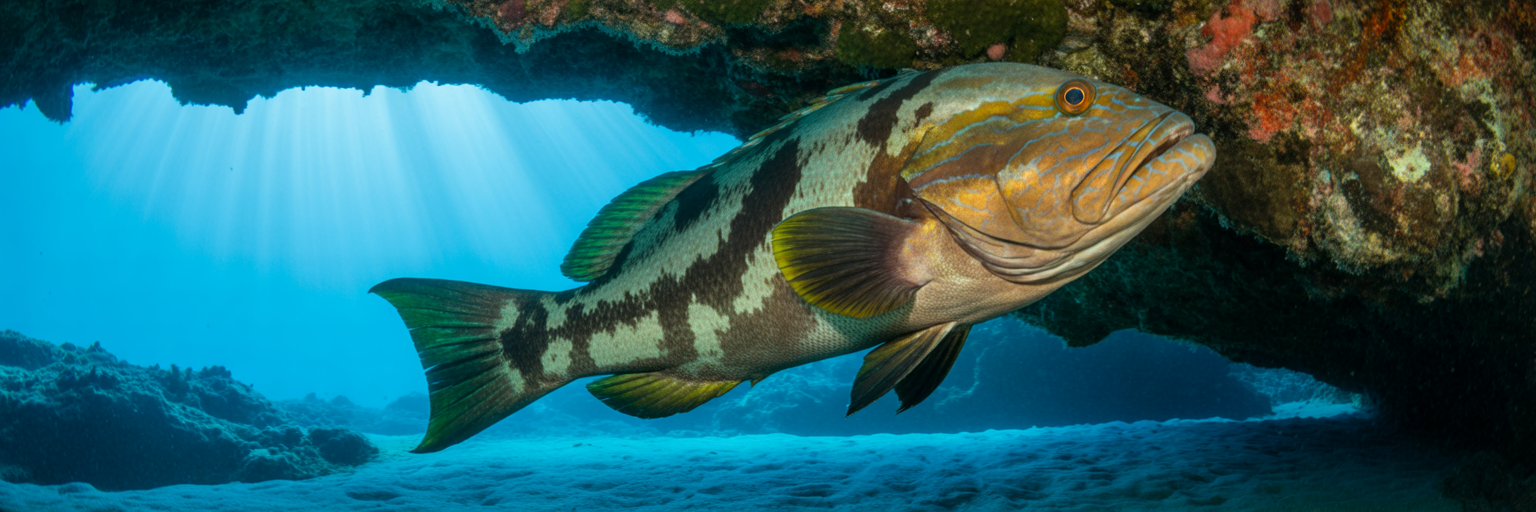
Compliance goes beyond what you keep. It also dictates what you can use to catch it. Both state and federal authorities have specific rules for the tackle and equipment on your boat, and these rules are not suggestions. They are mandatory.
The most common gear rule involves hooks. When fishing for reef fish with natural bait in federal waters, you are required to use non-stainless steel, non-offset circle hooks. This is not just bureaucratic red tape. Circle hooks are designed to catch a fish in the corner of the mouth, which dramatically reduces gut-hooking. This means the fish you release have a much higher chance of survival, ensuring there are more fish to catch on your next trip. It is a conservation tool that every responsible angler should embrace.
Federal rules also mandate specific release gear. Any vessel fishing for reef fish in federal waters must have a dehooking device on board and readily available. This tool allows you to quickly and safely remove a hook without harming the fish. Furthermore, you must have a venting tool or a descending device. When you pull a fish up from deep water, the change in pressure causes its swim bladder to expand, a condition called barotrauma. It is like a fish getting “the bends.” A descending device is a weighted tool that lets you send the fish back down to the depth where it was caught, reversing the effects of barotrauma and giving it an excellent chance to survive. This is not just a rule, it is an essential piece of equipment for any serious deep-water angler.
These gear regulations extend to other methods as well. Spearfishing, for example, has its own set of rules. While some prohibitions are universal, like the ban on spearing Goliath Grouper or snook, federal waters may have a different list of prohibited species or depth-based restrictions that do not exist in state waters. Even gear like black sea bass pots has its own complex permitting and seasonal rules that differ between jurisdictions. The bottom line is that you are responsible for every piece of equipment on your boat and how it is used.
Your Pre-Departure Compliance Checklist
All this information can feel overwhelming, but you can boil it down to a simple, repeatable process. Run through this checklist before every single offshore trip to ensure you are fishing legally and responsibly. This is the routine that smart, successful anglers follow.
- Check Your Licenses & Endorsements. This is the first gate. Is your primary saltwater fishing license current? Most importantly, did you add the State Reef Fish Angler endorsement? Without it, you are done before you start.
- Plan Your Spots & Confirm Your Zone. Before you leave the house, pull up your target reef numbers on your chartplotter or navigation app. Identify the state and federal boundary line. Decide where you plan to fish: state, federal, or both? This decision dictates all the rules you need to follow.
- Verify Current Rules (The Night Before). This is the most critical step. Regulations can and do change, sometimes with little notice due to emergency closures. For state regulations, check the official FWC website or use the Fish Rules App. These are the definitive sources for FWC fishing rules. For federal rules, check the NOAA Fisheries Southeast Regional Office website. Look up each of your target species by name to confirm seasons, size limits, and bag limits.
- Prep Your Gear for Compliance. Based on your plan, get your tackle and boat ready. Do you have the required non-offset circle hooks for natural bait in federal waters? Is your dehooking tool accessible? Is your descending device on board and ready to use? Double-check your measuring device to make sure it is accurate.
- Confirm On the Water. The final check happens during your run offshore. Keep an eye on your GPS. Make it a habit for someone on board to call out, “We’re crossing the line!” when you pass from state into federal waters. This creates a mental shift and reminds everyone that the rules of the game have just changed.
Following these Florida Reef Rules is not a burden. It is what smart anglers do to protect the resource and ensure we all have better fishing tomorrow. A few minutes of preparation on land saves you from major headaches on the water and guarantees your focus stays where it belongs: on the fish.