
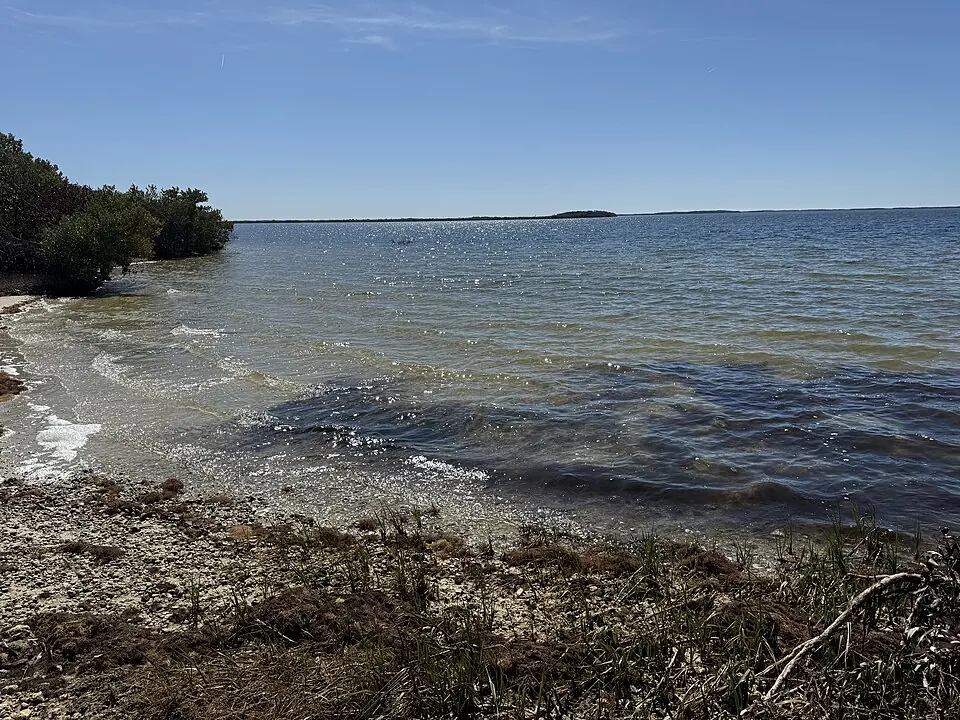
Fort Island Gulf Beach is a coastal stop west of Crystal River, reached along Fort Island Trail. Its name can suggest a conventional surf beach, but this is shallow Nature Coast water. Plan a light inshore session only after confirming where fishing access is currently open.
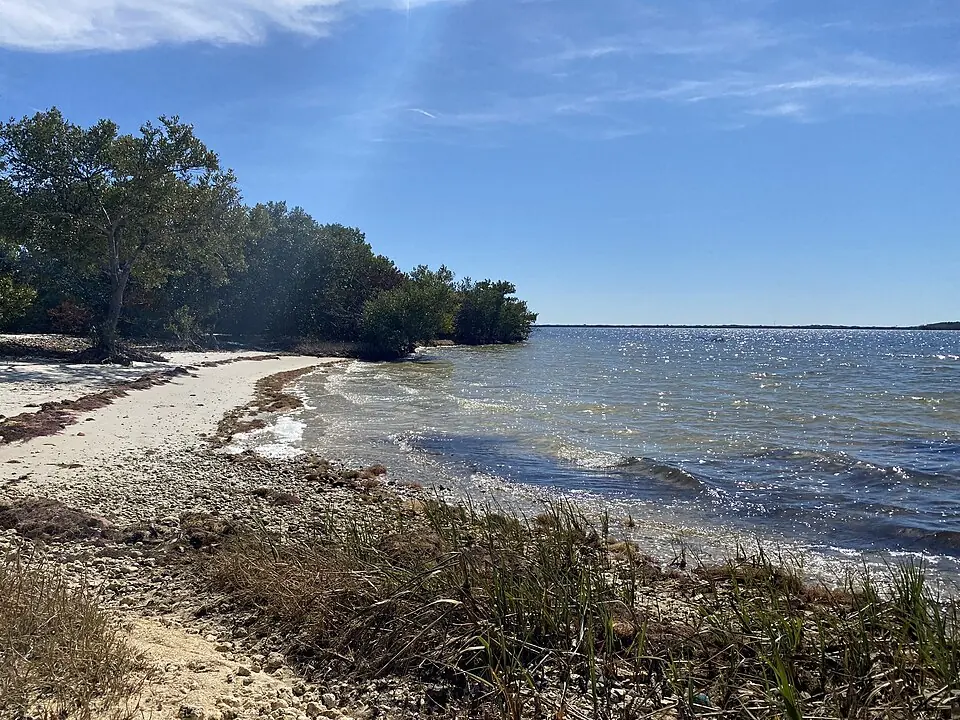
Featured image: Shoreline scene at Fort Island Gulf Beach near Crystal River. Photograph dated 2026. Current access may differ. Credit: The Eloquent Peasant. CC0. Image source. Resized and converted to WebP.
Check the fishing facility, not just the beach
The destination tourism office identifies the Gulf Beach launch as access to Crystal River and the Gulf. A beach reopening does not prove that an adjacent fishing pier has reopened. Ask Citrus County Parks about the exact facility you intend to use, especially after storm repairs.
Fort Island Gulf Beach and Fort Island Trail Park are different sites. Check the full name when entering directions. At the beach, keep the swimming zone and boat launch clear of fishing lines. Do not pass a barrier to reach a familiar-looking pier.
Look for reachable inshore habitat
Where fishing is permitted, redfish and trout presentations belong around shallow sand, grass and current edges. Small shrimp can also attract drum near suitable bottom. These are habitat-based targets, not evidence of a current bite at the beach.
Start with a shrimp under a float when grass would catch a bottom rig. Adjust depth until it drifts freely. A small paddletail can cover a visible sand opening. If it collects weed every cast, reduce weight or switch to a weedless hook.
Use gear suited to a short cast
A 7-foot medium spinning rod, 3000 reel, 15 lb braid and 20-25 lb leader form a useful inshore kit. Carry a few light jig heads and small hooks. Heavy surf sinkers are rarely the first answer in this sort of shallow water.
Bring pliers and a net appropriate to the permitted fishing edge. Keep the reel off the sand and avoid placing a tackle bag where incoming water can reach it. A compact kit also makes it easier to move if boat activity increases.
Treat low water and weather seriously
Do not wade out through unfamiliar soft bottom to reach deeper water. Leave before lightning or strong wind makes the exposed coast uncomfortable. If the fishing facility is closed, choose another verified open location rather than turning a swimming beach into a substitute pier.
A compact packing list
| Pack | Starting choice |
|---|---|
| Rod and reel | 7-foot medium spinning rod; 2500-3000 reel |
| Main line / leader | 10-15 lb braid; 20-25 lb leader |
| First presentation | Shrimp under a float or small paddletail |
| Bottom contact | Keep bait and lures above grass and shell |
Fish to recognize
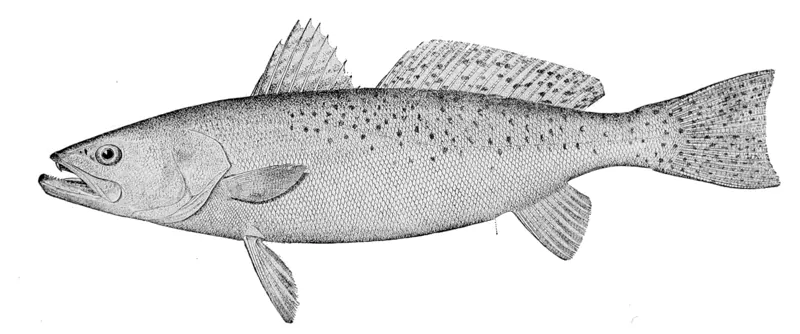
These references help identify possible targets in the habitats discussed above. They do not document catches at this beach or guarantee that a fish is present on your visit.

Plan another nearby fishing stop
- Cedar Key Beach Fishing: City Park and Pier Options
- Pine Island Beach Fishing: Hernando Access Choices
- Anclote River Park Fishing: Keep Clear of the Ramp
Access research checked September 24, 2026, using Discover Crystal River. Recheck closures and posted rules before traveling. Confirm your fishing license and current species-specific harvest rules with FWC before keeping fish.