
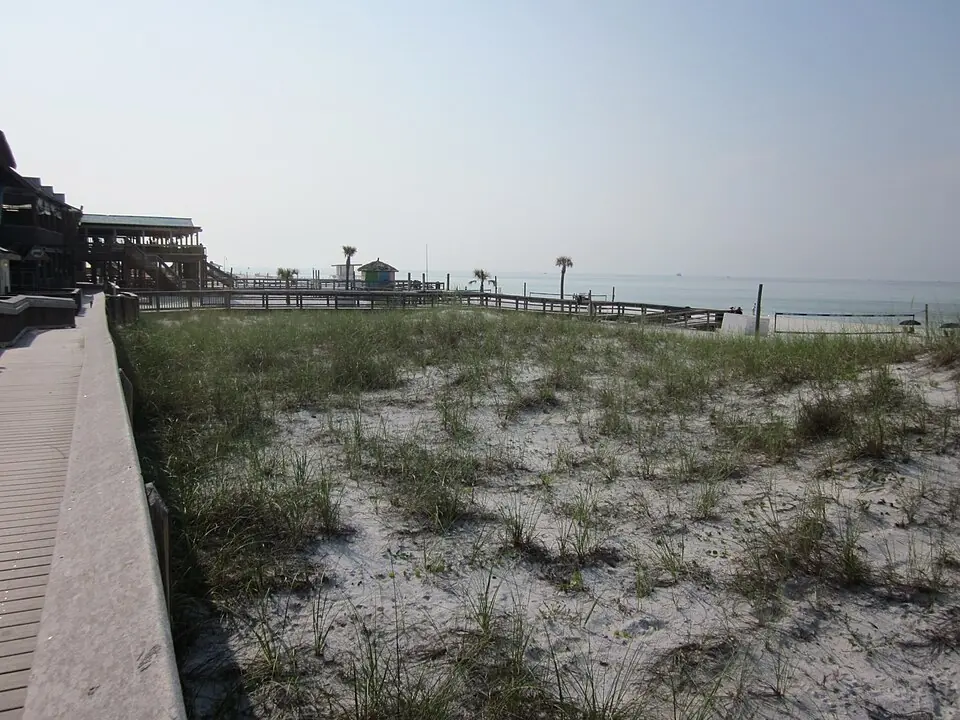
Location photograph: White sand dunes and beach on Okaloosa Island. Photo: Infrogmation of New Orleans. CC BY-SA 3.0. Image source. Resized and converted to WebP.
Fort Walton Beach fishing can mean two quite different trips. You might cast into the Gulf from Okaloosa Island, or fish sheltered water on the mainland side. Choose the water first. A beach umbrella on the island and a shoreline beside the bay do not call for the same approach.
The Gulf beach accesses covered here sit on Okaloosa Island. They are useful options for visitors staying in Fort Walton Beach, but they are not all inside the city itself. That distinction matters when you look up parking, opening hours, and local rules.
Match the trip to the wind
A light onshore breeze can put useful movement in the surf. Strong wind can make the same beach hard to fish. Watch the water before you carry everything down. Weed, breaking waves, and a sinker that drags sideways can end a surf plan quickly.
Sheltered water may offer another option, but use an established public fishing location. A waterfront road, hotel lawn, or residential seawall is not an invitation to walk through. Check access and fishing signs at the entrance rather than relying on a map pin.
Build around the island's public entrances
The county's seven named beachwalks give you several Gulf-side starting points. John Beasley Park offers another beach setting, while the Boardwalk area puts you near the island's fishing pier. These are separate choices, with different crowds and facilities.
For a quick bait session, choose an entrance you can reach legally with a small load. For a first pier trip, ask staff about conditions, admission, tackle, and landing larger fish. You do not need to carry a heavy surf rod simply because you are fishing salt water.
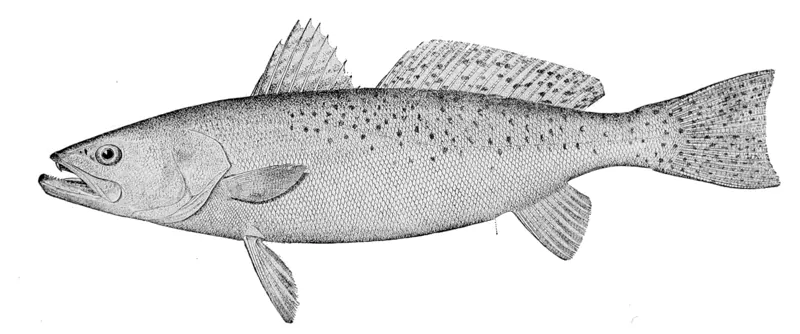
Fish to recognize before you cast
Possible fish in suitable inshore habitat, not a catch forecast.

Two outfits, two jobs
On the Gulf sand, start with a 9-foot surf rod and a 4000-size reel. Use small shrimp baits for whiting and a compact pompano rig when you can keep it still. Cast into the closer trough before trying the farthest bar.
For permitted bay shoreline fishing, a 7-foot medium spinning rod is easier to handle. A lightly weighted shrimp or small paddletail can cover an edge without burying in the bottom. Redfish and spotted seatrout are possible targets in suitable inshore habitat. They are not a promise at every waterfront stop.
Keep a second plan that is actually usable
Pick your alternate access before leaving your lodging. Check whether it has parking and whether it is open at your intended time. If thunderstorms approach, leave exposed sand, piers, and water for a substantial building or hard-topped vehicle. Switching from the beach to a pier is not a lightning plan.
Match the photograph to the actual water
A booking page may show both white-sand Gulf beaches and protected bay views. Check which side your chosen access reaches. The distinction affects waves, walking distance, and equipment. Do not arrive at a bay-side property expecting an open Gulf beach simply because its address says Fort Walton Beach.
A starting tackle list for Fort Walton Beach
These are starting ranges, not a shopping requirement. Reel sizes vary by maker. Match the rod, line, and total casting weight, and adjust to the conditions you can safely fish.
| Tackle | Starting choice |
|---|---|
| Surf rod and reel | 9-10 ft spinning rod; 4000-5000 reel |
| Main line | 15-20 lb mono, or 20 lb braid with a suitable leader |
| Leader or bait rig | 20-30 lb mono for small-bait surf fishing |
| Bait and hook | Small shrimp piece or sand flea; roughly size 2 to 1/0 hook, matched to bait |
| Sinker | Only enough to hold; remain within the rod rating including bait weight |
| Separate inshore outfit | 7 ft medium rod; 2500-3000 reel; 10-15 lb braid and 20 lb leader |

Keep a measuring tool and pliers in the bag. Check current Florida Fish and Wildlife Conservation Commission license, season, size, and bag rules before keeping a catch. Access permission and a fishing license are separate requirements.
Access information checked September 24, 2026. Park notices, construction, weather, and local rules can change. Confirm the chosen entrance before travelling.