
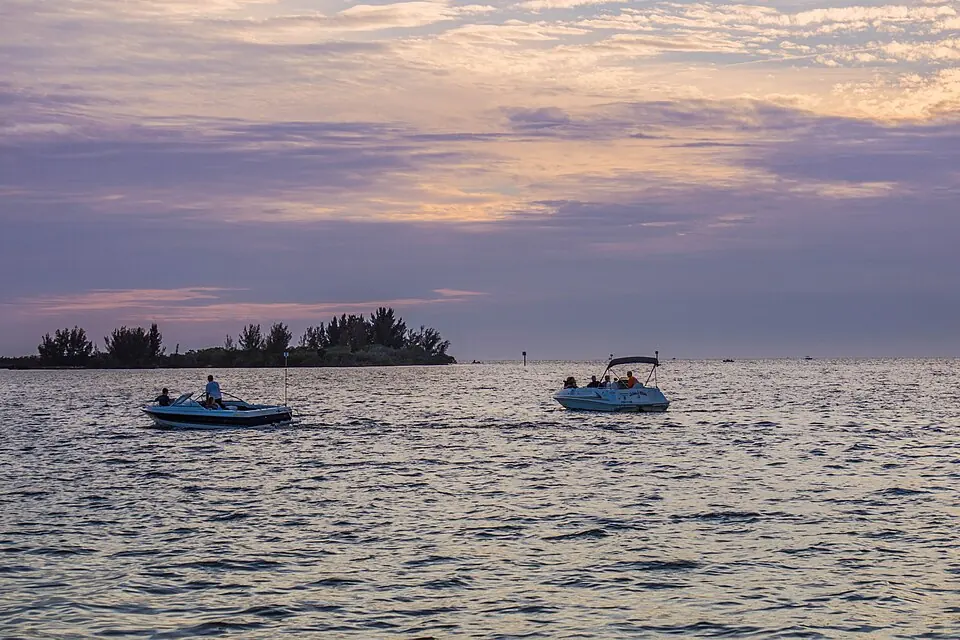
Hudson Beach is a compact Nature Coast waterfront, not miles of empty surf. Around Robert J. Strickland Memorial Park, swimming, sightseeing and boating all compete for space. Check the available fishing area before making this your only planned stop.
Featured image: Sunset over Hudson Beach on Florida's Nature Coast. Photograph dated 2013. Current access may differ. Credit: Michelle Maria. CC BY 3.0. Image source. Resized and converted to WebP.
Keep the park and private waterfront separate
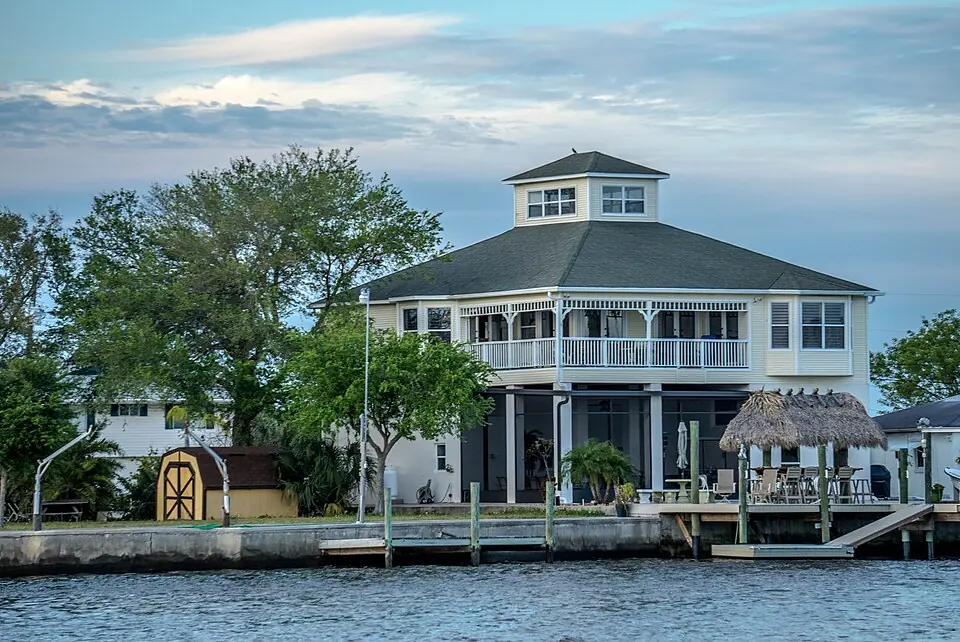
Use public parking and follow the park's current signs. Nearby restaurant decks, marina slips and residential seawalls are not automatically public fishing access. Ask Pasco County about facility conditions if you intend to use a particular pier or platform.
Look for a clear, permitted place to cast away from the swimming area. Leave the boat channel unobstructed. If the open space does not allow a controlled retrieve and safe fish landing, choose another site rather than trying to fit between people.
Think inshore, not heavy surf
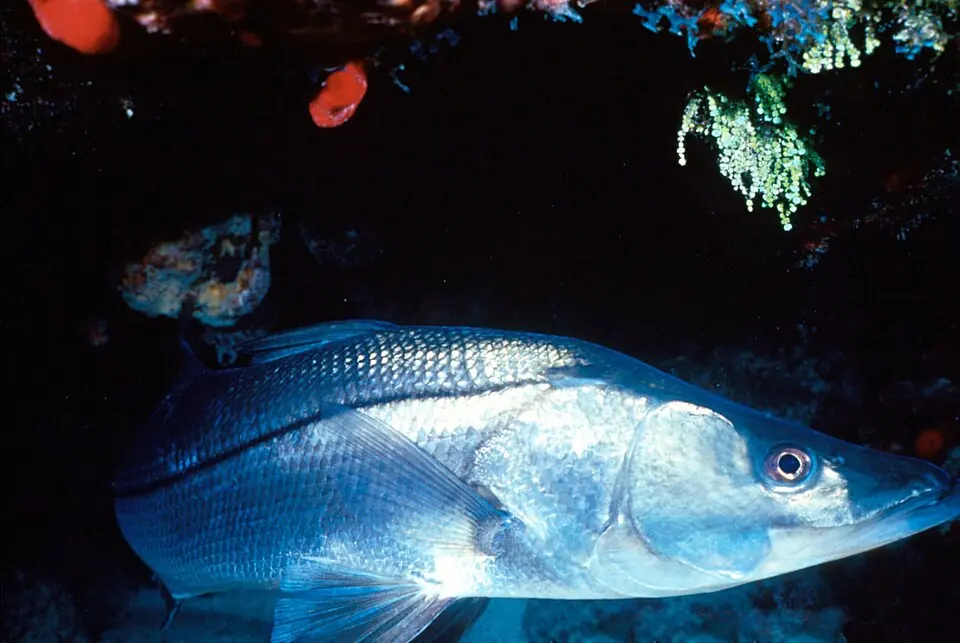
Redfish, snook and drum are possibilities in suitable coastal habitat around Hudson. Your actual target should depend on the bottom and structure within reach. A small shrimp bait lets you test a legal edge without making a large, hazardous cast.
Around rough bottom, hold shrimp above snags with a float or use just enough lead for a controlled presentation. If small fish steal the bait, shorten it and expose the hook point. More bait is often the wrong response to small bites.
Pack a manageable outfit
A 7-foot medium spinning rod, 3000 reel and 15 lb braid are a useful starting point. Add a 20-30 lb leader according to abrasion risk. Carry a few small circle hooks, light sinkers and a compact landing net if the fishing edge needs one.
Keep the rod and reel out of the sand while baiting. Take spare leader because a rough seawall or shell edge can weaken a rig quickly. Pack bait scraps away rather than encouraging birds to gather beside active hooks.
Let conditions decide the length of the session
Very low water can reduce usable shore fishing. Wind and passing boats can add chop to a shallow edge. Do not step into mud to follow the tide out. Check water-quality and park notices before a visit, and move the fishing portion of the day if the accessible waterfront is reserved for other uses.
A compact packing list
| Pack | Starting choice |
|---|---|
| Rod and reel | 7-foot medium spinning rod; 2500-3000 reel |
| Main line / leader | 10-15 lb braid; 20-25 lb leader |
| First presentation | Shrimp under a float or small paddletail |
| Bottom contact | Keep bait and lures above grass and shell |
Fish to recognize
These references help identify possible targets in the habitats discussed above. They do not document catches at this beach or guarantee that a fish is present on your visit.

Plan another nearby fishing stop
- Anclote River Park Fishing: Keep Clear of the Ramp
- Robert K. Rees Park Fishing: Green Key Shore Advice
- Pine Island Beach Fishing: Hernando Access Choices
Access research checked September 24, 2026, using Florida Department of Environmental Protection. Recheck closures and posted rules before traveling. Confirm your fishing license and current species-specific harvest rules with FWC before keeping fish.