

Indian Shores fishing can be a simple small-bait beach session, but one local rule needs to be clear from the start: the town prohibits shark fishing along its beaches and along the government channel in the Narrows. Plan for ordinary inshore targets and use an appropriate permitted area.
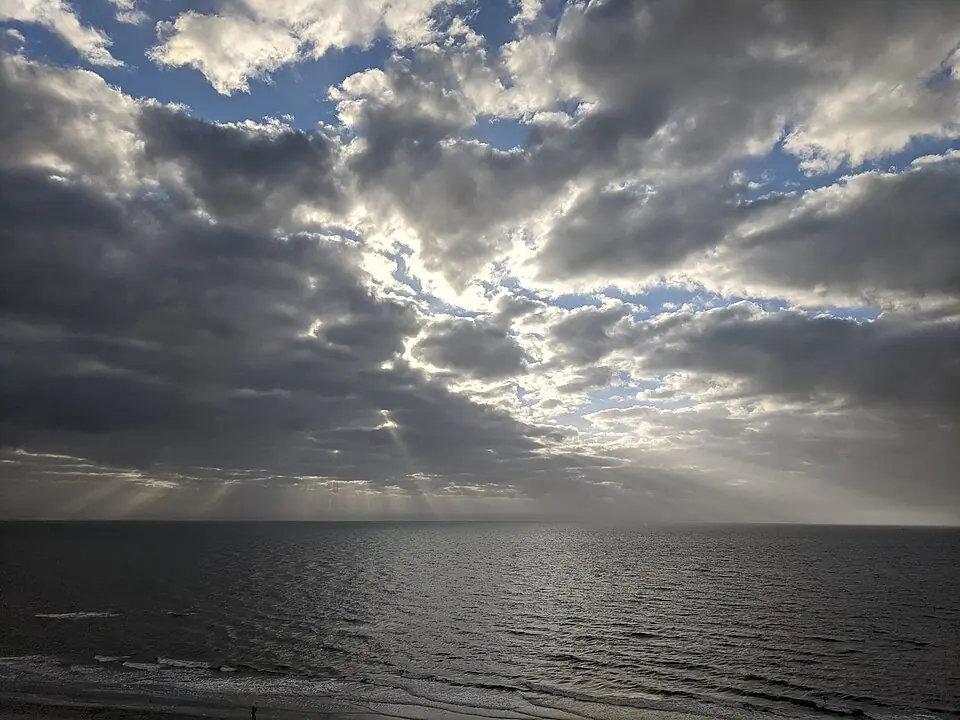
Featured image: Sunset over the beach at Indian Shores. Photograph dated 2019. Current access may differ. Credit: Grendelkhan. CC BY-SA 4.0. Image source. Resized and converted to WebP.
Choose public access and leave swimming space clear
Use a signed public entrance, such as an appropriate route from the Tiki Gardens access area, and check its current parking terms. Cross Gulf Boulevard at a safe crossing. Do not turn a private condominium walkway into a shortcut.
Read beach signs before casting. Keep the water in front of swimmers free of lines and hooks. The shark-fishing restriction is not the only consideration; access boundaries and day-to-day beach use still determine whether there is a usable casting lane.
Make whiting the uncomplicated first target
Small shrimp pieces over clean sand are a sensible start. Try the nearshore trough before making a long cast. Seasonal pompano may take sand fleas or compact bait strips. Avoid oversized cut bait when you are trying to catch small surf fish.
If bites come quickly but the hook returns bare, reduce the bait size. If grass fouls the rig, clear it and change position. Keeping one fresh, clean bait in useful water beats spreading several neglected lines across the beach.
Carry a modest surf outfit
An 8-9-foot rod, 4000 reel, 15 lb mono and 25 lb leader suit moderate conditions. Choose a sinker within the rod's rating and small hooks with their points exposed. Use a suitable shock leader when your casting weight and line require it.
For a permitted warm-season snook opportunity, a smaller lure rod can work along a clear edge. Use 10-15 lb braid, a 25-30 lb leader and a compact soft plastic. Keep the presentation separate from any shark-targeting approach and check current snook harvest rules.
Leave the shore ready for the next visitor
Pack out bait packaging, hook sleeves and short line clippings. Do not feed birds or leave fish scraps on the sand. If crowds or weather end the fishing window, a planned short session is better than forcing another cast through people using the beach.
A compact packing list
| Pack | Starting choice |
|---|---|
| Rod and reel | 8-9-foot surf spinning rod; 4000-size reel |
| Main line / leader | 15-20 lb mono; 25-30 lb leader |
| First bait | Small shrimp piece; seasonal sand flea or bait strip |
| Casting weight | Within the rod rating; only enough to control the rig |
Fish to recognize
These references help identify possible targets in the habitats discussed above. They do not document catches at this beach or guarantee that a fish is present on your visit.


Plan another nearby fishing stop
- Madeira Beach Fishing: Surf Baits or John's Pass?
- Indian Rocks Beach Fishing: Surf Bait and Snook Tips
- Redington Shores Fishing: Beach Access and Surf Bait
Access research checked September 24, 2026, using Town of Indian Shores. Recheck closures and posted rules before traveling. Confirm your fishing license and current species-specific harvest rules with FWC before keeping fish.