

Indian Rocks Beach fishing works best with a modest kit and a clear plan for access. The city sits between the Gulf and the Intracoastal Waterway, but public Gulf beach entrances do not create access to private bayside docks.
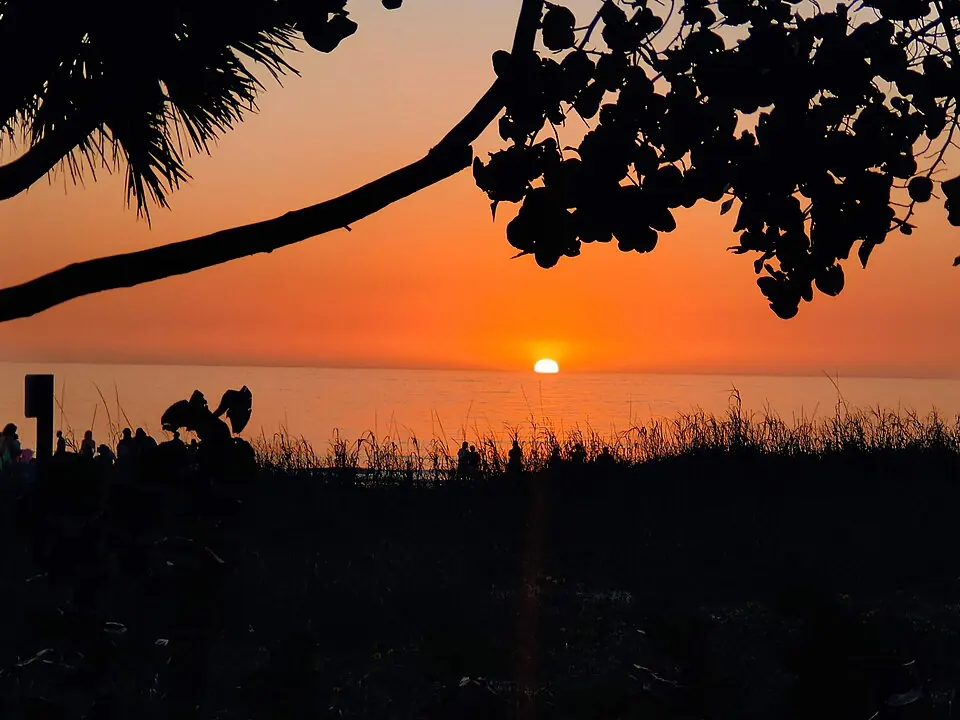
Featured image: Calm Gulf water at Indian Rocks Beach, photographed in March 2013. Current access may differ. Credit: Jec8992. CC BY-SA 3.0. Image source. Resized and converted to WebP.
Read the parking signs at your chosen entrance
The city introduced a paid-parking pilot at beach accesses in 2026. County-managed parking follows its own rules. Check the signs where you actually park, rather than relying on an older claim that every street-end space is free.
Use marked beach access and check current fishing boundaries. Keep clear of swimmers and do not block the walking strip along the water with rods. If the beach becomes busy, move or end the session rather than expecting visitors to avoid invisible lines.
Find the trough before adding distance
Whiting can feed close to shore. Put a small shrimp piece in the first deeper lane and see whether bites repeat from the same direction. Pompano may be a seasonal option with sand fleas or bait strips. Keep the bait small enough that the hook remains exposed.
Use an 8-9-foot medium surf rod, 4000 reel, 15 lb mono and a 25 lb leader. Match sinker weight to both the water and the rod's rating. If the rig constantly rolls sideways, a different patch of beach may help more than a larger weight.
Walk softly when looking for snook
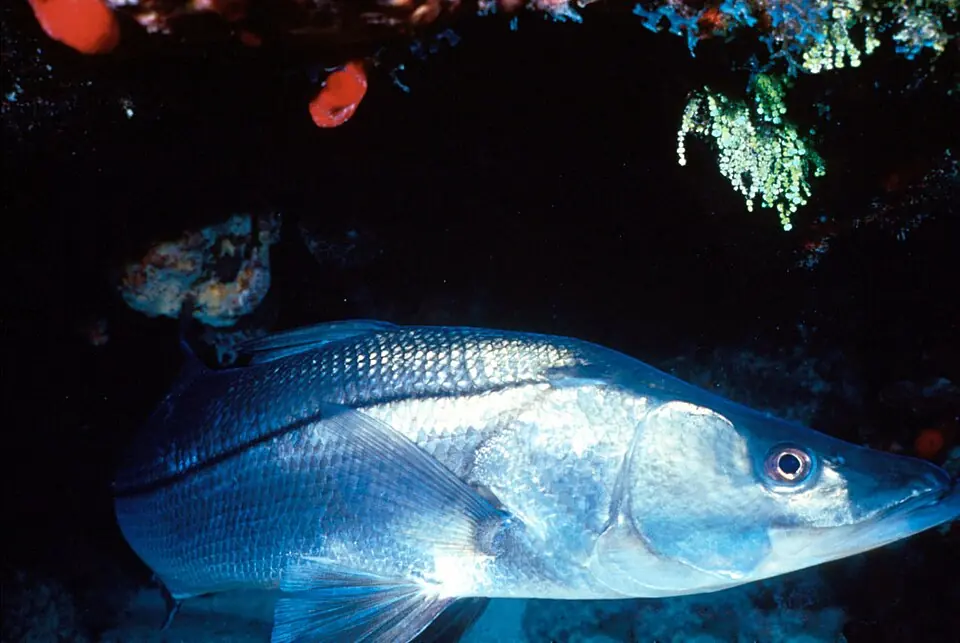
In warmer conditions, snook can cruise surprisingly close to a clear beach edge. Stay back from the water and look ahead before wading. A small paddletail presented along their path is more useful than repeatedly splashing a lure directly on top of a visible fish.
A 7-foot medium rod, 3000 reel, 10-15 lb braid and 25-30 lb leader suit this lighter approach. Check snook regulations before the trip; a seasonal opportunity to catch one is not a guarantee that harvest is allowed.
Keep a short visit simple
Bring pliers, a measuring tool, spare leader and a bag for line. Avoid leaving bait in the sun while you walk for a snack. Indian Shores and Belleair Beach provide neighboring shoreline options, but verify their own parking and beach rules before moving the rods there.
A compact packing list
| Pack | Starting choice |
|---|---|
| Rod and reel | 8-9-foot surf spinning rod; 4000-size reel |
| Main line / leader | 15-20 lb mono; 25-30 lb leader |
| First bait | Small shrimp piece; seasonal sand flea or bait strip |
| Casting weight | Within the rod rating; only enough to control the rig |
Fish to recognize
These references help identify possible targets in the habitats discussed above. They do not document catches at this beach or guarantee that a fish is present on your visit.

Plan another nearby fishing stop
- Clearwater Beach Fishing: Pier 60 and Shore Choices
- Belleair Beach Fishing: Access, Surf Baits and Space
- Indian Shores Fishing: Beach Baits and Local Rules
Access research checked September 24, 2026, using City of Indian Rocks Beach. Recheck closures and posted rules before traveling. Confirm your fishing license and current species-specific harvest rules with FWC before keeping fish.