
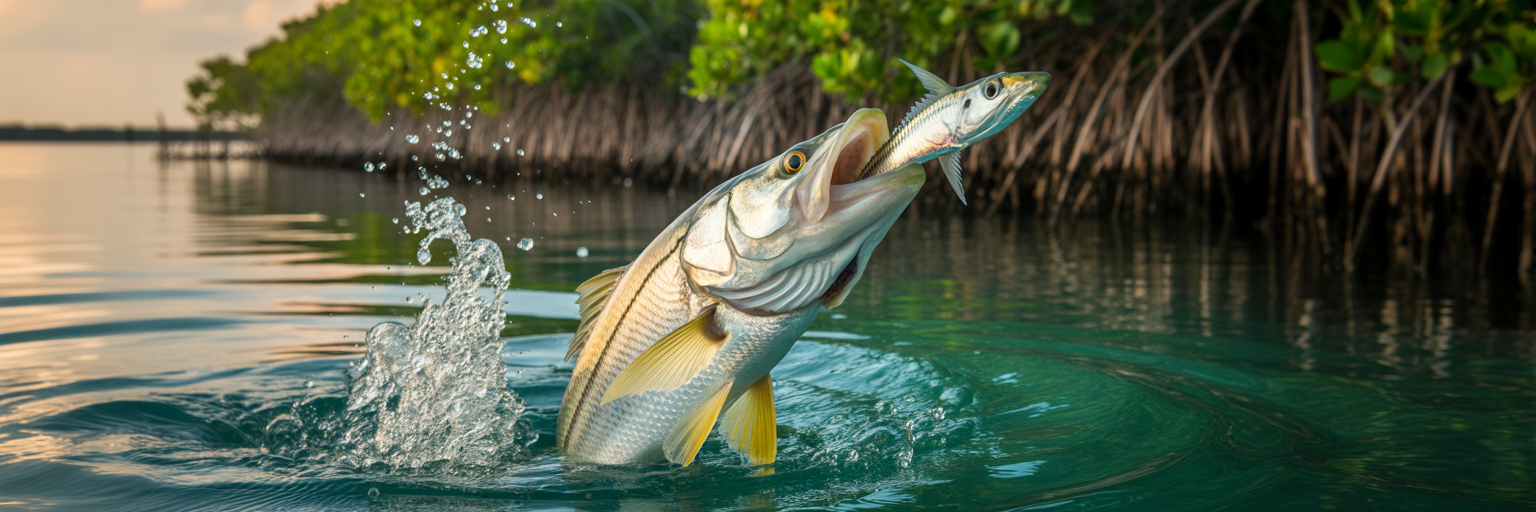
Every serious Tampa angler knows the core principle: match the hatch. For snook, this isn’t just a suggestion, it’s the absolute foundation for consistent success. These predators are smart, opportunistic, and keenly aware of what their environment is serving them. Understanding the right Live Bait Choices for Snook is what separates a decent day from one you talk about for years. Presenting what they are already eating is non-negotiable. This guide breaks down the essential baits, where to use them, and how to rig them to turn your next trip into a productive one.
The Snook’s Menu: Top Live Bait Choices for Snook
Snook are not picky eaters, but they are conditioned to feed on what is most abundant and easiest to catch. Your job is to present them with an offer they cannot refuse. The bait you choose is your primary tool for communication, telling the fish that an easy meal is available. This is not about luck, it is about making a calculated decision based on the season, location, and the size of fish you are targeting. Let’s get into the primary options you should have in your livewell when fishing Tampa Bay.
Scaled Sardines (Whitebait): The Undisputed King
During the warmer months, from spring through fall, scaled sardines are the lifeblood of Tampa Bay. There is nothing more effective than showering a mangrove shoreline or a sandy pothole with a net full of fresh whitebait. The effect is immediate. You can see the water erupt as snook, jacks, and redfish compete for the free meal. This “popcorn” effect on the surface triggers a powerful, competitive feeding response that makes even the most cautious linesiders throw caution to the wind. For active, visual fishing where you are hunting down fish on the flats or along the mangroves, a livewell full of frisky whitebait is your ticket to a banner day.
Pinfish: The Big Bait for Big Fish
When your goal is to catch a true trophy snook, it is time to deploy the pinfish. This is a different game entirely. You are going to get fewer bites, but the one you get will be the one you remember. Pinfish are tough, noisy, and send out distress signals that attract the attention of the largest, most dominant snook in the area. Their hardiness makes them the perfect choice for fishing deep, abrasive structure like bridge pilings and rock jetties where smaller baits would be torn apart. They also deter most of the pesky bait stealers, ensuring your offering stays in the strike zone long enough for a big fish to find it. This is the bait for anglers hunting a personal best.
Live Shrimp: The All-Season MVP
Think of live shrimp as the old reliable of the bait world. There is rarely a time when a snook will turn down a well-presented shrimp. This versatility makes it an essential part of any angler’s arsenal. It is the undisputed number one choice for night fishing under dock lights, where snook stack up to ambush disoriented prey. More importantly, it is the key to success during the winter months when snook become lethargic in colder water and are less willing to chase fast-moving baitfish. A live shrimp, either free-lined or suspended under a cork, presents an easy, slow-moving meal that cold-water snook find irresistible. It is the bait that always gets bit and an essential backup when other baits are scarce.
Threadfin Herring (Greenbacks): The Alternative That Gets Noticed
While often grouped with whitebait, threadfin herring, or greenbacks, have a distinct profile and action that can make all the difference. They are typically larger than sardines and have a more frantic, high-strung swimming action. This difference can be the key to triggering a strike when snook have seen too many sardines swim by. When the bite on whitebait slows down, switching to a lively greenback can reignite the feed. Be aware of their fragility. They do not tolerate being crowded in a livewell and require gentle handling. Hook them lightly through the nose or forward of the dorsal fin to keep them kicking and sending out those critical vibrations.
Mullet: The Two-Way Trophy Hunter
Mullet offer two distinct and highly effective strategies for targeting snook. The first is free-lining a live finger mullet along seawalls, mangrove edges, and open flats. This is a fantastic way to cover water and find active, cruising fish looking for a substantial meal. The second is a classic, time-tested technique for the biggest and laziest trophy snook: fishing a dead mullet head on the bottom in a high-current pass. This is a patient angler’s game. You are waiting for a true giant to find what it perceives as an easy, high-protein snack tumbling along the bottom. When you consider their effectiveness in different forms and for different classes of fish, mullet are arguably the best bait for snook in Florida, especially during the fall run.
| Bait Type | Primary Use Case | Durability on Hook | Best Season |
|---|---|---|---|
| Scaled Sardine (Whitebait) | Chumming flats & mangroves; active fish | Low | Spring, Summer, Fall |
| Pinfish | Targeting trophy snook on deep structure | High | Year-round |
| Live Shrimp | Night fishing, winter, lethargic fish | Medium | Year-round (especially Winter) |
| Threadfin Herring | Alternative to sardines; larger profile | Low | Summer, Fall |
| Finger Mullet (Live) | Free-lining shorelines & seawalls | Medium | Summer, Fall |
| Mullet Head (Dead) | Bottom fishing in high-current passes for trophies | High (Static) | Fall (during the run) |
Location-Based Bait Selection for Tampa’s Waters
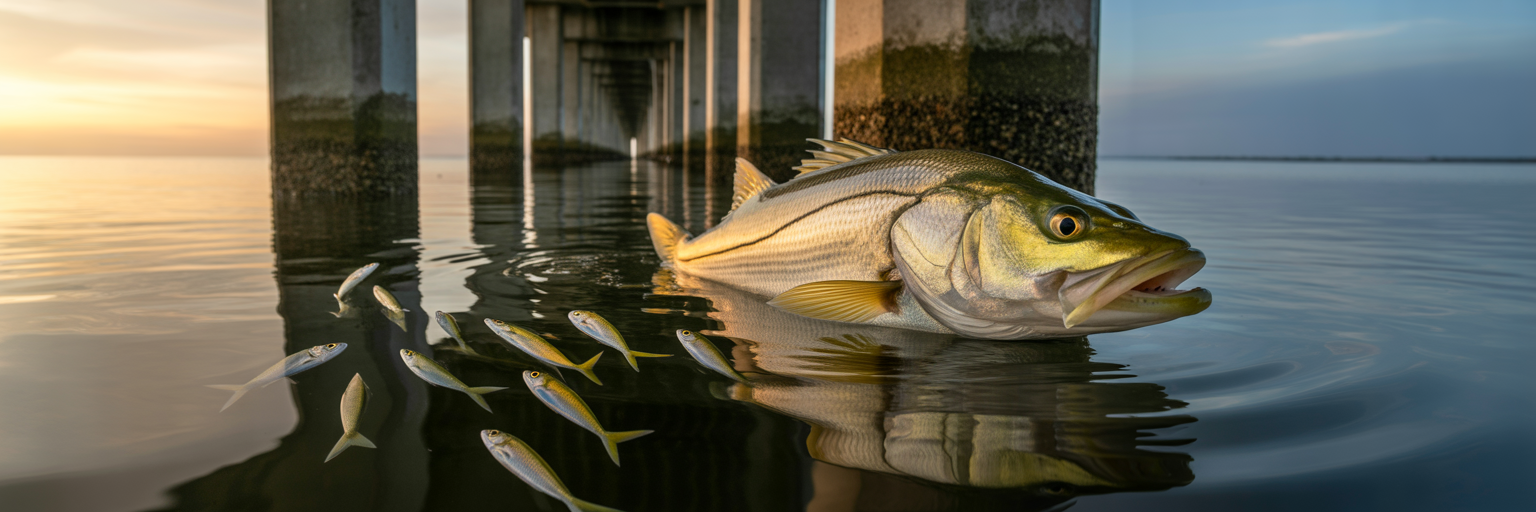
Knowing what baits to use is only half the battle. The other half is knowing where to deploy them. A bait that is deadly in one environment can be completely ineffective in another. Tampa Bay offers a diverse range of habitats, from deep, fast-moving passes to quiet, residential canals. Matching your bait to the specific location you are fishing is a critical skill that directly translates to more fish in the boat. Think of this as your pre-trip briefing for four of the most productive snook environments in the bay.
The Passes: Battling Current for Giants
Imagine the powerful currents of an outgoing tide ripping through Pass-a-Grille or Bunces Pass. This is big-water fishing. Snook use the bridge pilings, rock jetties, and deep channel edges as ambush points, waiting for the tide to deliver a meal. This is not a place for finesse or small, delicate baits. Your offering needs to be substantial enough to get noticed in the heavy flow and durable enough to withstand the current. This is prime territory for large pinfish and fresh mullet heads fished on the bottom. The technique for successful snook fishing in passes is straightforward: cast your bait up-current and let it wash down naturally to the structure where the fish are holding. This is power fishing, and it is where you will find some of the largest snook in the entire system.
Dock Lights: The Nighttime Ambush
As the sun sets, a different world comes to life in the quiet residential canals throughout the bay. The lights illuminating docks create a mini-ecosystem, attracting shrimp, glass minnows, and other small prey. The snook know this. They stage in the shadows just outside the light’s halo, waiting to ambush anything that drifts by. In this environment, live shrimp is king. The presentation is all about stealth and subtlety. A free-lined shrimp cast into the darkness and allowed to drift naturally into the light is an irresistible offering for a dock-light monster. A quiet approach is essential, as these fish are easily spooked. While these location-specific tactics are key for Tampa snook, they are built on universal principles of effective live bait fishing that apply across the state.
Mangrove Shorelines: The Backcountry Hunt
Fishing the mangrove shorelines is a game of backcountry stalking and precision. This is where a quiet approach with a trolling motor or push pole pays huge dividends. The top producer in this environment is whitebait. The tactic is simple but requires execution. A few dozen live sardines tossed towards the mangrove roots will often draw snook out from their tangled lairs. This live chumming gets them fired up and competing for food. Your cast needs to be accurate, landing your hooked bait just inches from the mangrove overhangs where the fish feel safe. It is a game of inches, where a perfect cast is rewarded with an explosive strike from a fish that thought it was hidden.
Beaches and Flats: The Sight-Fishing Game
For many anglers, this is the ultimate visual challenge of Tampa Bay snook fishing. The water is often clear, the sun is high, and you can see the fish before you ever make a cast. This also means they can see you, making them incredibly spooky. The best baits here are small, frisky whitebait or select-sized live shrimp that look natural in the clear water. The entire focus is on presentation. A bad cast that lands too close will send a cruising snook fleeing for deep water. The key is to “lead” the fish. You must cast well ahead of its anticipated path and let your bait swim naturally into its line of sight. When a dark shape turns and accelerates towards your bait, it is a sight-fishing moment you will not soon forget.
Sizing Your Offering for the Target Fish
Once you have chosen the right type of bait for the location, the next critical decision is size. It is about moving beyond just the species of bait to the specific size of the offering. The old cliché “big baits catch big fish” holds a lot of truth, but it is not the whole story. A snook’s willingness to chase a large meal is influenced by its metabolism, water temperature, and the level of competition from other fish. Sometimes, an easy, bite-sized snack is a much more effective offering than a challenging, oversized meal. Dialing in the right size is a strategic move that can dramatically improve your catch rate.
The ‘Big Bait, Big Fish’ Reality Check
While it is true that the largest snook often prefer a substantial meal like a big pinfish or mullet, they will not always expend the energy to chase one down. In colder water, a snook’s metabolism slows, and it may prefer a smaller, easier-to-digest shrimp over a large baitfish. Conversely, during a hot summer day when their metabolism is in high gear, even smaller snook will aggressively attack oversized baits. The key is to think about it from the fish’s perspective: is this meal worth the energy it will take to catch it? The answer to that question changes with the conditions.
Matching the Hatch for Slot-Sized Snook
When your goal is to catch slot-sized snook (28-33 inches), you are playing a numbers game. Your best strategy is to present what the majority of fish in the area are actively feeding on. This almost always means matching the most abundant and easily consumed food source. During the spring and summer, this will be 3 to 4-inch whitebait. In the winter, it will be medium-sized live shrimp. These are high-percentage offerings that appeal to the widest range of feeding fish. You are not trying to single out a giant, you are trying to get consistent bites from the healthy population of slot fish that make Tampa Bay such a great fishery.
Upsizing for Overslot Trophy Hunters
Targeting a true overslot breeder (34 inches and up) requires a strategic shift in mindset and bait selection. This is about quality over quantity. By using a significantly larger bait, such as a 5 to 6-inch pinfish, a small ladyfish, or a hand-sized mullet, you are consciously deciding to filter out the smaller, more aggressive fish. You will get far fewer bites throughout the day, but the bites you do get are much more likely to come from a true trophy. This is a commitment. You have to be willing to wait, knowing that your oversized offering is intimidating to the average fish but looks like the perfect meal for the dominant predator you are hunting.
Adjusting Bait Size for Water Clarity
Water clarity is a major factor that should dictate your bait size. In the gin-clear water often found on the beaches or wintertime flats, snook are primarily visual feeders. They can scrutinize a bait from a distance, and anything that looks unnatural will be rejected. In these conditions, downsizing your bait is the smart move. A smaller, more delicate 2 to 3-inch sardine or a small shrimp on a light leader is far less likely to spook a wary fish. Conversely, in murky or stained water, a snook hunts more by vibration and profile. A larger, bulkier bait like a big pinfish or a threadfin herring creates more water displacement and a bigger silhouette, making it much easier for a snook to find and commit to in low visibility.
- Targeting Slot Snook (28-33”): Use 3-4 inch whitebait or medium live shrimp. The goal is to match the most abundant food source.
- Targeting Trophy Snook (34”+): Use 5-6 inch pinfish, ladyfish, or hand-sized mullet. The goal is to present a substantial meal worth the energy.
- Clear Water Conditions: Downsize your bait. A 2-3 inch sardine or a small shrimp is less likely to be rejected.
- Murky or Stained Water: Upsize your bait. A large pinfish or threadfin creates more vibration and a bigger silhouette.
Reading the Water: Using Tides and Currents
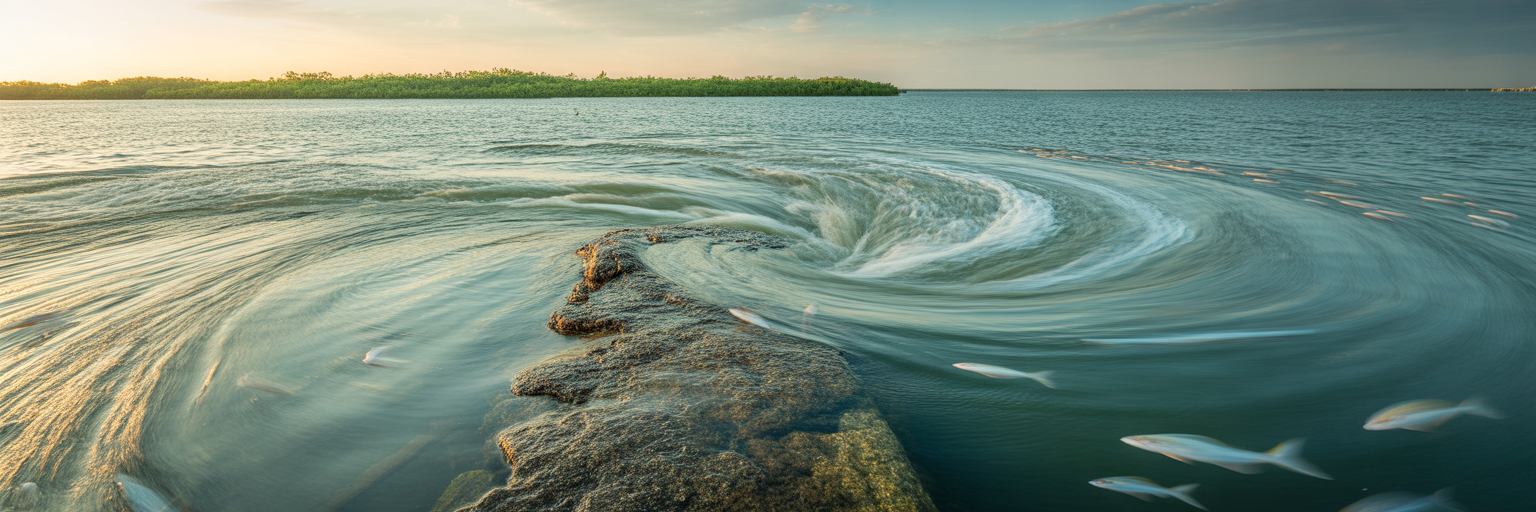
If there is one concept that every successful snook angler masters, it is the role of tides and current. You can have the perfect bait and be in a great location, but if the water is not moving, your chances of success plummet. The old mantra “no run, no fun” is the absolute truth. Moving water is the dinner bell for snook. It disorients baitfish, concentrates them into predictable areas, and positions snook in specific feeding lanes where they can ambush prey with minimal effort. Understanding how to use the tide to your advantage is the single most important skill you can develop.
Why Moving Water is Everything
Stationary water allows baitfish to scatter and relax. Snook, being opportunistic predators, prefer to let the current do the work for them. When the tide starts moving, it forces baitfish out of their hiding spots and funnels them through channels, around points, and along structure. Snook instinctively know this and position themselves to intercept this conveyor belt of food. Your job is to identify these ambush points and present your bait in a way that looks like it is being naturally swept along by the current.
Fishing the Incoming Tide: Pushing onto the Flats
An incoming tide pushes clean, cool water and schools of baitfish from the deeper parts of the bay onto the shallow flats and into the mangrove systems. This is the time to focus on these newly flooded zones. Snook will follow the food, moving up onto the flats to hunt in areas that were dry land just hours before. Position your boat along the edges of the flat or near a cut leading into the mangroves. As the tide rises, you can intercept fish as they move into these shallow feeding grounds. This is often the best time for sight-fishing, as the clean incoming water provides excellent visibility.
The Outgoing Tide: The Classic Ambush
The outgoing tide is the classic and often most productive time to fish for snook, especially around structure. As the water recedes from the flats and backcountry creeks, it flushes out a tremendous amount of bait. Snook will set up on the up-current side of structure, facing into the flow, waiting for the tide to deliver this easy meal. This is a critical point that many beginners miss. They will fish the down-current, “calm” side of a bridge piling or dock, when the feeding fish are actually on the side taking the full force of the current. Hammer this into your brain: find the structure, determine the current direction, and fish the side the water is hitting first.
Current Speed: More Than Just Direction
The strength of the current is just as important as its direction. A ripping tide in a deep pass requires a different approach than a slow-moving current on a flat. You must choose a bait that can handle the flow. A frisky pinfish can swim effectively in a strong current, whereas a live shrimp would be quickly swept away and look unnatural. This is also when you need to consider adding weight to your rig. In a fast current, a small split shot or even a heavy egg sinker may be necessary to get your bait down into the strike zone where the fish are holding. The goal is to use just enough weight to reach the bottom without impeding the natural action of the bait.
The Slack Tide Myth: The Bite Before the Bite
Many anglers believe that slack tide, the period when the water stops moving between tidal cycles, is dead time. While the bite does slow dramatically, it is not completely dead. The few minutes right before the tide stops and right as it begins to move again can trigger a brief but intense feeding window. Fish use this lull to reposition themselves for the new current direction. An angler who is prepared and has a bait in the water during this short transition can often capitalize on a bite that others miss while they are taking a break.
Rigging for Success: The Right Presentation
You can have the best bait and be in the right spot at the right time, but if your presentation is wrong, you will not get bit. Your terminal tackle, the combination of your leader, hook, and weight, is the final and most crucial link between you and the fish. This is the practical, how-to part of the equation. Knowing how to rig live bait for snook correctly ensures your bait looks natural, stays in the strike zone, and results in a solid hookup. The rigging does not need to be complicated, but it does need to be right.
Leader and Hook: The Foundation of Your Rig
Start with the fundamentals. Your leader material must be fluorocarbon. Its low visibility and high abrasion resistance are non-negotiable for fooling sharp-eyed snook and surviving their raspy mouths and gill plates. The pound test should be matched to the environment. For open flats and beaches, a 30-40lb leader is sufficient. When fishing around docks, bridges, mangroves, or any other abrasive structure, you must upgrade to a 60-80lb leader to prevent break-offs. Match your hook size directly to your bait: a 2/0 circle hook is perfect for a shrimp, while a large pinfish or mullet requires a 5/0 to 7/0 hook. Circle hooks are highly recommended as they almost always result in a clean corner-of-the-mouth hookup, which is better for the fish and reduces the chance of the leader being frayed.
The Art of Free-Lining: The Purest Presentation
Free-lining, which is simply a hook tied directly to the leader with no weight, is the most natural and often most effective presentation. It is ideal for shallow water, light current, and wary fish. This method allows the bait to swim freely and act naturally, which is critical for getting a bite from a suspicious snook. How you hook the bait is key to maximizing its action. Hook scaled sardines and threadfins through the hard cartilage in their nose. Hook pinfish just behind the dorsal fin, above the lateral line. Hook shrimp through the horn on their head, being careful to avoid the dark spot which is their brain.
Weighted Rigs: Getting Down to Business
Sometimes, current and depth make free-lining impossible. You must use weight to get the bait down into the strike zone. The two most effective weighted rigs for snook are the knocker rig and the sliding egg sinker rig. The sliding egg sinker is particularly effective for fishing passes and channels. It allows the fish to pick up the bait and run without feeling the resistance of the sinker.
To set up a sliding egg sinker rig:
- Slide an egg sinker (1/2 to 2 oz, depending on current) onto your main braided line.
- Tie your main line to one end of a small, high-quality barrel swivel.
- Attach a 24-36 inch section of your chosen fluorocarbon leader to the other end of the swivel.
- Tie your circle hook to the end of the leader.
This setup keeps your bait near the bottom while allowing it to move naturally with the current.
Specialty Rigs for Specific Scenarios
Two other rigs deserve a place in your arsenal. The first is the popping cork. This rig is deadly when fishing over grass flats. It suspends a bait, usually a live shrimp, at a precise depth just above the grass. The “pop” of the cork creates a sound that mimics feeding fish, attracting snook from a distance. The second is a heavy bottom rig for fishing a dead mullet head in a deep, fast pass. This often involves a three-way swivel with a heavy pyramid or bank sinker on a short dropper line and your baited hook on a longer leader. The goal of this rig is to pin the bait firmly to the bottom in heavy current, waiting for a trophy snook to find it.
Seasonal Bait Patterns and Availability
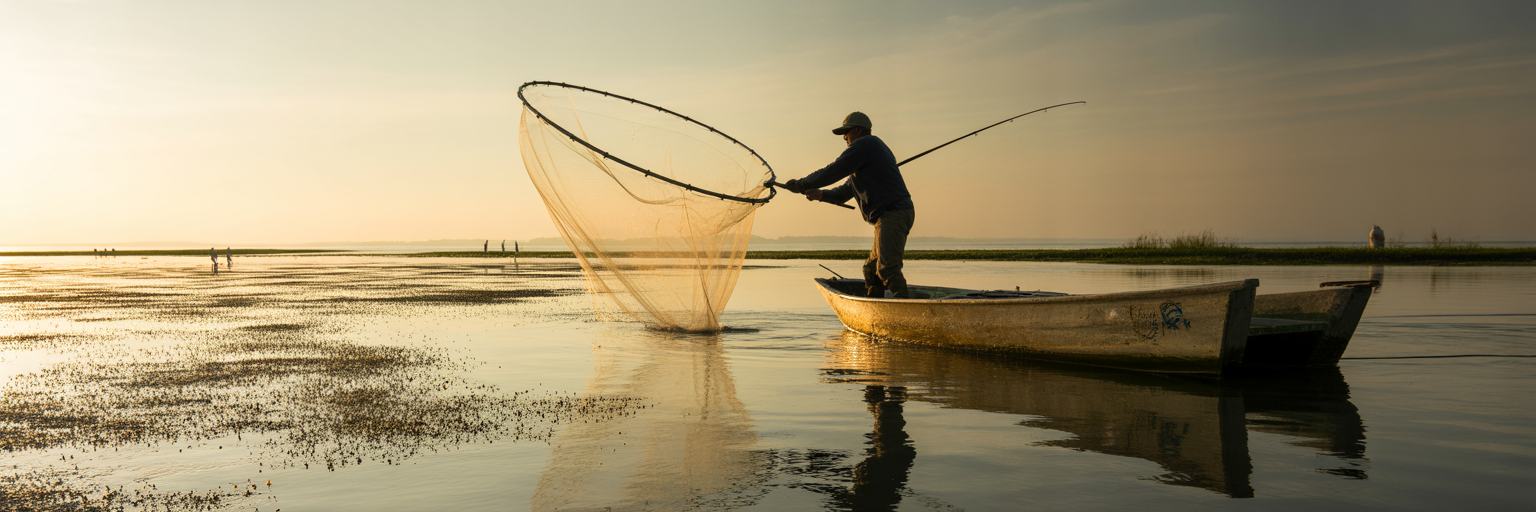
The final piece of the puzzle is understanding the seasonal rhythm of Tampa Bay. The availability of bait and the behavior of snook change dramatically throughout the year. A successful angler adapts their strategy to match these seasonal patterns. Knowing what bait is most abundant and where the snook are likely to be feeding during each season will put you ahead of the curve. This is the annual game plan that ties all the previous concepts together, giving you a clear roadmap for your Live Bait Choices for Snook year-round.
Spring Transition
As water temperatures climb out of the 60s and into the 70s, the bay comes to life. This is when massive schools of whitebait begin to flood the flats, passes, and beaches. Snook, which have been holding in their deeper winter haunts, sense this change and move to intercept this first major wave of food. They are hungry and aggressive after a lean winter. This is a prime time for active fishing on the flats and along the mangrove shorelines, with live whitebait being the undisputed top choice.
Summer Peak
Summer is a time of abundance and high activity. The water is warm, and the snook’s metabolism is in high gear. Bait is everywhere: whitebait, threadfins, and pinfish are all readily available. Snook will be feeding aggressively, often in the lower light conditions of early morning and late evening to avoid the midday heat. This is the season for fast-paced action, aggressive chumming on the flats, and targeting the strong tides in the passes. Fish are strong, and the bites are explosive.
Autumn Feed-Up
The fall is a critical period for snook. As the days get shorter and the water begins to cool, they sense the approaching winter and begin to feed heavily to build up their energy reserves. This season is defined by the annual mullet run, a major migration of mullet schools along the beaches and through the passes. Snook will stack up in ambush points to gorge on this passing buffet. This is arguably the best time of year to target a true giant snook, using live mullet or large pinfish along the beaches and in the passes.
Winter Strategy
As water temperatures drop into the 60s, the game changes completely. Most baitfish leave the shallow flats, and snook retreat to more thermally stable water. They seek refuge in deeper residential canals, upriver holes, and near warm-water discharges from power plants. Their metabolism slows, and they become much more lethargic. Live shrimp becomes the most reliable bait by far. Presentations must slow down dramatically. A shrimp fished slowly on the bottom or suspended under a cork is often the only way to entice a bite from a sluggish, cold-water snook.