
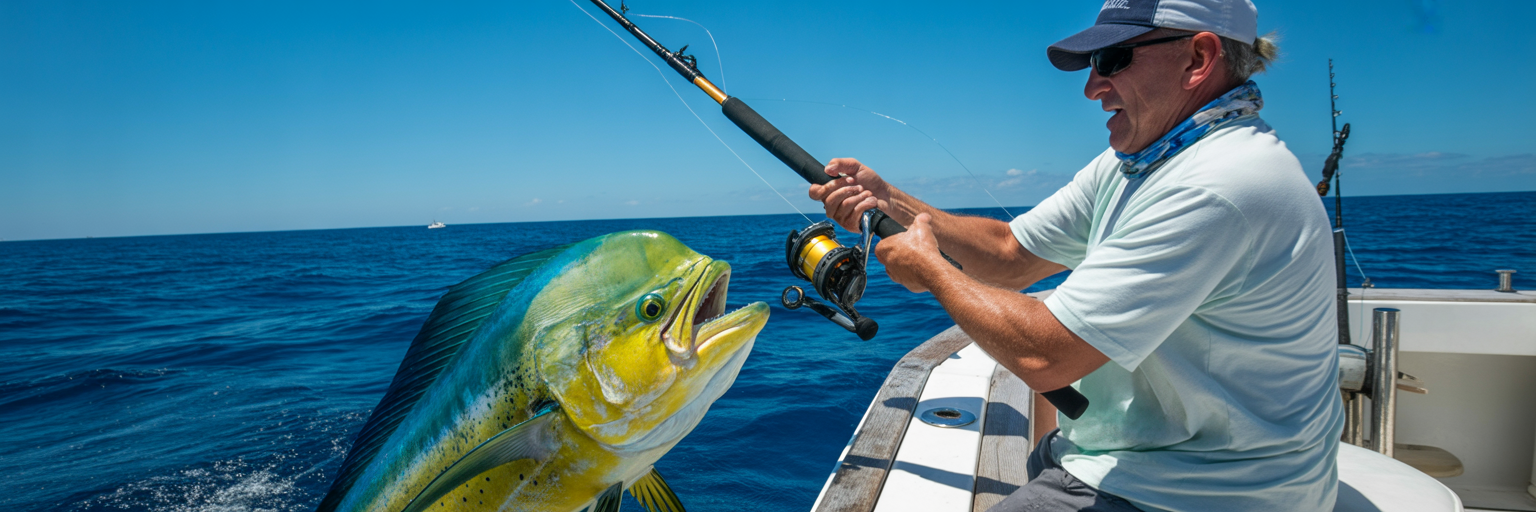
There is nothing quite like the pre-dawn run offshore. The air is cool, the hum of the engines is the only sound, and the anticipation for that first strike is electric. Then it happens. A flash of neon green, blue, and gold lights up the water as a mahi-mahi crashes the spread. That moment of chaos is what we live for. But a successful trip is built on solid planning, not just luck. This guide is your practical checklist for booking the right Florida mahi charter, designed to prevent the common mistakes that can ruin a day on the water.
Think of this as the essential prep work to avoid mismatched expectations, unprepared captains, or hidden costs. We are talking about ensuring your investment in time and money results in a productive, memorable day offshore. A poorly chosen charter can mean a long, frustrating boat ride. A well-vetted one creates memories that last a lifetime.
Mahi-mahi, or dolphinfish, are one of Florida’s most sought-after game fish for good reason. They are aggressive feeders, often traveling in schools that provide fast and furious action. Their spectacular aerial fights are legendary, and their value as excellent table fare is second to none. This makes them the perfect target for anglers of all skill levels. They offer nonstop action for beginners and a worthy challenge for seasoned fishermen chasing a trophy “bull” mahi.
A great mahi trip does not happen by accident. It starts with asking the right questions long before you leave the dock. This article will walk you through the critical decisions you need to make. We will cover how to match a trip to your group’s experience, what to ask a captain about their strategy, how to understand seasonal patterns, and how to confirm all the logistics. Follow this roadmap, and you will be well on your way to a successful day offshore.
Matching the Charter to Your Crew and Goals
The most overlooked part of planning a charter is the human element. The perfect trip for a crew of hardcore anglers is often the wrong one for a family with kids. Being honest about your group’s needs and goals is the first step toward a great day on the water. A good captain can tailor the day to your crew, but only if you give them the right information.
Assess Your Group’s Experience Level
Be realistic about who is coming with you. A group of seasoned anglers might be willing to run 50 miles offshore in choppy seas to find a hot bite. A family with young children or first-timers needs a different approach. They need consistent action and comfort. Talk to the captain about this. A professional operation will have a backup plan, like hitting a nearshore reef for snapper or kingfish if the offshore mahi bite is slow. This ensures everyone stays engaged and has a chance to catch fish.
Choose the Right Trip Length
For mahi fishing, time equals distance. The more time you have, the farther offshore the captain can run to find productive water like weed lines and temperature breaks. A four-hour trip might sound appealing for the price, but it rarely provides enough time to get to the prime mahi grounds. For most groups, a six-hour trip is the sweet spot. It offers a solid balance of fishing time and angler endurance, allowing the captain to reach the fish without the fatigue of a full-day marathon.
| Trip Length | Typical Offshore Range | Best For | Key Considerations |
|---|---|---|---|
| Half-Day (4 Hours) | 10-20 miles | Beginners, families with young kids, or those on a tight budget. | Very limited time for finding mahi. Often not enough time to reach prime water like the Gulf Stream. High risk of spending more time running than fishing. |
| 6-Hour Trip | 20-40 miles | Most groups. The ideal balance of fishing time and angler endurance. | The sweet spot for mahi fishing. Allows enough time to reach weed lines and temperature breaks without the full-day commitment. |
| Full-Day (8+ Hours) | 40+ miles | Experienced anglers, groups chasing trophy fish, or those wanting maximum flexibility. | Provides the most time to hunt for fish, change locations, and try different techniques. Can be a long, hot day for inexperienced anglers. |
Address Seasickness Head-On
Do not let seasickness ruin your day. If anyone in your group is prone to it, or even just worried about it, discuss it with the captain beforehand. A reputable captain will be honest about the forecast and may suggest a different day or a nearshore trip if conditions look rough. The most important tip is to take motion sickness medication 30 to 60 minutes before you leave the dock. Once you start feeling sick, it is often too late.
Define Your Primary Goal
What does a successful trip look like for your group? Is it filling the cooler with a limit of schoolie mahi for a fish fry? Is it the thrill of chasing a single trophy bull over 40 pounds? Or is it simply having a fun, relaxing day on the water with family and friends? Communicating this goal to your captain is critical. It helps them decide where to fish and what tactics to use. This conversation also includes your budget. See it not as finding the cheapest boat, but as an investment in a quality experience that matches your expectations.
Critical Questions to Ask Your Captain Before Booking
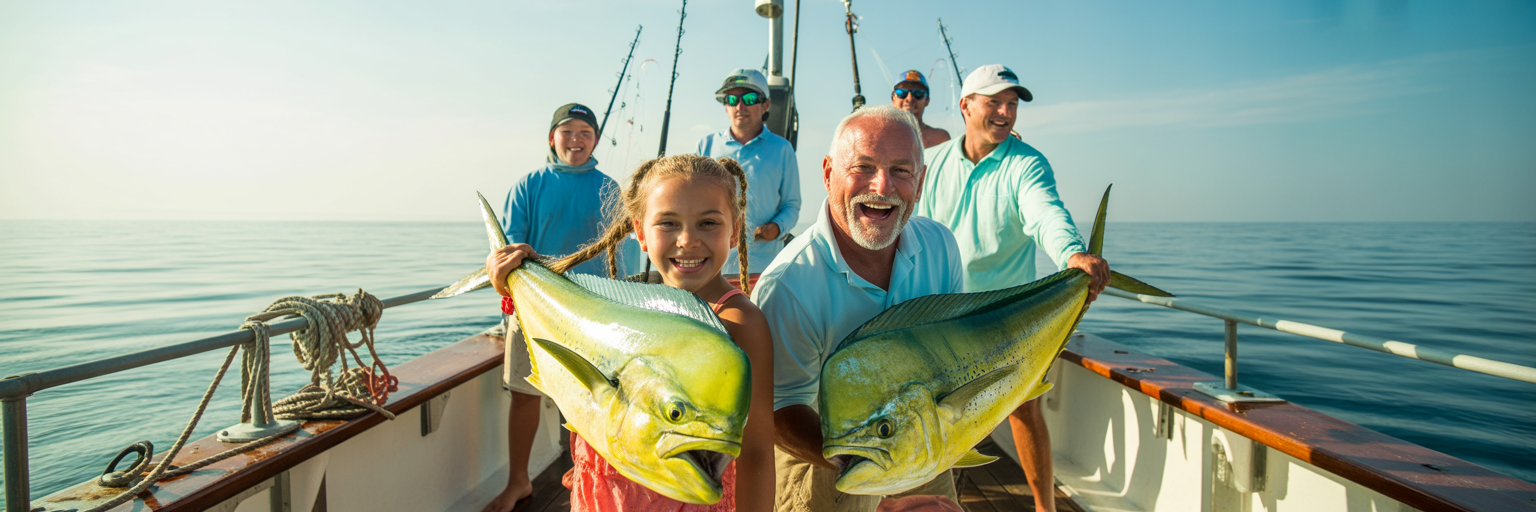
Vetting your captain is the most important step in learning how to book a fishing charter that delivers. A professional captain will welcome your questions because it shows you are a serious angler. Their answers will reveal their experience, professionalism, and commitment to a successful trip. These are the non-negotiable questions to ask fishing guides before you ever put down a deposit. Think of it as an interview. You are hiring them for a very important job.
1. What is your fishing strategy for my chosen dates?
A sharp captain lives by the conditions. Ask them, “Based on the tides, recent reports, and time of year, what is your primary game plan for finding mahi?” Follow up with, “How much of the trip is spent running versus actively fishing?” A confident answer shows they are proactive and have a plan. A vague response suggests they might just be winging it.
2. What is our Plan B if the mahi are not biting?
Even the best captains have slow days. The difference between a good captain and a great one is their backup plan. Ask, “If the mahi bite is dead, what are our other options?” A great captain will have alternatives ready, like targeting blackfin tuna on the humps, trolling for wahoo along a color change, or deep-dropping for tilefish and grouper to save the day. Flexibility is key to putting fish in the boat.
3. Can you tell me about your vessel, safety gear, and permits?
This is a non-negotiable safety check. Ask, “Is your boat fully equipped with all required USCG safety gear, including an EPIRB?” An EPIRB (Emergency Position Indicating Radio Beacon) is a critical piece of offshore safety equipment. Also, ask if they hold federal reef fish permits. This permit is crucial if you want the option to bottom fish for species like snapper or grouper in federal waters, which is often the best backup plan.
4. Is your price all-inclusive, or are there extra charges?
Avoid surprise fees at the dock. Ask directly, “Is the quoted price the final price, or are there extra charges for fuel, bait, tackle, or ice?” Fuel surcharges can be common, so it is important to know this upfront. Also, clarify the fish cleaning policy. Ask, “Is fish cleaning included in the price, or is it handled through the mate’s tip?” Knowing this prevents any awkwardness back at the dock.
5. What is your specific weather and cancellation policy?
Protect your deposit. Ask, “What is your weather cancellation policy, and can I get it in writing?” The captain, and only the captain, should make the call on weather. They are responsible for your safety. Clarify what happens if they cancel. Do you get a full refund on your deposit, or do you have to reschedule? A professional charter will have a clear, fair policy.
Understanding Florida’s Mahi Seasons and Patterns
A good captain’s strategy is driven by their deep understanding of seasonal patterns and fish behavior. Knowing the basics of when and where to find mahi will help you understand the captain’s plan and appreciate what you are seeing on the water. It connects you to the hunt and turns a boat ride into a fishing experience.
Florida’s Peak Mahi Season
While some mahi can be caught in Florida year-round, the action really heats up in the spring and summer. The best time for mahi in Florida generally runs from April through August. During these months, warming water temperatures push large schools of fish north along the Gulf Stream. This migration brings them within range of charter boats from the Keys to Northeast Florida, creating a consistent and exciting fishery.
Regional Differences Across the State
Not all Florida coasts are created equal for mahi fishing. In the Florida Keys and South Florida, including Palm Beach and Fort Lauderdale, the run to the deep, blue water of the Gulf Stream is often very short. This means less time running and more time fishing. In contrast, anglers in the Panhandle or along the Jacksonville coast may face a much longer run to reach productive offshore waters. The peak season can also vary slightly by region, often starting earlier in the south and peaking a bit later in the north.
Reading the Water: Weed Lines, Rips, and Debris
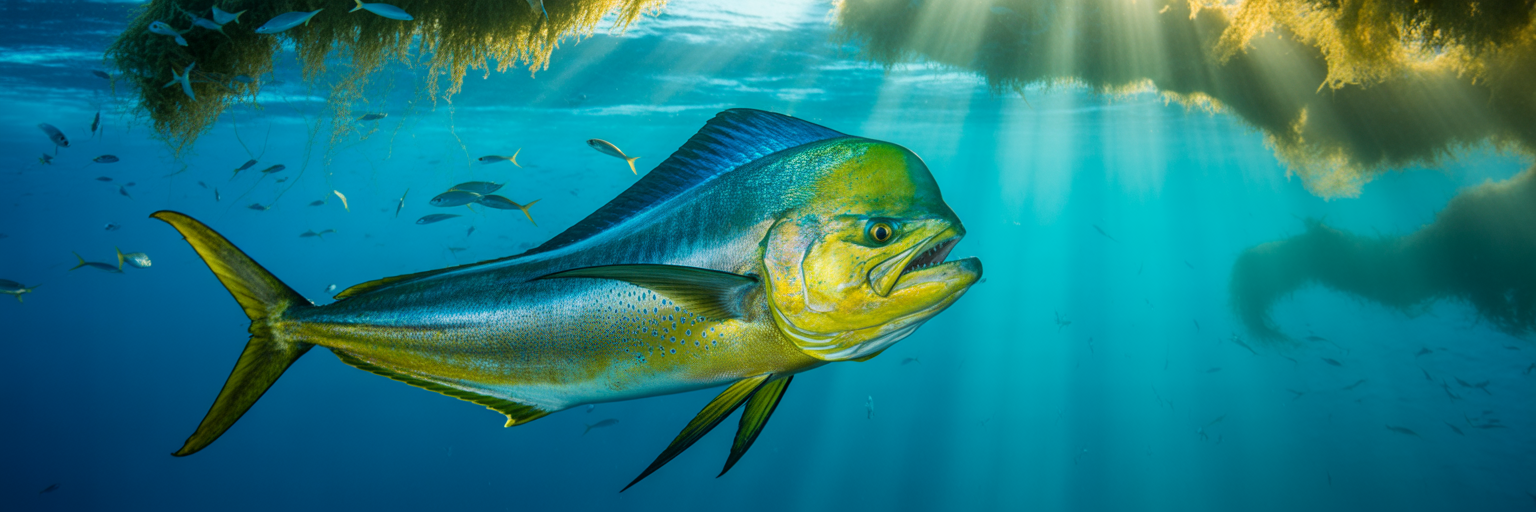
Successful mahi mahi fishing in Florida is all about finding life in the vast expanse of the ocean. Captains are constantly scanning the water for signs. Floating sargassum weed lines are the most obvious structures. They provide cover and attract the baitfish that mahi feed on. Captains also look for rips, which are visible current edges, and temperature breaks where cooler and warmer water meet. These features act as highways and feeding zones for all pelagic species. Understanding these patterns is the first step, but a good captain knows the precise tactics for trolling and bait presentation that turn a sighting into a hookup.
Schoolies vs. Bulls: Know Your Target
Mahi behavior changes with their size. Smaller fish, known as “schoolies,” often travel in large, aggressive groups. Finding a school can lead to chaotic, fast-paced action with multiple hookups at once, which is perfect for filling the cooler. In contrast, large, mature “bull” mahi are often solitary or travel in pairs. Targeting these trophy fish requires a different approach, such as trolling larger baits over specific bottom structures or along well-defined temperature breaks. Knowing the difference helps manage your expectations for the day.
Confirming Logistics: Payments, Licenses, and Policies
The days leading up to your charter should be about excitement, not confusion. A few simple confirmations can eliminate any chance of day-of problems or awkward conversations at the dock. This is the final administrative checklist to ensure everything goes smoothly from the moment you arrive at the marina.
Most reputable charters follow a standard booking process. You will likely be asked for a deposit to secure your date, which is usually paid with a credit card. The remaining balance is typically due in cash on the day of the trip. Confirm this payment structure when you book. You do not want to be scrambling for an ATM at 6 a.m. when you should be loading your gear onto the boat.
One of the most common questions from visiting anglers is about fishing licenses. Here is the simple answer: you do not need to buy one. The charter vessel’s license covers every angler on board. This is a significant convenience and cost saving, especially for out-of-state visitors. It is one less thing you have to worry about.
Tipping your mate is a critical part of the charter experience. The industry standard is 15 to 20 percent of the total charter price. The mate is the backbone of the operation. They are up before you, rigging baits and preparing the boat. All day, they are working to keep lines in the water, untangle messes, offer instruction, and gaff your fish. After the trip, they are the ones cleaning the boat and your catch. A hardworking mate earns every bit of their tip.
Speaking of your catch, confirm the fish cleaning policy. Does the crew fillet and bag your fish? Is this service included in the price, considered part of the mate’s tip, or an extra fee? Knowing this upfront avoids any misunderstanding back at the dock when everyone is tired but happy with a full fish box. A quick question when booking can clear this up easily.
Finally, make the final confirmation call. About 24 to 48 hours before your trip, call the captain. This is not to bother them, but to confirm the final details. Verify the departure time and the exact meeting location, including the marina and slip number. This is also the time to get the latest weather report and confirm that the trip is a go. This simple call ensures a smooth, stress-free start to your day.
Your Onboard Guide: What to Bring and Expect
With the planning done and the captain vetted, it is time to focus on the day itself. Being prepared with the right gear and the right mindset is the final piece of the puzzle. This is one of the most valuable offshore fishing charter tips you can get. Pack smart, and you will be comfortable and effective all day long.
The charter provides all the essential fishing equipment, but you are responsible for your personal gear. Here is a simple checklist of what to bring:
- Polarized Sunglasses: Amber or copper lenses are best for cutting through the glare and spotting fish in the water.
- Sun Protection: A wide-brimmed hat, a buff or face shield, and reef-safe sunscreen are non-negotiable. Apply sunscreen before you get on the boat.
- Proper Clothing: A light, long-sleeved performance shirt will protect you from the sun without making you overheat. Always bring a light rain jacket, even if the forecast is clear.
- Footwear: Wear non-skid shoes with non-marking soles. Leave the black-soled boots at home.
- Medications: Bring any personal medications you need, especially for seasickness.
- Food and Drinks: Pack a small cooler with plenty of water, drinks, and food like sandwiches and snacks to keep your energy up.
- Cash: Remember to bring cash for the remaining balance and the mate’s tip.
- Camera: A smartphone in a waterproof case is perfect for capturing the action.
Remember, the charter provides all the tackle, bait, ice, and fishing licenses. They will also have a large cooler on board for the fish you catch. There is no need to bring your own rods or tackle unless you have a specific setup you have cleared with the captain.
A typical offshore day starts early. Expect a run of an hour or more to get to the fishing grounds. The day will be a mix of searching for signs of life and moments of intense, chaotic action when you find the fish. Be a good charter client. Listen to the captain and mate, ask questions, but stay out of their way when they are working. Most importantly, manage your expectations. It is called fishing, not catching. A positive attitude goes a long way.
You have done your homework and hired a professional. Now it is time to relax, trust their expertise, and be ready for the thrill when that reel starts screaming.