
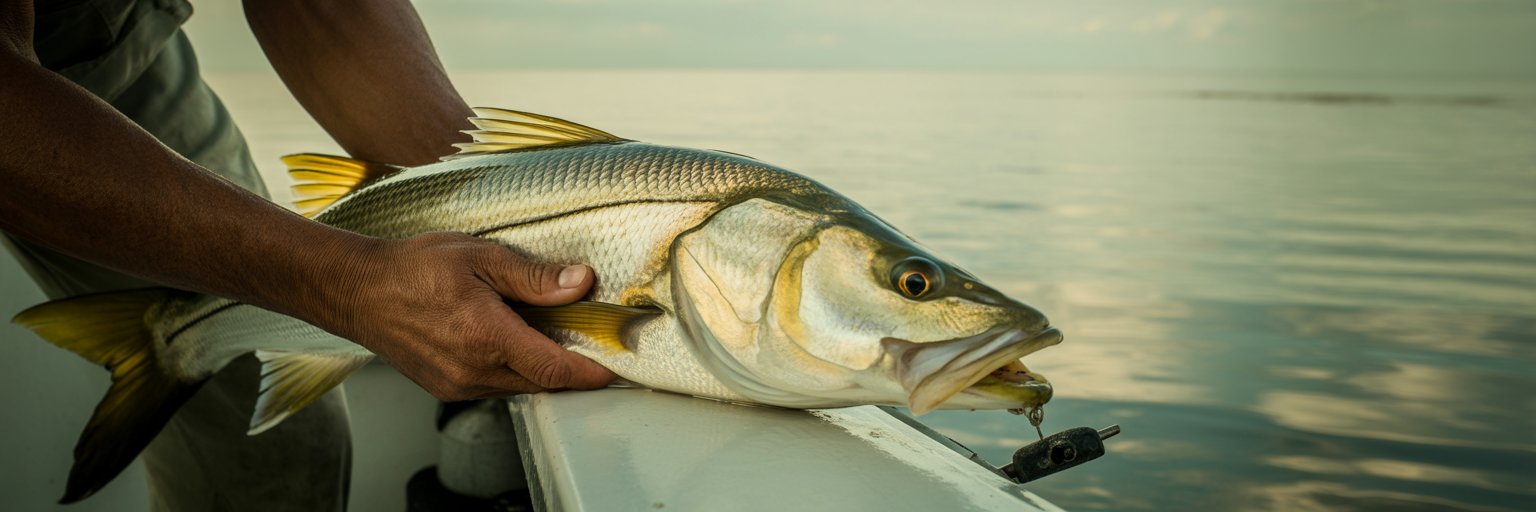
Every angler in Florida wants to see our fisheries thrive for generations. Mastering the Florida catch and release rules is not just about avoiding a ticket; it is our direct contribution to that future. Knowing the regulations and the right techniques separates a serious angler from a casual one and ensures the fish we release today are there to be caught tomorrow.
Understanding Florida Catch and Release Rules
The rules we follow on the water are not arbitrary. They are born from fisheries science and designed to maintain healthy fish populations. Think of them as a shared investment in the future of Florida fishing, ensuring our kids and grandkids can experience the same thrill of a screaming drag.
The ‘Why’ Behind the Rules: More Than Just a Mandate
Every regulation has a purpose rooted in biology. Size limits protect juvenile fish, giving them a chance to grow and reproduce. Bag limits prevent overharvesting of any single species. Closed seasons shield fish during their critical spawning periods when they are most vulnerable. Following these rules is the most direct way we, as anglers, can act as stewards of the resource. It is about respecting the fish and the ecosystem that supports them.
Decoding the Core Regulations: Size, Bag, and Season
The core of the regulations revolves around three concepts: size, bag, and season. Size limits can be a minimum length, a maximum length, or a “slot” limit, like the one for snook, where you can only keep fish within a specific size range. Bag limits define how many of a certain species you can possess per day. Seasonal closures, like those for gag grouper, protect the species during their spawning aggregations. Getting a handle on all the specific florida fishing regulations is a trip in itself, as they can change by species and location.
Gear Requirements for Survival: The Circle Hook Advantage
When fishing for reef fish with natural bait, state law requires the use of non-stainless steel circle hooks for saltwater fishing. This is not just another rule; it is a smarter way to fish. Unlike J-hooks that can gut-hook a fish, a circle hook is designed to slide to the corner of the fish’s mouth, resulting in a clean hookset that dramatically increases survival rates upon release. A non-stainless hook will also rust out quickly if you have to cut the line on a deeply hooked fish.
The Angler’s Legal Responsibility
On the water, ignorance is not an excuse. It is your responsibility to know the current rules for the species you are targeting in the area you are fishing. A true angler checks the regulations before the first cast. This commitment is what defines us. Following Florida catch and release rules is not about compliance; it is about taking ownership of our role in preserving the incredible fisheries we are privileged to enjoy.
Essential Gear for a Clean and Quick Release
Having the right release gear on board and ready to go is just as important as having the right lure tied on. Fumbling for tools while a fish is thrashing on the deck wastes critical time and reduces its chance of survival. Your release kit should be organized and accessible before the first fish ever comes over the rail.
Dehooking Tools: Your First Line of Defense
A good dehooking tool is non-negotiable. Whether it is a pistol-grip or a straight-shank dehooker, these tools allow you to quickly and safely remove a hook without putting your hands near a fish’s mouth. They provide leverage to back the hook out cleanly, minimizing tissue damage and the time the fish spends out of the water. This keeps your hands safe and the fish healthy.
The Right Net and Gripper: Protecting the Fish
Not all nets are created equal. A cheap, knotted nylon net will scrape off a fish’s protective slime coat and can damage its fins and eyes. Invest in a rubber-coated or knotless mesh net that cradles the fish gently. Likewise, lip grippers are for controlling a fish’s head at boat-side, not for hoisting it vertically out of the water. Lifting a heavy fish by its jaw can cause serious injury.
Descending Devices: A Must-Have for Offshore Anglers
If you fish in deep water for species like snapper and grouper, you will encounter barotrauma. This condition, caused by the rapid pressure change, prevents a fish from swimming back down. A descending device is a simple tool that clips to the fish’s jaw and uses a weight to return it to the bottom, where the pressure helps it recover. Tossing a bloated fish back is a death sentence; descending it gives it a fighting chance.
Line and Leader Management: Speed is Everything
Sometimes a fish is hooked too deeply for a dehooker to work effectively. In these situations, the best and fastest move is to cut the leader as close to the hook as possible. This is why using non-stainless steel hooks is so important. They will rust out in a matter of days or weeks. The goal is always a quick, clean release, and having a pair of sharp line cutters or pliers ready is essential.
Proper Fish Handling for Maximum Survival
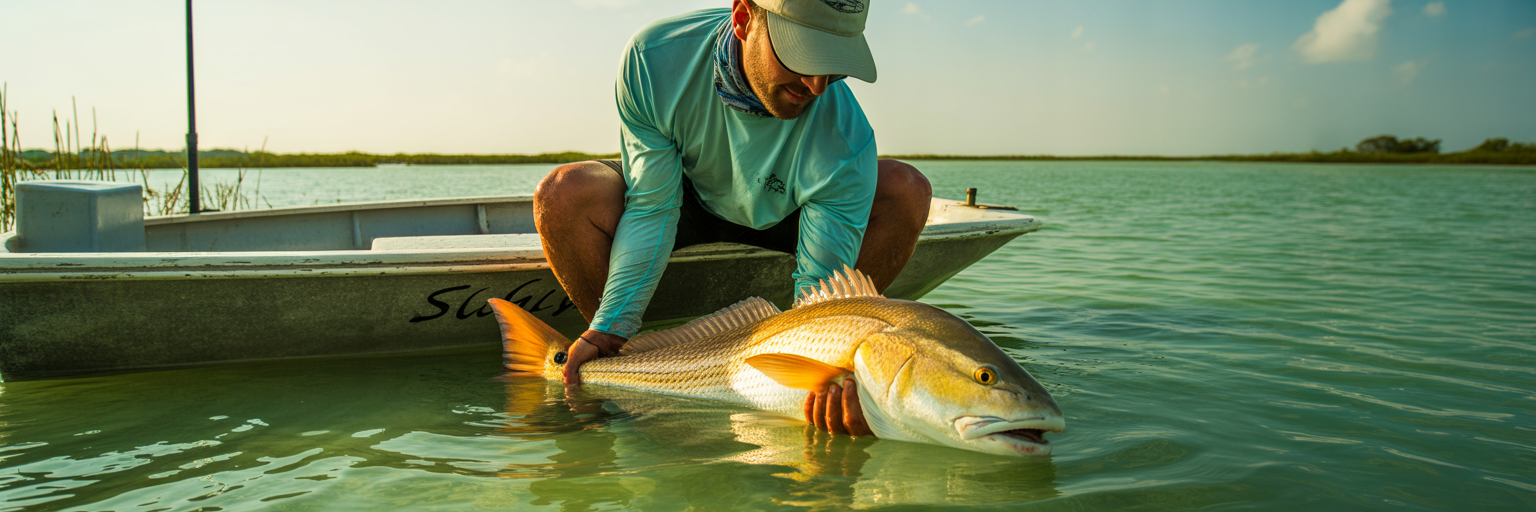
You have the right gear and you know the rules. The final piece of the puzzle is mastering the physical technique of handling a fish to minimize stress. Knowing how to release a fish properly is a skill that directly impacts the health of our fishery. It is about showing respect for your catch and ensuring it swims away strong.
The Golden Rule: Keep the Fish in the Water
The single most important thing you can do is keep the fish in the water as much as possible. The water is its life support system, and every second it spends out of it causes stress and potential injury. For large fish like tarpon over 40 inches, this is not just a best practice, it is the law. Plan for a quick photo and release at the side of the boat.
Wet Hands and Proper Support: The Two-Hand Hold
If you must handle a fish, always wet your hands first. Dry hands will remove the fish’s protective slime coat, leaving it vulnerable to infection. When lifting a fish for a quick photo, use two hands to support it horizontally. One hand should cradle the head and pectoral fins, while the other supports its belly. Never hold a fish vertically by its gills or jaw, as this can damage its spine and internal organs.
Hands Off: Avoiding Gills and Eyes
Stay away from a fish’s gills and eyes. The gills are incredibly delicate, like wet tissue paper, and even a slight touch can cause bleeding and permanent damage. A fish breathes through its gills, and injuring them is often fatal. Treat this area as a strict no-touch zone. Proper control comes from a firm grip on the jaw or head, well away from these vital organs.
Minimizing Fight Time: Match Your Tackle to Your Target
Proper release starts with the fight itself. Using tackle that is too light for your target species results in a prolonged, exhausting battle. This causes a severe buildup of lactic acid in the fish’s muscles, which can be lethal even if the fish swims away. Fight the fish hard and land it quickly. It is better for the fish and demonstrates your skill as an angler.
Managing Deep-Water Barotrauma in Reef Fish
For any angler dropping baits on offshore reefs, understanding and treating barotrauma in fish is a critical responsibility. This condition occurs when a fish is brought up quickly from deep water, causing the gasses in its swim bladder to expand. The signs are unmistakable: bulging eyes, a bloated belly, and its swim bladder protruding from its mouth. Knowing how to respond correctly is essential for the fish’s survival.
Identifying the Signs of Barotrauma
A fish suffering from barotrauma cannot return to the bottom on its own. The expanded gasses make it too buoyant, leaving it helpless on the surface. You will see its stomach pushed out of its mouth, which is actually the swim bladder, and its eyes may appear enlarged. Recognizing these signs immediately is the first step toward a successful release.
Descending vs. Venting: The Modern, Preferred Method
There are two methods to treat barotrauma: descending and venting. Descending is the superior, safer, and FWC-recommended method. A descending device is a weighted tool that clips to the fish’s jaw, rapidly returning it to the depth where it was caught. Once at depth, the pressure recompresses the gasses in the swim bladder, allowing the fish to recover and swim away naturally. According to the FWC, which has studied this extensively, descending devices are often the best choice for ensuring a fish’s survival. You can review their findings on their ‘Five things you need to remember to enjoy your day of reef fishing’ page.
The Limited and Risky Role of Venting
Venting involves using a sharp, hollow tool to puncture the fish’s body cavity and release the expanded gas from the swim bladder. While it is a legal method, it is highly invasive and requires precise knowledge of fish anatomy. An improper venting attempt can easily puncture internal organs, causing a fatal injury. It should only be considered when a descending device is not an option and you are confident in your ability to perform the procedure correctly.
| Factor | Descending Device | Venting Tool |
|---|---|---|
| Mechanism | Returns fish to depth for natural recompression of gases. | Punctures the swim bladder to release expanded gases. |
| Invasiveness | Non-invasive; clips to the fish’s jaw. | Invasive; requires puncturing the fish’s body cavity. |
| Success Rate | Very high when done correctly; less room for error. | Lower; high risk of organ damage if done improperly. |
| Required Skill | Low; easy to learn and use effectively. | High; requires precise knowledge of fish anatomy. |
| FWC Recommendation | Preferred and recommended method. | Allowed, but descending is encouraged as a better alternative. |
Mythbusting: Why You Never Puncture the ‘Stomach’
A common and deadly mistake is to see the organ protruding from a fish’s mouth and attempt to puncture it. This is the swim bladder, not the stomach. Puncturing it causes severe, irreversible injury. The correct venting location is behind the pectoral fin, and it should only be done with a proper venting tool. For the vast majority of anglers, a descending device is the safer and more effective choice.
Releasing Large and Protected Species
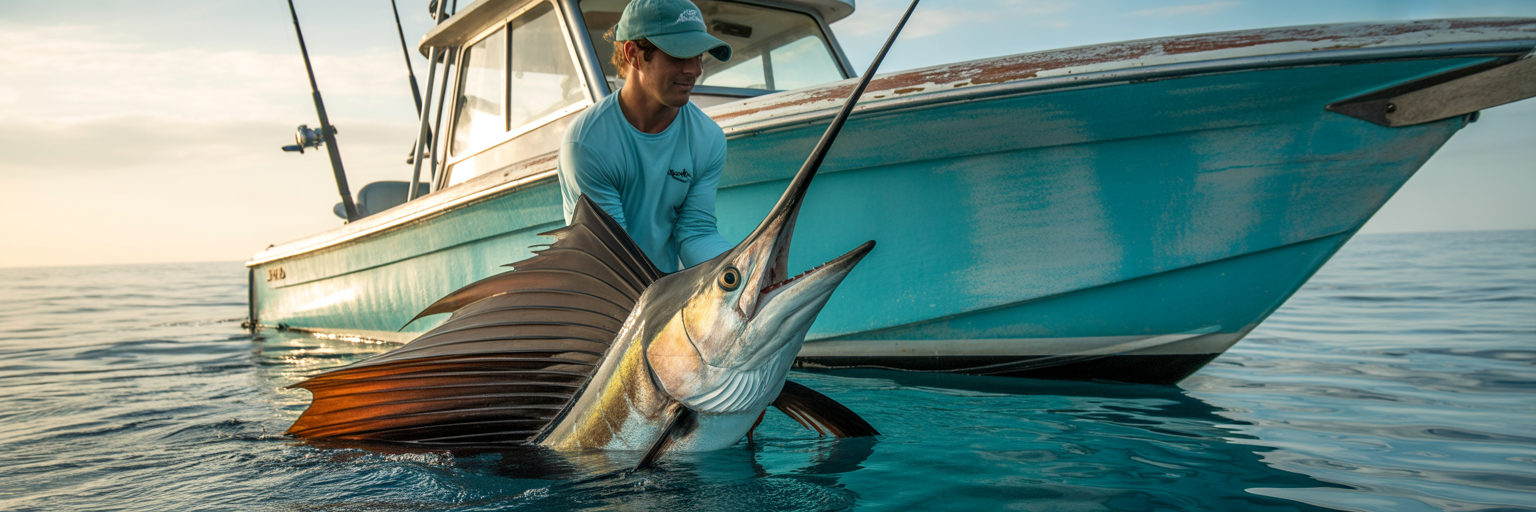
Hooking into a giant tarpon, goliath grouper, or billfish is the pinnacle of saltwater angling. These encounters come with a heightened level of responsibility. The techniques used for a 20-inch redfish do not apply here. Mastering the release of these magnificent creatures is about safety, respect, and a deep understanding of the law.
Tarpon: The 40-Inch Rule and Boat-Side Handling
The Florida law for tarpon is clear: any tarpon over 40 inches in fork length must remain in the water. This is not just a suggestion. A large tarpon’s skeletal structure cannot support its own weight out of the water, and boating it can cause fatal internal injuries. The proper technique is a boat-side release. Lead the fish alongside the boat, use a dehooker to remove the hook, and get your photo with the fish still in the water.
Goliath Grouper: A Strictly Protected Giant
Goliath grouper are strictly protected and must be released immediately. It is illegal to boat them or even lift them out of the water for a photo. The goal is to use heavy tackle to end the fight as quickly as possible, minimizing exhaustion. Once the fish is boat-side, cut the leader as close to the hook as you can and watch it swim away. These fish are a conservation success story, and it is our job to keep it that way.
Handling Sharks and Billfish: Safety for All
Releasing large sharks and billfish is as much about angler safety as it is about fish survival. For sharks, use long-handled dehookers and bolt cutters to manage heavy hooks and wire leaders. Never bring a large, green shark on board. For billfish like sailfish and marlin, the key is to leave the fish in the water, control the bill, and remove the hook. If the fish is exhausted, you may need to revive it before release.
Reviving an Exhausted Fish: The Final Step
After a long fight, a large fish may be too tired to swim away on its own. You must help it recover. To do this:
- Hold the fish upright in the water, facing into the current or with the boat moving slowly forward.
- Grip the fish firmly by its lower jaw or the base of its tail.
- Allow water to flow over its gills. You will feel it start to regain strength.
- Do not let go until the fish is kicking hard and trying to pull away from your grasp. Only then is it ready to be released.
This final step ensures the magnificent fish you just battled has the best possible chance of survival.
How to Check Current FWC Regulations
Regulations can and do change. Relying on memory or what you heard at the bait shop is a recipe for a costly ticket. Making a pre-trip regulations check part of your routine is as fundamental as checking the weather and tides. It is the mark of a prepared, responsible angler.
Your Pre-Trip Digital Checklist
Before you leave the dock, take five minutes to verify the rules for your target species and location. Management bodies can make in-season adjustments to bag limits or close a season early based on quotas. A quick digital check ensures you are always compliant and protects you from an honest mistake that could result in a fine and the confiscation of your gear.
The Official Source: MyFWC.com
The Florida Fish and Wildlife Conservation Commission website, MyFWC.com, is the definitive source for all Florida saltwater fishing regulations. Do not rely on third-party sites or forums. Go directly to the source. The FWC website has a dedicated section for saltwater fishing where you can find the most up-to-date rules for every regulated species. The FWC also provides a helpful Florida Recreational Saltwater Fishing Regulations quick chart that is worth bookmarking.
On-the-Water Answers: The FWC Fishing Rules App
For instant access to regulations while you are on the water, the official FWC fishing rules app, called Fish|Hunt FL, is an essential tool. It uses your phone’s GPS to show you the specific regulations for your exact location, taking the guesswork out of navigating complex management boundaries. Other apps like Fish Rules also provide excellent, location-based information at your fingertips.
Why You Can’t Rely on Memory: Regional Differences
Florida is a big state with different ecosystems and management zones. The rules for a species on the Gulf Coast can be completely different from the rules on the Atlantic Coast. For example, the slot limit and season for redfish vary by region, as do the open seasons for snook. Assuming the rules are the same everywhere is a dangerous mistake. Always check the regulations for the specific waters you plan to fish.
Your Role in Florida’s Fishery Health
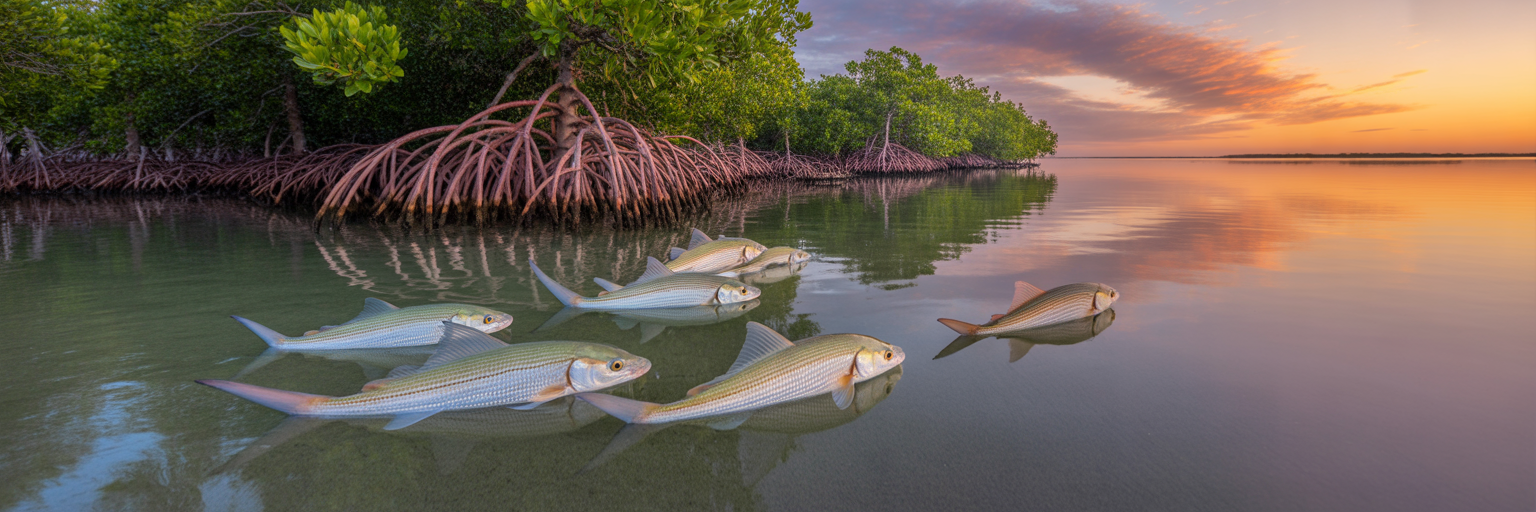
Mastering catch and release is more than just following rules; it is a fundamental part of being a saltwater angler in Florida. It represents a mindset shift from simply using a resource to actively participating in its conservation. The future of our world-class fishery depends on the collective actions of every angler on the water.
From Angler to Steward: A Mindset Shift
Properly releasing a fish is an active, positive contribution to the fishery. It is a skill to be proud of, just like making a perfect cast or tying a strong knot. When you view every release as an investment in the future, the rules are no longer a burden but a guideline for effective stewardship. This mindset is the hallmark of a dedicated and respectful angler.
The Cumulative Impact of Doing It Right
One angler releasing one fish correctly might seem like a small act. But multiply that by thousands of anglers across the state, day after day, and the impact becomes enormous. Every out-of-season snook that survives release, every undersized grouper sent back down to the reef, contributes to a healthier, more robust fish population for years to come. Our individual actions add up to a powerful collective force for conservation.
Leading by Example: Educating Other Anglers
As you become more skilled in your release techniques, you have an opportunity to lead by example. When you see another angler struggling, offer a helpful tip or lend them your dehooker. This is not about being the “fish police” but about sharing knowledge within our community. A friendly word at the boat ramp can make a real difference and help educate fellow fishermen who simply may not know better.
Beyond the Release: Protecting the Habitat
The final piece of stewardship is recognizing that a released fish needs a healthy habitat to return to. This means protecting our seagrass beds, mangroves, and coral reefs. It means keeping our waters clean and advocating for policies that ensure the long-term health of the entire marine ecosystem. By mastering the Florida catch and release rules and embracing our role as stewards, we ensure that the thrill of Florida fishing remains for generations to come.