
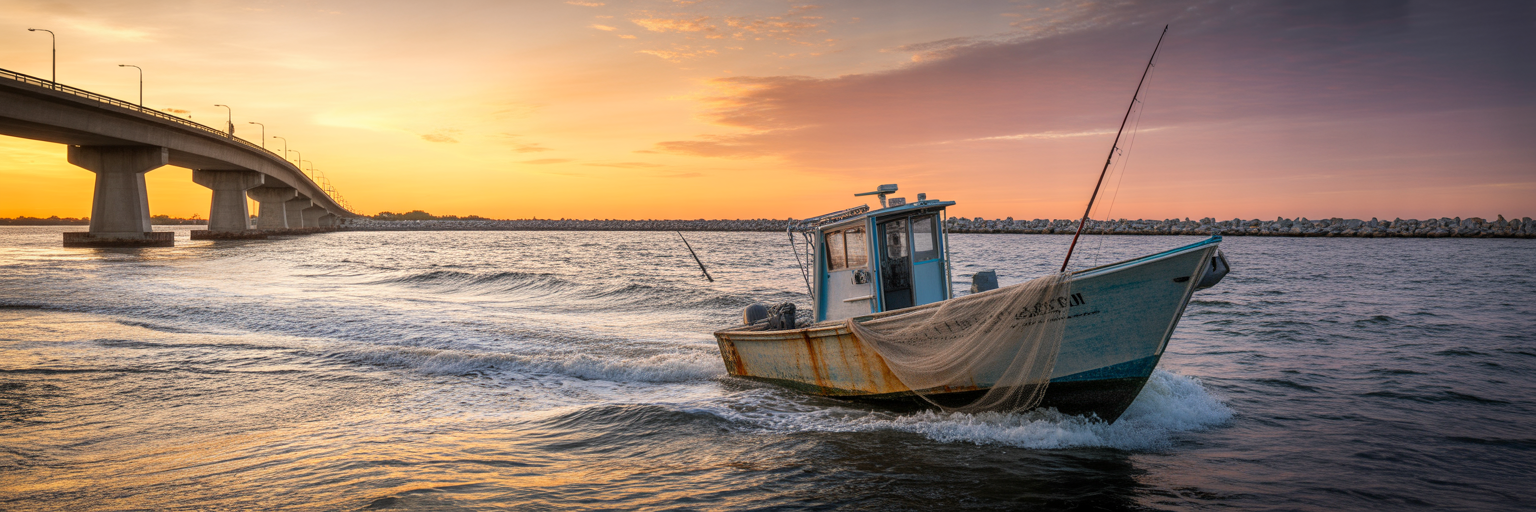
Tampa Bay’s passes are not just gaps in the coastline. They are massive natural funnels that concentrate the entire food chain, connecting the fertile backwaters of the bay with the Gulf of Mexico. For snook anglers, understanding these choke points is everything. The tide is the engine that drives this system, and the most successful anglers know that Tampa Bay Pass Tide Charts are the playbook for predicting snook behavior. These predators are intelligent and built for energy conservation. They use the current like a conveyor belt, positioning themselves perfectly to intercept an easy meal.
Knowing the times for high and low tide is just the starting point. The real skill is reading the water’s movement between those peaks and valleys. A tide chart is more than a set of numbers. It is a tool that tells you where fish will be and when they will feed. This guide will break down how to interpret incoming, outgoing, and slack tides to your advantage. We will cover how to read specific structures and the critical safety measures you need to fish these powerful waters effectively.
Using Tampa Bay Pass Tide Charts for Snook Success
The passes of Tampa Bay are immense natural funnels. They concentrate the entire food chain between the Gulf of Mexico and the bay’s vast nursery grounds. This is the fundamental reason they hold so many big snook. For anglers, the tide is the engine that powers this entire ecosystem, not just a background detail. Understanding this is the first step to consistent success. The key to unlocking this puzzle lies in using Tampa Bay Pass Tide Charts not just for times, but for strategy.
Snook are intelligent, energy-conserving predators. They will not waste effort chasing bait all over the pass. Instead, they use the current as a conveyor belt for food. They find a comfortable spot out of the main flow and wait for the tide to bring dinner to them. Your job is to think like a snook. Where is the easiest meal with the least amount of effort? The tide chart is your essential tool for predicting their every move.
Many anglers make the mistake of only looking at high and low tide times. That is beginner-level information. The real skill is in reading the flow between those points. The strength of the current, its direction, and the way it interacts with structure are what dictate snook position and feeding activity. A tide chart tells you when the water will be moving fastest and when it will slow, allowing you to anticipate the bite before it even starts.
This article will provide a clear roadmap to mastering the passes. We will break down the distinct patterns of the incoming, outgoing, and slack tides. You will learn how to read specific structures like bridge pilings and jetties. Finally, we will cover the critical safety measures needed for fishing these powerful and often crowded waters. Forget luck. Success in the passes is about preparation and strategy, and it all starts with the tide.
Decoding Incoming Tides for Pass Snook
The incoming tide is a powerful force that brings life from the Gulf into the bay. It is a push of cooler, cleaner, and higher-salinity water that wakes up the entire food chain. For snook, this change signals a specific type of feeding opportunity. Understanding the mechanics of this push is the first step to capitalizing on it.
Characteristics of the Incoming Push
As the tide turns to come in, you can often see the change. The water clarity improves, and the temperature may drop a degree or two. This clean Gulf water pushes out the warmer, often murkier water from the bay. This exchange is a dinner bell for predators, as it disorients bait and forces them into predictable locations.
Snook Positioning and Ambush Points
This is the most critical detail for the incoming tide. Snook will position themselves facing into the current, meaning they will be looking toward the Gulf. However, they will set up their ambush on the down-current (bay side) of structure. Think of a bridge piling. The water flows from the Gulf, hits the piling, and splits. The snook will be waiting in the calmer water on the backside of that piling, ready to dart out and grab anything that sweeps by. The same applies to jetty points and channel edges. They use the structure to break the current, conserving energy while waiting for a meal.
Bait Movement: What Snook are Expecting
The incoming tide carries a specific menu. This is when you will see an influx of shrimp, crabs, and smaller baitfish like glass minnows and scaled sardines being pushed in from the Gulf. Snook know this. They are not expecting large threadfin herring on an incoming tide. Matching your presentation to the available forage is crucial. The best tide for snook fishing is often the one where you are presenting the right bait at the right time.
Actionable Tactics for a Natural Presentation
To fool a pass snook on an incoming tide, your presentation must look natural. This means casting well up-current of the structure you are targeting. Let your lure or bait drift with the tide into the strike zone. This mimics how a real shrimp or baitfish would be swept along. For this work, flair hawk jigs, heavy soft plastics on a jighead, or even a free-lined shrimp are excellent choices. Their design helps them get down in the current and maintain a natural profile. Look for visual cues on the surface like current seams and eddies. These are the highways where bait is funneled and are prime ambush spots for hungry snook.
Capitalizing on the Outgoing Tide Flush
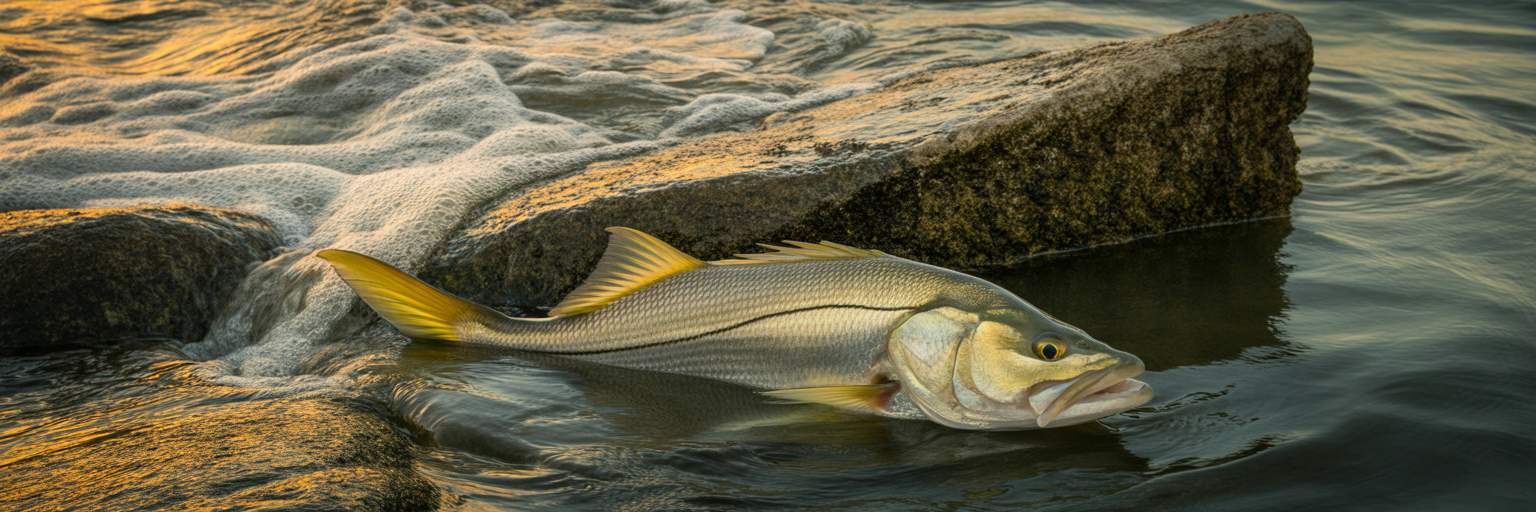
If the incoming tide is a clean push from the Gulf, the outgoing tide is the “dinner conveyor belt” from the bay. This phase flushes a massive buffet of bait out of the backwaters and estuaries, concentrating them into the narrow confines of the passes. For many experienced anglers, this is the most anticipated part of the tidal cycle.
The Dinner Conveyor Belt from the Bay
The water flowing out of the bay is typically warmer, darker, and more nutrient-rich. It carries a different class of bait than the incoming tide. This is when you will see large schools of pilchards, threadfin herring, and pinfish being pulled toward the Gulf. This exodus of larger, more calorie-rich bait is what can trigger some of the most aggressive snook fishing Tampa Bay has to offer. The snook are aware of this daily event and position themselves to take full advantage of the feast.
How Snook Reposition for the Flush
This is the complete opposite of the incoming tide. On the outgoing, snook will move to the Gulf side of the structure. They will still face into the current, which now means they are looking back toward the bay. From this position, they can intercept bait being washed out to them. A snook sitting on the Gulf side of a bridge piling during an outgoing tide has a perfect view of everything the bay is sending its way. Understanding this simple reversal in positioning is a fundamental key to success.
Why the Outgoing Often Triggers the Hottest Bite
The outgoing tide often produces a more frantic and aggressive bite for a simple reason: concentration. The bay is a massive area, but the pass is a small exit. All the bait from miles of flats and backwaters gets squeezed through this bottleneck. This high concentration of food can trigger competitive feeding frenzies among snook, tarpon, and other predators. They know this feeding window is limited, and they feed hard while the opportunity lasts.
The Critical Role of Wind Against Tide
Here is an advanced concept that separates the pros from the rest. Pay close attention to the wind direction. When you have a strong east wind blowing with a strong outgoing tide, it creates a “super flush.” The wind helps push the water and bait out even faster, further concentrating the food. As noted in guides like the one from USTideCharts, this wind-against-tide dynamic can be a powerful feeding trigger. Conversely, a west wind will fight the outgoing tide, slowing it down and potentially scattering the bait. Use this knowledge to fine-tune your timing.
Solving the Slack Tide Puzzle
Many anglers see slack tide as a mandatory break. They check their phones, eat a sandwich, and wait for the water to start moving again. That is a mistake. While the bite certainly changes, slack tide is a strategic challenge to be solved, not a time to give up. The brief period of minimal water movement requires a complete shift in tactics, but it can still be productive.
Understanding the Slack Tide Lull
Slack tide is the short interval at the peak of high or low tide when the current stops before reversing direction. The conveyor belt shuts down. Without the current delivering food, the primary feeding pattern in the passes ceases. Snook that were actively ambushing bait along current seams will not waste energy roaming in open water. They know the system is temporarily on pause.
The Shift to Energy Conservation
When the current dies, snook behavior changes instantly. They shift from active hunting to energy conservation. This means they will often retreat from their ambush stations and either suspend in the deepest available water or hold very tight to the base of structure. Their goal is to expend as little energy as possible until the current machine starts back up. They become lethargic and much less willing to chase a fast-moving lure.
Strategies for Finding the ‘Slow-Bite’ Fish
Success during slack tide is about finesse, not power. You need to adjust your approach to entice a reaction from a lazy fish. This means targeting the deepest available water near the structure you were just fishing. Look for the scour holes at the base of bridge pilings or the bottom of the channel next to a jetty. Your tactics must change too. Downsize your lures and leaders. A free-lined live shrimp, a small crab, or a soft plastic worked incredibly slowly along the bottom is your best bet. You are not trying to trigger an aggressive ambush. You are trying to put an easy, irresistible snack right in front of a snook’s nose.
The Importance of the Tide Turn
The most overlooked part of slack tide is the turn. The moments just before the current stops and just as it begins to move again are prime opportunities. This change often triggers a brief but intense flurry of activity. Be ready. Have a bait in the water as the tide begins to creep in its new direction. Fish that were dormant can suddenly switch on for a few minutes. Mastering these short windows is how you catch fish when everyone else is waiting.
Reading Pass Structure Like a Local Pro
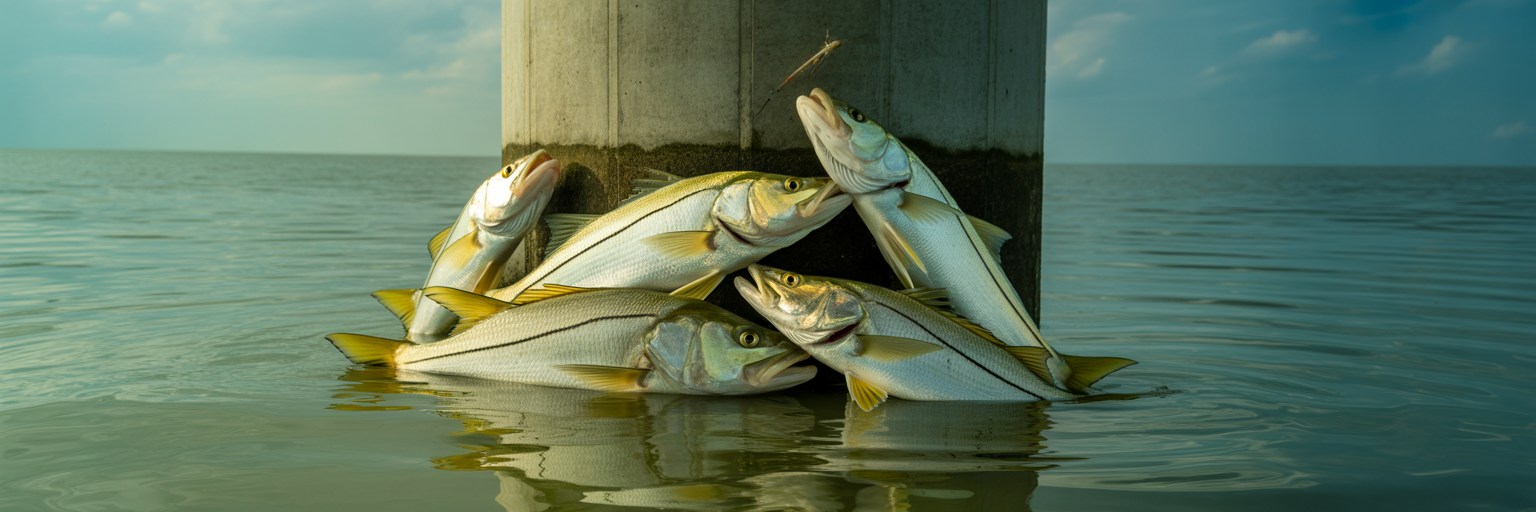
Knowing the tidal stage is half the battle. The other half is applying that knowledge to the specific structure you are fishing. Every bridge piling, jetty, and channel edge offers a different set of opportunities depending on the current. This is where you combine tidal theory with on-the-water observation to pinpoint fish.
Breaking Down Bridge Pilings
A bridge piling is a snook magnet. On an outgoing tide, focus on the up-current (Gulf) side corners. On an incoming tide, switch to the down-current (bay) side. At night, shadow lines are critical. Snook will hold in the dark and ambush bait that gets swept through the light. Do not ignore the base of the pilings. Years of current have carved out deep scour holes where trophy fish hold, especially during slack tide.
Fishing Jetties and Rock Piles
Jetties are complex structures. During the strongest parts of the tide, the main point of the jetty will be the hot spot as water rips around it. As the current slackens, or for fish seeking a break, the calmer pockets and eddies inside the jetty become more productive. Work the entire structure, probing different depths and angles until you find where the fish are holding on that particular day.
Using Channel Edges as Highways
Think of the main channel edges as snook highways. These underwater ledges are perfect travel routes and ambush points. Use your depth finder to locate these drop-offs. On an outgoing tide, snook will patrol the Gulf-side edge, waiting for bait to be flushed over the side. On an incoming tide, they will do the same on the bay-side edge. Using your electronics to visualize these drop-offs is key, but interpreting how fish will use them requires a full understanding of local fishing tide charts. Finding bait stacked up on a channel edge with your sonar is the ultimate confirmation that you are in the right spot.
Putting It All Together: A Practical Scenario
Let’s make this concrete. Imagine it is the last two hours of a strong outgoing tide at the Skyway Bridge. The current is ripping out to the Gulf. Based on everything we have discussed, where do you start? You should position your boat up-current and upwind of a major piling group. Your first cast should be to the Gulf-side corner of the lead piling, letting your heavy flair hawk jig sweep down and across the front of the structure. This is a high-percentage play when fishing Tampa Bay passes. You are putting the right lure in the right zone at the right time.
| Structure Type | Incoming Tide Position | Outgoing Tide Position | Slack Tide Behavior |
|---|---|---|---|
| Bridge Piling | Bay side of piling, facing Gulf | Gulf side of piling, facing Bay | Holding deep in scour hole at base |
| Jetty Point | Inside the point, in the first major eddy | Tip of the point, facing the open Gulf | Retreated into deeper pockets within the rocks |
| Main Channel Edge | Patrolling the bay-side drop-off | Patrolling the Gulf-side drop-off | Holding tight to the bottom of the ledge |
| Shallow Grass Flat Edge | Ambushing bait coming onto the flat | Intercepting bait being flushed off the flat | Moved off into adjacent deeper water |
Essential Safety for High-Current Pass Fishing
Let’s be direct. Tampa Bay’s passes are powerful and can be dangerous. The same currents that make the fishing great also demand your full respect and attention. Your safety, and the safety of your crew, is more important than any fish. Do not take shortcuts here. This is not the place to learn by trial and error. Following these snook fishing safety tips is non-negotiable.
The number one danger is the combination of strong current and boat traffic. Never, ever anchor from the stern. The current can grab your transom and pull it under before you know what is happening. A powerful and reliable trolling motor with a spot-lock feature is your most important piece of equipment. It allows you to maintain position without the risks of anchoring. Always keep your main engine ready to start in an instant. Boat traffic in the passes is constant and ranges from small skiffs to massive cargo ships. Maintain 360-degree awareness at all times.
Florida’s weather is notoriously volatile. A calm morning can turn into a dangerous afternoon in minutes. A sudden, strong wind shift against a ripping tide can create steep, treacherous waves with very little warning. Always have an eye on the sky and your weather radar. If a storm is building, leave early. It is not worth the risk.
Fighting a large snook near structure is another safety challenge. When you hook a big fish, it is going to immediately try to run back to the barnacles and pilings to break you off. You must be prepared to apply immediate and heavy pressure. This is no place for light tackle. A heavy action rod with 60 to 80-pound fluorocarbon leader is standard. Your goal is to turn the fish’s head and pull it into open water on the first run. If you let it get back to the structure, the fight is likely over.
Beyond the basics, your boat should be equipped for the specific challenges of pass fishing:
- A powerful and reliable trolling motor with spot-lock capability.
- A robust anchor system with at least twice the amount of rope as the depth you are fishing.
- A sharp knife within immediate reach to cut an anchor line in an emergency.
- A functional VHF radio for communicating with other vessels and the Coast Guard.
- Properly fitting, high-quality life jackets for every person on board.
- A powerful spotlight or headlamp for any low-light or night fishing.
Final Checks for Your Next Snook Trip
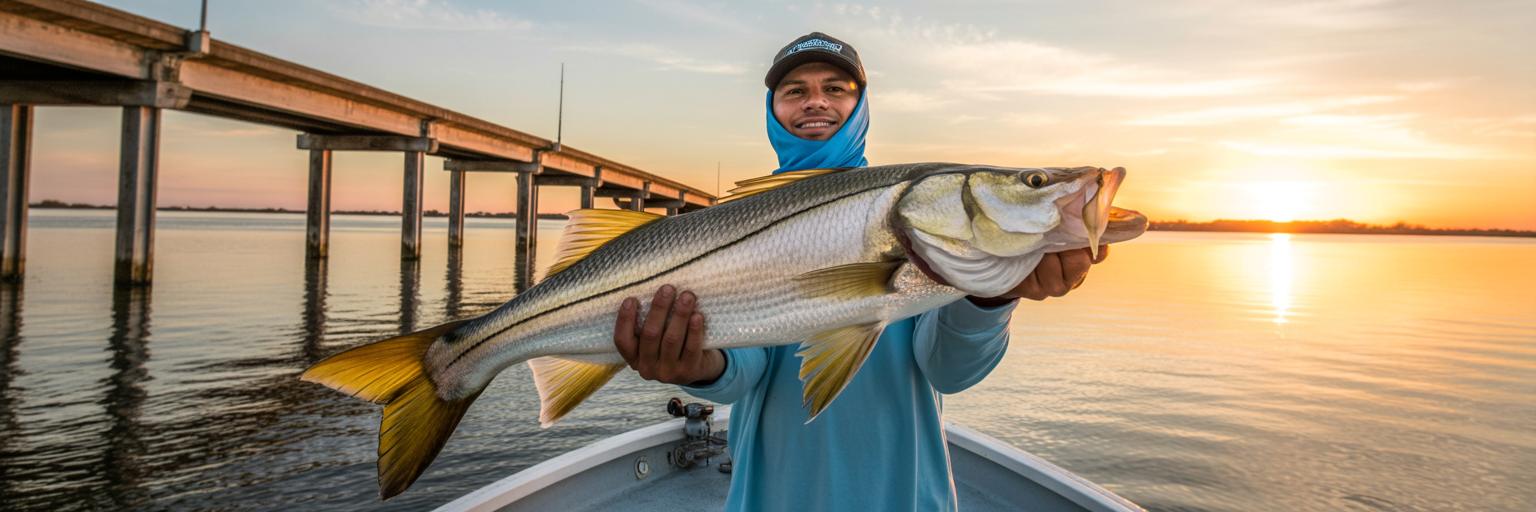
Mastering the passes is a rewarding challenge. The core lesson is simple: for pass snook, the tide is the playbook. Your success is directly tied to your ability to align your strategy with the specific tidal stage. It is about being in the right place at the right time with the right presentation. This is not luck. It is calculated execution.
Start keeping a detailed fishing log. Note the location, tide stage, wind direction, what bait worked, and where you caught fish. Over time, this personal data becomes your most valuable asset. It will reveal patterns that no chart can show you. This practice is fundamental to learning how to read tide charts for fishing on a deeper, more personal level. Your own experiences will validate or refine the general rules.
Remember that a tide chart is a prediction. Factors like strong winds or heavy rainfall can alter the timing and strength of the current. Always confirm the chart’s prediction by observing the actual water movement around you. Look at the flow around a channel marker or piling. Is the water moving? How fast? Your eyes are your best tool for final confirmation.
Applying these principles will not just help you catch more snook. It will give you a fundamental understanding of how this incredible ecosystem works. It changes you from someone who is just fishing to an angler who is truly hunting. Get out there, put in the time, and you will see measurable results in your catch rate. The fish are there. You just need to know when and where to meet them.