
We have all felt it. The solid thump of a big fish, the line coming tight, and then suddenly, nothing. A pulled hook and a lost opportunity can haunt an angler for the rest of the day. The solution to this common frustration is not a more violent hookset but a smarter piece of terminal tackle. Mastering circle hook rigs for live bait is a fundamental skill that turns strikes into landed fish. It is about precision, patience, and understanding the mechanics of a hook designed for a perfect corner-of-the-mouth connection every time.
The difference between a J-hook and a circle hook is simple but profound. A J-hook works by piercing whatever it touches first, which requires a sharp, forceful jerk from the angler to drive the point home. This is where many hookups fail. In contrast, the unique shape of a circle hook is designed to slide out of a fish’s throat and roll, catching securely in the jaw hinge as steady pressure is applied. This is the core of effective circle hook fishing techniques. It delivers an incredibly high hookup ratio while being far safer for the fish.
The biggest challenge is fighting your own instincts. The ingrained muscle memory to rear back and swing the rod is powerful. You must unlearn it. Resisting that urge feels unnatural at first, but it is the single most important adjustment for success with circle hooks. This shift in technique is not just about improving your catch rate. It is about responsible angling. For Florida’s iconic catch-and-release species like snook, redfish, and tarpon, a clean jaw hookup means a healthy release and a sustainable fishery for years to come. By understanding this principle, you are ready to build a rig that works with the hook, not against it.
The Foundation of Effective Circle Hook Rigs
Building the right rig starts with understanding that every component works together to present your bait naturally and ensure the hook can do its job. This is the blueprint for turning a live bait into an irresistible offering. Get these details right on your workbench, and you will have more confidence on the water.
Hook Selection: Sizing for Natural Presentation
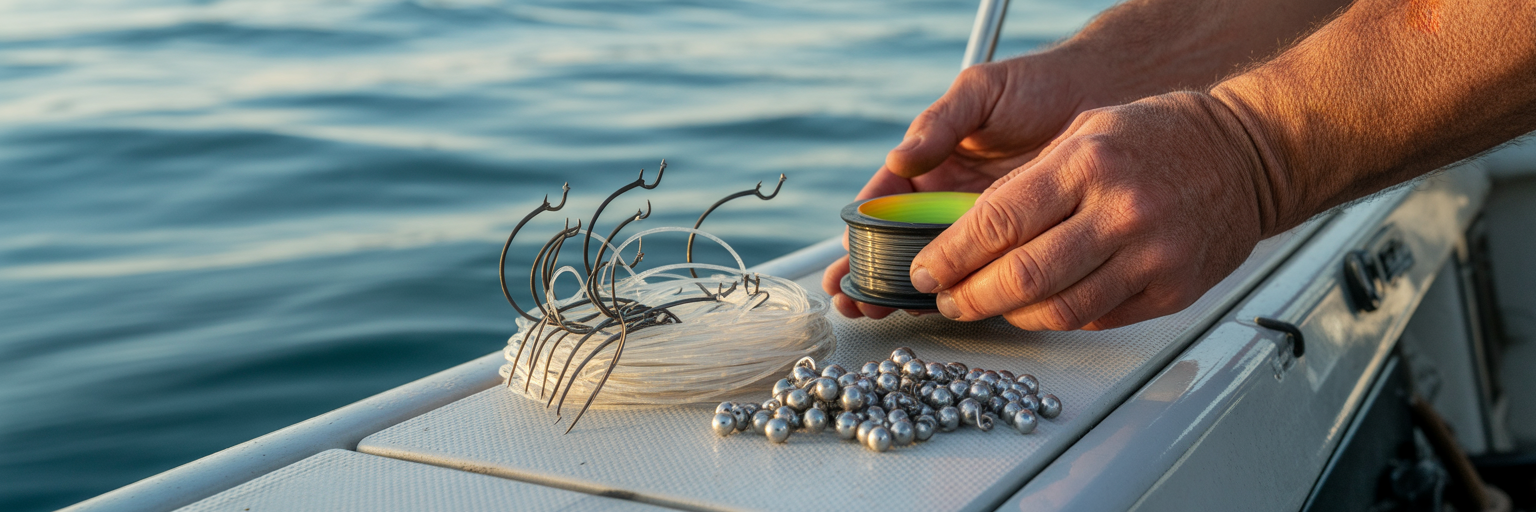
The golden rule of hook selection is simple: match the hook to the bait, not the target fish. An oversized hook will kill your bait’s action, making it look unnatural and sluggish. A hook that is too small will get lost in the bait, failing to find purchase when a fish strikes. The goal is a hook that is big enough for a solid connection but small enough to let the bait swim freely. A lively bait is a fish magnet.
Leader Line: Stealth and Strength
In Florida’s often clear inshore waters, your leader is the critical link between your main line and the fish. Fluorocarbon is the superior choice here. Its refractive index is nearly identical to water, making it almost invisible. It also offers better abrasion resistance than monofilament, which is crucial when a big snook runs you toward dock pilings or a redfish dives into oyster beds. Choosing the right leader is a fundamental component of all successful live bait fishing, as it directly impacts both stealth and strength. For open flats, a 20 to 30 pound leader is often sufficient. When targeting the best hooks for snook and tarpon near heavy structure, stepping up to a 40 or 50 pound leader provides the strength needed to control the fight.
Sinker Strategy: Just Enough to Get in the Zone
When it comes to weight, less is almost always more. The objective is to let your bait swim as naturally as possible. Free-lining, or using no weight at all, is the most effective method whenever current and depth allow. If you need to get the bait down just a few feet, a small split shot placed a couple of feet above the hook is perfect. For deeper channels or stronger currents, a knocker rig or a fish-finder rig allows the bait to move freely while keeping it in the strike zone. The key is using only enough weight to reach the desired depth without hindering the bait’s movement.
The Connection: Knots That Won’t Fail
Your entire system is only as strong as its knots. A bulky or poorly tied knot can create a weak point and even spook wary fish. For connecting your leader to your main line, an FG Knot is the top choice for its incredible strength and slim profile, which allows it to pass through rod guides without friction. For tying the hook to the leader, a Double Uni Knot or a simple loop knot provides a secure connection that will not slip under pressure. Practice these knots until you can tie them quickly and cleanly. These details are what separate functional inshore fishing rigs Florida from ones that are truly optimized for performance.
| Bait Type & Size | Recommended Circle Hook Size | Recommended Fluorocarbon Leader | Common Florida Targets |
|---|---|---|---|
| Live Shrimp (3-4 inches) | 1/0 – 2/0 | 20-25 lb | Redfish, Sheepshead, Pompano, Trout |
| Pilchards / Whitebait (3-4 inches) | 1/0 – 2/0 | 25-30 lb | Snook, Redfish, Trout, Mackerel |
| Pinfish (4-6 inches) | 3/0 – 4/0 | 30-40 lb | Snook, Grouper, Cobia |
| Finger Mullet (5-7 inches) | 4/0 – 5/0 | 40-50 lb | Big Snook, Tarpon, Jack Crevalle |
| Large Mullet / Ladyfish | 6/0 – 8/0 | 60-80 lb | Tarpon, Sharks, Kingfish |
This table provides a starting point for matching your terminal tackle to common Florida inshore baits. Adjust leader strength based on water clarity and proximity to abrasive structure like mangroves or dock pilings.
Bait Hooking Techniques for Maximum Action
Once your rig is built, the next step is learning how to rig live bait for maximum effectiveness. The way you hook your bait directly influences its movement, survival time, and how it appears to a predator. Each method has a specific purpose, and knowing which one to use can make all the difference.
Nose Hooking: The All-Purpose Standard
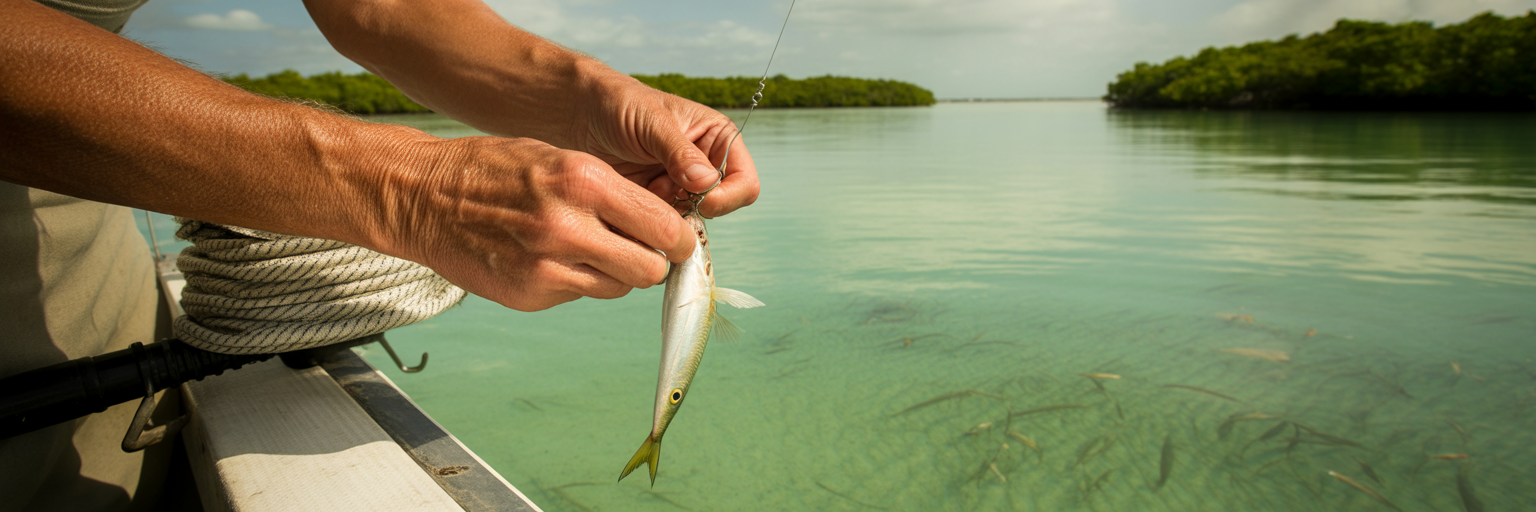
Nose hooking is the go-to method for most free-lining situations. It allows the bait to be pulled through the water headfirst, creating a very natural swimming motion. You have two options here. For casting durability, run the hook point through the hard cartilage just in front of the bait’s eyes. For a slightly more natural presentation where long casts are not needed, hook the bait up through both lips. This is the ideal technique for presenting pilchards, threadfins, and mullet in a current.
Back (Dorsal) Hooking: For Drifting and Corks
When you want your bait to swim downward or stay active under a cork, hooking it through the back is the answer. The key is precise placement. You want to insert the hook just behind the dorsal fin and above the lateral line. Going too low can hit the spine and paralyze the bait, while going too far forward can impede its movement. This method encourages the bait to struggle and swim down, making it perfect for drifting over a wreck or fishing under a popping cork on the flats.
Shoulder (Collar) Hooking: Getting Deep Without Weight
Shoulder hooking is a clever trick for getting your bait to dive without adding a sinker. By hooking the bait in the tough, muscular area right behind the gill plate, you encourage it to swim downward with a purpose. This is an excellent technique for presenting a pinfish or mullet near the bottom in moderate depths. The bait’s own swimming power takes it into the strike zone, creating a presentation that is far more natural than one dragged down by a lead weight.
Bridling: The Pro-Level Technique for Trophy Baits
For large, valuable baits like goggle-eyes, big mullet, or jumbo pinfish, bridling is the ultimate technique. It maximizes bait life and guarantees a perfect hook exposure. The process involves using a rigging needle to pass a small rubber band or floss through the bait’s eye sockets or nose cartilage. You then twist the band and loop it over the hook point. The result is a bait that can swim freely with the hook riding just above its head. This method, often highlighted in expert guides from publications like Salt Water Sportsman, ensures the hook gap is completely unobstructed, leading to a flawless hookup on even the most subtle bites from trophy fish.
The Art of the Slow and Steady Hook Set
This is where you unlearn a lifetime of habits. The single most challenging part of mastering circle hook fishing techniques is fighting the instinct to perform a hard, sweeping hookset. With a circle hook, that aggressive motion is your enemy. It will pull the hook straight out of the fish’s mouth before it has a chance to roll and find its home in the corner of the jaw.
Your preparation begins with the drag. Set it just light enough that a fish can take the bait and swim off, feeling minimal resistance. The goal is to let the fish fully commit and turn away with the bait. If the drag is too tight, the fish will feel the pressure immediately and may spit the hook before it can properly engulf the bait. You want the fish to hook itself with its own momentum.
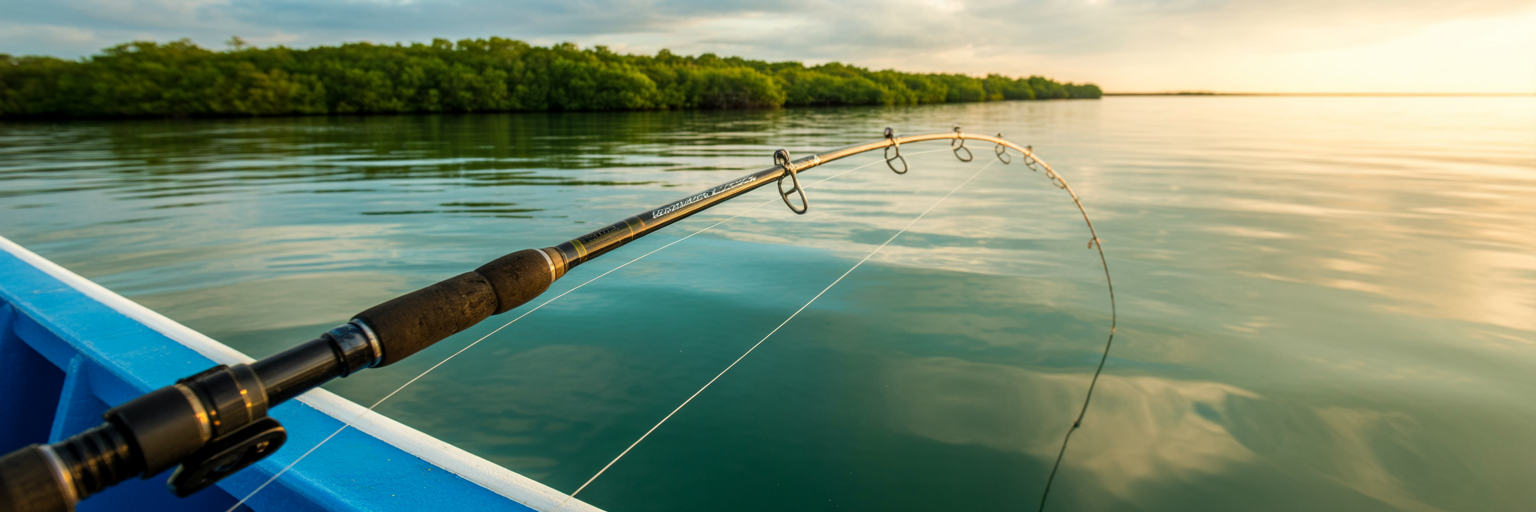
When fishing from an anchored or drifting boat, the rod holder is your best friend. This is not lazy fishing, it is strategic fishing. Placing the rod in a holder allows the entire process to unfold perfectly. The fish takes the bait, moves away, and the line comes tight. As the fish continues to swim, it loads the rod tip into a deep bend. This creates the slow, steady pressure that allows the circle hook to slide to the jaw hinge and set itself. Your job is to simply wait for the rod to be fully bent over, then calmly pick it up and start fighting the fish.
When holding the rod, the technique is known as the “reel set.” When you feel the bite and the line begins to tighten, do not swing. Point the rod tip directly at the fish to remove any slack, and simply start reeling. As you reel, the line will tighten, the rod will load, and the hook will roll into place. The motion is smooth, steady, and deliberate. Repeat this mantra on the water until it becomes second nature: Reel, don’t rear back. This patient approach is what separates anglers who consistently land fish on circle hooks from those who are constantly frustrated by missed opportunities.
Troubleshooting Common Circle Hook Problems
Even with the right technique, you will occasionally run into issues. Understanding why they happen and how to fix them is the final piece of the puzzle. Here is a practical guide to solving the most common problems you will encounter on the water.
Problem: Consistently Missing Hookups
This is the most frequent complaint from anglers new to circle hooks. If you are feeling the bite but not connecting, run through this mental checklist:
- Am I setting the hook? Be honest with yourself. The slightest jerk or sweep of the rod can pull the hook away. You must let the rod load or simply reel to set the hook.
- Is my drag too tight? If the fish feels heavy resistance immediately, it will often drop the bait. Loosen your drag to allow the fish to take the bait and turn.
- Is my hook size correct? If the hook is too large for the bait, the point may not be exposed. If it is too small, the gap may not be large enough to grab the jaw. Ensure the hook point and gap are clear.
- Am I giving the fish enough time? After the initial bite, let the fish eat and start to move away. Only apply pressure once the line is consistently coming tight.
Problem: Bait Dying on the Hook
A lively bait is essential. If your baits are dying quickly, the cause is usually one of two things. First is poor hook placement. Hooking a bait too deep or through the spine will kill it instantly. Be precise with your hooking. Second is using a hook that is too heavy for the bait. A small pilchard cannot support the weight of a heavy-gauge 5/0 hook. Match the wire gauge of the hook to the size of the bait.
Problem: The Rare Gut-Hook
Circle hooks are designed to prevent gut-hooking, but it can happen in rare instances. This is almost always caused by using a hook that is far too small for the bait and target species, allowing the fish to swallow the entire rig. It can also occur if you wait an excessively long time to apply pressure, letting the fish swim a great distance before you engage the reel. The solution is to use the appropriate hook size and to begin your slow, steady reel set as soon as the line is consistently tight and the rod begins to load.
Adapting Your Rig to Florida Conditions
Effective inshore fishing rigs Florida anglers use are not static. They must be adapted to the conditions. For example, when fishing a deep pass with heavy current like those around Tampa Bay, you may need to switch to a fish-finder rig with a one or two ounce egg sinker to keep your bait in the strike zone. Conversely, when targeting snook tight to mangrove roots, shortening your leader to 24 inches can give you the leverage to pull the fish out before it breaks you off. Always be willing to adjust your rig based on depth, current, and structure.
Applying Your Rig on Florida’s Coasts
Theory is one thing, but putting it all into practice is what counts. Let’s visualize how these circle hook rigs for live bait perform in three classic Florida scenarios. This is where technique, tackle, and patience come together to create successful outings.
Imagine a warm evening in Tampa Bay. You are anchored up-current of a dock’s shadow line, a prime ambush spot for snook. You have a lively pilchard nose-hooked on a 3/0 circle hook tied to a 30-pound fluorocarbon leader. You cast the free-lined bait so it drifts naturally along the pilings. You feel a solid “thump” and watch as the line begins to steadily peel off the spool. You fight every instinct to jerk the rod. Instead, you point the rod tip at the water, engage the reel, and start a smooth, steady retrieve. The rod doubles over as the hook finds its mark in the corner of the snook’s jaw, and the fight is on.
Now, shift to the clear, shallow flats of the Mosquito Lagoon. You are poling silently, scanning for tailing redfish. You spot one and make a quiet cast with a live shrimp hooked on a 1/0 circle hook and a 20-pound leader. There is no weight, just the shrimp ticking along the bottom. You watch as the redfish tips down, inhales the bait, and turns to move off. The line comes tight, you begin reeling, and the hook sets perfectly. The fish makes a powerful run across the flat, but the hook is secure.
Finally, escalate the stakes to the Florida Keys. You are drifting a live mullet near the Bahia Honda bridge, targeting the silver king. The rig is heavy duty: a 7/0 circle hook on an 80-pound leader. The strike is not subtle, it is an explosion. A tarpon inhales the mullet and takes to the air. Your drag screams, but it is set just right. You maintain steady pressure, bowing to the king when it jumps, and the circle hook stays planted through every violent headshake and acrobatic leap. This is the ultimate test, and your rig performs flawlessly.
These scenarios are the reward for mastering the system. To keep it simple on the water, remember these five key steps:
- Match your hook to your bait, not your target.
- Use the lightest leader and weight the conditions allow.
- Hook the bait for natural movement and maximum life.
- Set your drag light and let the fish hook itself.
- When the rod bends, just reel, don’t rear back.