

Atsena Otie Key gives Cedar Key anglers a boat-access shore option close to town. The short-looking crossing should still be treated as open water. Plan the landing, the weather window and the return before packing rods into a kayak or skiff.
Featured image: Atsena Otie Key viewed from the water near Cedar Key. Photograph dated 2011. Current access may differ. Credit: Ebyabe. CC BY-SA 3.0. Image source. Resized and converted to WebP.
Check refuge access before crossing
Atsena Otie is managed as part of Cedar Keys National Wildlife Refuge. The water-management district identifies fishing among its uses. Confirm current refuge notices and landing conditions, and stay away from closed bird habitat. Do not assume the access rules for this island apply to every nearby key.
Keep your boat or kayak clear of other landings. Wear a life jacket during the crossing and carry water, sun protection and a way to call for help. A breeze that feels pleasant on the beach can be hard work on the return paddle.
Fish the edge from firm ground
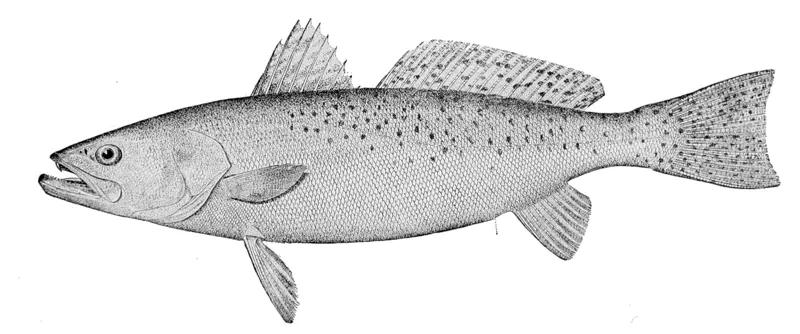
The island's shallow coastal habitat suits redfish and spotted seatrout presentations. Search for a change from sand to grass or shell that you can reach without stepping into soft bottom. Avoid walking across a broad flat simply to shorten the cast.
A shrimp under a small float can travel above snags. For lures, work a 3-inch paddletail through openings and along the edge. Use less weight if the lure is constantly dragging. Keep movements quiet in shallow, clear water.
Pack tackle that travels in one bag
A 7-foot medium spinning rod, 2500-3000 reel and 10-15 lb braid are easy to manage from a small craft. Add a 20-25 lb leader for abrasion. Carry a few hooks and light jig heads, plus pliers and spare leader in a dry container.
Secure hooks before boarding. Put only the tackle you need within reach, and keep the rest closed. A dropped packet or loose length of braid can quickly become wildlife debris on an island shore.
Make the weather window longer than the fishing window
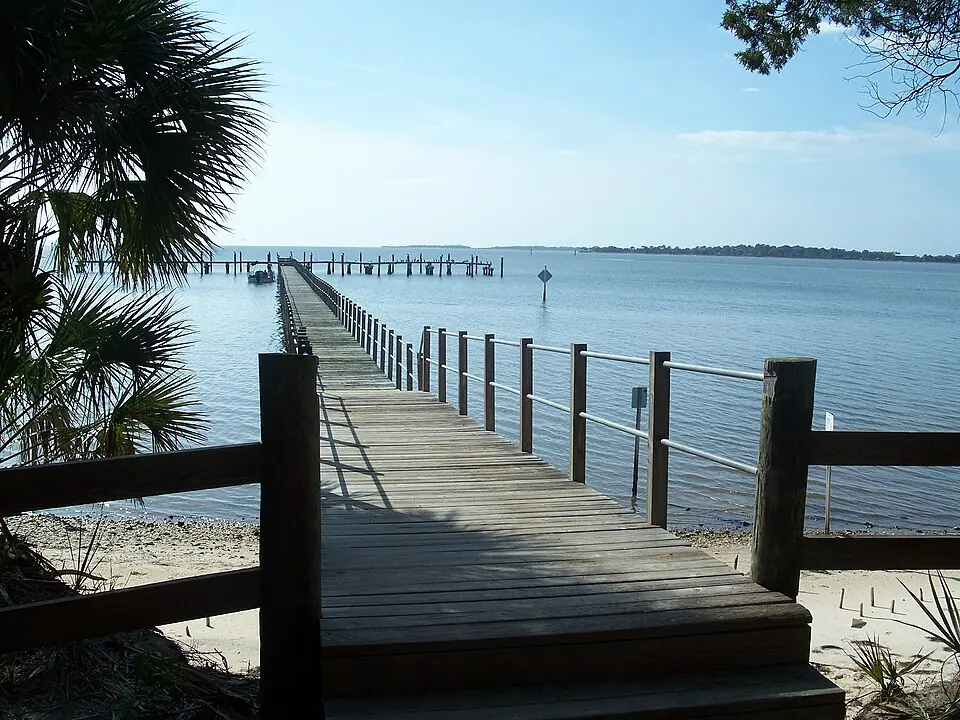
Allow time to pack, launch and cross back before conditions change. Do not count on a historical boardwalk or dock photo as proof of current access. If the crossing is unsuitable, keep the day in Cedar Key and ask about an open designated fishing facility on the mainland side of the trip.
A compact packing list
| Pack | Starting choice |
|---|---|
| Rod and reel | 7-foot medium spinning rod; 2500-3000 reel |
| Main line / leader | 10-15 lb braid; 20-25 lb leader |
| First presentation | Shrimp under a float or small paddletail |
| Bottom contact | Keep bait and lures above grass and shell |
Fish to recognize
These references help identify possible targets in the habitats discussed above. They do not document catches at this beach or guarantee that a fish is present on your visit.

Plan another nearby fishing stop
- Cedar Key Beach Fishing: City Park and Pier Options
- Keaton Beach Fishing: Shore Access and Flats Tackle
- Fort Island Gulf Beach Fishing: Access and Light Gear
Access research checked September 24, 2026, using Suwannee River Water Management District. Recheck closures and posted rules before traveling. Confirm your fishing license and current species-specific harvest rules with FWC before keeping fish.