
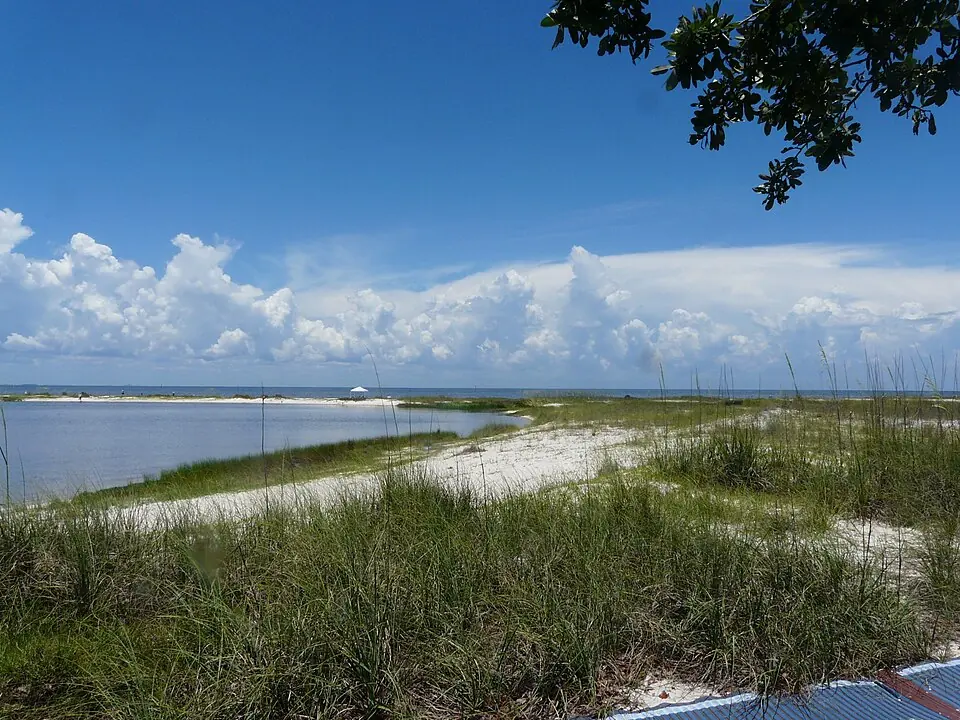
Bald Point State Park fishing is shaped by shallow Apalachee Bay water and the nearby Ochlockonee system. Expect a different outing from a deep, wave-washed Gulf beach. The useful details are water level, oyster edges and a bait that stays clear of the bottom.
Featured image: Coastal water at Bald Point State Park. Photograph dated 2021. Current access may differ. Credit: The Bushranger. CC BY-SA 4.0. Image source. Resized and converted to WebP.
Check the beach and fishing dock first
Florida State Parks lists beach access and a fishing dock here. Ask staff which areas are available on the day you visit. Use established paths and keep away from any signed habitat work or closed shoreline. Do not assume that a quiet swimming area is an empty casting lane.
The river's influence can stain the water. Look for bait activity rather than judging the whole day by water color. Oyster shell is sharp, and soft patches can sit beside firmer sand. Wear suitable footwear and fish from shore if you cannot judge the footing.
Put shrimp above the shell
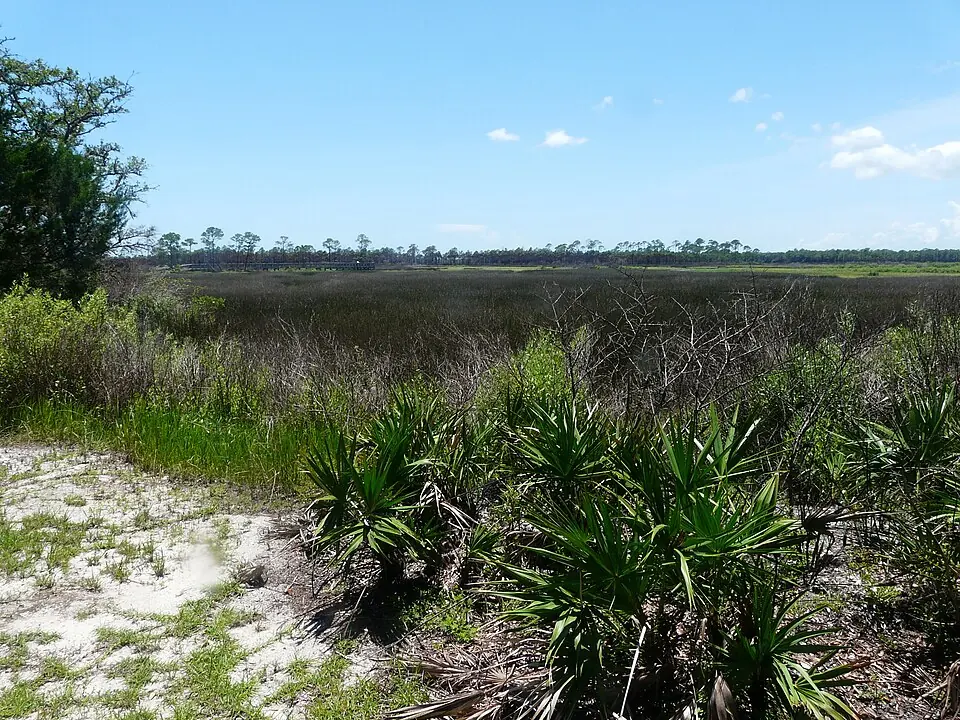
Redfish and black drum are sensible possibilities around oyster habitat. A shrimp on a small circle hook can be fished near an edge without dropping the rig into its roughest part. Keep the hook point clear and lift steadily when a fish loads the rod.
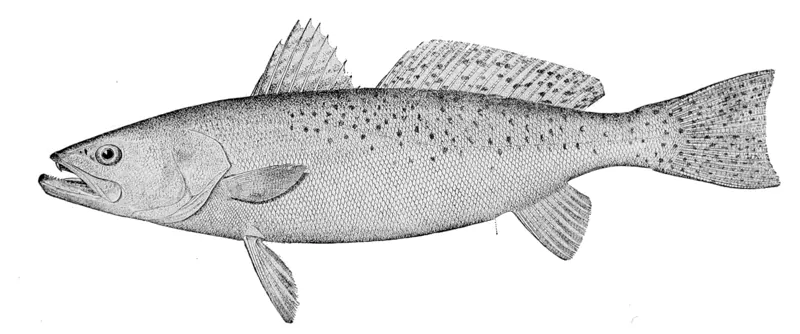
For spotted seatrout, try a shrimp beneath a float or a small paddletail worked over a sand-and-grass transition. Change float depth if the bait keeps snagging. It should travel through feeding water, not hang motionless in shell.
Favor a light inshore rod
A 7-foot medium spinning rod, 3000 reel and 15 lb braid give useful control. Start with a 20-25 lb leader and inspect it after contact with oysters. Replace a rough section before the next cast. A frayed leader is an avoidable way to lose a fish and leave line behind.
Carry a few light jig heads, small hooks and spare leader. Keep the tackle box closed on the dock so gusts cannot scatter packets. If current demands a large sinker that overloads your rod, find a gentler edge rather than forcing the rig.
Time the visit to usable water
Extremely low water can make accessible fishing space limited. A little more depth over the margins may help, but do not follow fish out across a flat you cannot safely leave. Finish in time for the park's closing hour and check the current entrance notice before setting off.
A compact packing list
| Pack | Starting choice |
|---|---|
| Rod and reel | 7-foot medium spinning rod; 2500-3000 reel |
| Main line / leader | 10-15 lb braid; 20-25 lb leader |
| First presentation | Shrimp under a float or small paddletail |
| Bottom contact | Keep bait and lures above grass and shell |
Fish to recognize
These references help identify possible targets in the habitats discussed above. They do not document catches at this beach or guarantee that a fish is present on your visit.

Plan another nearby fishing stop
- Alligator Point Fishing: Public Access and Surf Bait
- Mashes Sands Fishing: Tides, Shore Bait and Access
- Shell Point Beach Fishing: Light Tackle in Wakulla
Access research checked September 24, 2026, using Florida State Parks. Recheck closures and posted rules before traveling. Confirm your fishing license and current species-specific harvest rules with FWC before keeping fish.