
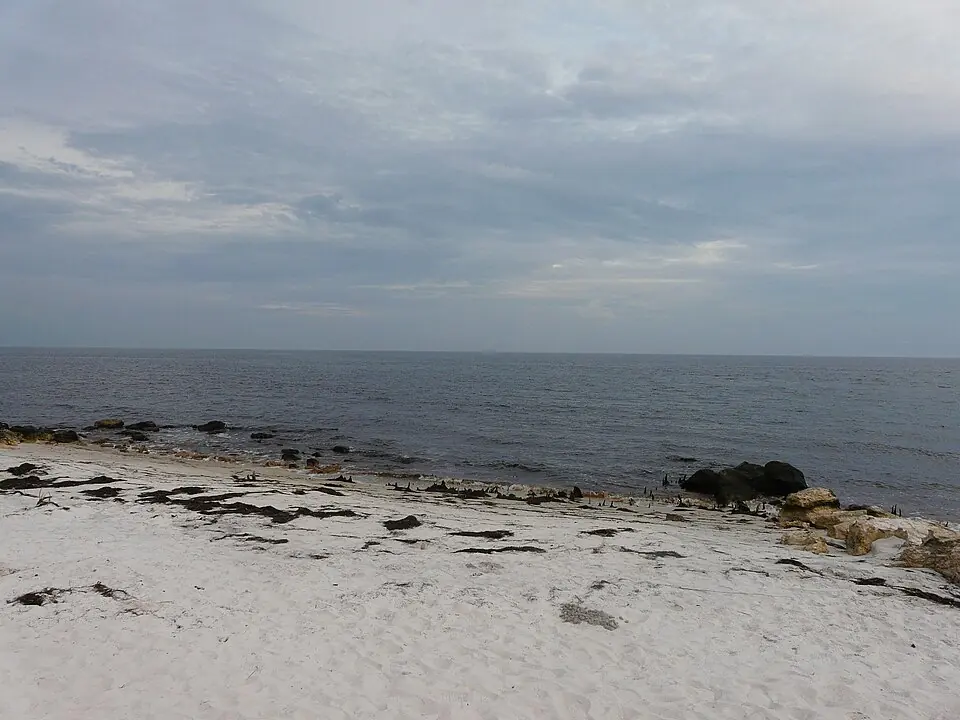
Mashes Sands fishing is about reading shallow water near Ochlockonee Bay. The beach can look very different as water levels change. Before setting a bait, find out whether a useful feeding edge is actually within reach of dry, stable ground.
Featured image: Mashes Sands beach, photographed in October 2020. Shoreline and facilities can change after storms. Current access may differ. Credit: The Bushranger. CC BY-SA 4.0. Image source. Resized and converted to WebP.
Inspect the beach before unpacking
Use the public recreation area's marked access and parking. Visit Wakulla lists beach facilities, but temporary amenities and shoreline conditions can change. Check local notices if a particular facility is essential to your visit. Keep boat-launch operations separate from your fishing setup.
Walk the accessible edge without stepping into mud. Look for a shallow drain, a sand change or baitfish movement. Water that appears ankle-deep from the bank can hide a soft bottom or a sharper drop.
Follow the water level, not just the clock
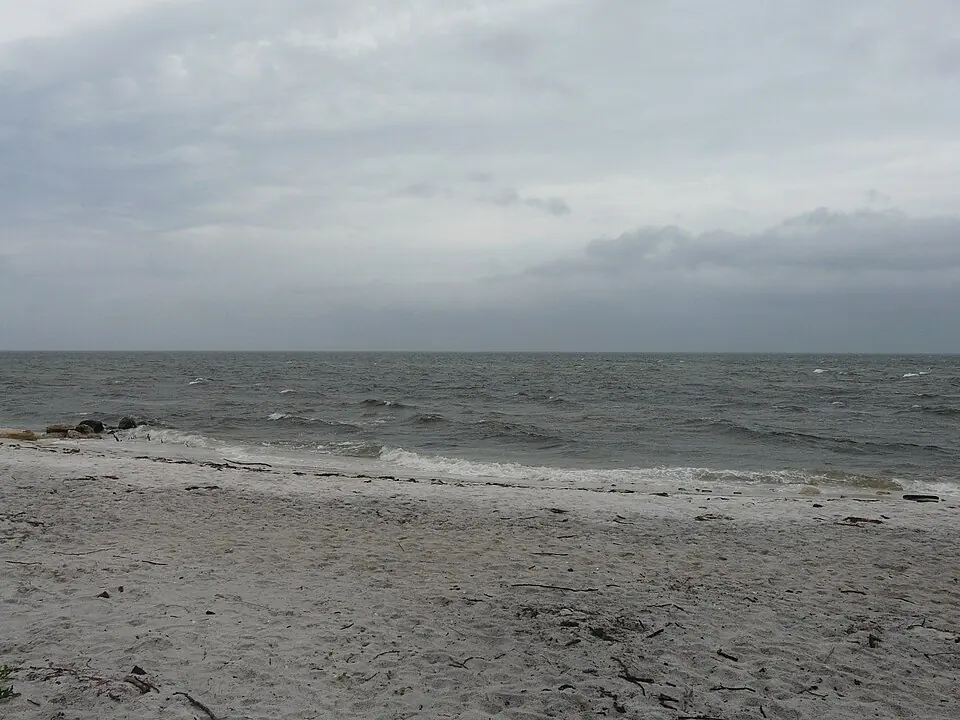
A little water over the margin can open up feeding space for redfish and trout. On a falling tide, bait may gather near a drain. Those patterns only help if you have safe footing and a clear route back. Wind can raise or lower water beyond what a tide prediction suggests.
Start with shrimp beneath a small float where the bottom is rough or weedy. Over clean sand, a light bottom rig is another option. Change depth or placement if the bait keeps fouling; leaving it hidden in vegetation rarely improves the result.
Use a light rod for precise casts
A 7-foot medium spinning rod and 3000 reel with 15 lb braid suit most calm shoreline work. Add a 20-25 lb leader. A 3-inch paddletail on a light jig head is a useful searching lure. Keep it moving above the bottom and slow down only where it can sink without snagging.
Carry a few hooks, spare leader and pliers in a small bag. Footwear with protection from shell matters more here than a large assortment of surf sinkers. Bring water and insect protection, particularly if you plan to stay while the wind drops.
Do not turn low water into a long wade
If the shoreline drains out, return at another stage rather than following the water across an unfamiliar flat. Keep clear of birds feeding along exposed margins. Shell Point and Bald Point offer other access choices, but neither removes the need to check local water level and weather.
A compact packing list
| Pack | Starting choice |
|---|---|
| Rod and reel | 7-foot medium spinning rod; 2500-3000 reel |
| Main line / leader | 10-15 lb braid; 20-25 lb leader |
| First presentation | Shrimp under a float or small paddletail |
| Bottom contact | Keep bait and lures above grass and shell |
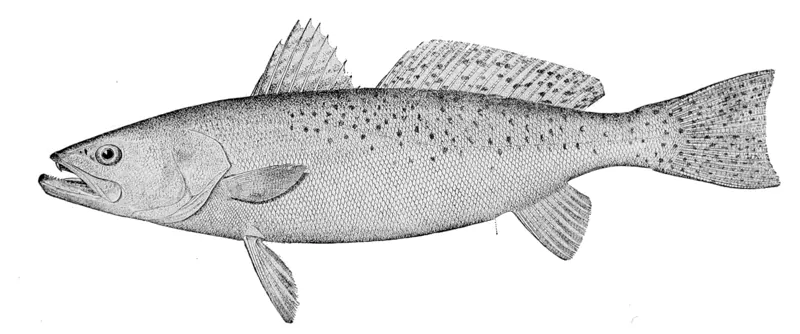
Fish to recognize
These references help identify possible targets in the habitats discussed above. They do not document catches at this beach or guarantee that a fish is present on your visit.

Plan another nearby fishing stop
- Alligator Point Fishing: Public Access and Surf Bait
- Bald Point State Park Fishing: Oyster Edges and Bait
- Shell Point Beach Fishing: Light Tackle in Wakulla
Access research checked September 24, 2026, using Visit Wakulla. Recheck closures and posted rules before traveling. Confirm your fishing license and current species-specific harvest rules with FWC before keeping fish.