
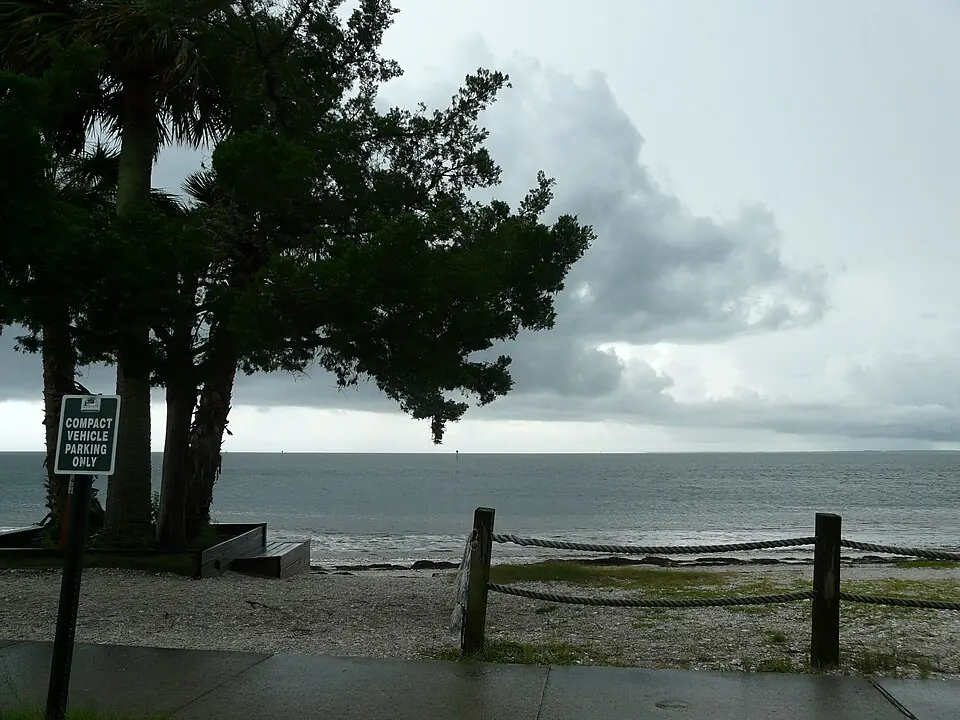
Shell Point Beach offers a shallow coastal setting south of Crawfordville. This is a place for a light inshore outfit and careful placement, not automatic long-distance surf casting. The beach is shared with swimmers and wind-powered recreation, so space is part of the fishing decision.
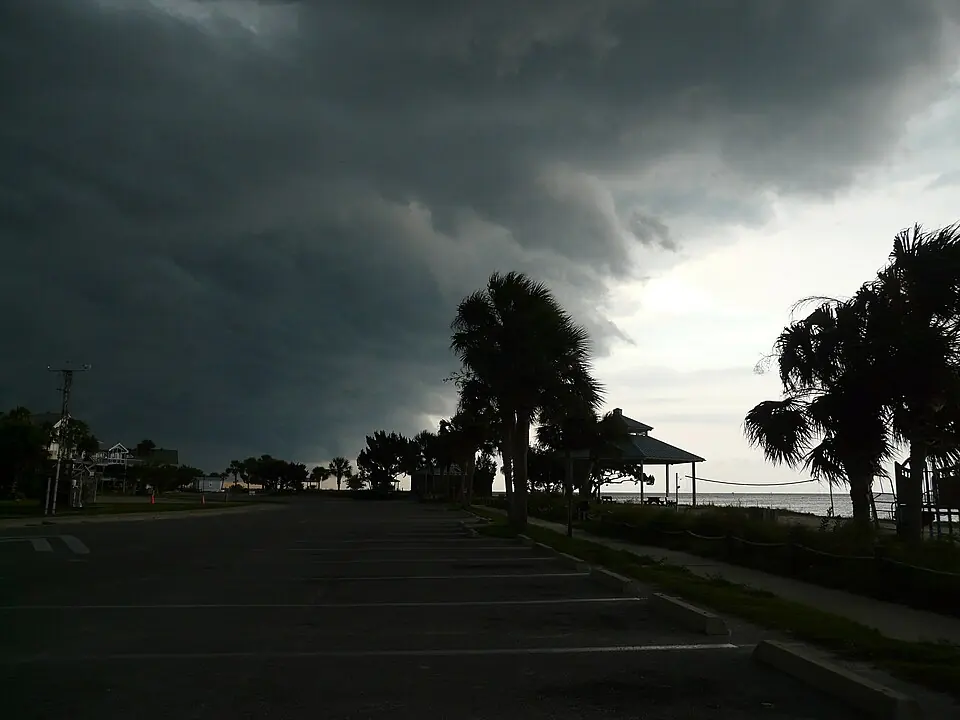
Featured image: Shell Point Beach under stormy skies. Leave exposed shorelines when thunderstorms approach. Photograph dated 2026. Current access may differ. Credit: The Bushranger. CC BY-SA 4.0. Image source. Resized and converted to WebP.
Check the activity around the access
Use the public beach entrance and current parking arrangement. Look for posted swimming and launch boundaries before choosing a place to stand. Give sails, boards and small craft a wide berth. Their turning and launching space can be larger than it first appears.
If the usable shoreline is busy, wait or choose another stop. Moving farther into shallow water does not solve a conflict with people using the same area. It may also put you over softer bottom.
Search the nearshore transitions
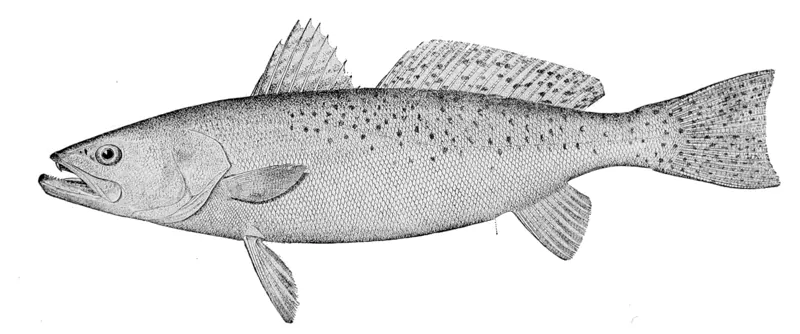
Redfish and spotted seatrout are reasonable inshore possibilities when water covers useful habitat. Look for baitfish, a sand patch beside grass or a small change in depth. Avoid treating a broad flat as though every cast lands in identical water.
Work a small paddletail slowly enough to look natural but high enough to clear grass. If visibility is poor, try a brighter lure before increasing its size. With shrimp, use a small float to hold the bait at a controlled depth and let it drift through an open lane.
Keep the tackle light and ready to move
A 7-foot medium rod, 2500-3000 reel, 10-15 lb braid and 20 lb leader are a practical start. Carry light jig heads, small hooks and a spare float. Add only the weight needed for control. Heavy lead tends to bury into shallow bottom and makes snagging worse.
Keep your reel above sand and splash. Bring pliers for quick releases and a measuring tool if you intend to keep a legal fish. Avoid handling fish with a dry towel, which can damage their protective coating.
Watch wind as closely as tide
The same breeze that draws windsurfers can make casting awkward. A strong offshore wind also lowers some shallow margins and makes a return paddle harder. Stay within the conditions you can manage. If thunder develops, pack up and reach a vehicle or substantial shelter rather than waiting on an exposed shoreline.
A compact packing list
| Pack | Starting choice |
|---|---|
| Rod and reel | 7-foot medium spinning rod; 2500-3000 reel |
| Main line / leader | 10-15 lb braid; 20-25 lb leader |
| First presentation | Shrimp under a float or small paddletail |
| Bottom contact | Keep bait and lures above grass and shell |
Fish to recognize
These references help identify possible targets in the habitats discussed above. They do not document catches at this beach or guarantee that a fish is present on your visit.

Plan another nearby fishing stop
- Mashes Sands Fishing: Tides, Shore Bait and Access
- Bald Point State Park Fishing: Oyster Edges and Bait
- Hagen's Cove Fishing: Shallow Flats Near Steinhatchee
Access research checked September 24, 2026, using Visit Wakulla. Recheck closures and posted rules before traveling. Confirm your fishing license and current species-specific harvest rules with FWC before keeping fish.