

Hagen's Cove is a shallow Big Bend shore, not a deep sandy surf beach. Near Steinhatchee and Keaton Beach, it suits anglers who pay attention to water level and bottom type. Bring light tackle and treat the exposed flats as habitat, not a walking route to distant fish.
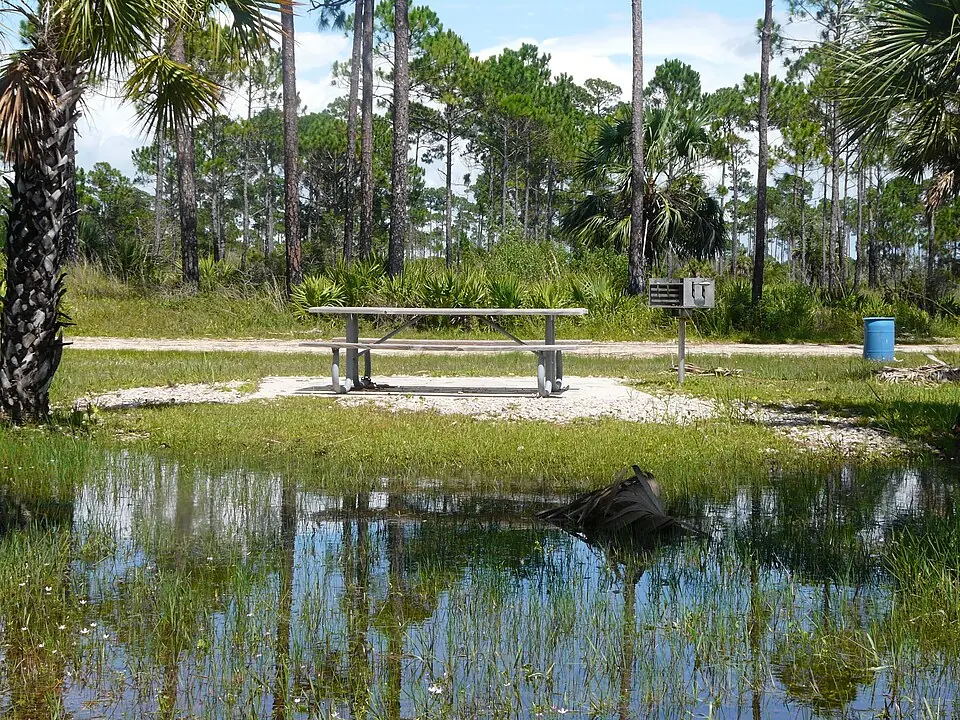
Featured image: Shallow coastal water and shoreline at Hagen's Cove. Photograph dated 2022. Current access may differ. Credit: Chastizement. CC BY-SA 4.0. Image source. Resized and converted to WebP.
Start at the recreation area
Hagen's Cove lies within the Big Bend wildlife-management landscape. Use the designated access and check current FWC area information before traveling. A map of a paddling route does not establish where a vehicle can drive or where overnight use is allowed.
Look over the shore before launching or wading. Low water can make the useful fishing edge much farther away than expected. Shell and soft bottom can interrupt an apparently easy route. Fish from a firm edge or a properly equipped craft rather than wandering into unknown mud.
Keep lures above the flats
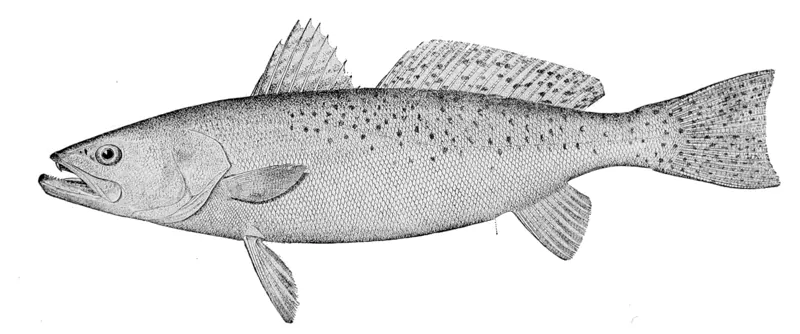
Spotted seatrout and redfish are realistic habitat-based targets. Cast a small paddletail across a sand opening or along a grass edge. Use a light jig head and retrieve it just above the vegetation. A weedless hook helps when floating grass collects on exposed hooks.
A shrimp below a float is a useful alternative. Set the depth to the actual water level so the bait stays in view of feeding fish. If it drags, shorten the distance below the float rather than making a harder cast.
A compact inshore outfit fits the cove
Use a 7-foot medium rod, a 2500-3000 reel and 10-15 lb braid with a 20 lb leader. Pack spare soft plastics, light jig heads and a few small hooks. A long surf rod and heavy sinkers do little for a shallow grass-flat presentation.
Take drinking water and footwear suitable for shell. If using a kayak, wear a life jacket and plan the return against wind and tide. A short distance on the map can feel very different on an exposed coast after the breeze rises.
Do not confuse fishing with scalloping
Scallop harvesting has its own seasons, boundaries and rules. Seeing people in the water does not mean harvesting is open or that their route is safe for you. For this fishing trip, focus on a reachable edge with enough water and leave the flat undisturbed when conditions do not suit it.
A compact packing list
| Pack | Starting choice |
|---|---|
| Rod and reel | 7-foot medium spinning rod; 2500-3000 reel |
| Main line / leader | 10-15 lb braid; 20-25 lb leader |
| First presentation | Shrimp under a float or small paddletail |
| Bottom contact | Keep bait and lures above grass and shell |
Fish to recognize
These references help identify possible targets in the habitats discussed above. They do not document catches at this beach or guarantee that a fish is present on your visit.

Plan another nearby fishing stop
- Keaton Beach Fishing: Shore Access and Flats Tackle
- Shell Point Beach Fishing: Light Tackle in Wakulla
- Atsena Otie Key Fishing: A Cedar Key Island Trip
Access research checked September 24, 2026, using Florida Fish and Wildlife Conservation Commission. Recheck closures and posted rules before traveling. Confirm your fishing license and current species-specific harvest rules with FWC before keeping fish.