

Every angler has a story. It might be about the one that got away, the sunrise over a glassy lake, or the quiet wisdom shared between friends on a riverbank. These narratives are the true trophies of our sport. While a photo of a big catch is great, the real heart of fishing lies in connection. It is a pursuit that binds us together, and the most powerful inspiring angler tales are not about personal bests but about shared moments. These stories are like the currents connecting different bodies of water, creating a universal bond among people who love to fish.
This shift in perspective, from counting catches to valuing connections, is what defines the soul of angling. The friendships forged while waiting for a bite and the laughter shared over a tangled line often outlast the memory of any single fish. These are the experiences that build the foundation of our community. In the sections that follow, we will explore real examples of how these powerful connections are made, from remote islands to our own backyards.
Angling as a Bridge Between Cultures
Fishing has a remarkable ability to dissolve boundaries. When you have a rod in your hand, language and cultural differences often fade into the background, replaced by a shared passion for the water. This is more than just a hobby, it is a powerful tool for global connection. Programs around the world are proving that angling can create genuine partnerships that benefit both visiting anglers and local communities. The focus shifts from simple recreation to a two way exchange of knowledge and respect.
As highlighted in a Fly Fisherman magazine article about Guanaja, initiatives like Fish for Change exemplify this spirit. Visiting anglers do not just hire local guides, they partner with them, learning traditional skills and participating in vital conservation work like mangrove planting. This collaborative approach transforms a fishing trip into an exercise in shared stewardship, where the health of the ecosystem becomes the common goal. It is a perfect example of fishing and conservation working hand in hand. Learning about new ecosystems and species, like those detailed in our profile on the mighty tarpon, becomes a richer experience when shared with local experts.
This kind of cultural exchange produces incredible outcomes:
- It builds genuine partnerships between visitors and local guides, founded on mutual respect.
- It prioritizes ecological health and shared purpose over individual catch numbers.
- It creates a deeper appreciation for different angling traditions and the ecosystems they depend on.
When we approach our sport with this collaborative mindset, we help build a vibrant and interconnected global fishing culture.
Passing Down a Legacy on the Water
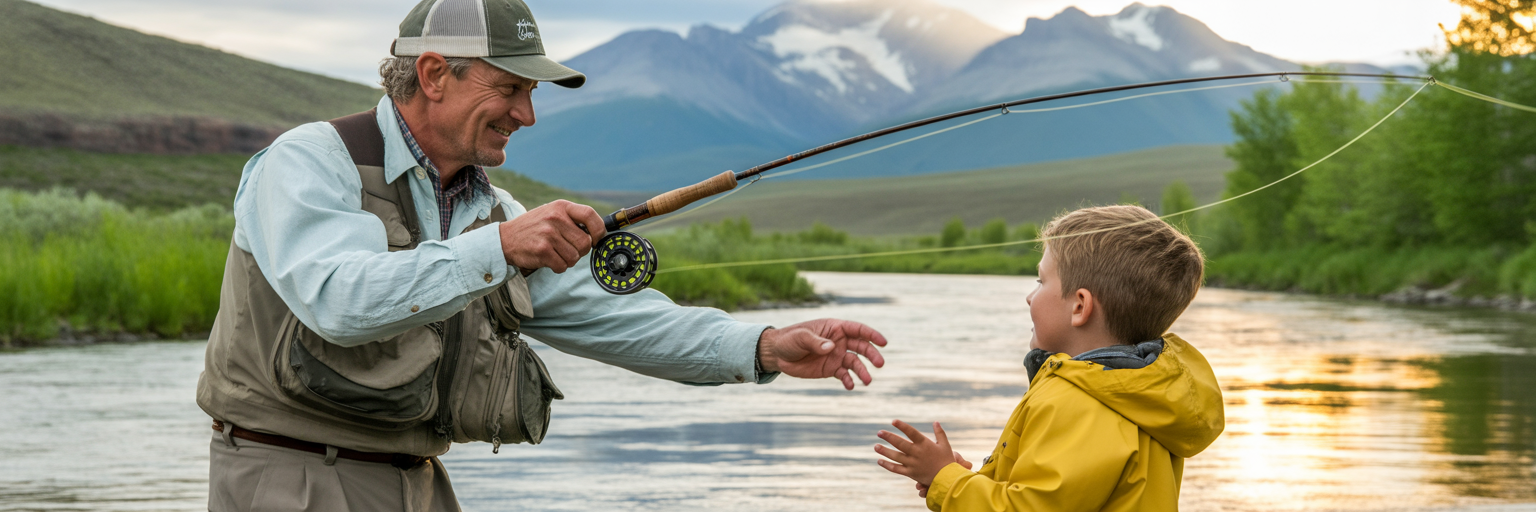
While some connections span oceans, others are forged right at home, passed down from one generation to the next. In tight knit communities, fishing is more than a pastime, it is a living heirloom. It is the way traditions, ethics, and a deep love for the outdoors are handed down. This intergenerational transfer of knowledge is what keeps the spirit of angling alive and well. It is where the most valuable lessons from seasoned anglers are taught, not in words but through shared experience.
In places like Montana’s Big Hole River valley, this legacy is the heartbeat of the community. As stories from the Big Hole River Foundation show, teaching a youngster how to read the water or tie a fly strengthens social bonds and instills a profound respect for the environment. Conservation is not an abstract policy here, it is a personal responsibility born from a shared heritage. When a river’s health is woven into a community’s identity, protecting it becomes a collective mission. This local knowledge translates into real world success, much like the insights found in our recent report on redfish on the flats.
These moments on the water, a grandparent showing a child how to cast, or a mentor explaining the importance of catch and release, are what ensure the values of our sport endure. It is in these quiet acts of teaching that the soul of fishing is passed on, guaranteeing that future generations will be there to care for the waters we all love.
Resilience and Advocacy in Fishing Groups
The angling life is not always serene sunrises and calm waters. For many, fishing is tied to livelihood, identity, and even survival. Around the world, small scale fishing communities face immense pressure from industrial operations that threaten both the environment and their way of life. In these situations, the act of building community through fishing takes on a new meaning, becoming a source of strength, resilience, and powerful advocacy.
In South Africa, for example, artisanal fishers have organized to protect their traditional fishing grounds and sustainable practices. Their fight is not just for resources, it is for the preservation of their cultural identity. These groups use their deep, generational knowledge of the ocean as their most powerful tool, advocating for methods that respect ecological limits. Their shared struggle against overwhelming industrial pressure forges an unbreakable sense of community. They stand together, their bond strengthened by a common fight for the right to fish sustainably.
| Factor | Artisanal & Community Fishing | Industrial-Scale Fishing |
|---|---|---|
| Guiding Principle | Sustainability and ecological respect | Volume and profit maximization |
| Community Impact | Supports local livelihoods and food security | Often displaces local fishers and economies |
| Knowledge Base | Generational, indigenous, and ecosystem-specific | Technology-driven and data-focused |
| Method | Low-impact, selective gear | Large-scale, often non-selective methods (e.g., trawling) |
| Relationship to Resource | Stewards of a shared heritage | Exploitation of a commodity |
This table contrasts the core philosophies and impacts of community-based artisanal fishing with industrial operations, highlighting the different values that guide each approach.
This resilience demonstrates that the bonds formed through fishing can be a powerful force for positive change, protecting both people and the planet.
Preserving Angling Narratives for the Future
With every cast and every trip, we are creating the next chapter of angling history. These stories, filled with wisdom, technique, and a pure love for the outdoors, are too valuable to be lost. In our digital age, we have an incredible opportunity to actively preserve this rich oral history for generations to come. Initiatives are emerging to create archives where these narratives can live on, ensuring the heart of our sport continues to beat strong.
These platforms are more than just collections of tales, they are living repositories of our collective identity. They safeguard the fishing community stories that define who we are as anglers. But preservation is a team sport, and every one of us has a role to play. We can all contribute to this important mission by taking a few simple, actionable steps. The goal is to not only listen to the stories of others but to get out there and make your own, armed with the right tools like those in our essential gear guide for Florida inshore.
Here is how you can help keep our angling heritage alive:
- Share Your Stories: Make it a point to tell your fishing tales. Share them with friends, family, and especially with younger anglers who are just starting their journey.
- Document Your Trips: Keep a journal, take photos, or record short videos from your time on the water. These details bring a story to life and capture the small moments that matter most.
- Support Preservation Platforms: Engage with and contribute to online archives and communities dedicated to curating and sharing angling narratives.
See your own experiences as part of this larger, collective history. Your story matters. By sharing it, you help ensure the spirit of fishing will inspire anglers for years to come.
The True Reward of Shared Hardship
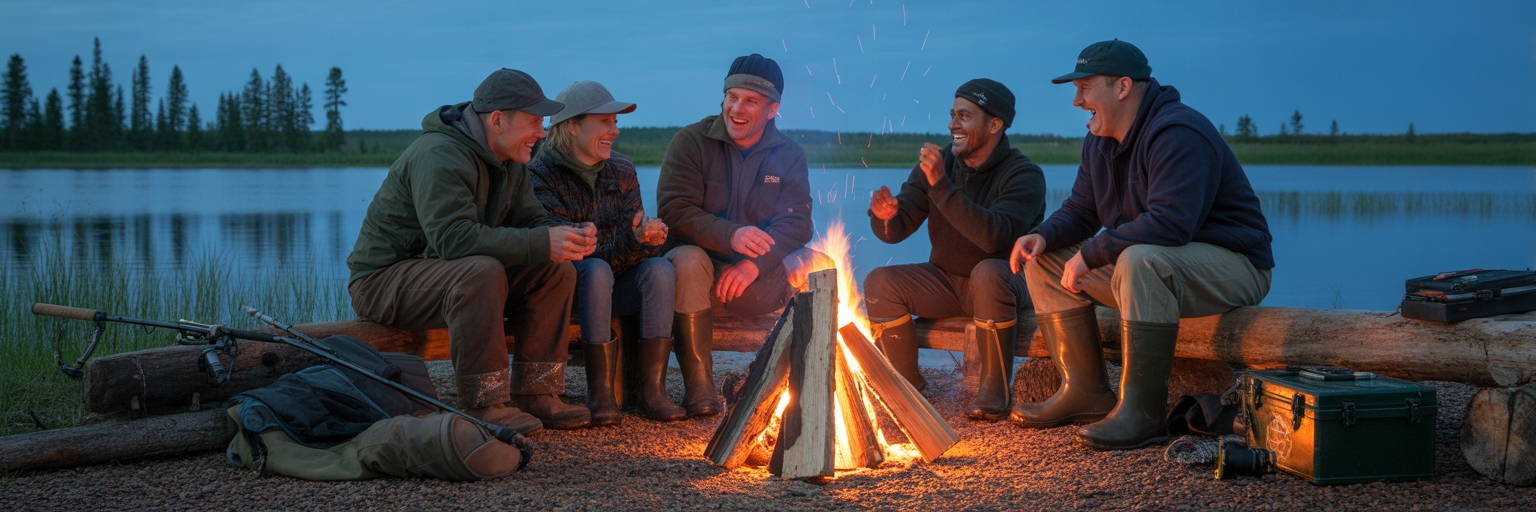
When we look back on our most memorable days of fishing, they are not always the ones with perfect weather and easy catches. More often, they are the days that tested us. The trips with sudden storms, tangled lines, stubborn fish, and unexpected challenges are where the real magic happens. These moments of shared hardship are the forge where the strongest bonds of camaraderie are built. They teach us patience, resilience, and the importance of teamwork.
There is an alchemy that happens on the water when things go wrong. A tough day often creates more lasting memories and deeper friendships than a day of effortless success. The shared laughter after a frustrating miss, the teamwork required to navigate a tricky spot, or the collective cheer when a tough day turns into a great one, like when the blackfin bite heats up after a long wait, are the moments that stick with us. These experiences are the foundation of our community.
In the end, the true reward of angling is not measured in pounds or inches. It is measured in the connections we make and the memories we create. The community we build and the stories we share are the trophies that last a lifetime. That is the ultimate expression of the angling spirit.