

Florida’s waters pull anglers from across the globe. The chance to sight-fish redfish on the flats or battle a mahi offshore is a powerful draw. But before you make your first cast, you need to get the rules straight. The most important rule for any visitor is understanding the nonresident Florida license. It is your ticket to fish legally, and getting it wrong is a quick way to ruin a trip. Let’s cut through the confusion and get you on the water, compliant and confident.
Your 2026 Nonresident Florida License Explained
Think of this as your pre-trip briefing. Getting the license part right from the start means you can focus on what matters: finding and catching fish. The regulations are strict, but they are also straightforward once you know what to look for.
Who Needs a Nonresident License
The definition is simple. If you are 16 years of age or older and do not have legal Florida residency, you are a nonresident. It does not matter if you own property here or visit every year. Your home state’s fishing license has zero authority in Florida waters. If you are not a certified Florida resident, you need a nonresident license to fish in saltwater.
The Core Requirement: Saltwater is Not Free
This is the single most important point for any visiting angler. Florida residents get a free shoreline fishing license. Nonresidents do not. This is a common and costly mistake. If you are an out-of-state visitor casting from a beach, jetty, bridge, or seawall, you are required to have a paid nonresident saltwater fishing license. There are no exceptions to this rule.
What a Basic License Covers
Your standard nonresident saltwater license allows you to use a rod and reel to target and harvest most of Florida’s common saltwater species. This includes redfish, spotted seatrout, flounder, sheepshead, and many others, provided they are in season and meet size and bag limits. It is the foundational permit you must have. However, it does not cover everything. Highly sought after species like snook and spiny lobster require additional permits, which we will cover later.
Proof of License: Digital vs. Physical
The Florida Fish and Wildlife Conservation Commission (FWC) allows you to carry your license digitally. You can use the official FWC app or even a clear screenshot on your phone. This works great until you are in a backcountry creek with no cell service or 20 miles offshore when an FWC officer pulls alongside. For this reason, always have an offline version. A screenshot saved to your phone’s photos or a printed copy tucked into a waterproof bag is smart insurance. It proves you are compliant, even when technology fails.
Choosing and Buying the Right License for Your Trip
Now that you know you need a license, the next step is getting the right one for your specific trip. Choosing correctly saves you money and hassle. Making the wrong choice can mean a wasted morning trying to find a vendor when you should be on the water.
Short-Term vs. Annual Licenses: A Cost-Benefit Breakdown
Florida offers several options for nonresidents. You can buy a 3-day, 7-day, or annual saltwater license. The choice depends entirely on your fishing plans. A 3-day license is perfect for a long weekend trip. The 7-day license covers a full week’s vacation. The annual license is where you find the real value. If you plan on making two separate week-long trips within 12 months, the annual license is already the more economical choice. Do the math before you buy.
How to Purchase: Online vs. In-Person
This is a critical detail that trips up many visitors. The 3-day and 7-day short-term licenses can only be purchased in person from a licensed agent. This includes most tackle shops, sporting goods stores, and county tax collector’s offices. The annual license, however, can be purchased online. Understanding how to get a Florida fishing license before you arrive is key. Do not show up for a weekend trip expecting to buy a 3-day pass online the night before. It will not work.
The ‘License Year’ Explained
Another benefit of the annual license is its validity period. It is good for 12 months from the date of purchase, not for the calendar year. This is a huge advantage for visitors who may fish Florida in different seasons. A license bought in October for a fall redfish trip is still valid for a spring tarpon trip the following May. This flexibility makes the annual option the best bet for anyone who fishes Florida more than once a year.
Planning Your Purchase for Maximum Fishing Time
Here is the actionable advice. If you are getting an annual license, buy it online a week before your trip through the official FWC GoOutdoorsFlorida portal. This ensures you have it sorted well in advance. If you need a short-term license, do your homework. Before you leave home, look up a licensed vendor near your destination and plan a stop there as your first order of business. Wasting prime fishing time on your first morning because you have to find a tackle shop is a rookie mistake. For a complete overview of the state’s licensing, our guide to the florida fishing license system provides more context.
| License Type | Approximate Cost (2026) | Best For | Purchase Method |
|---|---|---|---|
| 3-Day Saltwater | $17.00 | A weekend fishing trip or short getaway. | In-person only (tackle shops, tax collector’s offices). |
| 7-Day Saltwater | $30.00 | A full week-long fishing vacation. | In-person only (tackle shops, tax collector’s offices). |
| Annual Saltwater | $47.00 | Multiple trips per year or extended stays. Most economical if fishing more than 7 days total. | Online via FWC portal or in-person. |
Fishing on a Charter, Guide Boat, or Pier
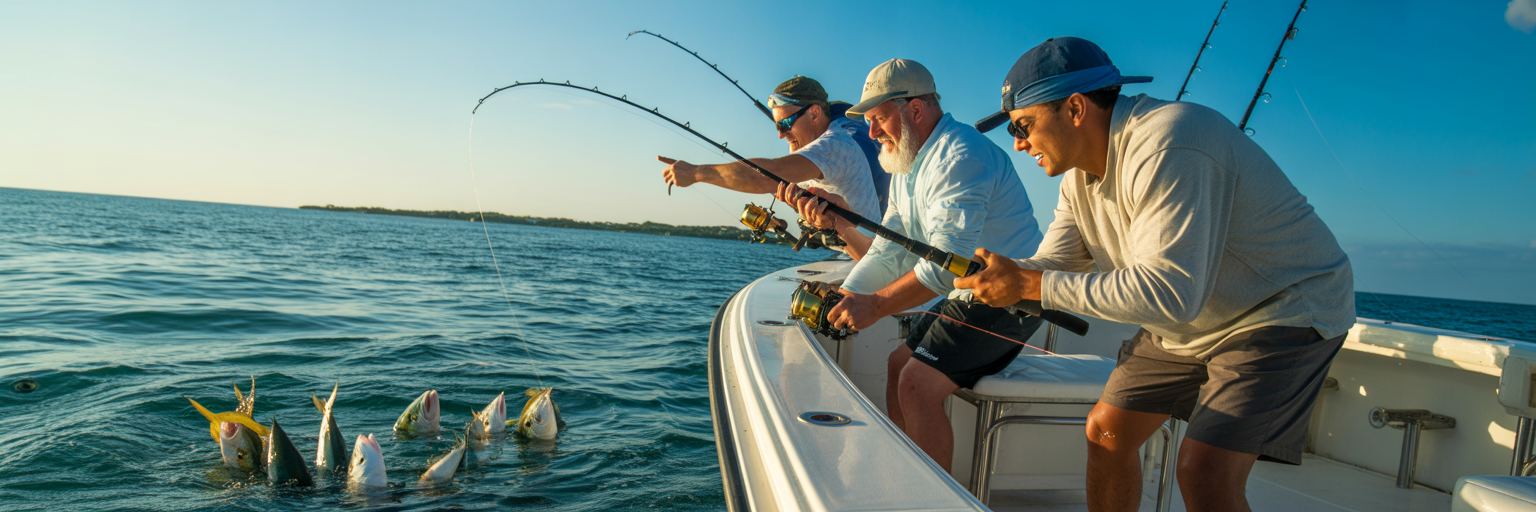
Many visitors fish with a professional guide, from a charter boat, or off a public pier. These situations can sometimes change the licensing requirements, but it is your responsibility to know the rules before you go.
The Vessel License Exception: When You Might Be Covered
Most legitimate for-hire charter boats and guide operations in Florida hold a vessel license. This type of license covers all paying anglers on board for basic saltwater fishing. This means that if you are on a boat with a valid vessel license, you may not need to purchase your own individual saltwater license for that trip. The same logic applies to certain public fishing piers that hold a specific pier fishing license.
Your Responsibility: Always Verify Coverage
Here is the most important part: never assume you are covered. It is your job as the angler to confirm the license situation before you even book the trip. When you call a captain, one of your first questions should be, “Does your license cover all your clients?” A reputable captain will give you a clear, immediate answer. Ask again when you arrive at the dock. This simple step protects you completely. Assuming the boat has you covered without asking is a gamble you do not want to lose.
Fishing from Licensed Piers
The pier fishing rule works similarly. If a pier holds a valid saltwater fishing pier license, it covers anglers fishing from that structure. These licenses are usually posted prominently at the pier entrance. If you see the sign, you are good to go with your entry fee. If you do not see a sign, you must have your own individual nonresident saltwater license. This is a common scenario for the Florida fishing license for tourists, so always look for the official notice.
When the Exception Doesn’t Apply: Private Boats
Let’s be perfectly clear. These exceptions do not apply to private boats. If you are fishing on your friend’s boat, it does not matter if your friend is a Florida resident with every license under the sun. You, the nonresident angler, are responsible for your own license. The vessel license exception is for for-hire operations only, not for recreational trips with friends or family.
Special Permits for Target Species
Your basic saltwater license is the starting point. For some of Florida’s most iconic and heavily managed species, you will need to add specific permits to your license before you can legally target or possess them.
The Snook and Lobster Permits: Required for Harvest
The two most common add-ons for nonresidents are the snook and spiny lobster permits. The snook permit Florida nonresident is required to harvest a snook. Even if you plan on practicing catch-and-release, the FWC recommends having the permit if you are fishing in an area where snook are a likely catch. It shows intent to follow the rules. The same goes for spiny lobster. You must have the lobster permit to harvest them during the season.
State Reef Fish Angler Designation: A Must for Private Boaters
This one is important and often overlooked. If you are a nonresident fishing from a private vessel in the Atlantic or Gulf and plan to harvest reef fish like snapper or grouper, you must add the State Reef Fish Angler designation to your license. This is a no-cost add-on, but it is mandatory. It helps the FWC gather crucial data on recreational reef fish effort. Charter boats have their own federal permits, so this designation is specifically for anglers on private boats.
Why These Permits Exist: A Conservation Perspective
These extra permits are not just bureaucracy. They are vital conservation tools. By requiring permits for high-pressure species like snook and reef fish, the FWC can better track angler effort and harvest rates. This data directly informs management decisions that keep these fisheries healthy for future generations. Think of it as your direct contribution to the sustainability of the resource you enjoy.
How to Add Permits to Your License
Adding these permits is simple. When you purchase your license, whether online or in person, you will be presented with the option to add them. The system will walk you through it. You can add them during the initial purchase or add them later if your fishing plans change. Just be sure you have them before you go fishing for those species. You can always check the current FWC regulations on saltwater permits to verify exactly what you need for your trip.
Rules for Specific Fishing Methods
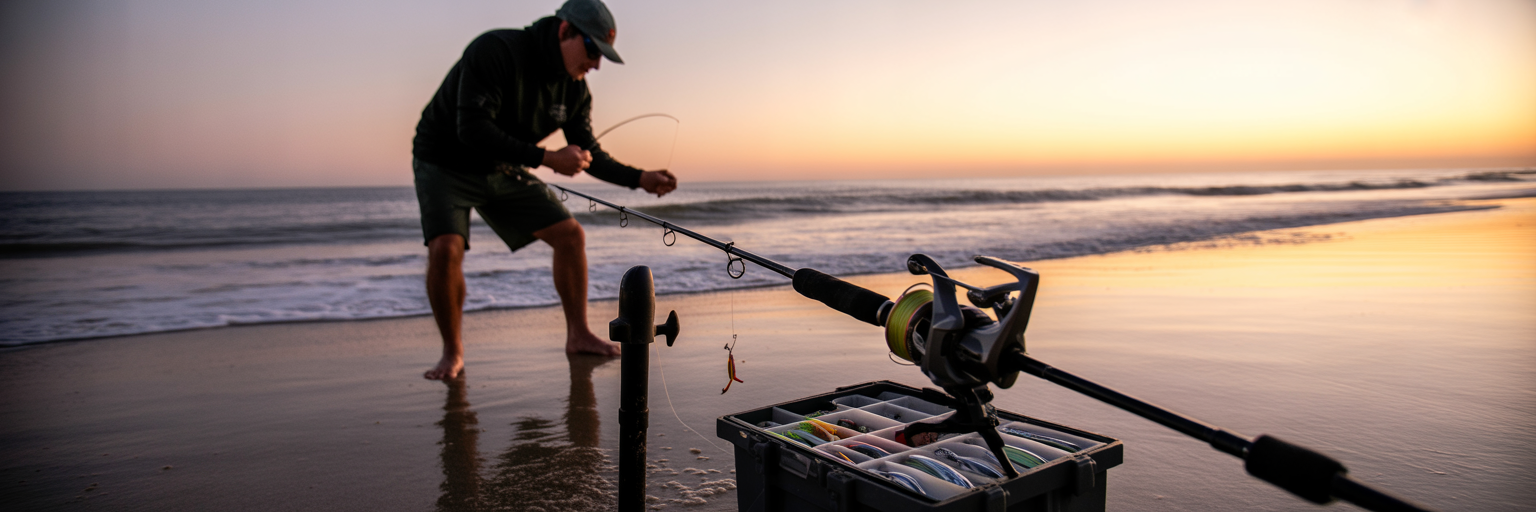
Beyond the general license and species permits, Florida has rules for certain types of fishing. These are often related to conservation, public safety, and gear restrictions. Knowing them ahead of time prevents unexpected issues.
Shore-Based Shark Fishing: A Mandatory Permit and Course
If you plan to target sharks from the beach, you must have the Shore-Based Shark Fishing permit. This is a no-cost permit, but it requires you to first complete an online educational course. The course covers shark identification, handling techniques, and regulations. This means you must plan ahead. You cannot get this permit last-minute at a tackle shop. It is a measure designed to protect both anglers and the shark population.
Dispelling the Myth: No Free Shoreline License for Nonresidents
It is worth repeating because it is the most common violation we see. Any discussion about an out of state fishing license Florida must make this point crystal clear. Residents can get a free license to fish from shore. Nonresidents cannot. If you are from out of state and fishing from land, you need a paid nonresident saltwater license. Period. Do not let anyone tell you otherwise.
Gear and Method Regulations to Be Aware Of
Florida has specific rules for different types of gear. For example, there are regulations on the size and mesh of cast nets. There are rules about the use of spearfishing equipment in certain areas. The point is not to memorize every rule, but to be aware that these regulations exist. If you plan to use anything other than a standard rod and reel, take a few minutes to look up the FWC regulations for that specific gear before your trip.
Brackish Water: The License Follows the Fish
Anglers often get confused about licensing in brackish water, like the tidal creeks and rivers where fresh and salt water mix. The FWC has a simple, practical rule: the license follows the fish. If you are fishing in a tidal river and catch a redfish or a snook, which are saltwater species, you need a saltwater license. It does not matter if the water tastes fresh. If you are targeting or catching saltwater species, you are accountable to saltwater regulations.
Your Pre-Launch Compliance Checklist
Before you head out, run through this final check. This is your last chance to make sure all your paperwork is in order so you can fish without worry. We have broken it down by how you will be fishing.
Checklist for Private Boat Anglers:
- Confirm every nonresident angler (16 or older) on board has a valid Florida saltwater fishing permit.
- Verify you have the necessary species permits (Snook, Lobster) if they are potential targets.
- Ensure the State Reef Fish Angler designation is on your license if you are heading to the reefs.
- Have proof of all licenses and permits accessible offline on your phone or in a waterproof bag.
- Quickly check current FWC regulations for bag limits, slot sizes, and seasons for your target species.
Checklist for Shore/Pier Anglers:
- Confirm you have your valid nonresident saltwater license in your possession.
- If targeting sharks from shore, confirm you have completed the course and have the specific permit.
- If fishing from a pier, look for a posted pier license sign. If none is visible, your individual license is required.
- Have proof of your license and any permits ready for inspection.
Checklist for Charter/Guide Trip Anglers:
- Verbally confirm with the captain that their vessel license covers all anglers on board.
- Ask if any special federal permits are needed for your trip (like for amberjack) and confirm the boat has them.
- Bring a photo ID, as it can be requested by law enforcement.
- Clarify the boat’s policy on harvesting species that require individual permits, like snook. Some boats are strictly catch-and-release for these species.
Remember, the Florida Fish and Wildlife Conservation Commission (FWC) is the final authority. Their website and official app are the best sources for the most current rules.
Common Mistakes That Lead to Fines
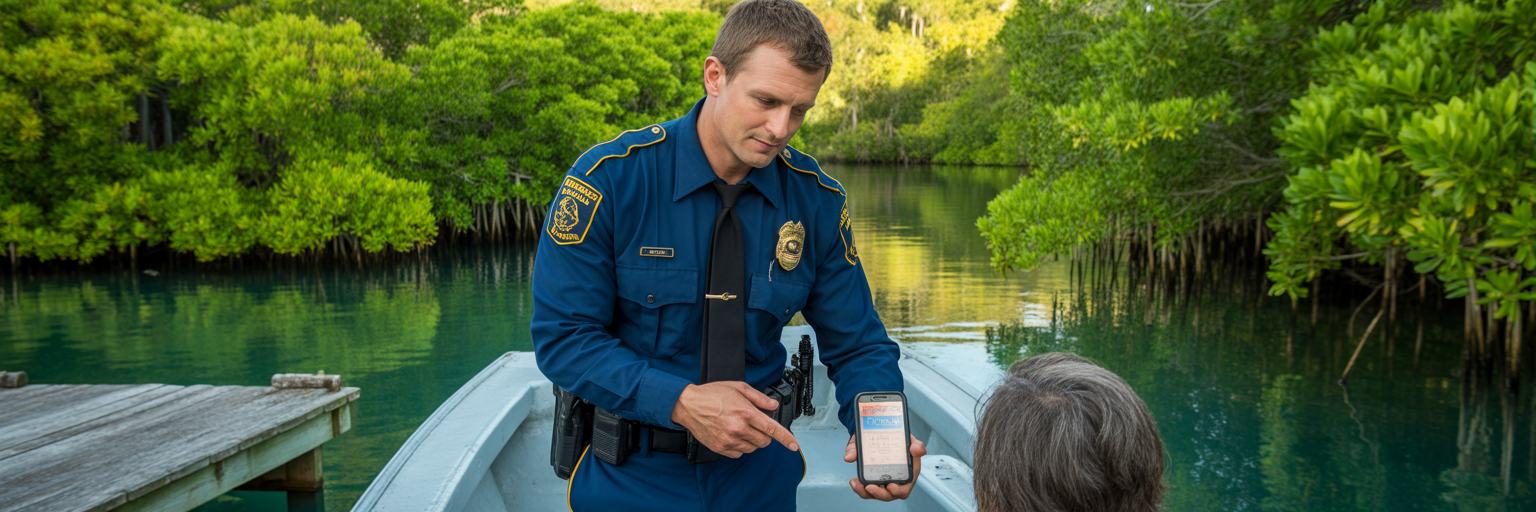
Let’s end with a few hard truths. These are the simple mistakes that cost visiting anglers time, money, and frustration. Avoid them.
1. Assuming Your Buddy’s License Covers You
A Florida resident’s license does not cover their nonresident guest on a private boat. Each nonresident angler (16 and up) needs their own license. There is no gray area here.
2. Forgetting Species-Specific Permits
Claiming you caught a snook “by accident” while fishing for trout will not work if you are in a known snook zone without a snook permit. If there is a reasonable chance you will encounter a regulated species, get the permit. It is far cheaper than the fine.
3. Ignoring Bag and Slot Limits
Your license is just the permission to fish. It does not let you ignore the rules of the fishery. Knowing and strictly following the current bag limits, slot sizes, and open seasons is just as important as having the license itself. Check the regulations before every trip, as they can change.