
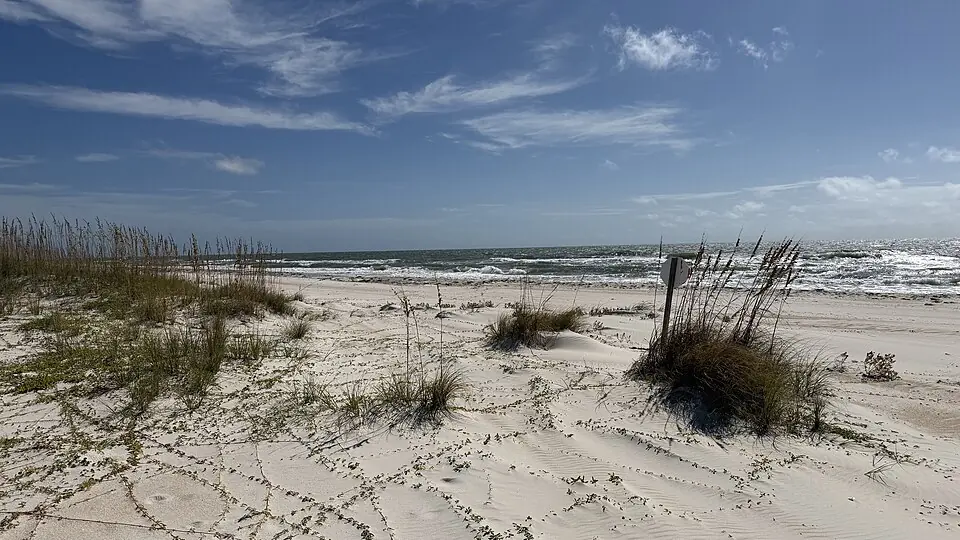
St. George Island State Park offers more than one style of fishing. The regular Gulf beach suits a straightforward bait session. Bayside water calls for light inshore tackle. The remote East End is a separate commitment, with stronger current and a longer journey.
Featured image: Gulf beach at St. George Island State Park. Photograph dated 2025. Current access may differ. Credit: Operator 16. CC0. Image source. Resized and converted to WebP.
Begin with the day-use beach
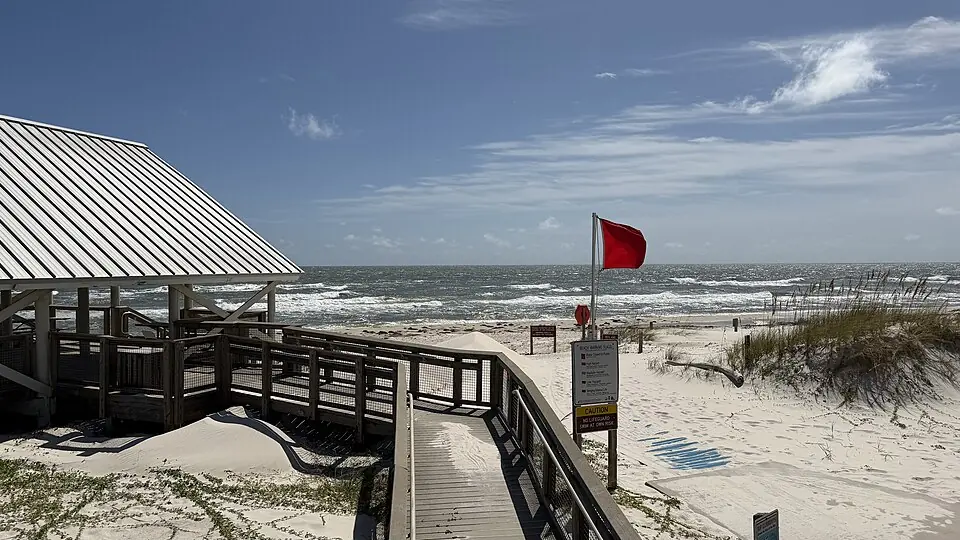
Use the park's established beach access areas and ask the entrance staff about current closures. There is no need to make the longest walk on your first visit. Choose an open stretch away from swimmers and keep all equipment on the beach side of protected dunes.
The Gulf shoreline is a useful place to learn how bars and troughs shape a cast. Look for a slightly deeper strip between shore and breaking waves. Test it before trying to reach the far side of a distant bar.
Build the surf session around small food
Whiting are a practical target with small shrimp pieces. Pompano may be available during seasonal movements. Sand fleas and short synthetic bait strips offer alternatives when shrimp gets stripped too quickly.
An 8-9-foot surf spinning rod, 4000 reel and 15 lb mono suit moderate conditions. Add a 25 lb leader and small hooks. Use just enough lead to keep the bait in the chosen lane. If strong waves demand more weight than your rod can cast safely, change the plan.
Keep bay presentations above the grass
Where access and park rules allow bayside fishing, use a 7-foot medium rod, 2500-3000 reel and 10-15 lb braid. A 20 lb leader and small weedless paddletail suit shallow redfish and trout habitat. Let the lure cross openings rather than plowing through grass.
Do not wade into soft bottom to reach an attractive patch beyond casting range. A shoreline view can be misleading, especially when wind lowers the water. Protect seagrass and give birds room to feed.
Treat the East End as its own trip
The East End Fishing Beach is not the same as a roadside pull-off. Check its access arrangements, travel distance and current conditions with park staff. Pack more water than a casual beach stop would require. If you want a shorter outing, stay with the developed day-use beach and leave the remote end for another visit.
A compact packing list
| Pack | Starting choice |
|---|---|
| Light surf option | 8-9-foot rod, 4000 reel, 15 lb mono, 25 lb leader |
| Inshore option | 7-foot rod, 3000 reel, 15 lb braid, 20-30 lb leader |
| Bait choice | Shrimp for sand or structure; small lures for open edges |
| Choose first | The permitted shoreline and target fish |
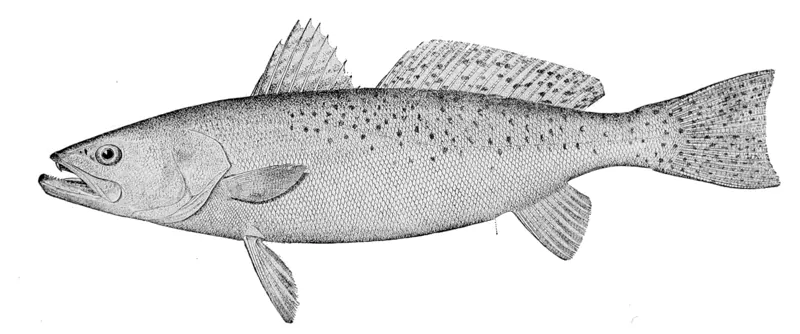
Fish to recognize
These references help identify possible targets in the habitats discussed above. They do not document catches at this beach or guarantee that a fish is present on your visit.

Plan another nearby fishing stop
- St. George Island Fishing: Beach, Bay and Park Guide
- East End Fishing Beach: St. George Island Trip Guide
- St. George Island Public Beach Fishing: Simple Baits
- Unit Four Beach Fishing: St. George Island Bay Tackle
Access research checked September 24, 2026, using Florida State Parks. Recheck closures and posted rules before traveling. Confirm your fishing license and current species-specific harvest rules with FWC before keeping fish.