
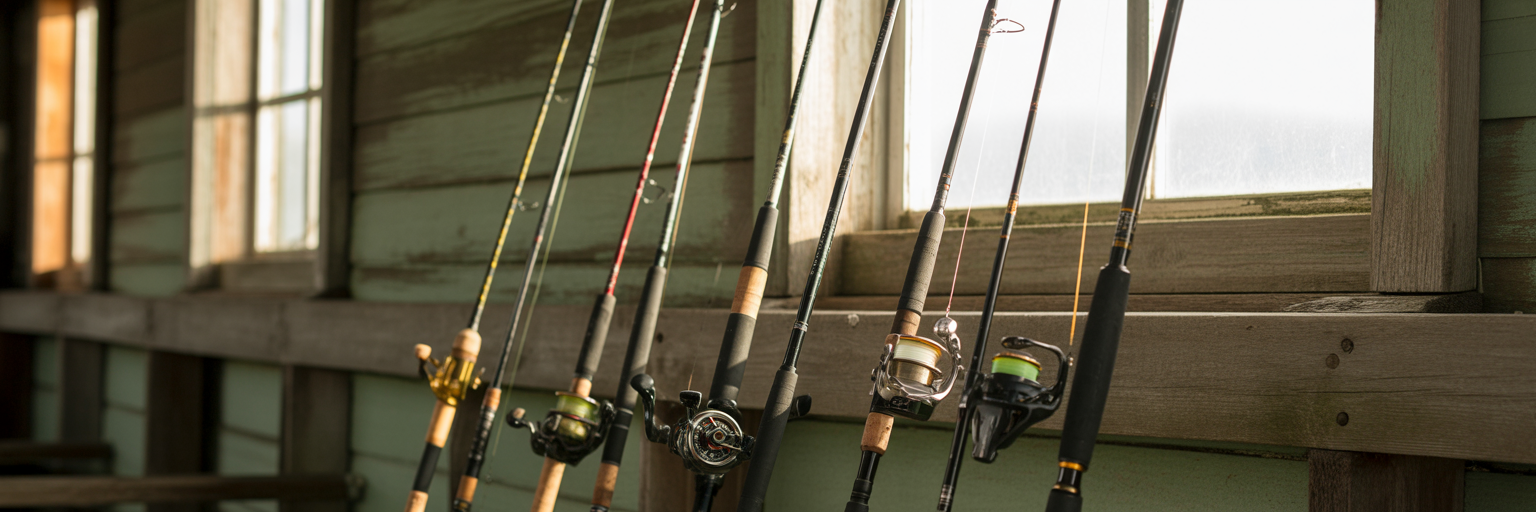
Choosing from the Top Fishing Rods of 2026
There is a unique feeling of anticipation that comes with choosing a new fishing rod. It is more than just a piece of equipment. It is your direct connection to the water, the tool that transmits every subtle bump and aggressive strike from the world below. Finding the right one among the top fishing rods available is a personal journey, one that aligns your experience with your ambitions on the water. The perfect rod feels like an extension of your arm, ready for that next cast and the fight that follows.
This guide is here to help you make that choice with confidence. We will explore the three pillars of rod design: power, action, and material. Understanding these elements will empower you to select a rod that not only fits your budget but also enhances your time outdoors, whether you are just starting or have spent a lifetime chasing fish.
Understanding Rod Power, Action, and Material
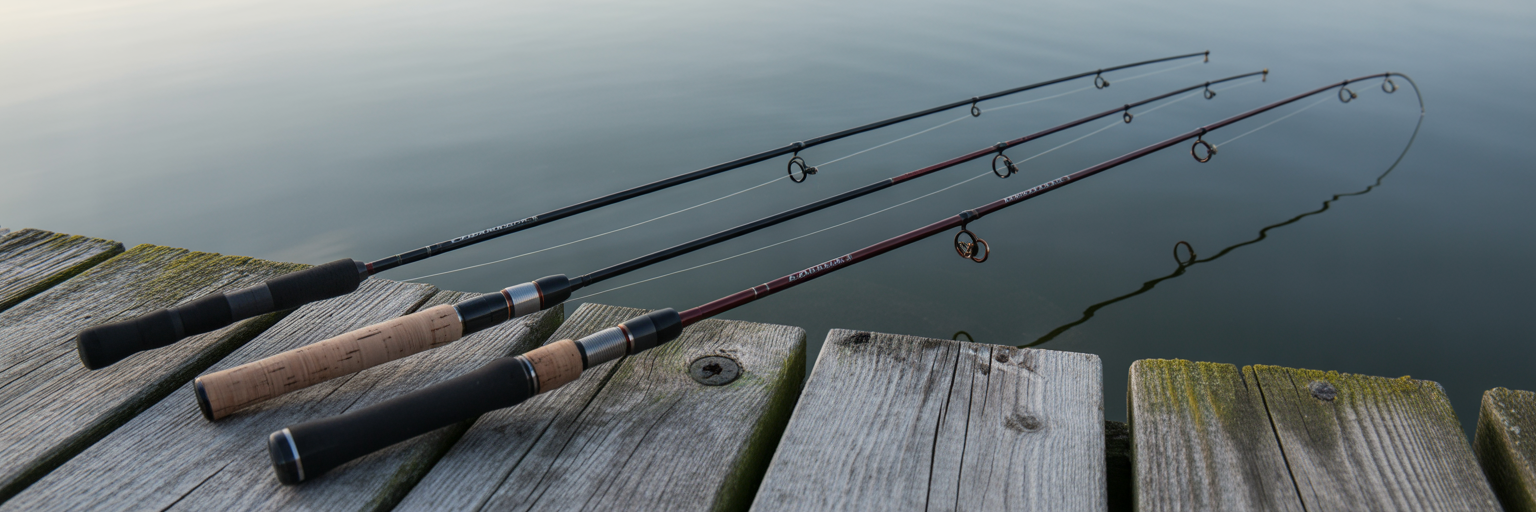
A great day on the water often starts with having the right gear for the job. When it comes to your rod, its performance is defined by a combination of power, action, and the material it is made from. Getting this balance right is the key to effective casting, solid hooksets, and successfully landing fish. A clear understanding of fishing rod action and power turns a confusing wall of options at the tackle shop into a clear set of choices tailored just for you.
Rod Power: The Backbone of Your Setup
Rod power describes its strength or lifting ability. It dictates the lure weights you can effectively cast and the size of fish you can handle. Power ratings range from ultralight for panfish and small trout to extra-heavy for battling offshore giants. Matching the power to your target is essential. An ultralight rod makes fighting a small creek chub feel like a trophy battle, while a heavy rod gives you the leverage needed to pull a big bass from thick cover. Knowing what you are after, from small freshwater species to larger saltwater predators, is the first step in selecting the right power. For help identifying what you might encounter, you can explore our guide to different fish species and their habitats.
Rod Action: How Your Rod Bends and Responds
Action describes where a rod flexes along its length when pressure is applied. This characteristic influences casting distance, accuracy, and sensitivity. Different actions excel at different techniques.
- Fast Action: The rod bends primarily in the top third, near the tip. This provides excellent sensitivity for feeling subtle bites from jigs or soft plastics and delivers the backbone for powerful, instant hooksets.
- Moderate Action: The rod bends into its middle section. This slower, more parabolic bend is fantastic for casting moving baits like crankbaits and spinnerbaits, as it helps absorb the shock of a strike and keeps fish pinned.
- Slow Action: The rod bends deep into the lower third, close to the handle. This deep flex is perfect for casting very light lures and protecting delicate leaders, making it a favorite for small stream trout anglers.
Rod Material: The Core of Performance and Feel
The material used to build the rod blank determines its weight, sensitivity, and durability. Each has its place in an angler’s arsenal.
| Material | Key Advantage | Best For | Trade-Off |
|---|---|---|---|
| Fiberglass | Durability & Forgiveness | Beginners, crankbaits, live bait | Heavier, less sensitive |
| Graphite | Sensitivity & Light Weight | Feeling subtle bites, jigs, plastics | More brittle, less forgiving |
| Composite | Versatility (Blend of both) | All-around use, intermediate anglers | A compromise on peak sensitivity or durability |
Composites, which blend fiberglass and graphite, offer a fantastic middle ground, providing a good mix of durability and sensitivity that works for many situations.
Best Rods for Starting Your Angling Journey
Getting started in fishing should be exciting, not confusing. The most important goal for a new angler is to build confidence with successful trips, and the right gear makes all the difference. When learning how to choose a fishing rod for the first time, simplicity is your best friend. We strongly recommend a spinning rod between 6 and 7 feet long with medium power and a moderate action. This setup is the ultimate workhorse.
This specific combination is the ideal fishing rod for beginners because it is incredibly versatile and forgiving. It is strong enough to handle a respectable bass or catfish but light enough to make catching smaller fish fun. The moderate action helps you learn casting mechanics and prevents you from pulling the hook out of a fish’s mouth, a common frustration when you are new to feeling the bite. A fiberglass or composite blank is a perfect choice here, as its durability can withstand the bumps and scrapes that come with learning.
Avoid the temptation to start with highly specialized gear like a heavy surf rod or an ultralight setup. While they excel in specific scenarios, they can make learning the fundamentals of casting and fighting fish more difficult. A solid, all-purpose spinning rod will help you catch fish in ponds, lakes, and rivers, setting you up for a lifetime of enjoyment on the water. As you get comfortable, you can expand your setup with the essential gear for your local waters.
Stepping Up Your Game with Intermediate Rods
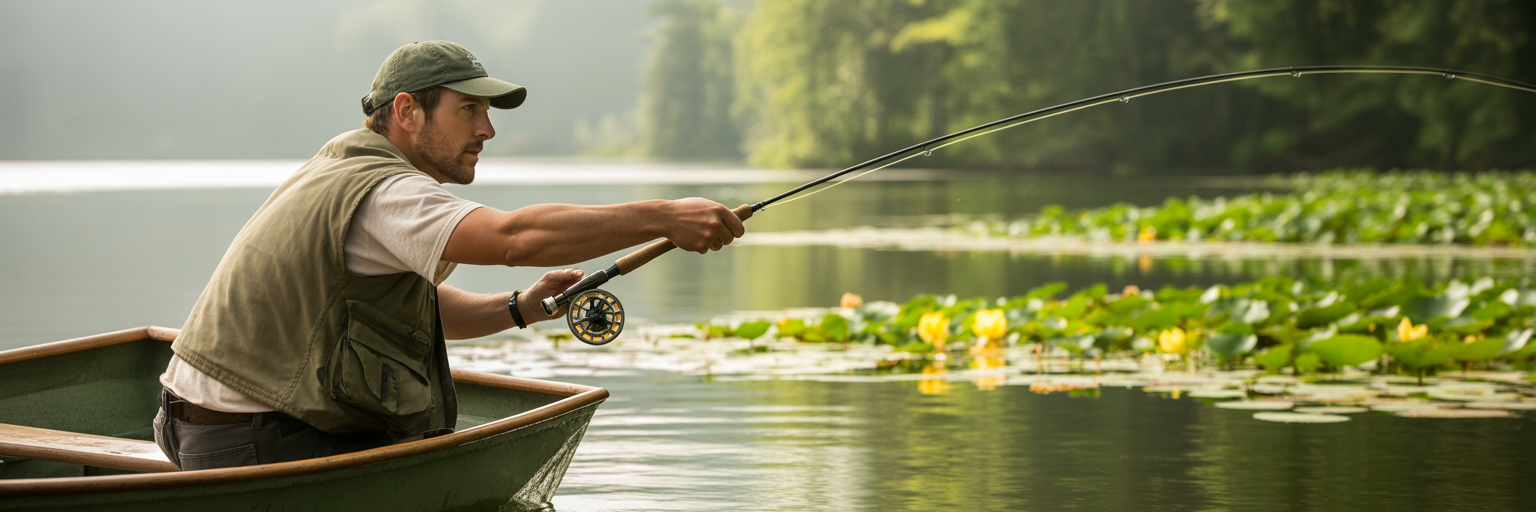
Once you have mastered the basics and can consistently get on the water and catch fish, you will start to notice the limitations of an all-purpose setup. This is the exciting stage where you begin building a small collection of rods, each chosen for a specific technique. It is about moving from one tool that does everything okay to a few tools that do certain things exceptionally well. This is where many of the best fishing rods 2026 are aimed, offering advanced performance without the top-tier price tag.
For the intermediate angler, this often means a shift toward graphite rods. The increased sensitivity of graphite is a revelation, allowing you to feel subtle changes in bottom composition and the faintest bites you were missing before. A medium-heavy, fast-action casting rod becomes essential for working jigs and Texas rigs for bass. You might add a longer spinning rod for making bomb casts from the bank or a more moderate-action rod specifically for your favorite crankbaits. This is the time to experiment and discover how a purpose-built rod can improve your success with specific presentations, like when you are targeting redfish on the flats and need both casting distance and accuracy.
Specialized Rods for the Advanced Angler
For the serious angler, fishing evolves into a pursuit of precision. At this level, you are no longer just buying a fishing rod, you are investing in a highly specialized instrument designed to give you an edge. The hallmark of an advanced angler is owning multiple advanced fishing rods, each dialed in for a specific species, technique, and environment. This is where you see the full potential of modern rod technology.
Rods at this tier are often built from high-modulus graphite blanks infused with nano-silica resins, creating an incredible combination of strength and sensitivity in a feather-light package. These advancements allow you to feel every pebble your lure ticks across on the bottom and provide the power to control a trophy fish. Specialization becomes extreme, from technique-specific fly rods designed for a certain line weight to offshore rods built to withstand the brutal runs of a powerful pelagic. The investment is about gaining those small advantages that make a huge difference when targeting a challenging species like a sailfish. For those looking to explore these demanding disciplines, understanding advanced bluewater fishing strategies is a great next step.
Matching Your Rod to Your Fishing Style
Bringing it all together, the best rod is the one that perfectly matches your specific needs on the water. The most common mistake anglers make is using a rod that is poorly suited for their application, which leads to lost fish and frustration. To avoid this, run through a simple checklist before you make your choice:
- What fish are you targeting? This determines the rod power you need. A rod for bluegill will not work for striped bass.
- Where will you be fishing? This influences rod length. A shorter rod is great for tight cover on a creek, while a longer rod helps you cast farther from the shore or a boat.
- What lures or baits will you use? This points you to the right action. A fast action is ideal for single-hook baits like jigs, while a moderate action excels with treble-hooked lures like crankbaits.
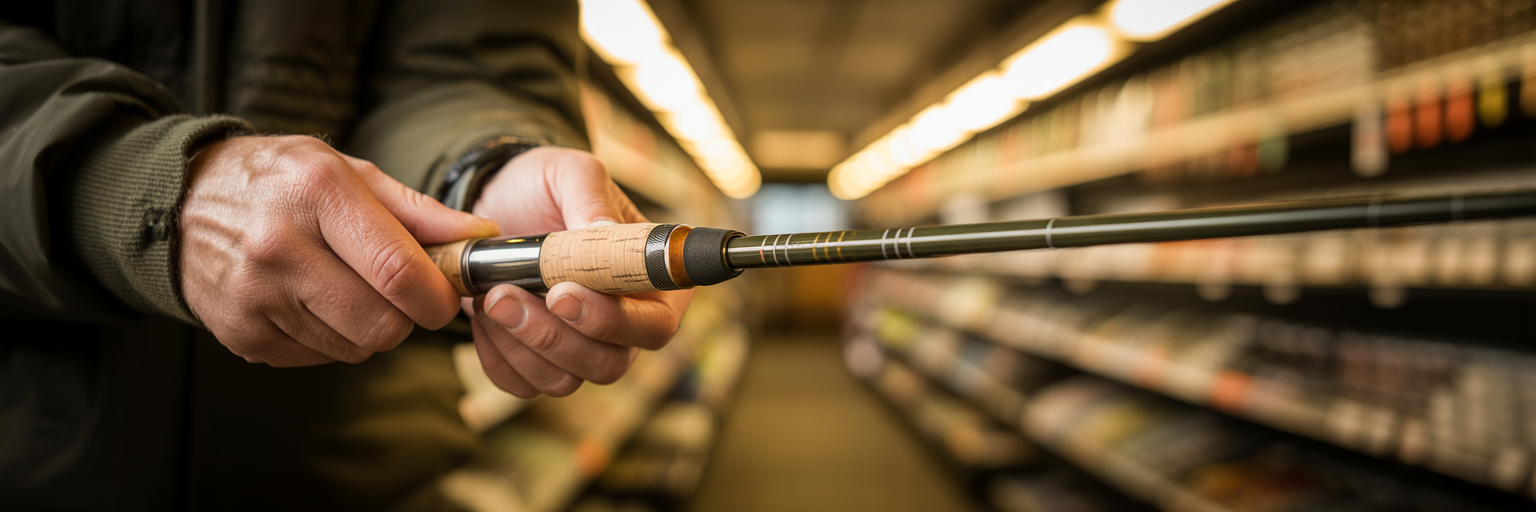
Remember that general guidelines are a great starting point. Rods in the 6-to-7-foot range offer great versatility, while longer rods over 7.5 feet are built for distance. Ultimately, choosing a rod is part of the adventure. If you can, visit a local tackle shop and feel a few rods in your hand. The right one will feel balanced and ready for action, like a natural extension of your will to get out there and fish. Before your next trip, be sure to check our tides and weather tool to plan for the best conditions.