
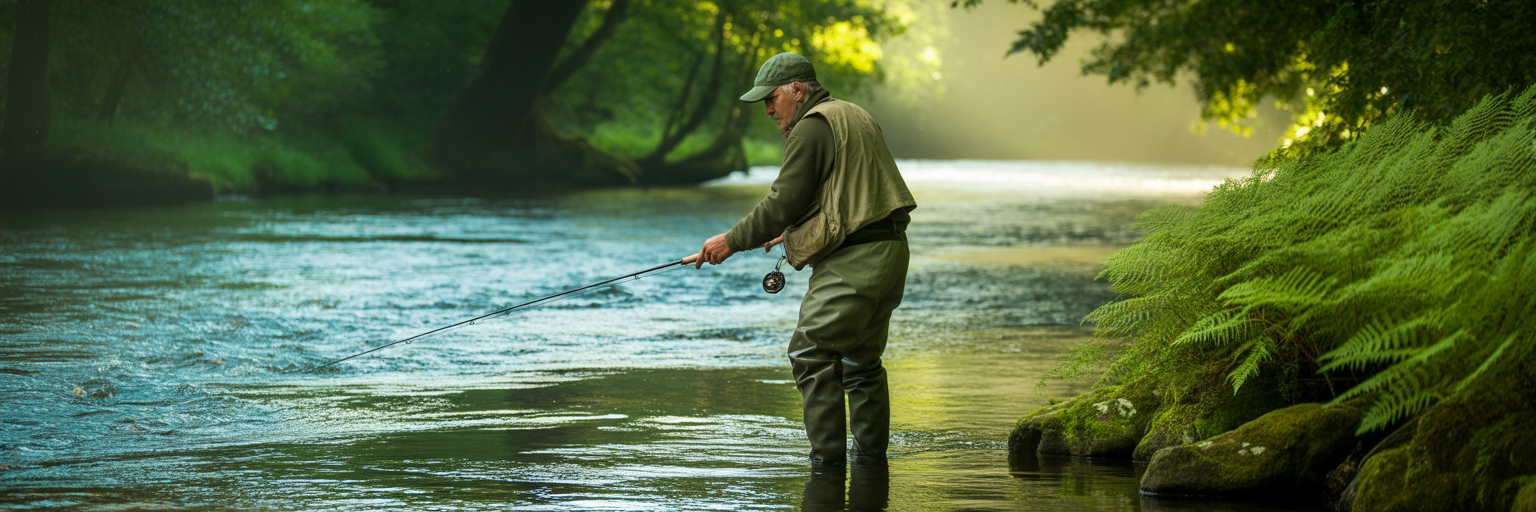
The Angler’s Edge: How to Read Water Conditions
There is a long-standing truth among anglers that 90% of the fish live in just 10% of the water. This simple fact highlights why the ability to Read Water Conditions is the most valuable skill you can develop. It transforms fishing from a game of chance into a thoughtful pursuit, connecting you more deeply with the environment you love. Forget luck, this is about understanding the world beneath the surface.
Fish are creatures of instinct, driven by three simple needs: finding food, feeling safe from predators, and staying comfortable. Every piece of water, whether it is a river, lake, or coastal flat, holds clues about where these needs are being met. Learning to see these clues is like solving a fascinating puzzle where the prize is a bent rod and a memorable day outdoors.
The core elements of this puzzle are current, temperature, structure, and weather. Each one provides a piece of the story, telling you where fish are likely to be and what they are likely to be doing. By shifting your focus to observation and strategy, you stop just casting and start hunting. This is the path to consistent success and a richer experience on the water.
Decoding Current in Rivers and Streams
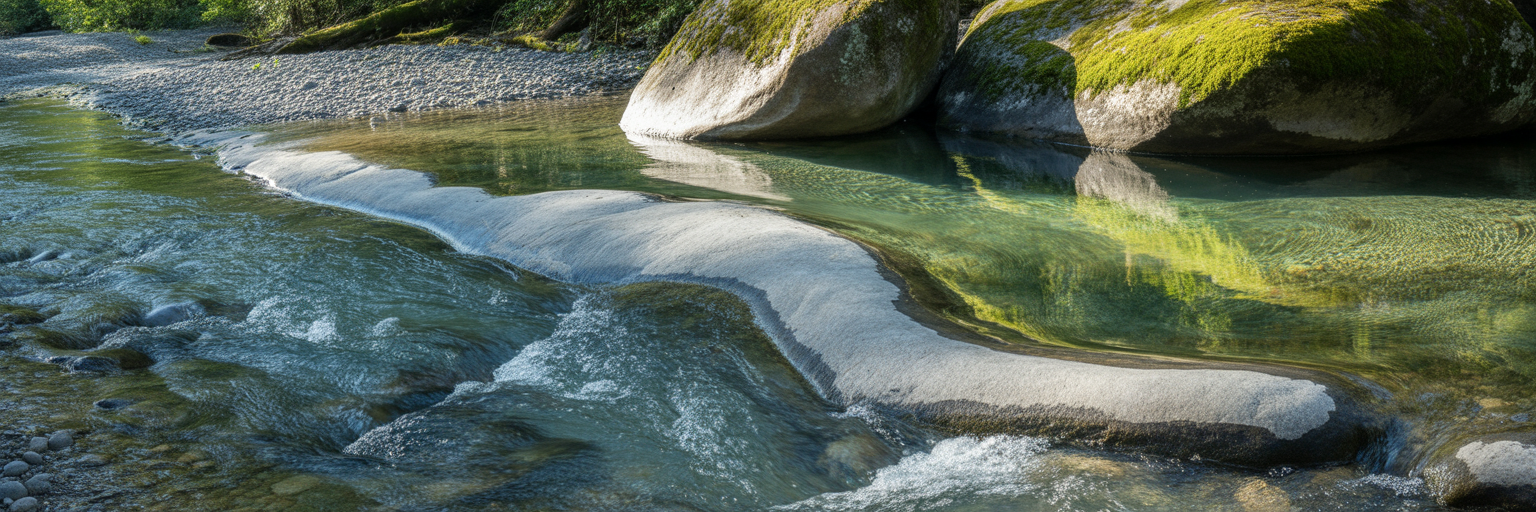
In any moving body of water, current is the great organizer. It dictates where food will travel, where fish can rest, and where they will set up to ambush a meal. Understanding how to read a river for fishing is about seeing the water not as a uniform flow, but as a dynamic landscape of currents, seams, and pockets of opportunity.
Identifying Current Seams
Think of a current seam as a conveyor belt for fish food. It is the visible line where fast-moving water meets slower water. You can spot it by looking for a difference in surface texture, a line of bubbles, or floating debris. Fish will hold in the slower water right on the edge of the seam, letting the current bring insects, baitfish, and other morsels directly to them. Casting along these seams is one of the most effective ways to present your lure or fly to active fish.
Finding Eddies and Slack Water
Any obstruction in the river, like a large rock, a fallen log, or a sharp bend, creates a pocket of calm water behind it called an eddy. These are the river’s rest stops, or fish motels. Here, fish can escape the main force of the current, conserve energy, and wait for food to drift by. Eddies are prime holding spots, especially for species like trout and smallmouth bass. Look for them anywhere the river’s flow is interrupted.
Reading Tides in Saltwater
The same principle of moving water applies with even greater force in saltwater environments. Tides create powerful currents that concentrate bait and trigger intense feeding periods. An incoming or outgoing tide acts just like a river’s flow, and fish will position themselves to take advantage of it. Slack tide, the period between tidal movements, is often a dead zone for feeding. Understanding this rhythm is essential for success, as shown in many of our reports on redfish on the flats, where tidal movement is everything.
Temperature and Structure: Finding the Comfort Zone
While current dictates daily feeding patterns, temperature and structure define a fish’s entire world. As cold-blooded creatures, a fish’s metabolism and activity level are directly controlled by the water temperature. This makes understanding fishing water temperature a critical part of finding active fish. They are constantly seeking their preferred temperature range, moving to deeper, cooler water in the summer heat or shallower, sun-warmed flats in the spring.
Underwater structure provides the map for this world. Drop-offs, points, humps, and weed lines are not just random features, they are fish highways and ambush points. A submerged point acts as a natural intersection where fish travel, while a weed line provides cover for predators waiting to strike. In lakes, these elements often combine at the thermocline, a distinct layer where the water temperature changes rapidly. This zone concentrates oxygen, baitfish, and predators, making it a key depth to target.
| Fish Species | Optimal Temperature Range (Fahrenheit) | General Behavior Notes |
|---|---|---|
| Largemouth Bass | 65-75°F | Most aggressive feeding occurs in this range. |
| Rainbow Trout | 55-65°F | Seek cooler, oxygenated water. Become lethargic in warm water. |
| Snook | 72-82°F | A tropical species that feeds actively in warm water. |
| Grouper | 68-78°F | Often found near structure in stable, warm bottom layers. You can learn more about species like these in our profile on grouper. |
| Redfish | 60-80°F | Tolerant of a wide range but feed best in moderate temperatures. |
How Weather Patterns Influence the Bite
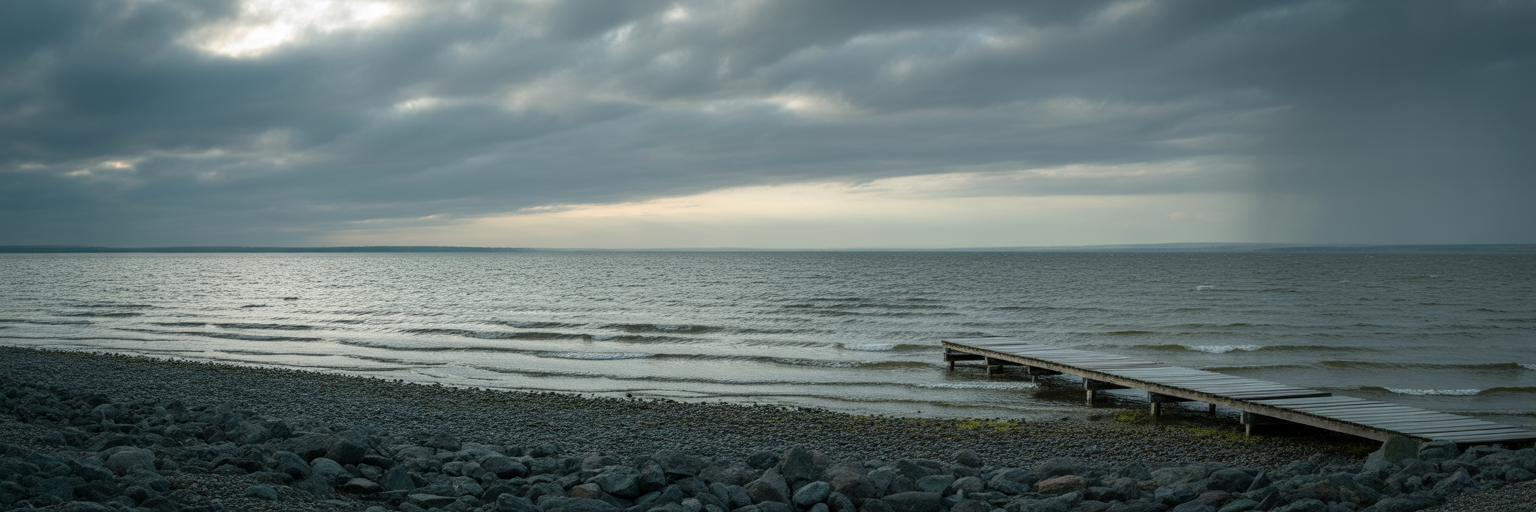
The sky above is just as important as the water below. Many anglers head home when the clouds roll in, but seasoned fishermen know that changing weather often signals the start of the best action. Instead of avoiding so-called bad weather, learn to see it as an opportunity. The best fishing weather is often what keeps others indoors.
Several atmospheric factors directly influence fish behavior and can turn a slow day into an unforgettable one.
- Low Light: Overcast skies, fog, and the low-angle light of dawn and dusk give predator fish a distinct advantage. They feel more secure moving out from cover to hunt, resulting in more aggressive feeding activity.
- Barometric Pressure: The classic advice to fish before a storm holds true. A falling barometer, which signals an approaching front, often triggers a feeding frenzy. This is the core of barometric pressure fishing. Conversely, the high, clear skies after a cold front usually mean high pressure, which can make fish sluggish and inactive.
- Wind: On lakes and large flats, wind is your friend. It pushes surface water toward the windward shore, creating a current that concentrates warm water and baitfish. Predators follow the food, making windy shorelines a fantastic place to find a hot bite.
By paying attention to the forecast, you can plan your trips to coincide with these prime conditions. You can check local conditions with resources like our tides and weather tool to be fully prepared.
Essential Tools for Analyzing the Water
Putting all this knowledge into practice is much easier with a few key pieces of gear. These tools help you confirm what your eyes see and reveal what is hidden beneath the surface, turning theories into catches.
- Polarized Sunglasses: This is the single most important tool for reading water. A good pair of polarized sunglasses for fishing cuts through surface glare, allowing you to see underwater structure, depth changes, weed lines, and even the fish themselves. It is like having X-ray vision for the water.
- Digital Thermometer: A simple digital thermometer is an invaluable tool for confirming your temperature theories. It helps you find the thermocline in a lake or locate the exact depth where fish are holding in their preferred comfort zone.
- Satellite Maps: Before you even leave the house, you can do some digital scouting with satellite imagery. Apps like Google Earth allow you to identify promising points, channels, flats, and creek mouths that are likely to hold fish.
- Patient Observation: Your most powerful tool is free and always with you. Before making a single cast, take a few minutes to just watch. Look for diving birds, nervous baitfish breaking the surface, or subtle swirls. These are the signs of life that tell you where to begin.
These tools, combined with an observant mindset, will help you piece together the puzzle. For a more complete look at what to bring, check out our guide to essential gear for inshore fishing.